Radha Damodar Temple, Junagadh
About Radha Damodar Temple, Junagadh
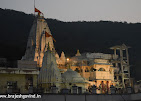
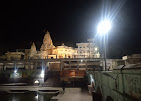
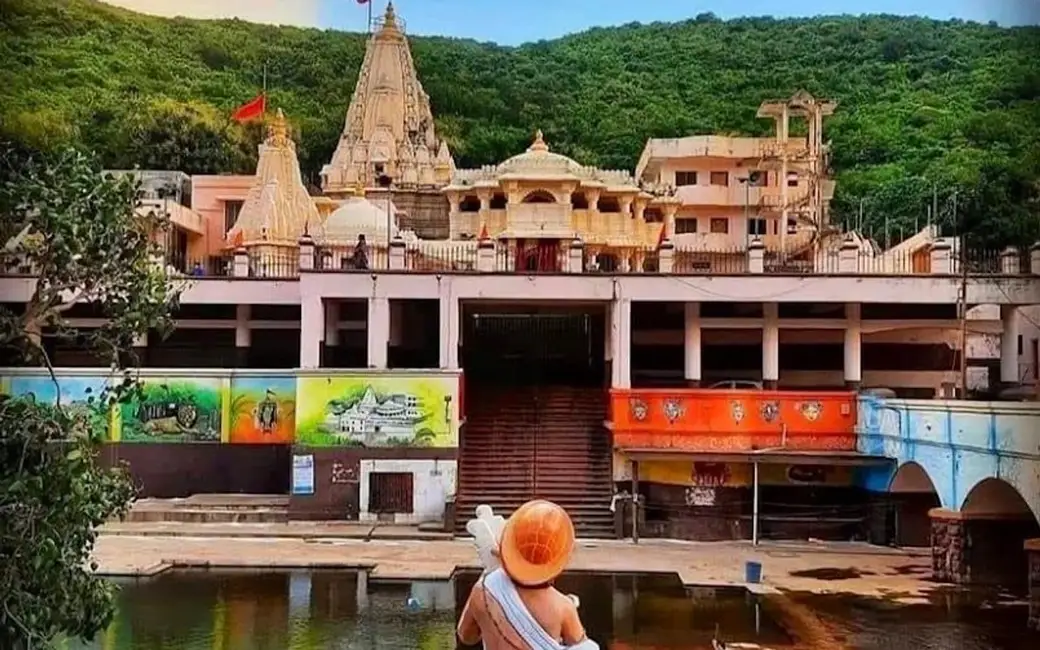
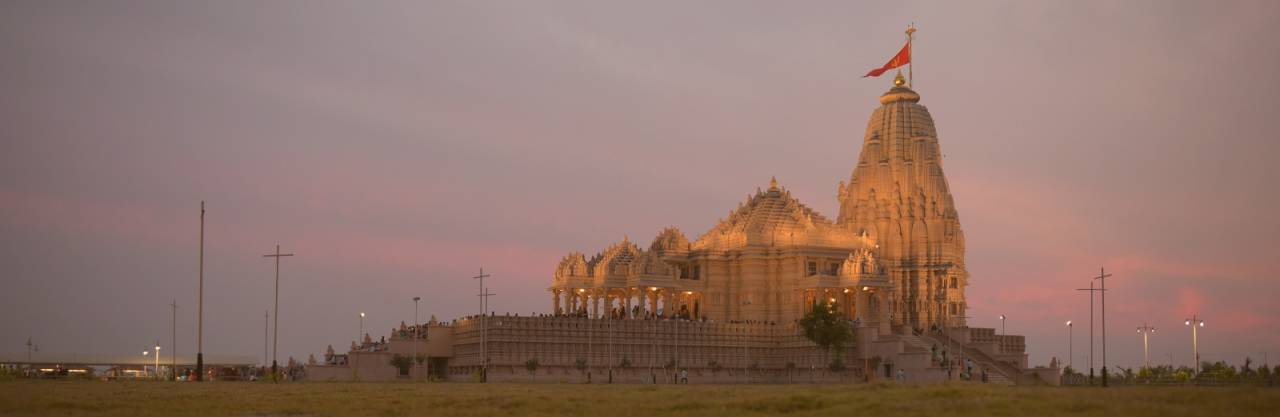
The temple follows the Nagara style of North Indian architecture, a tradition that emphasizes vertical lines and ornamental detail. This architectural approach is characteristic of many Krishna temples across northern India. The temple's recognition as a state heritage site reflects its historical importance to the region and its architectural merit. The structure itself, situated in the tranquil setting of the Girnar foothills, creates an environment conducive to worship and contemplation.
Daily Worship and Darshan
The temple opens for darshan at 6:30 AM and remains accessible until 12:30 PM, then reopens from 4:30 PM to 7:15 PM. The morning aarti—the ritual of offering light to the deity—takes place at 6:00 AM, while the evening aarti occurs between 5:00 PM and 5:30 PM. These are the primary times when the deity receives formal worship, and devotees often time their visits to participate in these ceremonies.
Beyond daily aartis, the temple performs specialized rituals including Shraddha (offerings for deceased ancestors), Tarpan Vidhi (water libations), and Asthi Visarjana (immersion of cremated remains). These services reflect the temple's role in the spiritual life of the community. Poojas are conducted in Gujarati, Sanskrit, and Hindi, accommodating the linguistic diversity of pilgrims. Entry for darshan is free, making the temple accessible to all who wish to visit.
Festivals and Pilgrimage Seasons
The temple observes major festivals significant to Krishna worship, including Janmashtami (Krishna's birth), Radhastami (Radha's birth), Kartik Purnima, and the Bhadradi Amavasya Fair. These occasions draw increased numbers of devotees and are considered auspicious times for pilgrimage. The winter months from November to February offer the most comfortable climate for visiting, with cooler temperatures and lower humidity than the rest of the year. Early morning and evening hours, particularly during the aarti times, are ideal for experiencing the temple's spiritual atmosphere.
Visiting Information
Visitors should plan their trip during the posted darshan hours: morning from 6:30 AM to 12:30 PM or evening from 4:30 PM to 7:15 PM. The temple is located on Girnar Road in Junagadh at coordinates 21.3132, 70.291. As with most Hindu temples, visitors are expected to remove footwear before entering the sanctum and to dress modestly. Photography policies vary; it is advisable to inquire with temple staff before taking photographs. The temple complex accommodates pilgrims seeking to perform rituals, and staff can provide guidance on procedures for specific ceremonies or offerings.
The Sacred Kunds and Ritual Significance
The presence of Damodar Kund and Revati Kund distinguishes this temple as a site for water-based rituals. Pilgrims visit these tanks for bathing and ritual immersion as part of their spiritual practice. The kunds are particularly significant during festivals and for those performing ceremonies related to ancestral remembrance. The riverbank setting of the temple enhances its appeal as a place of pilgrimage, combining the sanctity of the deity with the natural sanctity associated with water in Hindu tradition.
How to reach
Temples near Radha Damodar Temple, Junagadh
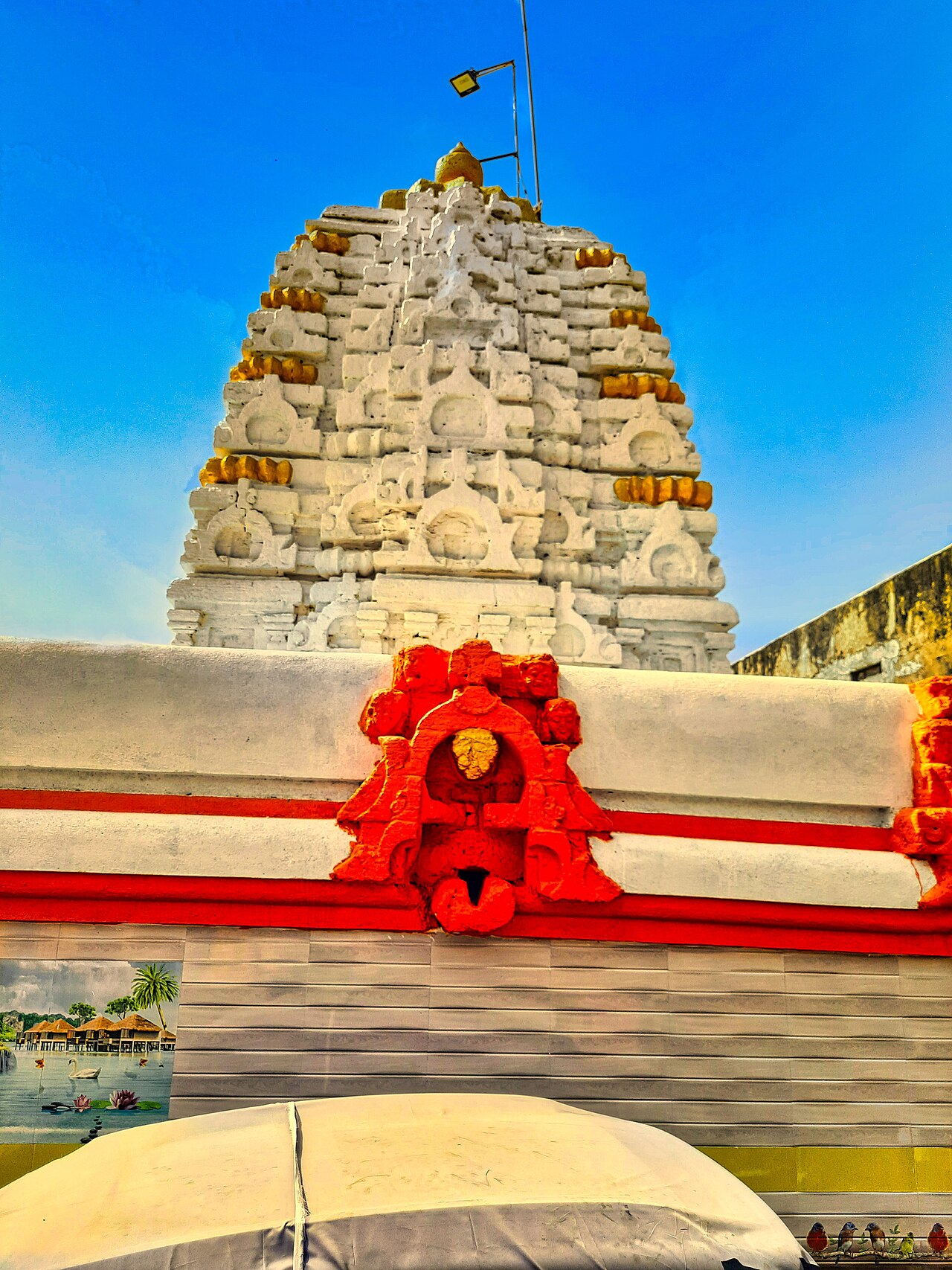
Surya Temple, Akhodar Junagadh
Surya Temple in Akhodar, Junagadh is an ancient Hindu shrine dedicated to the Sun God, representing centuries of devotional architecture in Gujarat.
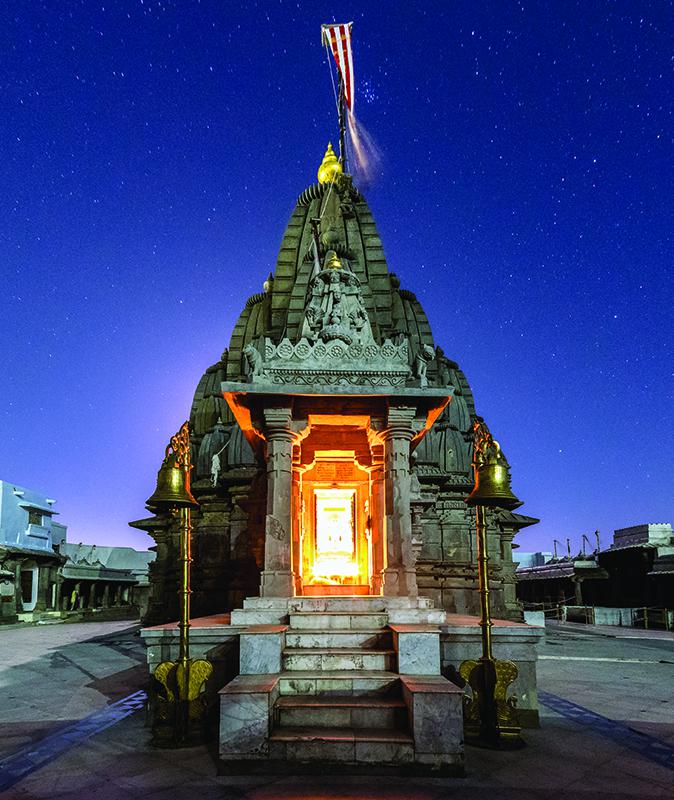
Girnar
Girnar is a major Jain pilgrimage site in Junagadh, Gujarat, sacred to Tirthankara Neminath where he attained enlightenment and moksha. The temple complex features marble shrine…
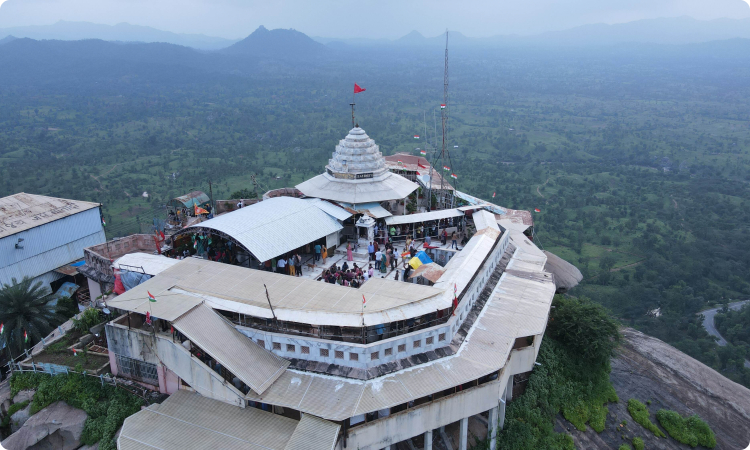
Ambika Temple, Girnar
Ambika Temple on Girnar hill is an ancient shrine dedicated to the Jain goddess Ambika, with origins traced to the 8th century and its present structure built in the 15th centur…
Ambika Jain Temple, Girnar
Ambika Temple on Girnar hill is an ancient Jain shrine dedicated to the goddess Ambika, with origins traced to the 8th century and its present structure built in the 15th century.

Somnath
Somnath Temple in Veraval, Gujarat, is the foremost of the twelve jyotirlinga shrines dedicated to Shiva. Located on the Arabian Sea coast at Prabhas Patan, it holds immense sig…
Khodaldham
Khodaldham is a modern temple dedicated to Goddess Khodiyar Mata in Kagvad, Rajkot district, featuring 650 sculptures and serving as the kuldevi shrine of the Leuva Patidar comm…