
Pura Ulun Danu Batur
About Pura Ulun Danu Batur
The temple as it stands today was rebuilt in 1926 following the destruction of the original compound. This reconstruction marks an important moment in the temple's continuity, representing both loss and renewal. The decision to rebuild rather than abandon the site underscores the temple's enduring significance to the Balinese Hindu community.
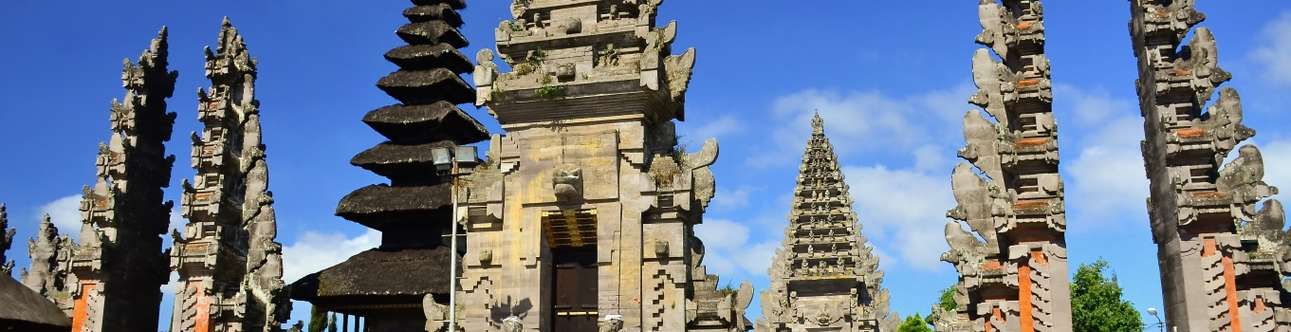
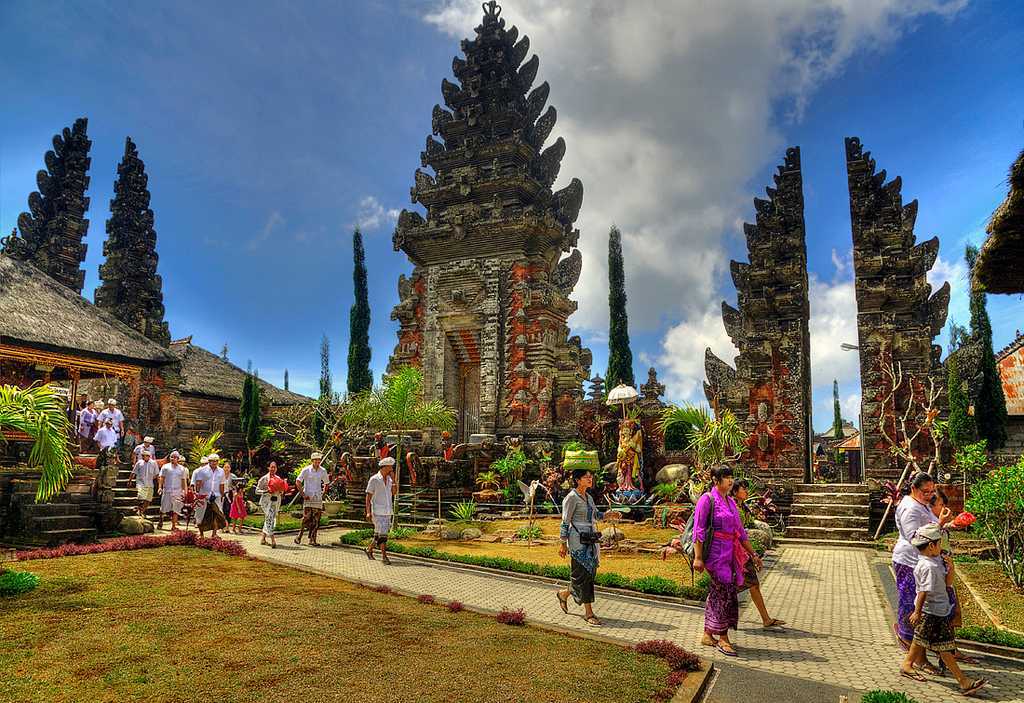
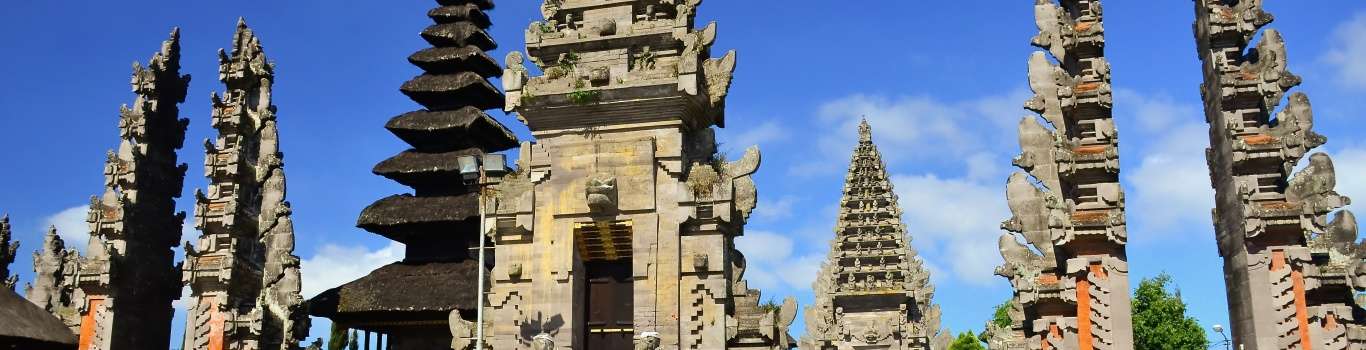
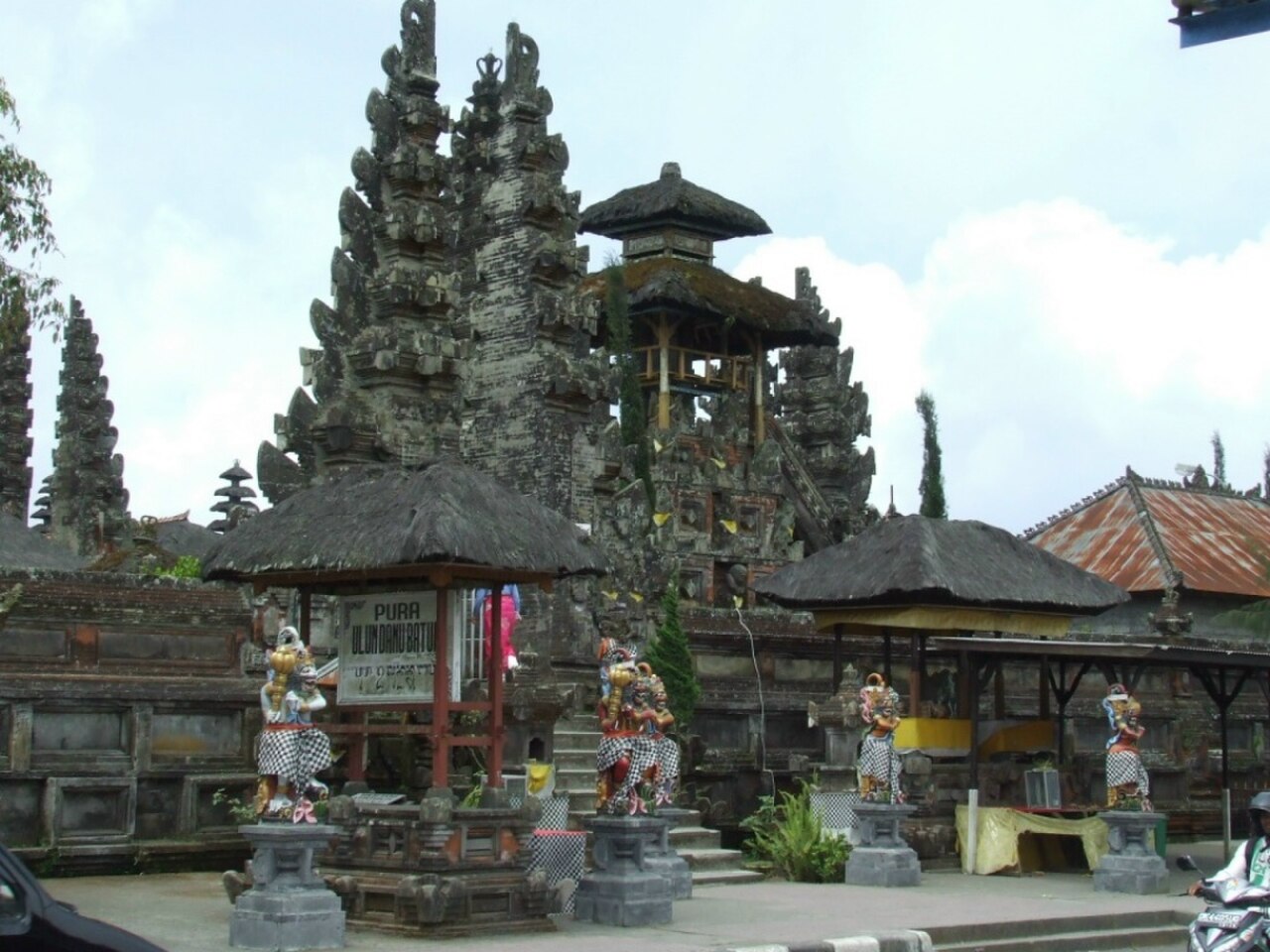
The temple's architecture reflects the Balinese style characteristic of the island's sacred spaces. It has been recognized as part of a UNESCO World Heritage Site, acknowledging its cultural and architectural value within the broader context of Balinese heritage.
Location and Access
The temple is located in Batur Selatan, within the Kintamani district of Bali. The address is Jalan Raya Penelokan, Batur Selatan, Kintamani, Bali 80256, Indonesia. The Kintamani region sits at elevation, offering views across the volcanic landscape that characterizes this part of Bali. Visitors should plan their journey with attention to road conditions and travel time from major towns, as the temple's location places it somewhat removed from the island's coastal tourist centers.
Visiting Hours and Practical Information
The temple is open daily from 07:00 to 17:00. However, visitors should note that these hours may be altered during Nyepi, the Balinese Day of Silence, when normal activities across the island cease. It is advisable to check locally or contact the temple before visiting if your trip coincides with this significant observance.
Specific information regarding entry fees, dress codes, and facilities at the temple is not detailed in available sources. Visitors should assume that standard temple etiquette applies: modest dress covering shoulders and knees is typically expected at Hindu temples in Bali, and respectful behavior within the sacred compound is essential. Carrying sarongs or shawls to cover legs if needed is practical. Shoes are generally removed before entering inner sanctums. Visitors are encouraged to inquire locally about any specific protocols or restrictions that may apply on the day of their visit.
The Temple Setting
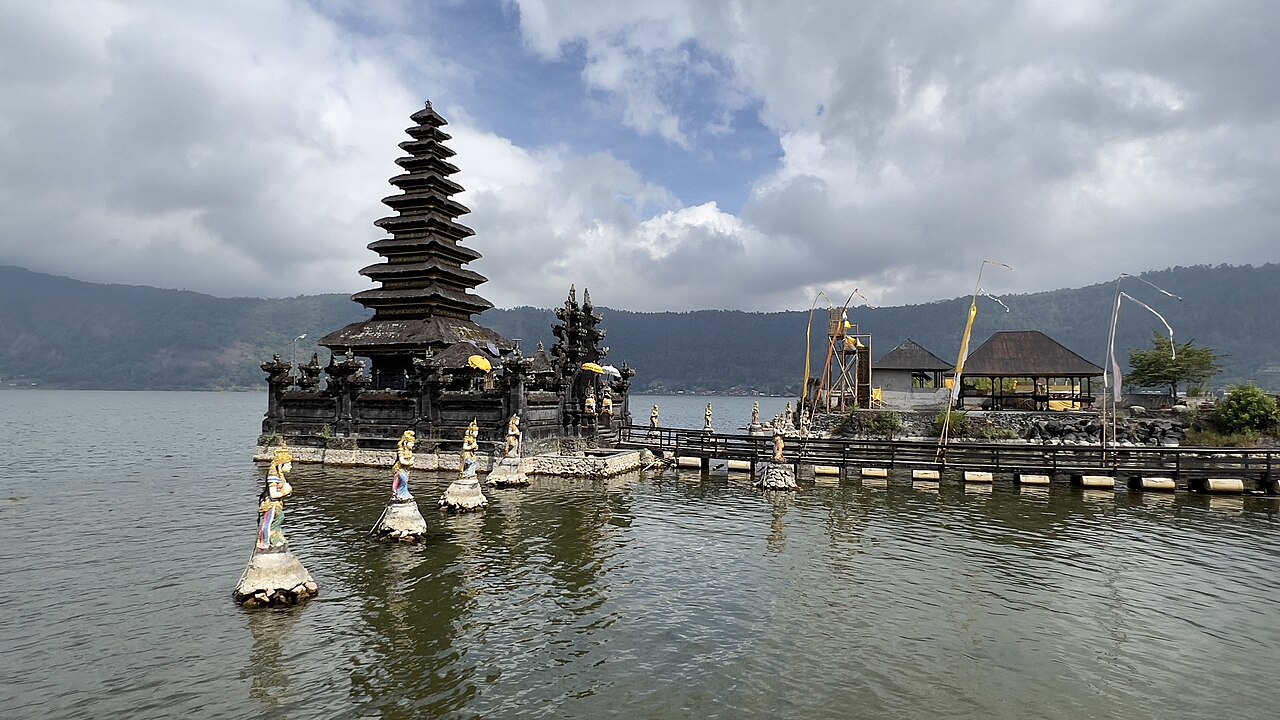
The temple's position in the Kintamani highlands provides a distinctive environment for worship and pilgrimage. The proximity to Lake Batur and the surrounding volcanic terrain creates a landscape that devotees and visitors experience as intrinsically connected to the temple's spiritual purpose. The elevation and natural setting contribute to the temple's character as a place where the divine and the natural world meet.
The architectural layout follows Balinese temple design principles, organizing sacred space in ways that reflect cosmological understanding. The temple compound would typically include multiple courtyards and shrines arranged according to directional and hierarchical principles important to Balinese Hindu practice.
Planning Your Visit
Visitors should arrive during the stated opening hours and allow adequate time for the journey to Kintamani. The temple's significance as a major pilgrimage site means that certain times may see larger gatherings of devotees, particularly during religious observances. Early morning visits may offer a quieter experience and cooler temperatures given the elevation.
Bring water and sun protection, as the highland location offers limited shade in many areas. Photography policies should be confirmed upon arrival, as sacred spaces often have restrictions on image-making in certain areas. Respectful observation of any rituals or ceremonies in progress is important; visitors should not intrude upon active worship or block sightlines for devotees.
How to reach


You may also visit
Sureshwari Devi Temple
Sureshwari Devi Temple in Haridwar is a forest shrine dedicated to the goddess, situated within the Ranipur Range area near Rajaji National Park, offering a secluded spiritual e…
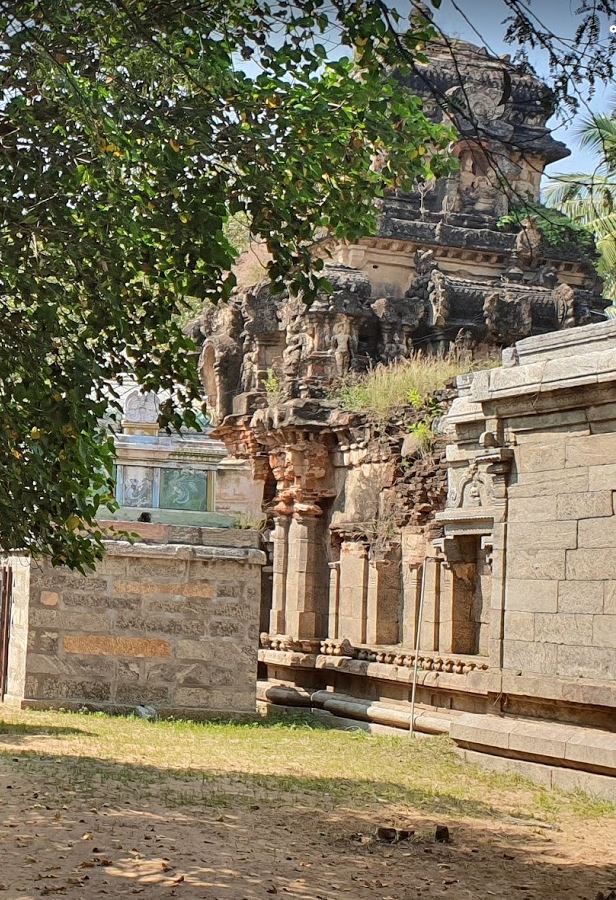
Agatheeswarar Temple, Karur
Agatheeswarar Temple in Thirumukkudalur, Karur district, is an ancient Hindu shrine dedicated to Shiva, situated at the sacred confluence of three rivers and believed to be over…

Shani Shingnapur
Shani Shingnapur is a renowned temple in Maharashtra dedicated to Lord Shani, featuring a self-emerged black stone idol worshipped under open sky. The temple is located in a uni…

Kamaksha
Arulmigu Kamakshi Amman Temple in Mangadu, near Chennai, is dedicated to the goddess Kamakshi, an aspect of Adi Parashakti. According to legend, the goddess performed austeritie…
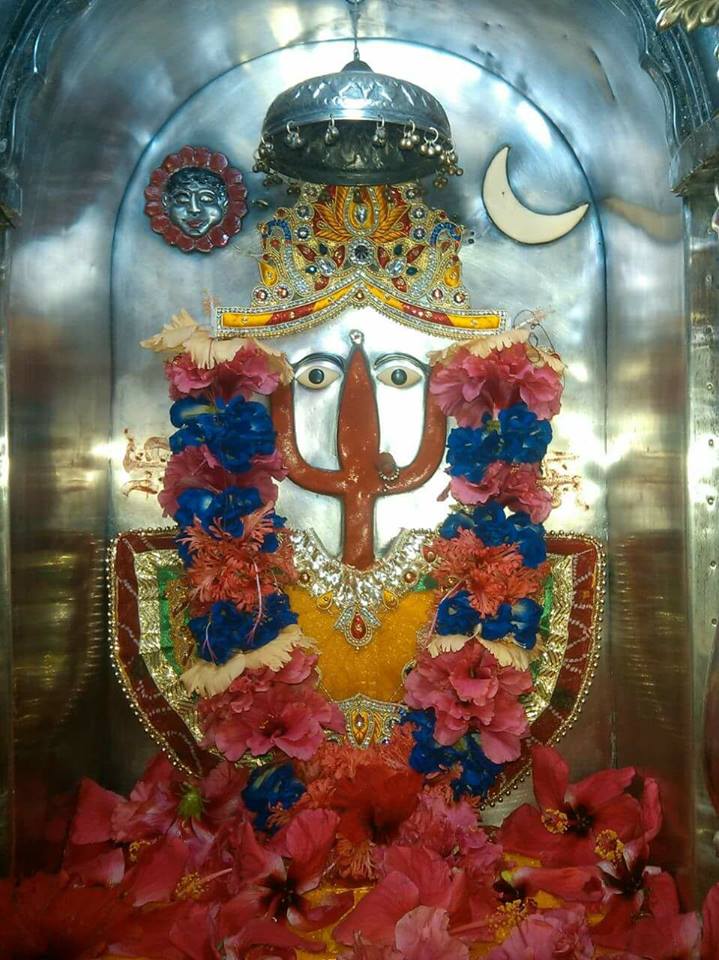
Guhaditya temple
Guhaditya temple in Dwarka is an ancient shrine dedicated to the sun deity, established over 150 years ago. Pilgrims enter through the Swarg Dwar (Gateway to Heaven) and exit vi…
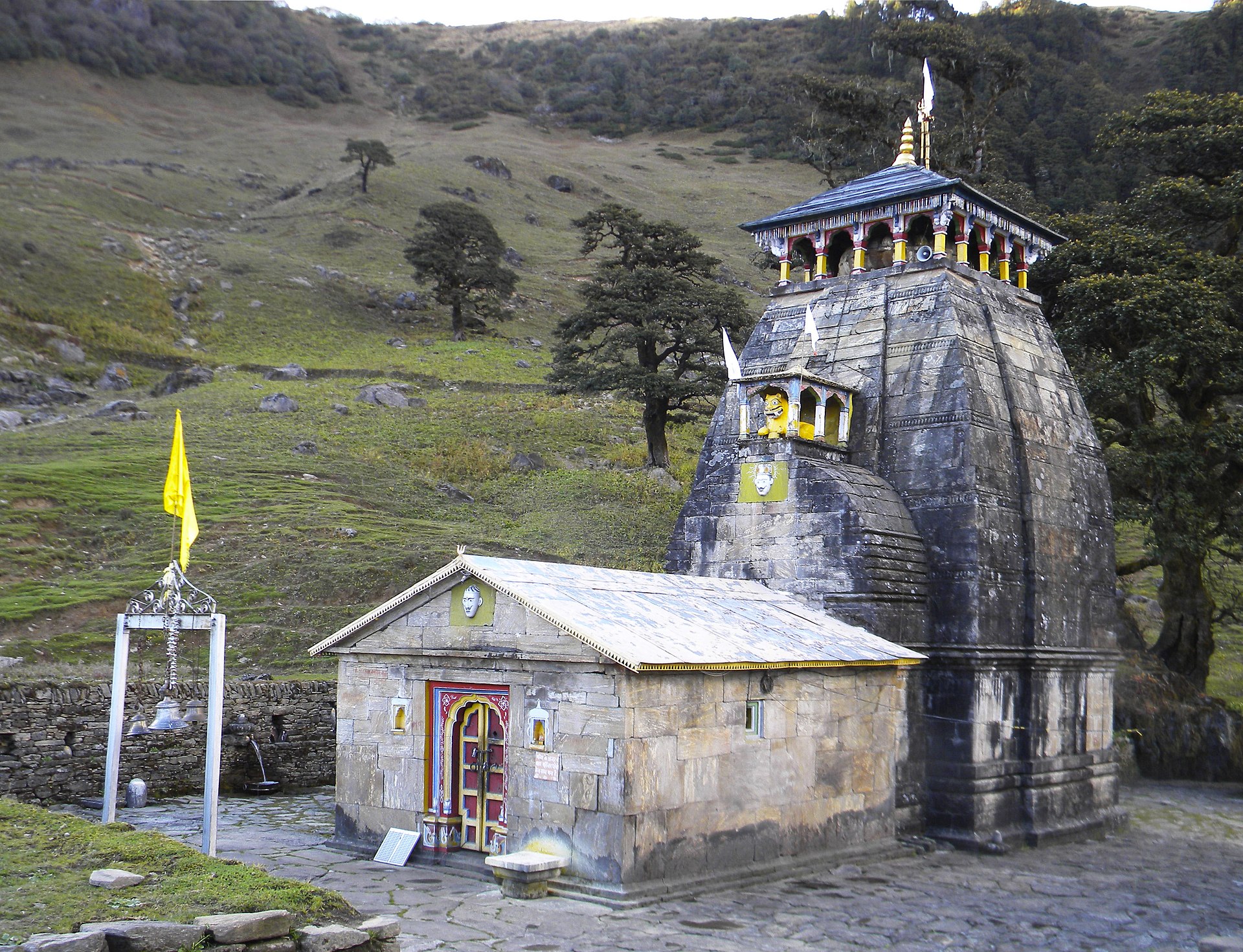
Madhyamaheshwar Temple
Madhyamaheshwar Temple is one of the five sacred Shiva shrines in the Panch Kedar pilgrimage circuit, located in the Garhwal Himalayas of Uttarakhand. Each temple in the circuit…