Pura Luhur Tamba Waras
About Pura Luhur Tamba Waras
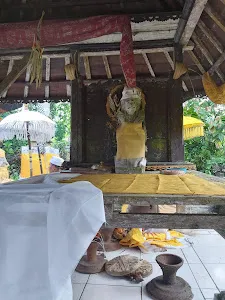
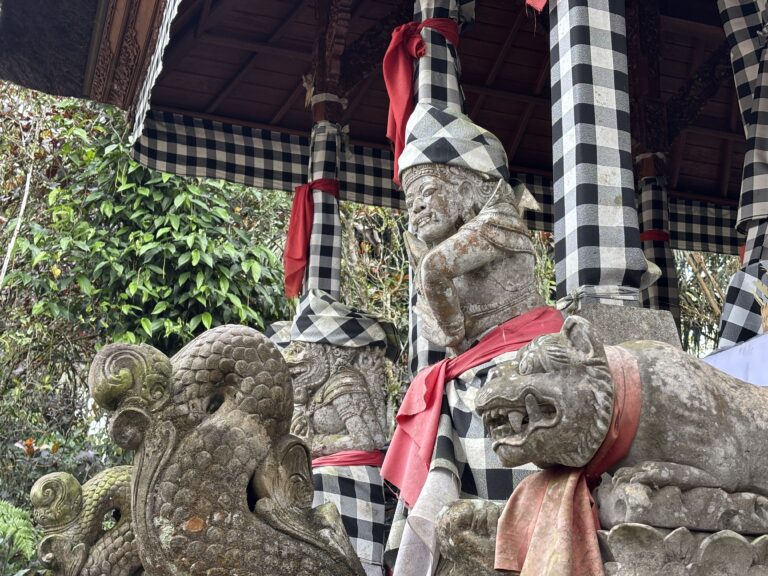
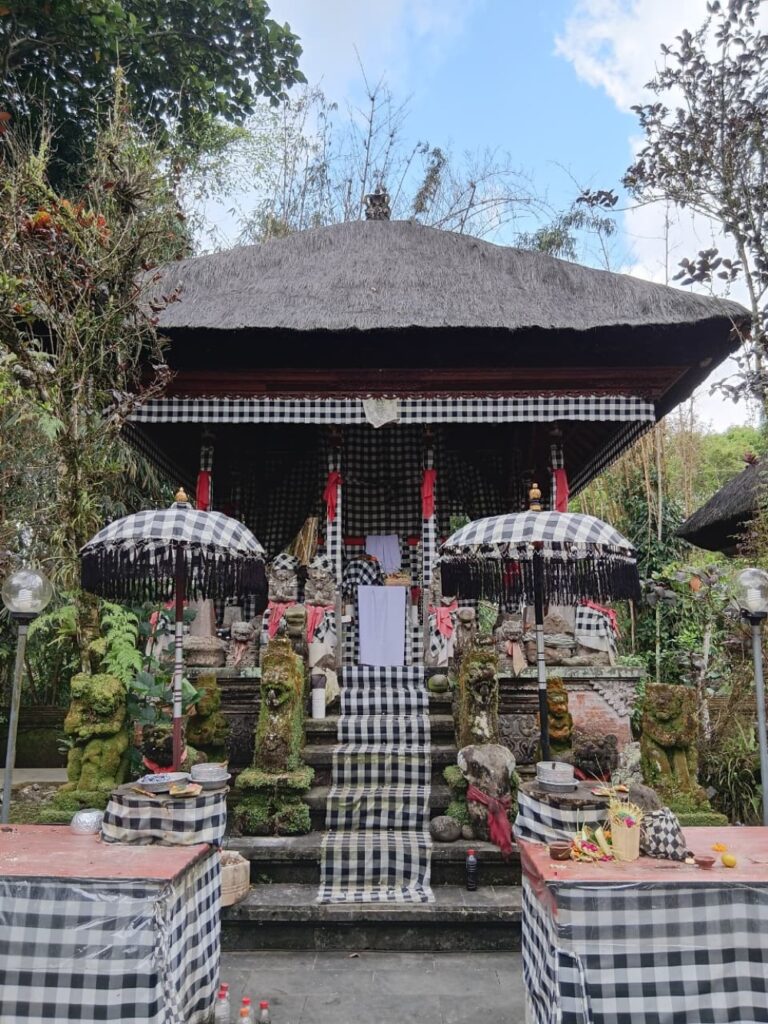
The temple is understood within its community as a repository of healing power, functioning as what the sources describe as "the pharmacy of the universe." This characterization shapes the temple's entire design and ritual life. The various structures and water sources throughout the complex serve purposes connected to spiritual and physical healing. Devotees visit to seek wellness through ritual purification and the use of sacred water believed to carry healing properties.
The temple contains multiple water purification areas (beji), each serving distinct ritual functions. The Beji Kauh on the western side provides space for ritual cleansing (melukat). The Beji Kangin to the east serves both ceremonial purposes and the collection of sacred water (tirta). Most significantly, the Beji Pingit—a highly sacred bathing area with strict protocols—holds water believed to possess particularly potent spiritual vibrations for ritual use. The Pancoran Sapta Gangga, a series of seven water spouts symbolizing the seven sacred rivers, forms the spiritual heart of healing practice at the temple, where devotees bathe to seek recovery of body and spirit.
Temple Layout and Architecture
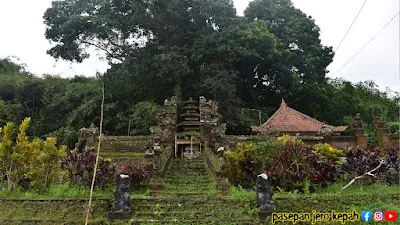
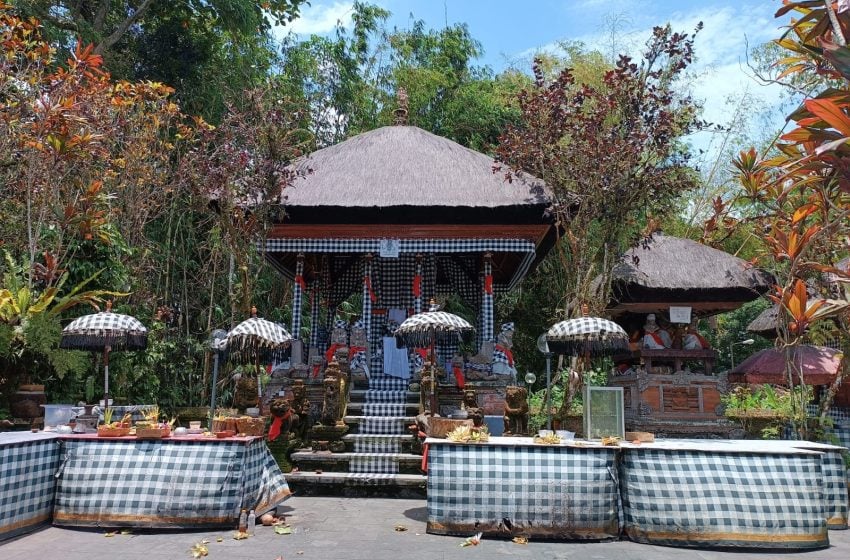
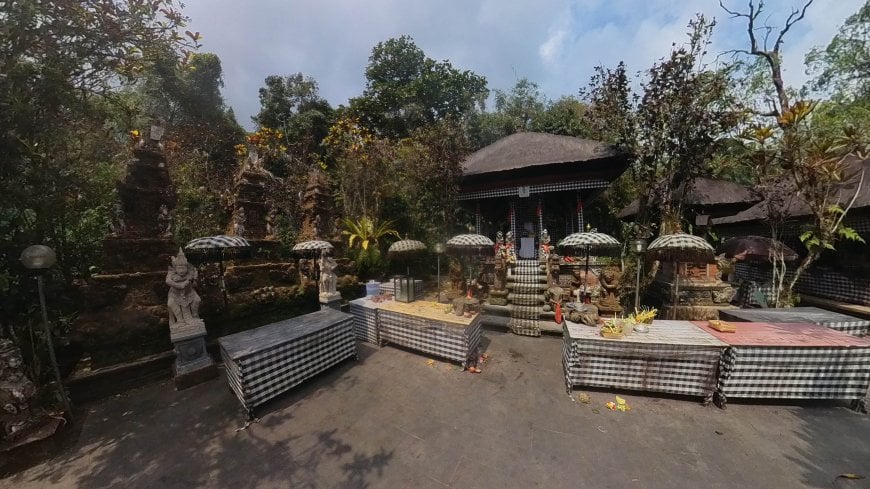
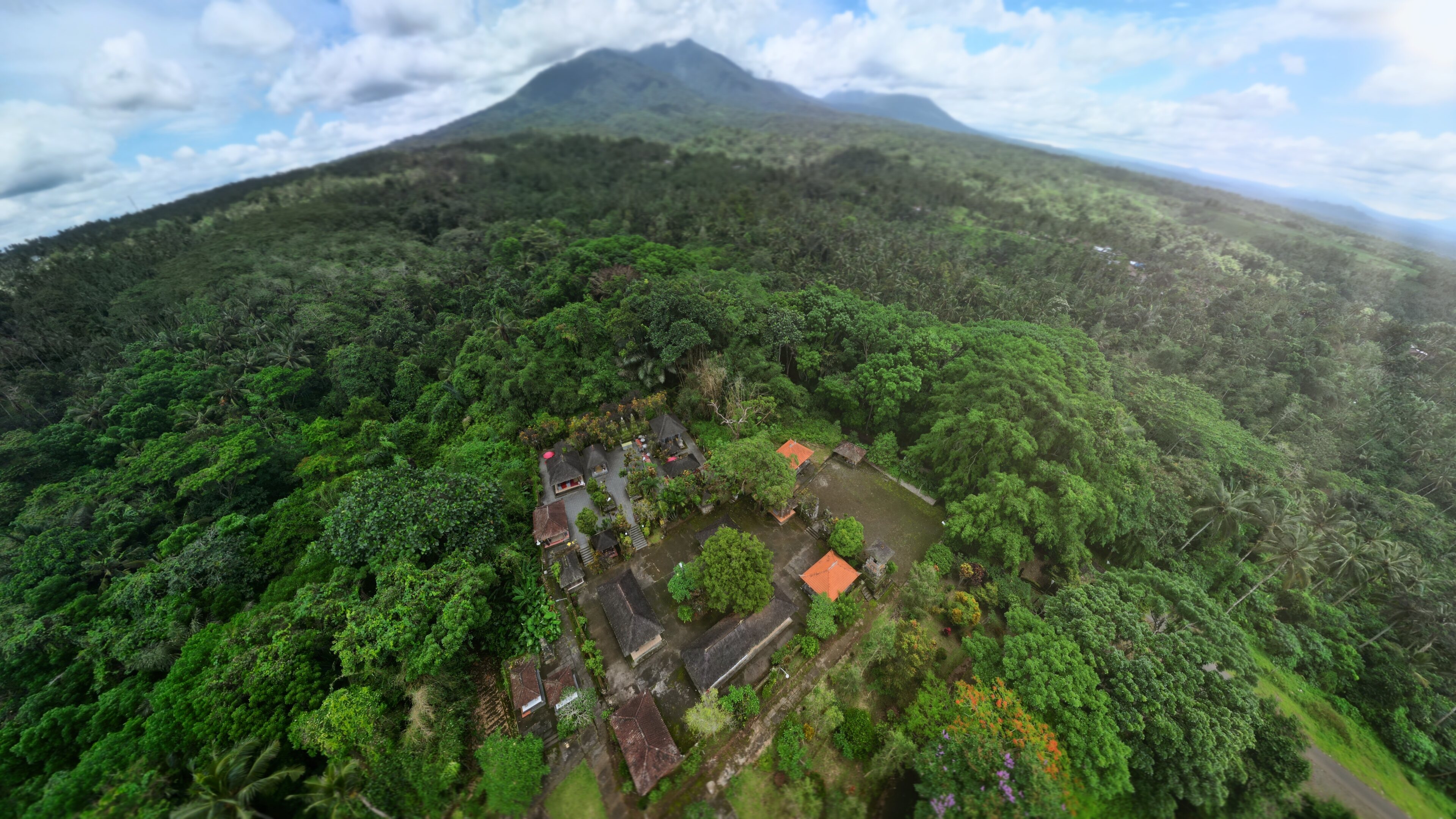
Like other Balinese temples, Pura Luhur Tamba Waras follows the mandala system of spatial organization, dividing the complex into three zones of increasing sacredness. The Nista Mandala forms the outermost area, functioning as a transition space where visitors prepare themselves spiritually before entering more sacred precincts. The Madya Mandala occupies the middle ground, containing support structures for rituals and spaces for preparing ceremonial offerings. The Utama Mandala represents the innermost and most sacred zone, where the principal deity (Ida Bhatara) resides and where devotees perform their most focused worship.
The water purification areas are distributed throughout the complex according to their ritual significance and function, with the most restricted areas maintaining the strictest access protocols.
Visiting the Temple
The temple is open daily from 08:00 to 17:00. Visitors should dress respectfully, covering shoulders and knees—a standard requirement at Balinese temples. Many temples provide sarongs and sashes for those who need them, though it is courteous to inquire. Shoes are typically removed before entering the most sacred areas.
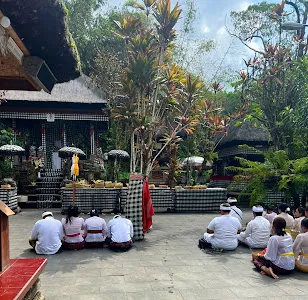
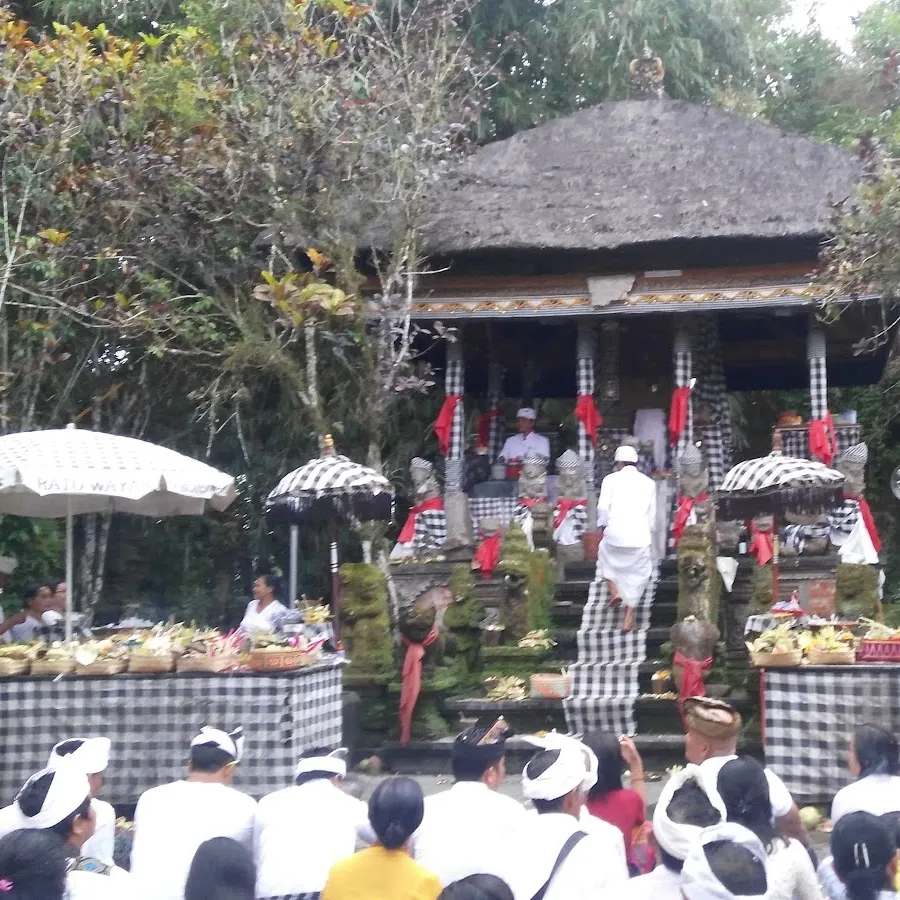
Visitors should approach the temple with awareness that this is an active place of worship and healing practice, not primarily a tourist site. Photography may be restricted in certain areas, particularly the innermost sanctums and during active rituals. It is appropriate to ask permission before photographing. The temple's water sources are sacred; visitors should not treat them casually or enter them without understanding their ritual significance and obtaining guidance from temple staff or priests.
Reaching the Temple
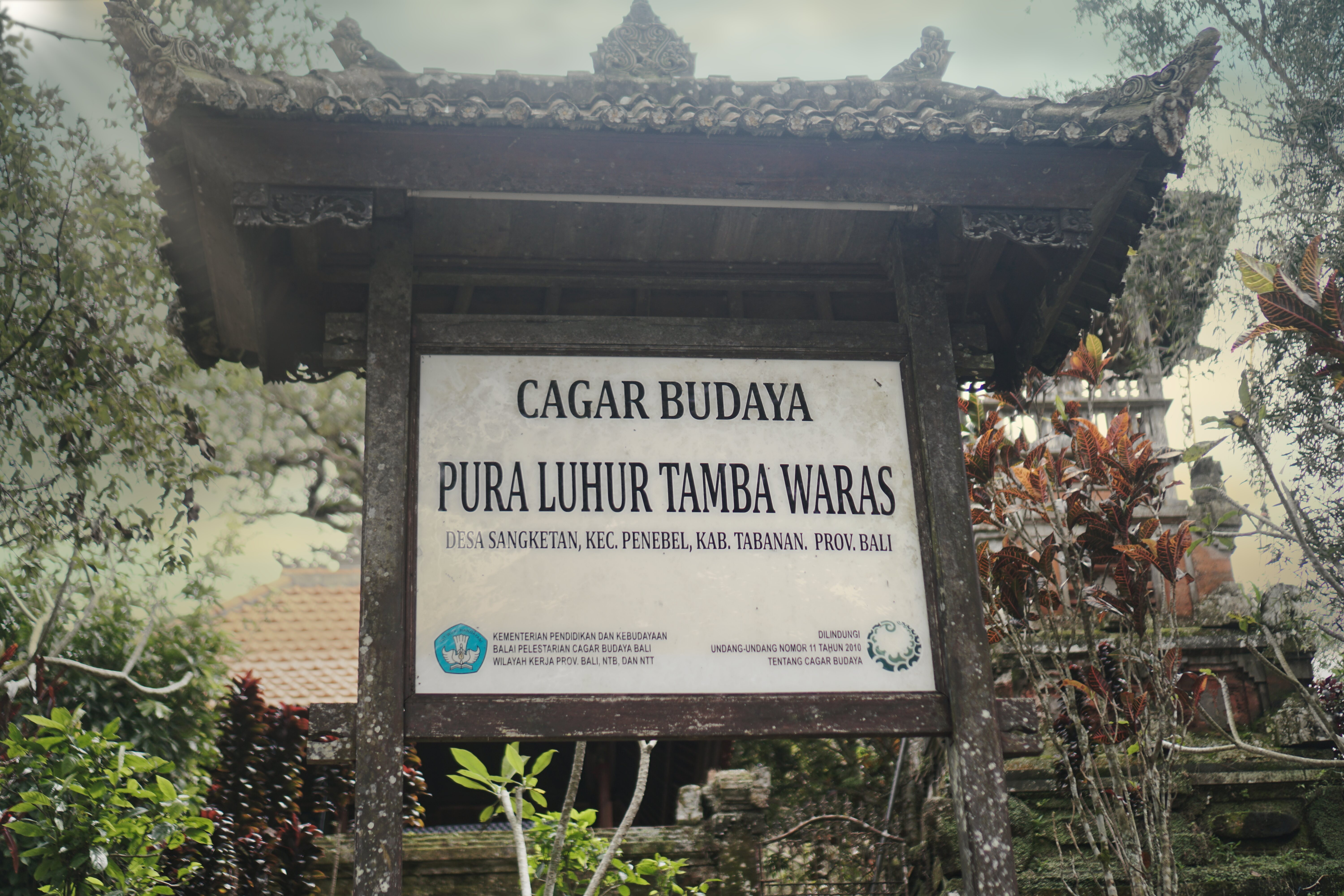
Pura Luhur Tamba Waras is located at coordinates -8.41093, 115.09104 in Sangketan village. The address is Sangketan, Penebel, Tabanan Regency, Bali 82152, Indonesia. Most visitors reach the temple by private vehicle or arranged transport from other parts of Bali, as public transportation to this location is limited. The journey takes visitors into the agricultural and mountainous interior of Tabanan, away from coastal tourist areas. Those traveling independently should verify current road conditions and directions locally, as rural temple locations can be challenging to navigate without local knowledge.
Digital Resources
The temple maintains an official website (puratambawaras.nusaheritage.id) offering virtual reality tours of the complex. These interactive 360-degree panoramic views allow visitors to explore the temple's layout and architecture before arrival, and provide detailed information about individual buildings, their functions, and spiritual significance. The site includes both self-guided navigation and live virtual guide options, making it a useful resource for understanding the temple's organization and purpose.
How to reach

Temples near Pura Luhur Tamba Waras
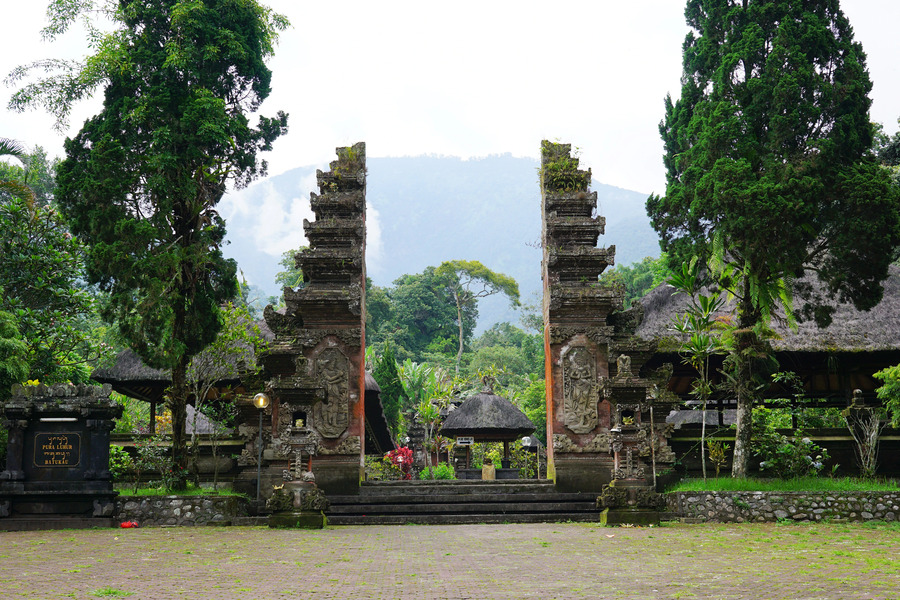
Pura Luhur Batukaru
Pura Luhur Batukaru is a remote and atmospheric directional temple perched at 800 metres on the southwestern slopes of Mount Batukaru, Bali's second-highest volcano, serving as…
Pura Luhur Pucak Petali
Pura Luhur Pucak Petali is a Kahyangan Jagat temple situated at 894 meters elevation in the highland village of Jatiluwih, Tabanan Regency, Bali, surrounded by forest and featur…
Pura Pucak Tedung
Pura Pucak Tedung is a sacred Balinese Hindu temple perched atop a hillside in Petang, Badung, offering spiritual ceremonies and panoramic views of lush mountain landscapes.

Puser Tasik Temple
Puser Tasik Temple is a Hindu temple located in Delod Peken, Bali, Indonesia, serving the local Hindu community with observance of major festivals throughout the year.
Pura Pucak Bukit Sari
Pura Pucak Bukit Sari is an ancient temple located within the sacred Sangeh forest in Badung, Bali, known for its integration with a natural sanctuary of monkeys and towering nu…

Pura Ulun Danu Bratan
Pura Ulun Danu Bratan is a major Hindu Shaivite temple complex situated on the shores of Lake Bratan in the mountainous Bedugul area of Bali, Indonesia, dedicated to Dewi Danu,…