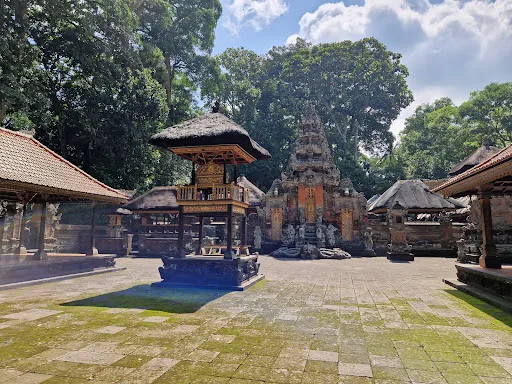
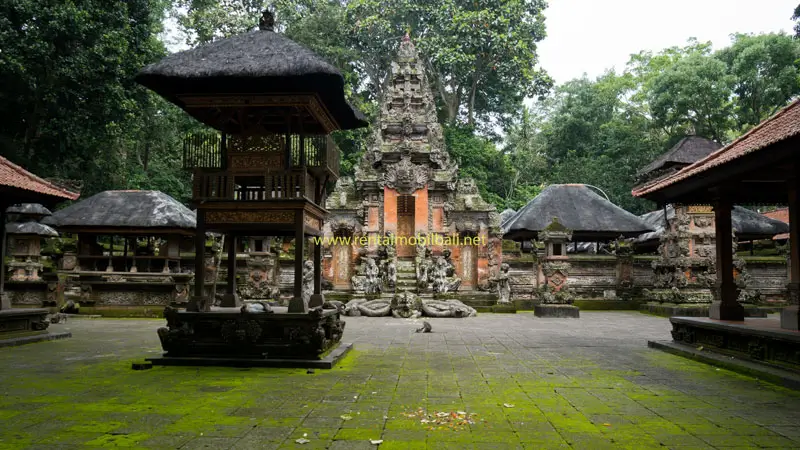
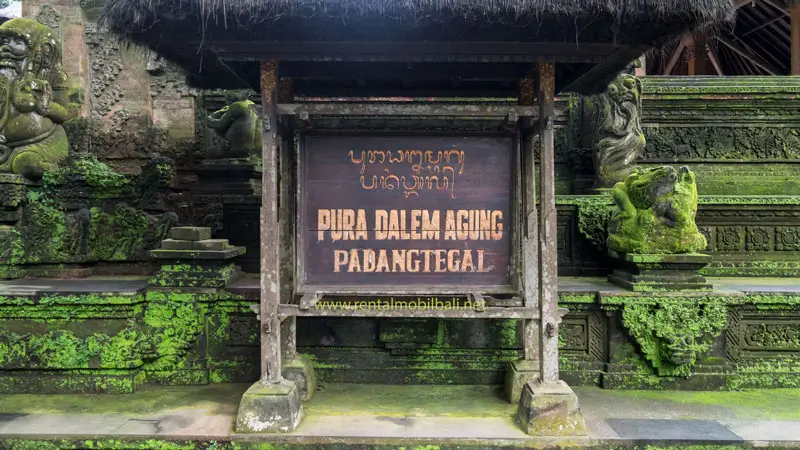
Pura Dalem Agung Padangtegal
About Pura Dalem Agung Padangtegal
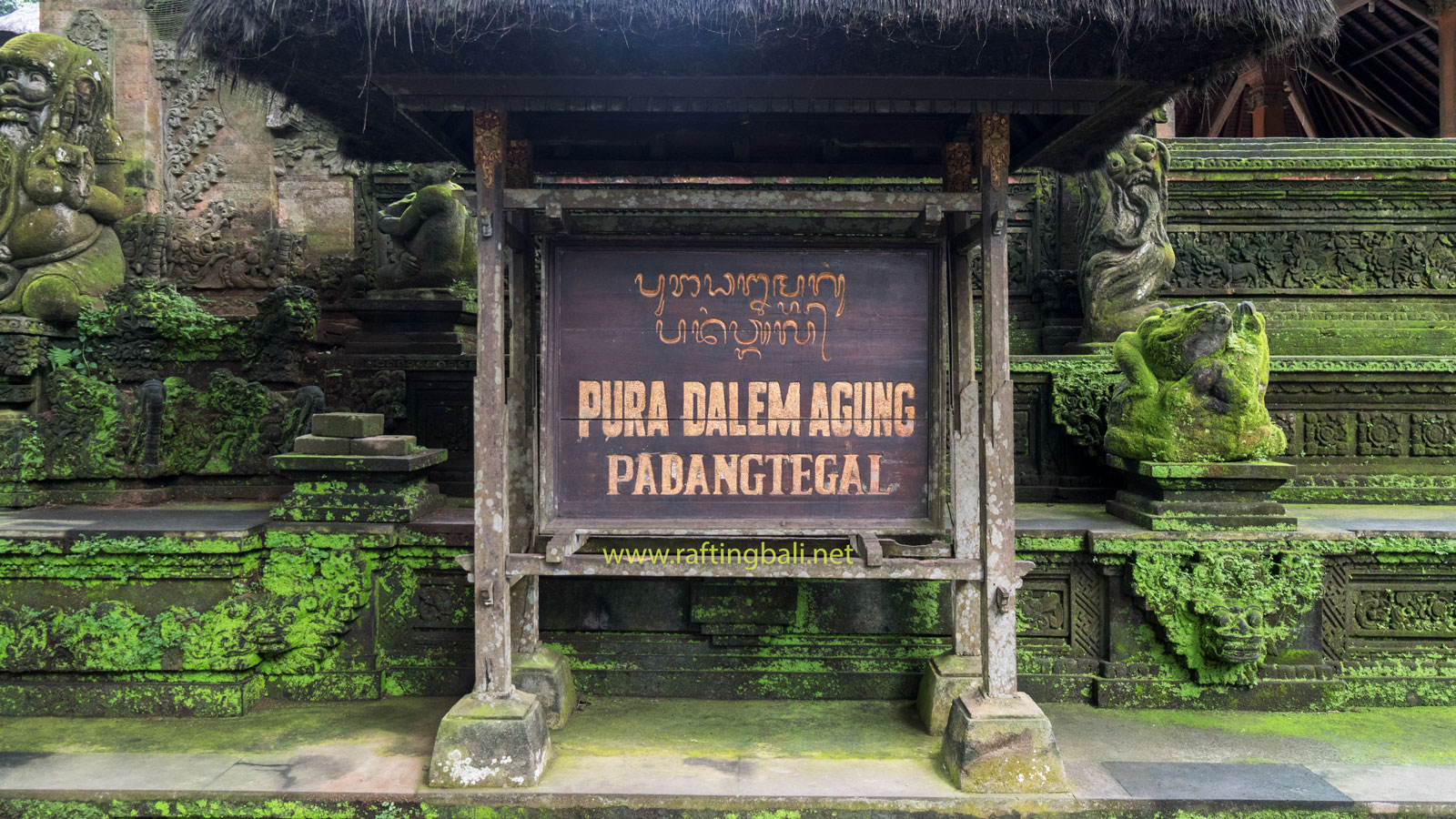
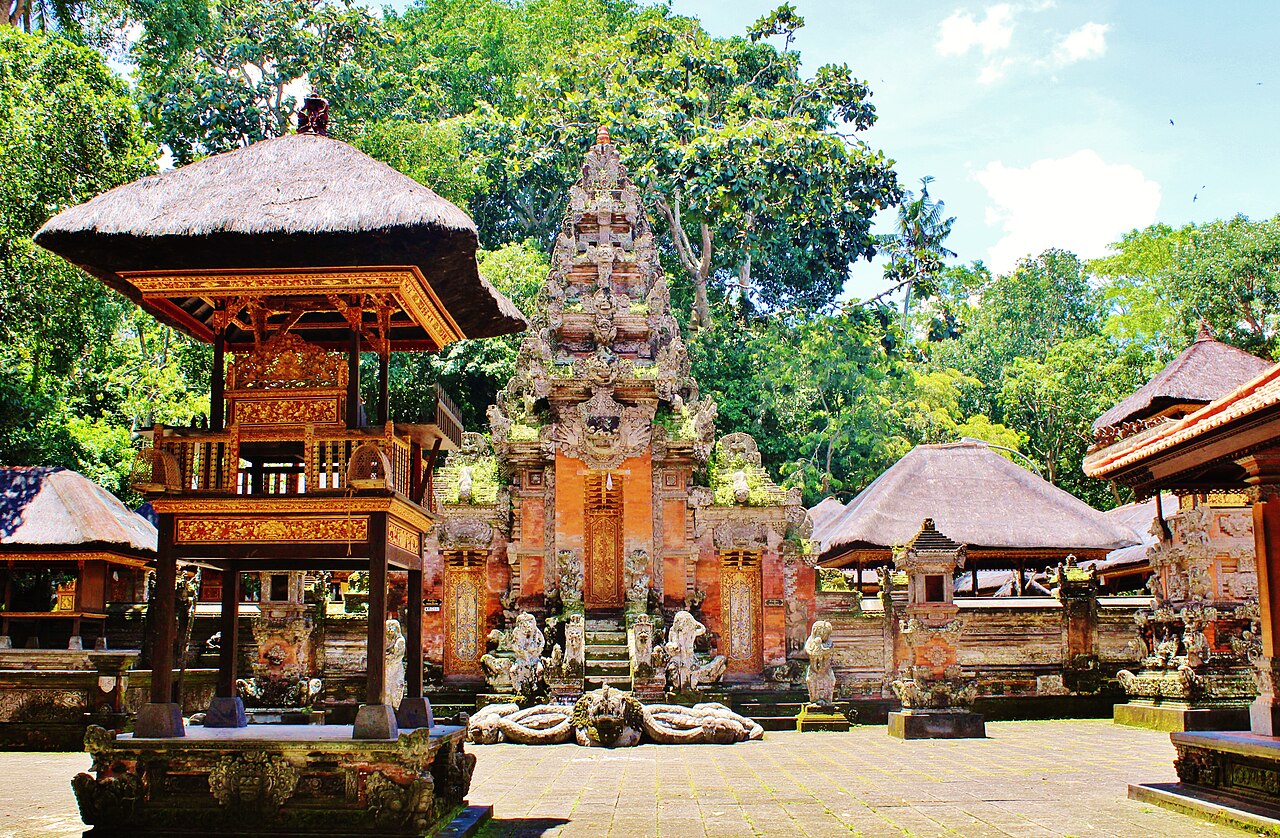
Like other Balinese Hindu temples, Pura Dalem Agung Padangtegal follows traditional architectural principles organized around courtyards and shrines. The temple's design reflects the cosmological ordering typical of Balinese sacred spaces, with structures arranged to honor both celestial and earthly realms. Visitors approaching the temple will encounter the characteristic gateways and courtyards that define Balinese temple geography.
The specific architectural details and sculptural elements of this temple remain largely undocumented in readily available sources. Visitors interested in understanding the temple's artistic and structural features are encouraged to observe carefully during their visit or consult with temple staff, who can provide insights into particular shrines and their significance.
Visiting Hours and Access
The temple is open Monday through Tuesday and Thursday through Sunday from 8:00 AM to 6:00 PM. The temple closes on Wednesdays. These hours allow visitors to experience the temple during daylight, though the best times for photography and observation are typically early morning or late afternoon when light is softer and crowds are fewer.
The temple's address is Jalan Nyuh Bojog (also referenced as Jl. Monkey Forest) in Ubud, Gianyar Regency. Its location near the Monkey Forest makes it accessible to visitors exploring that area. Visitors should plan their visit within the stated opening hours and allow time to move through the temple's courtyards at a respectful pace.
Conduct and Etiquette
Visitors to Balinese Hindu temples are expected to dress modestly. Sarongs and sashes are typically required or strongly recommended; many temples provide these for a small donation if visitors arrive without them. Shoulders and knees should be covered. Footwear is generally removed before entering inner sanctums, though practices vary by area within the temple.
Photography may be restricted in certain areas, particularly during active worship or in the innermost shrines. Visitors should ask permission before photographing and be sensitive to any restrictions posted or communicated by temple staff. The temple remains an active place of worship for the local community, so visitors should move quietly and avoid disrupting any rituals or prayers that may be taking place. Offerings and donations support temple maintenance; visitors wishing to contribute can do so respectfully.
The Monkey Forest Connection
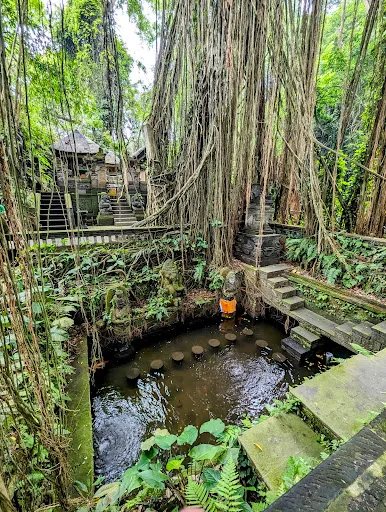
The temple's proximity to the Sacred Monkey Forest is a defining feature of its location. The forest and temple exist as interconnected elements of Ubud's spiritual and natural landscape. Visitors often explore both during a single outing, though they are separate sites with distinct purposes and management. The temple itself is a place of formal worship, while the forest serves as a nature reserve and sanctuary for the macaque population that inhabits it.
Understanding this relationship helps visitors appreciate how Balinese Hinduism integrates sacred architecture with the natural world. The coexistence of temple and forest reflects broader principles in which spiritual spaces are not cordoned off from nature but rather situated within it.
Planning Your Visit
Visitors should arrive during opening hours and allow at least 30 to 45 minutes to explore the temple respectfully. Bring a sarong or wear clothing that covers shoulders and knees. The temple is located in central Ubud, making it accessible by foot, bicycle, or local transport from most accommodations in the area. There is no entrance fee recorded, though donations are appreciated.
The temple's location on Jalan Nyuh Bojog places it within walking distance of Ubud's central market and cultural attractions. Combining a visit here with exploration of nearby sites—including the Monkey Forest and Ubud's art galleries and museums—creates a fuller picture of the region's cultural significance. Early morning visits offer the quietest experience and the best light for photography.
How to reach
You may also visit
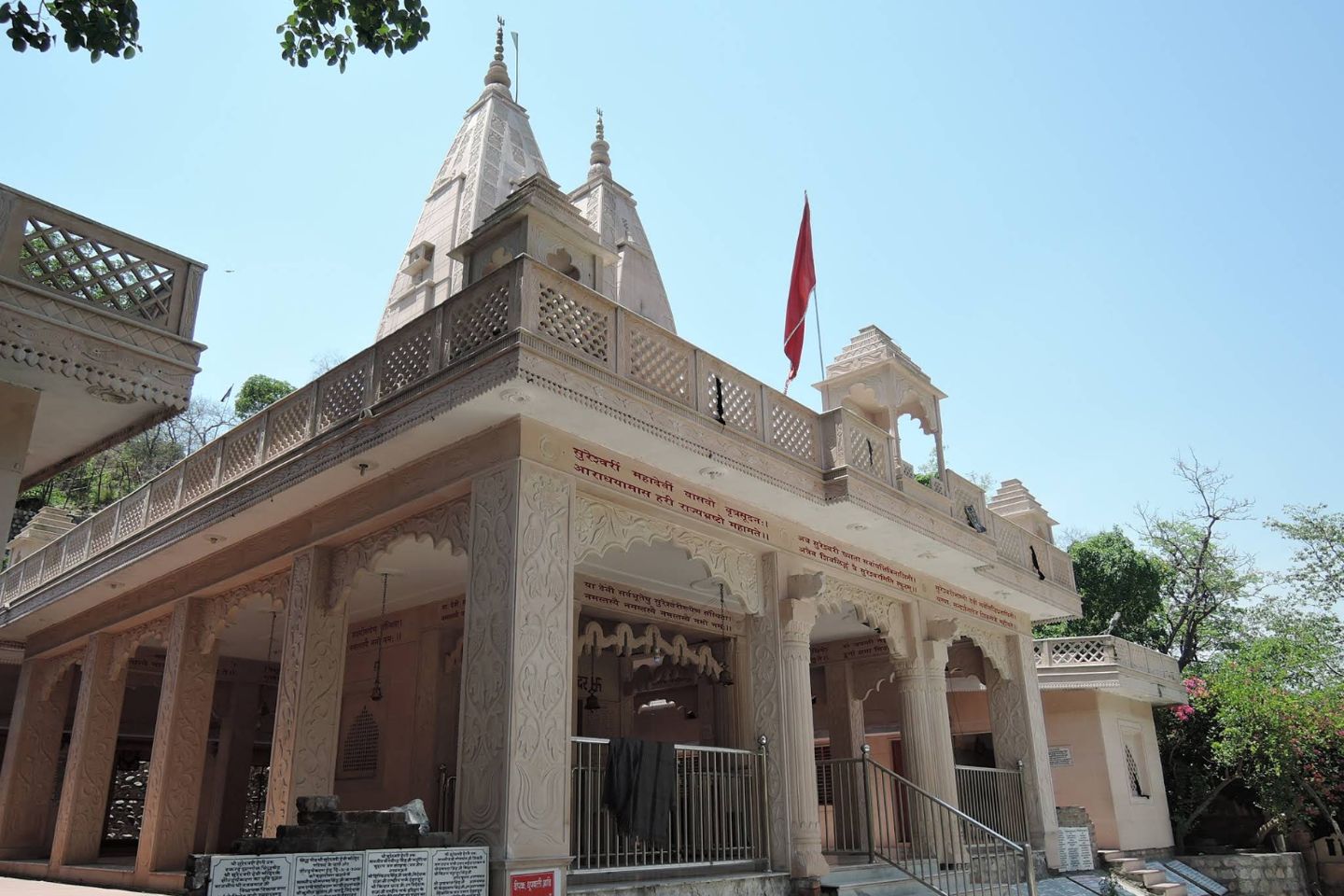
Sureshwari Devi Temple
Sureshwari Devi Temple in Haridwar is a forest shrine dedicated to the goddess, situated within the Ranipur Range area near Rajaji National Park, offering a secluded spiritual e…
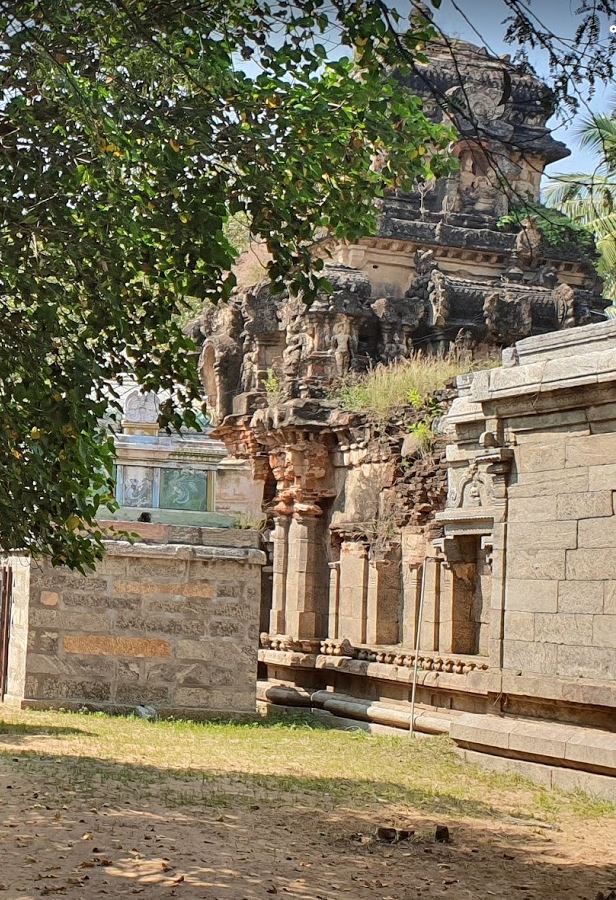
Agatheeswarar Temple, Karur
Agatheeswarar Temple in Thirumukkudalur, Karur district, is an ancient Hindu shrine dedicated to Shiva, situated at the sacred confluence of three rivers and believed to be over…

Shani Shingnapur
Shani Shingnapur is a renowned temple in Maharashtra dedicated to Lord Shani, featuring a self-emerged black stone idol worshipped under open sky. The temple is located in a uni…
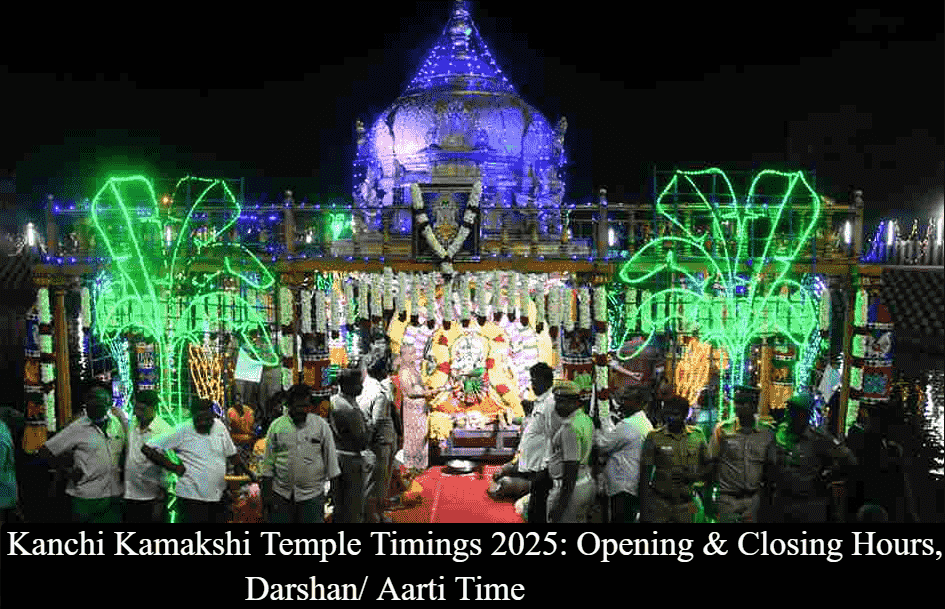
Kamaksha
Arulmigu Kamakshi Amman Temple in Mangadu, near Chennai, is dedicated to the goddess Kamakshi, an aspect of Adi Parashakti. According to legend, the goddess performed austeritie…
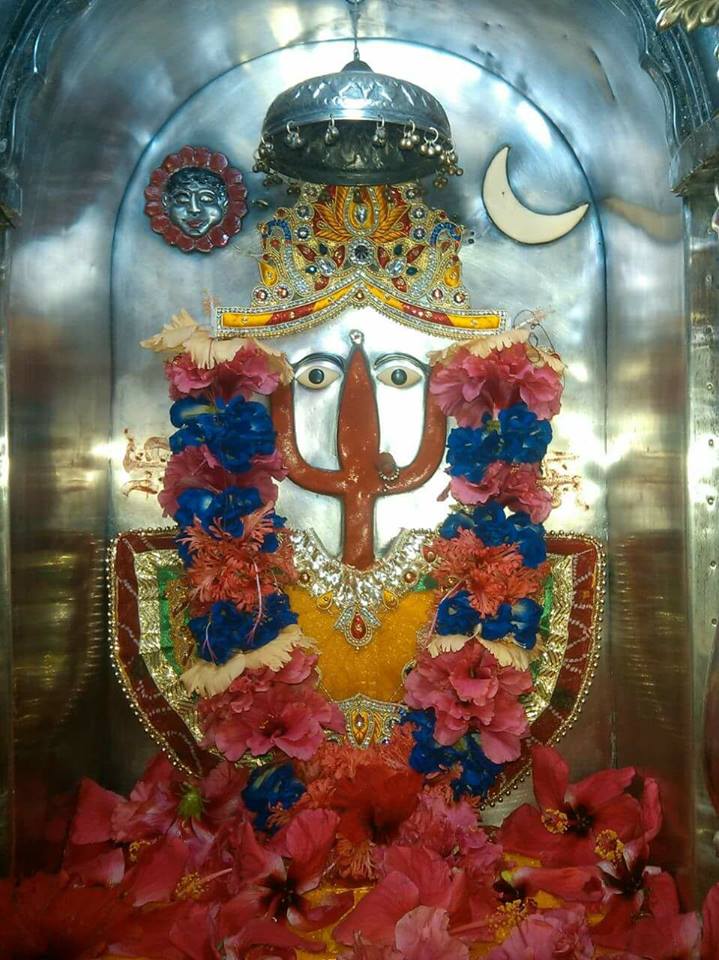
Guhaditya temple
Guhaditya temple in Dwarka is an ancient shrine dedicated to the sun deity, established over 150 years ago. Pilgrims enter through the Swarg Dwar (Gateway to Heaven) and exit vi…
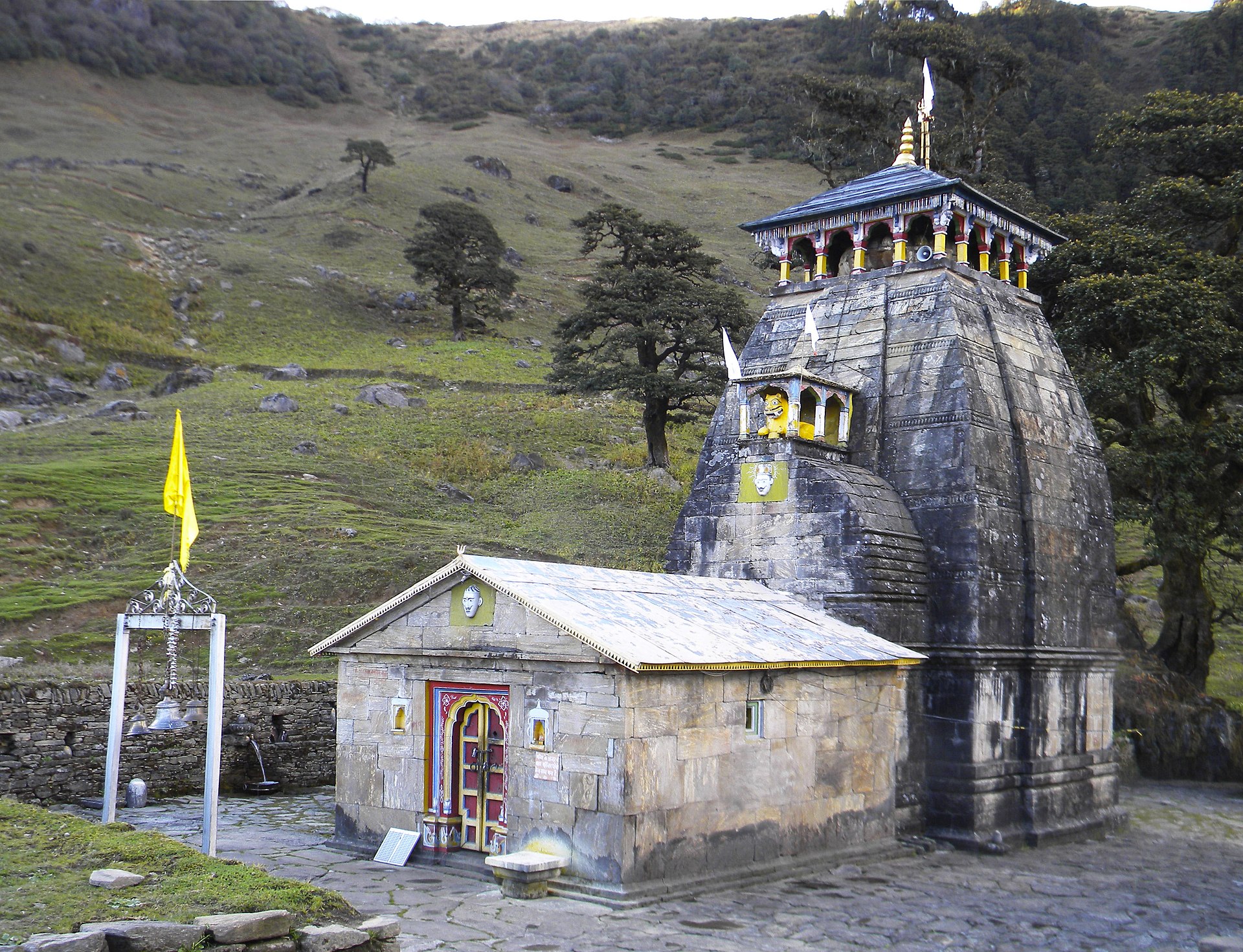
Madhyamaheshwar Temple
Madhyamaheshwar Temple is one of the five sacred Shiva shrines in the Panch Kedar pilgrimage circuit, located in the Garhwal Himalayas of Uttarakhand. Each temple in the circuit…