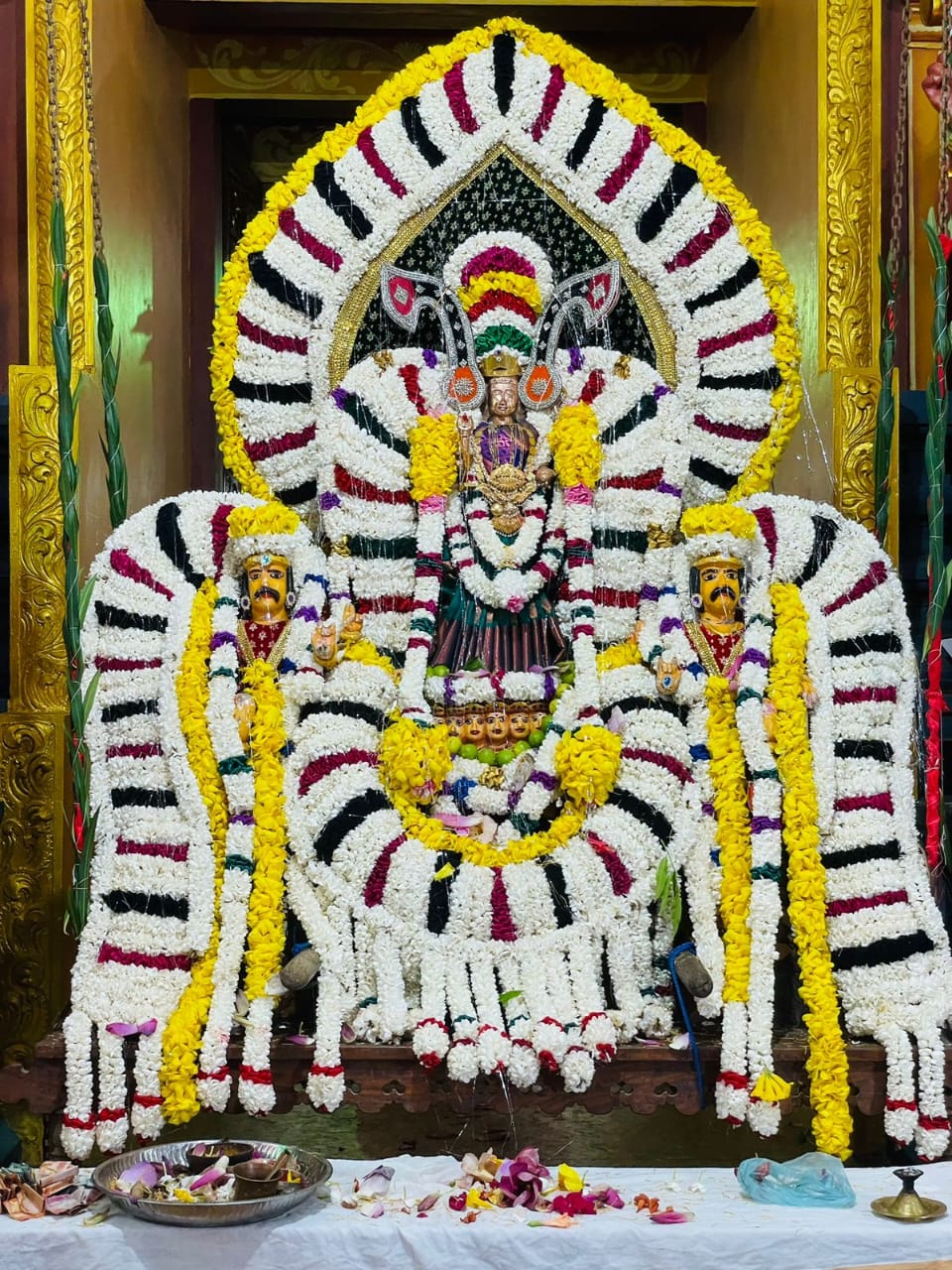
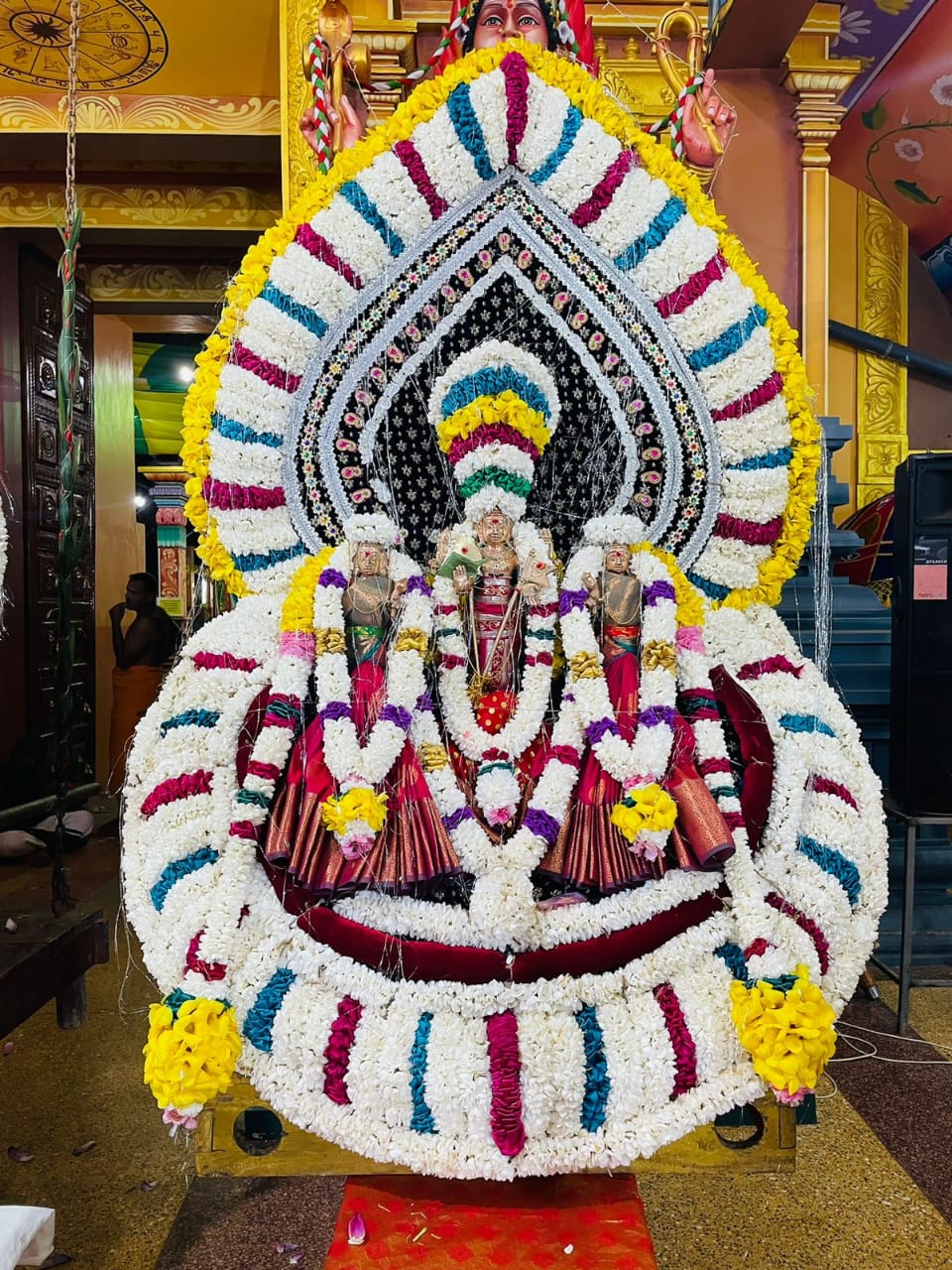
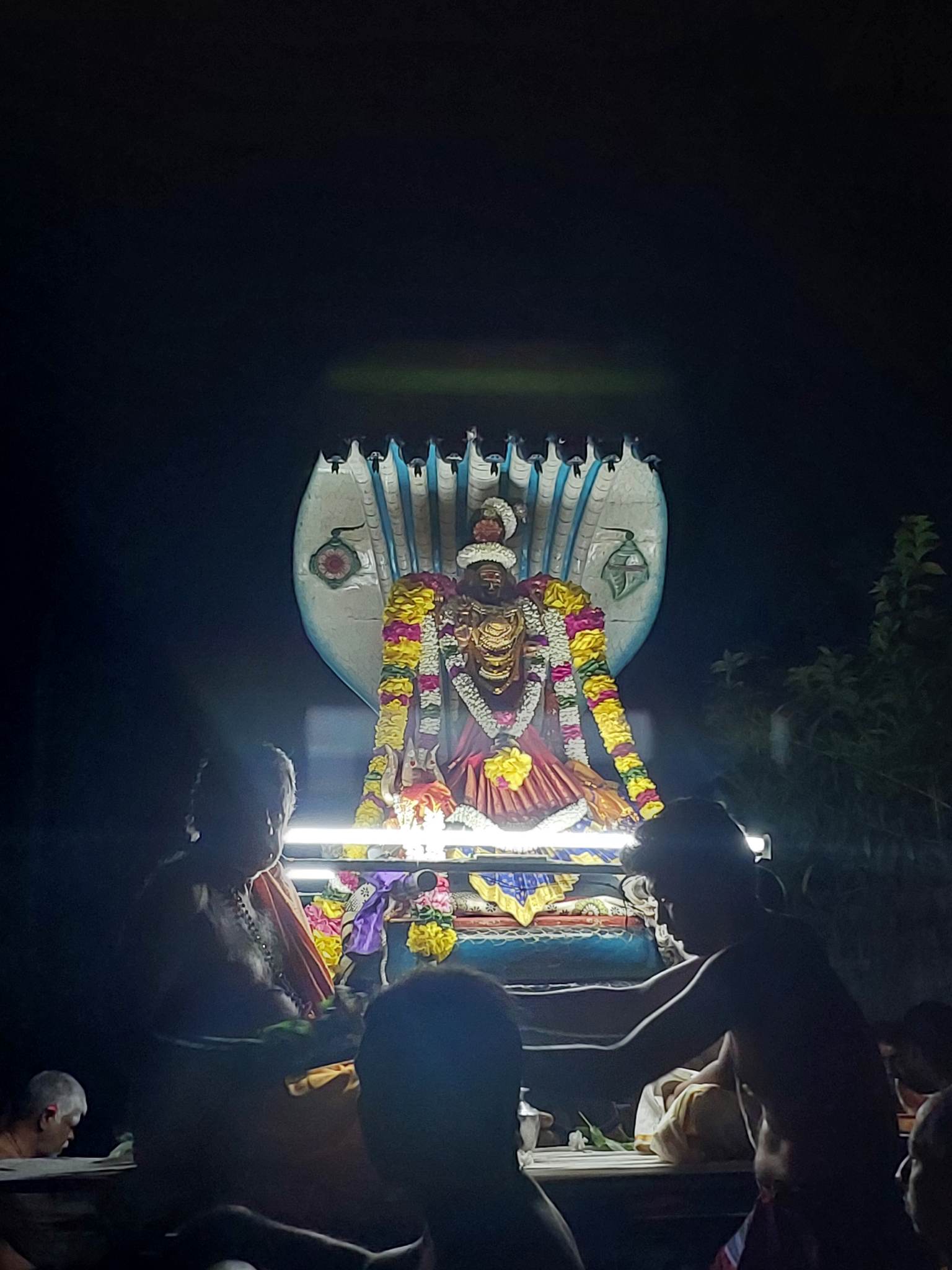
Pathirakali Amman Temple
About Pathirakali Amman Temple
The temple was established in the 11th century, placing it within the period of Chola cultural and architectural influence. Its design reflects Dravidian architectural traditions characteristic of that era. The temple's structure and layout are consistent with the broader Dravidian style typical of Hindu temples from this period and region, though the sources do not detail specific architectural elements. The iluppai tree (also known as the mahua tree) serves as the temple's sacred tree, rooted within the sanctum itself. This integration of natural and built elements is characteristic of Hindu temple design, where particular trees often hold symbolic and spiritual significance within the sacred precinct.
Daily Worship and Visiting Hours
The temple maintains consistent daily timings for devotees and visitors. Morning worship runs from 06:30 to 12:00, while evening hours operate from 16:00 to 18:30. The temple closes during midday hours, so visitors should plan accordingly. As with most Hindu temples, modest dress is expected—covering shoulders and knees is standard practice. Shoes are typically removed before entering the inner sanctum, though specific practices may vary for different areas of the temple complex. Visitors should inquire locally about any particular protocols specific to this temple's customs.
The Mahotsavam Festival
The temple's principal festival, the Mahotsavam, occurs during the third week of March and spans approximately ten to fifteen days. The festival culminates in a chariot procession, representing the most vibrant expression of the temple's religious and cultural life. This period offers the richest opportunity to experience the temple's significance and the devotion it inspires, though visitors should expect larger crowds during festival days. Those planning a visit specifically to witness the temple's major celebrations should time their journey accordingly, keeping in mind that accommodation and local services may be busier during this period.
Location and Access
The temple is located in Maruthampulam, Polikai, in the Jaffna District of Sri Lanka's Eastern Province. It sits approximately 2 kilometers from Trincomalee Railway Station and near Trincomalee Hindu College, both useful landmarks for navigation. The central location makes the temple accessible by cab or auto-rickshaw from the railway station or other parts of town. Visitors arriving by rail will find the journey straightforward, typically requiring around 30 minutes including travel time from the station.
Practical Information for Visitors
Before visiting, confirm current opening hours locally, as temple timings can occasionally vary. The temple maintains an active community presence and website presence through which additional information may be available. Visitors should be prepared for the possibility of larger crowds during festival periods and plan their visit timing accordingly. As the temple is part of a larger sacred complex, exploring the broader Koneswaram Temple compounds may enrich a visitor's understanding of Trincomalee's religious significance. Those with specific questions about rituals, offerings, or particular practices are encouraged to inquire respectfully with temple staff or local devotees upon arrival.
How to reach
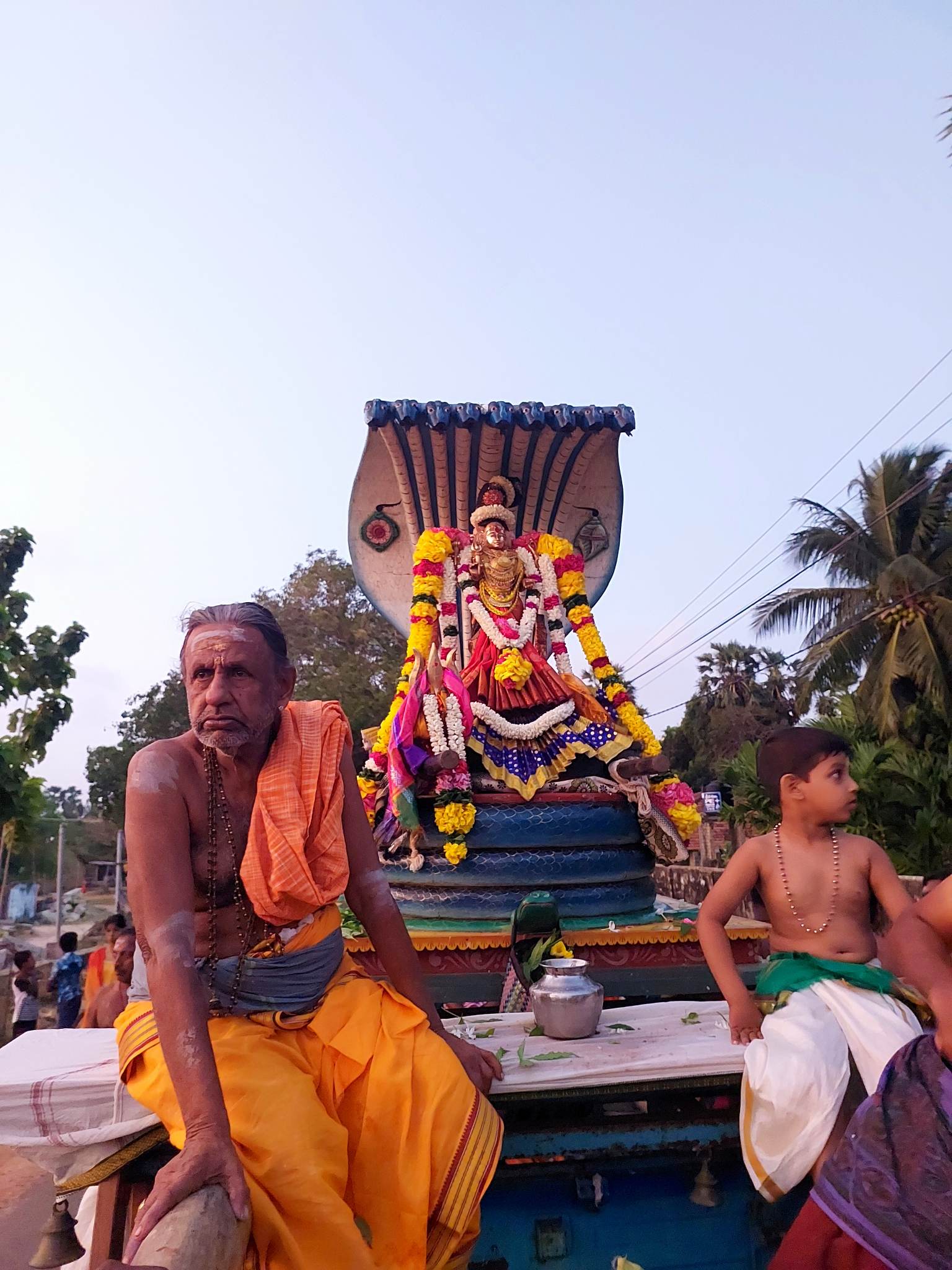
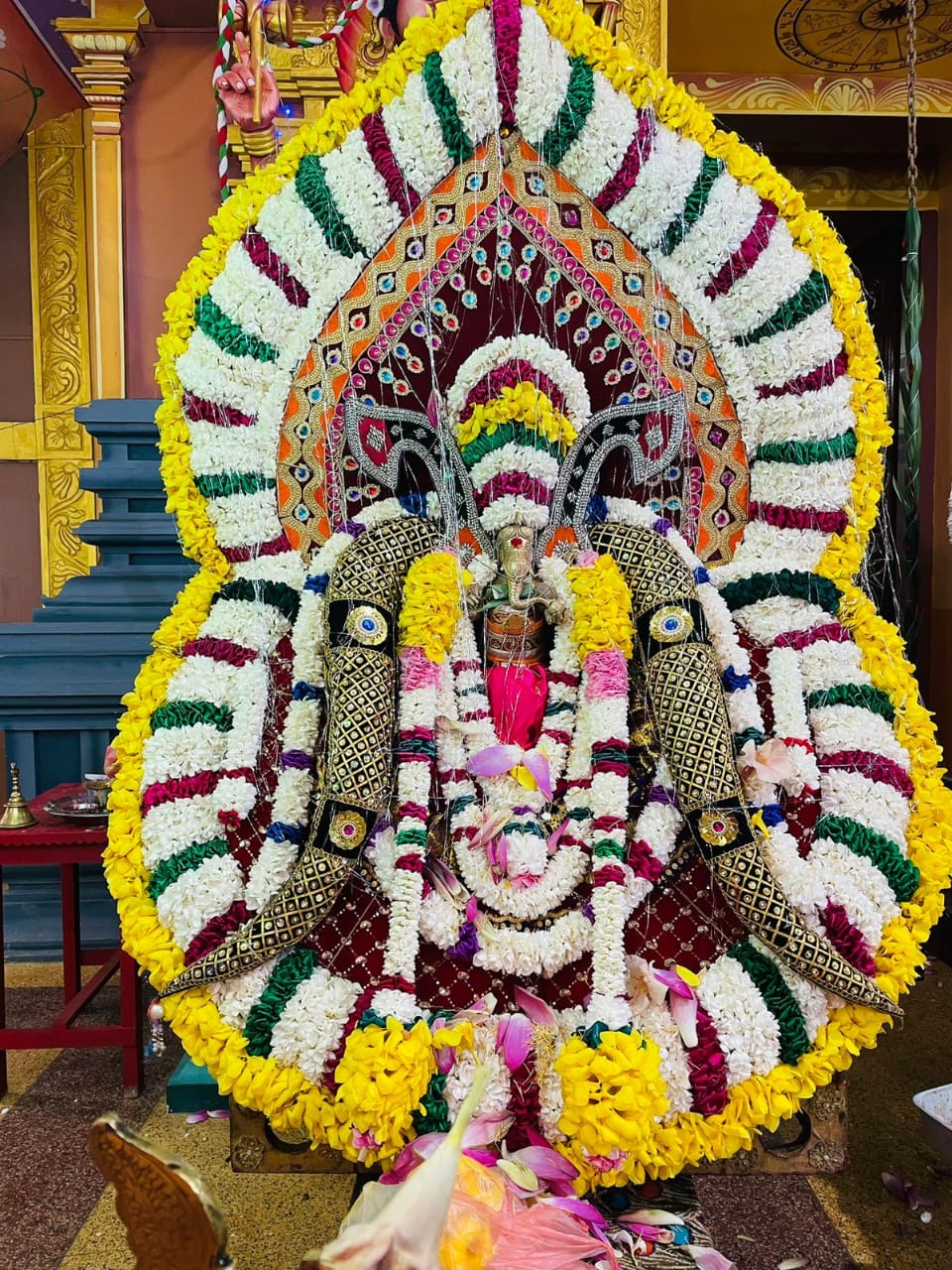
Temples near Pathirakali Amman Temple
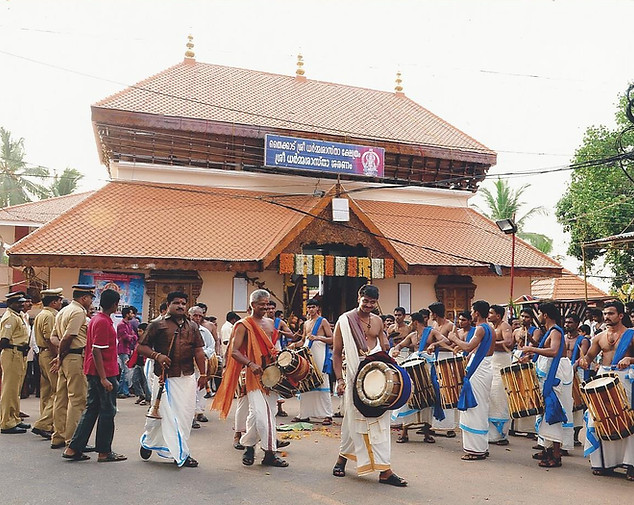
Choleeswaram temple
Choleeswaram temple is a 10th-century Chola Dynasty shrine dedicated to Solesvara, built in honour of emperor Raja Raja Chola I in the rural village of Peraru, Kantalai, Trincom…

Kokkadicholai Thaanthonreeswarar Temple
Kokkadicholai Thaanthonreeswarar Temple is one of Sri Lanka's most significant and ancient Shaivite shrines, believed to house one of only two naturally formed Sivalingams on th…
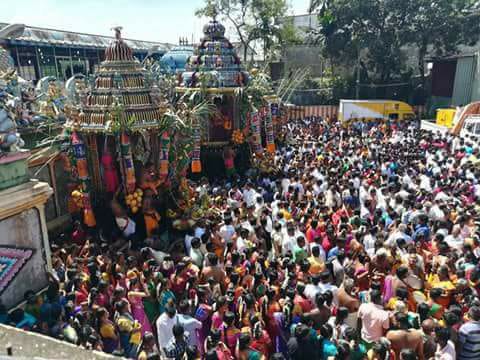
Matale Muthumariyamman Temple
The Matale Muthumariamman Temple is a historic Hindu shrine in Sri Lanka dedicated to the goddess Mariamman, featuring one of the island's largest gopurams adorned with over 100…
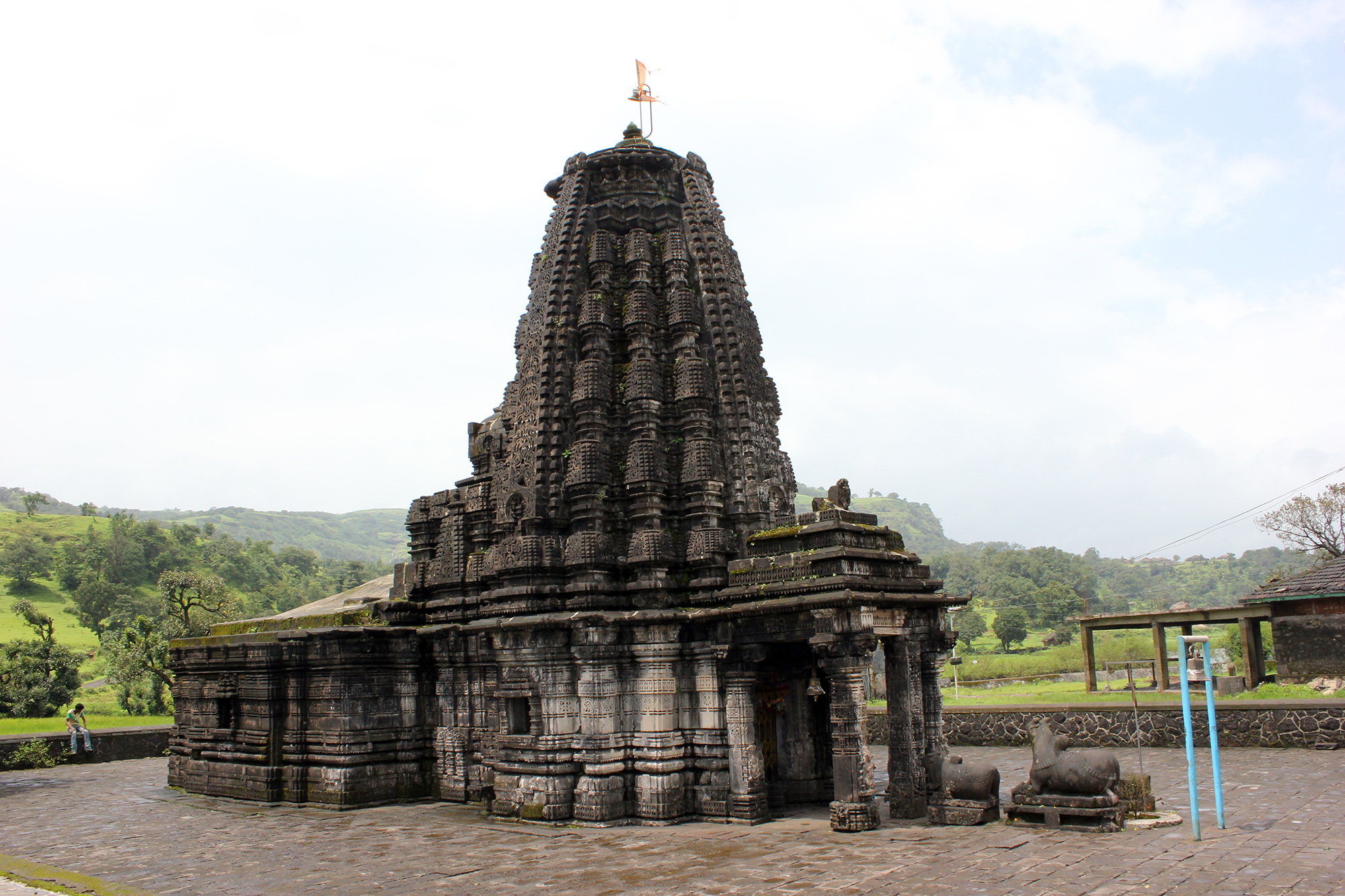
Ketheeswaram temple
Ketheeswaram temple is an ancient Hindu shrine dedicated to Shiva in Mannar, Sri Lanka, recognized as one of the Pancha Ishwarams and a Paadal Petra Sthalam glorified in Tevaram…