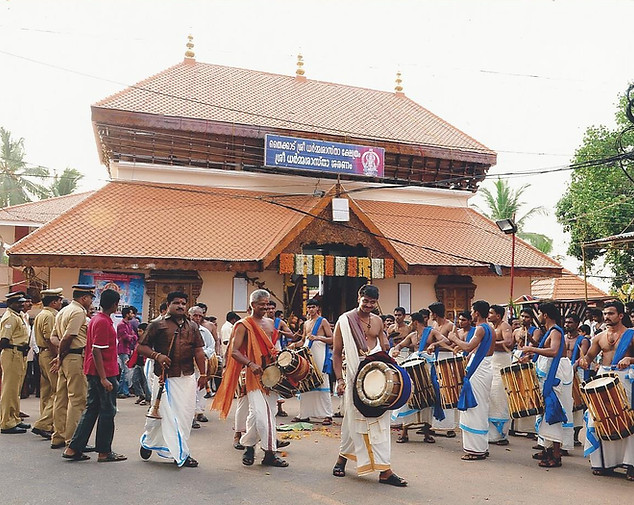
Choleeswaram temple
About Choleeswaram temple
Choleeswaram is a Shaivite temple, meaning it is dedicated to the worship of Shiva in one of his manifestations. As a Shaivite sanctuary, the temple follows practices common to this tradition across South India: devotees approach the deity with reverence, and the sanctum houses the primary object of worship. The specific form of Shiva venerated here—Solesvara—connects the temple to the broader religious landscape of the Chola period, when such dedications were central to royal and popular devotion. Visitors to Shaivite temples are expected to observe standard Hindu temple etiquette, including respectful behaviour and modest dress when approaching sacred spaces.
Architecture and Layout
The temple reflects 10th-century Chola architectural conventions, though detailed descriptions of its specific structural features are not documented in available sources. Like temples of its era and tradition, it likely contains a sanctum (inner shrine) and a gopuram (tower), with the gopuram serving as a visual landmark visible across the surrounding landscape. The temple's location in the rural setting of Peraru suggests it may have limited modern amenities, and visitors should prepare accordingly. The age and historical significance of the structure mean that some areas may be restricted or require careful navigation.
Visiting the Temple
Specific opening hours, daily ritual schedules, and current facilities at Choleeswaram are not recorded in available sources. Visitors planning a trip should contact local authorities or the temple directly before travelling to confirm darshan times, any seasonal closures, and what services are available. Standard practice at Hindu temples requires removal of footwear before entering the sanctum and modest dress throughout the temple grounds. As a Shaivite temple, these conventions apply here, though any temple-specific restrictions should be verified locally upon arrival.
Given the temple's rural location in Kantalai, facilities may be limited. Travellers should bring water and be prepared for basic conditions. Photography policies and any restrictions on entry to particular areas should be confirmed with temple staff on arrival.
Reaching Choleeswaram
The temple is situated in Peraru, Kantalai, in Trincomalee District in the Northern Province. The nearest major city is Trincomalee, a coastal town with road and rail connections to other parts of the region. From Trincomalee, Peraru lies inland, and reaching the temple will require local transport or a private vehicle. Specific distances, travel times, and current transport schedules are not detailed in available sources. Travellers should confirm routes and journey times with local accommodation providers or transport operators before departure, as road conditions and availability of services in rural areas can vary seasonally.
Planning Your Visit
Before travelling to Choleeswaram, gather current information from local sources about access, facilities, and any festivals or observances that may affect visiting conditions. The temple's historical importance and rural setting make it a destination for those interested in Chola-period architecture and Shaivite worship, but advance planning is essential. Allow time for the journey from Trincomalee and be prepared for limited modern conveniences. Respectful engagement with the temple and its traditions—observing dress codes, following local guidance, and approaching the sanctum with reverence—ensures a meaningful visit to this 10th-century site.
How to reach
You may also visit
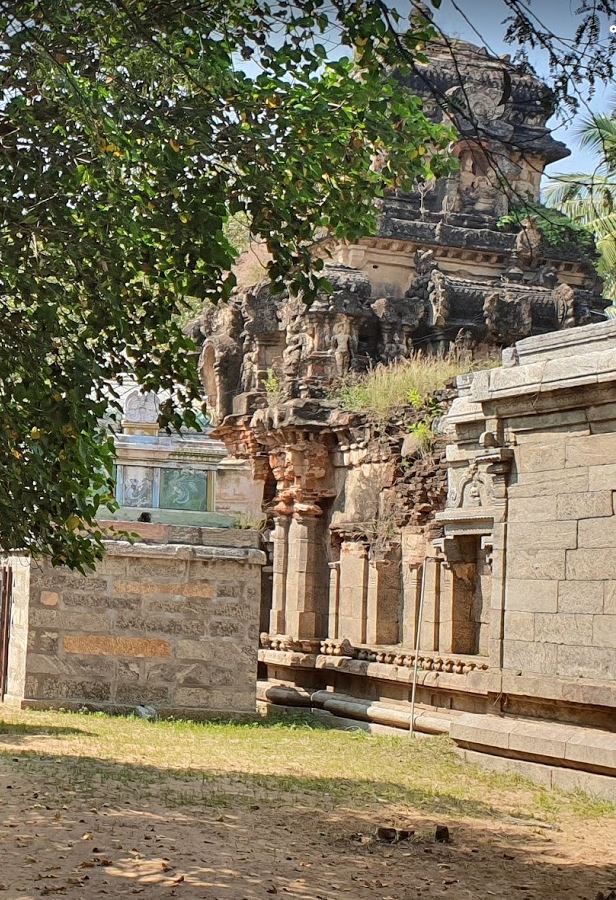
Agatheeswarar Temple, Karur
Agatheeswarar Temple in Thirumukkudalur, Karur district, is an ancient Hindu shrine dedicated to Shiva, situated at the sacred confluence of three rivers and believed to be over 1000 years old.
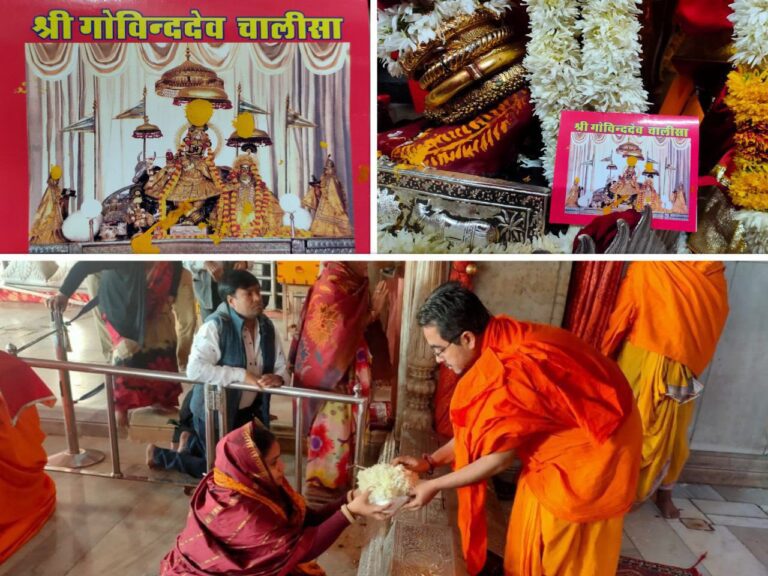
Kalyanji Temple
Kalyanji Temple in Jaipur's Chandpol Bazaar is an ancient Krishna shrine established in the 1820s, renowned for its seven daily aartis and special avatar darshan ceremonies during Akha Teej and Patottsav festivals.
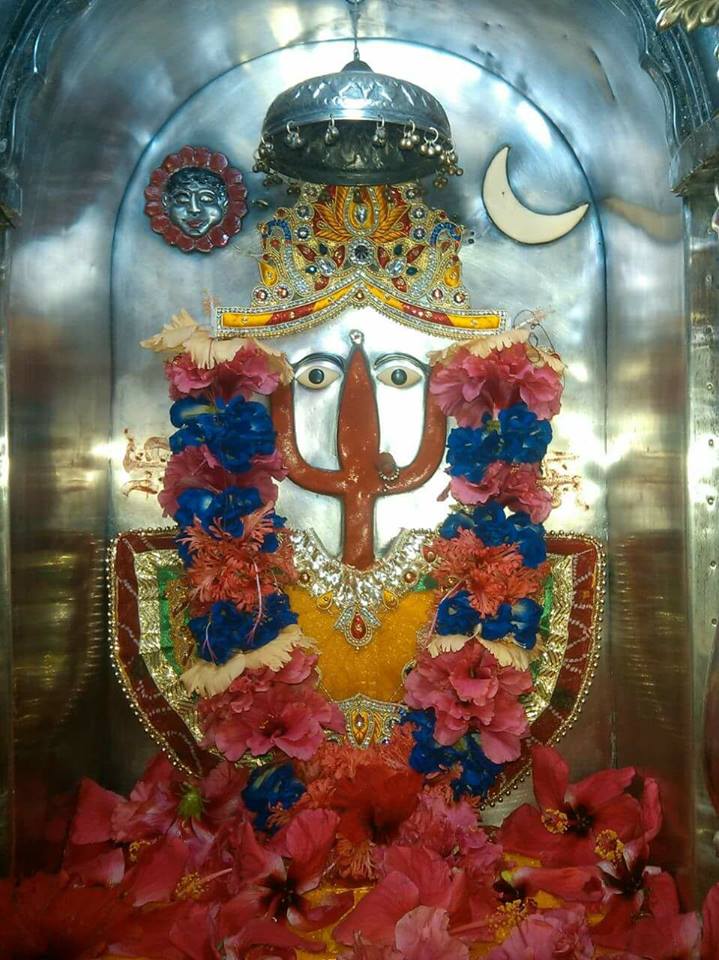
Rani Sati Mandir Mahuda
Rani Sati Mandir in Mahuda, Dhanbad District, is a Hindu temple established in 1992 that serves as a spiritual center for the local community and attracts devotees seeking blessings.