Pancha Ishwarams
About Pancha Ishwarams
The Pancha Ishwarams were established in antiquity, with their initial construction attributed to royal architects of the Naga kingdom. According to temple tradition, the Shiva lingams installed in each kovil were placed by Ravana, the legendary figure from Hindu epics. The temples developed through sustained patronage from Ceylonese residents, Sri Lankan royals, and Indian rulers during periods of flourishing cultural exchange. Their age and significance attracted devotees beyond the Hindu community—Buddhist and Jain worshippers are recorded as having made donations and participated in temple life, suggesting these complexes functioned as shared sacred spaces. Recent scholarship indicates the temples may predate the classical Vedic period, with evidence suggesting they were constructed to provide spiritual protection for devotees.
Architecture and Physical Remains
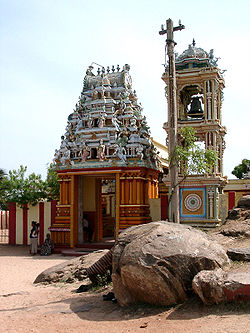
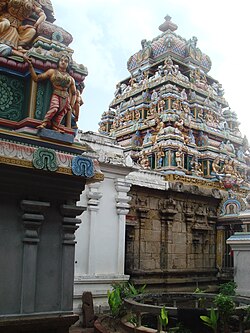
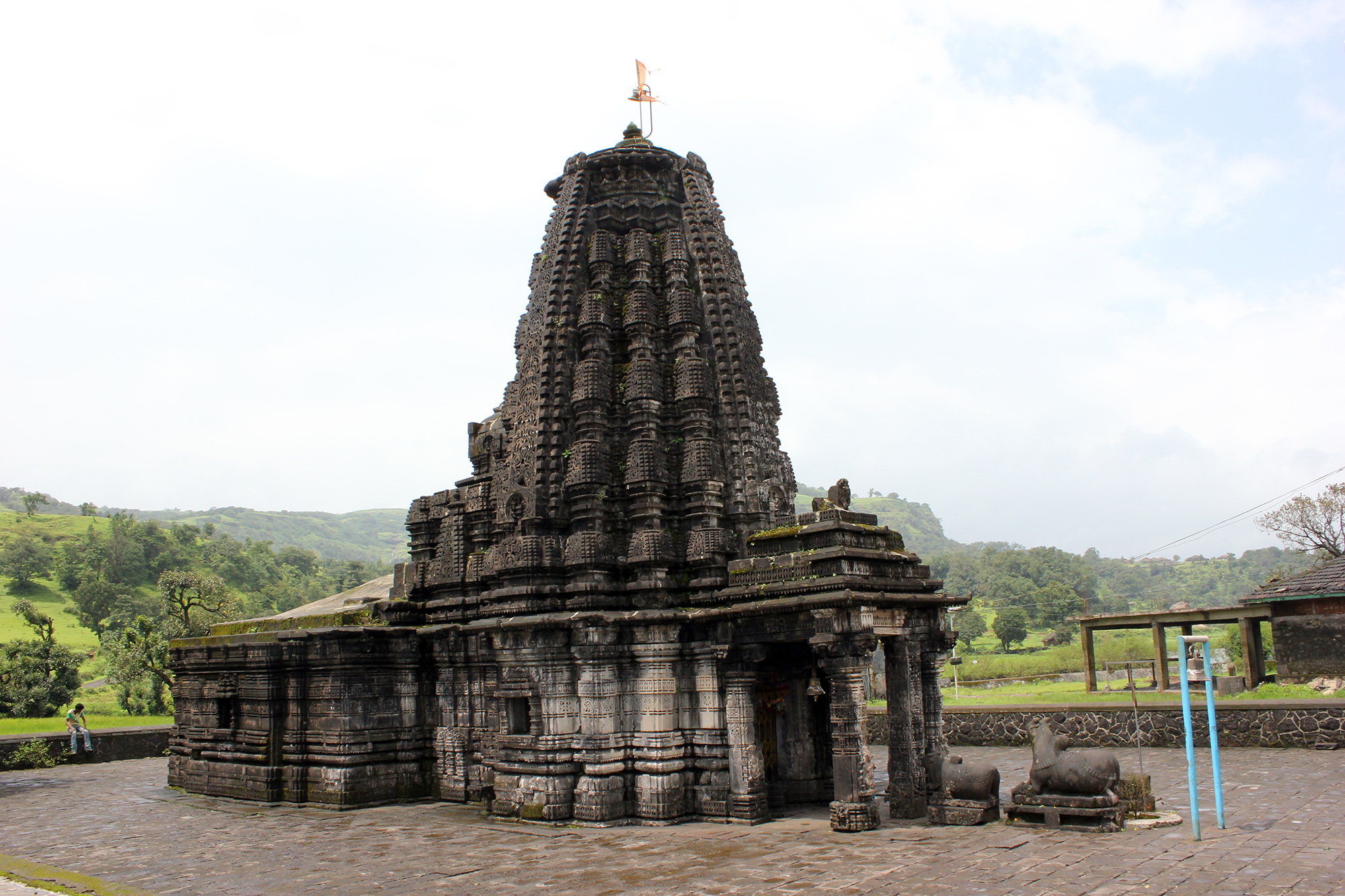
The Pancha Ishwarams display architectural features characteristic of Pallava construction, with extensive ruins revealing the sophistication of their original design. Each temple complex retains or has been restored to include elaborate sandstone lintels and pediments, intricate black granite carvings, and tall gopurams—the distinctive tower structures that mark Hindu temples. Stone iconography depicting figures associated with Hindu epics—including Agastya, Rama, Ravana, and Arjuna—adorns the shrines, though these representations reflect local Sthala Puranas and regional traditions rather than universal narratives. Foundational steles bearing inscriptions remain at the sites, providing historical documentation. A distinctive feature of these complexes is the presence of bathing ponds and lake tanks, engineered by the same architects who designed the temples themselves to serve dual purposes of ritual purification and agricultural irrigation.
Destruction and Restoration
The temples endured severe damage during the Portuguese colonial period in Sri Lanka, when they were looted and destroyed. For centuries, the sites existed largely as ruins until systematic archaeological investigation began in the nineteenth century. The Athenaeum documented research efforts undertaken in 1832 to recover knowledge of the temples' ancient sciences, literature, arts, and governance systems. Excavations continued into the twenty-first century, gradually revealing the extent of Pallava construction and the temples' historical significance. Most of the Pancha Ishwarams have since undergone restoration, allowing pilgrims and visitors to experience these sacred spaces in renewed form while the ruins themselves testify to their endurance across centuries of change.
Visiting the Pancha Ishwarams
The five temples are distributed along Sri Lanka's coast, requiring pilgrims to undertake a circumambulatory journey to visit all sites. Visitors should dress modestly, covering shoulders and knees, as is customary at Hindu temples. Shoes are typically removed before entering shrine areas. The temples follow traditional Hindu worship practices, with darshan—the viewing of the deity—available during designated hours, though specific timings vary by location and season. Bathing facilities at the temple tanks remain functional at most sites, reflecting their original design. Visitors are advised to check current conditions and accessibility at individual temples, as restoration work may affect visiting arrangements. The pilgrimage is best undertaken with awareness of local customs and, where possible, with guidance from temple authorities or experienced pilgrims familiar with the circuit.
Significance for Pilgrims
For Sri Lankan Tamil Hindus, the Pancha Ishwarams circuit represents a complete spiritual journey, with each temple holding particular significance within the broader pilgrimage tradition. The temples embody Shaiva Siddhanta philosophy through their architectural design and ritual focus, making them centers of theological as well as devotional practice. The presence of multiple religious traditions within the temple complexes—reflected in Buddhist and Jain elements—speaks to their historical role as spaces of broader spiritual significance. Pilgrims undertaking the full circuit engage in a practice rooted in centuries of tradition, connecting them to generations of devotees who have sought blessing and protection at these coastal shrines.
How to reach
You may also visit
Sureshwari Devi Temple
Sureshwari Devi Temple in Haridwar is a forest shrine dedicated to the goddess, situated within the Ranipur Range area near Rajaji National Park, offering a secluded spiritual e…
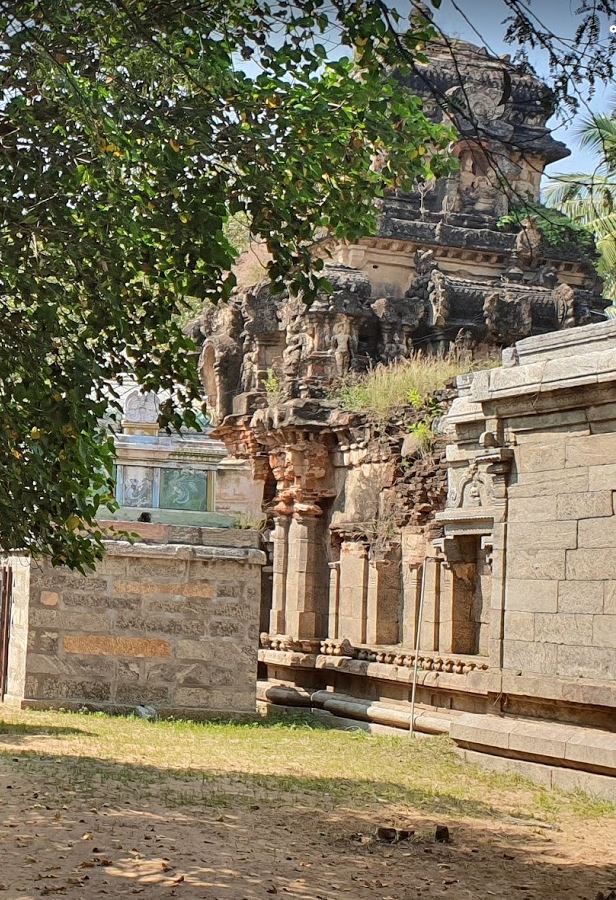
Agatheeswarar Temple, Karur
Agatheeswarar Temple in Thirumukkudalur, Karur district, is an ancient Hindu shrine dedicated to Shiva, situated at the sacred confluence of three rivers and believed to be over…

Shani Shingnapur
Shani Shingnapur is a renowned temple in Maharashtra dedicated to Lord Shani, featuring a self-emerged black stone idol worshipped under open sky. The temple is located in a uni…
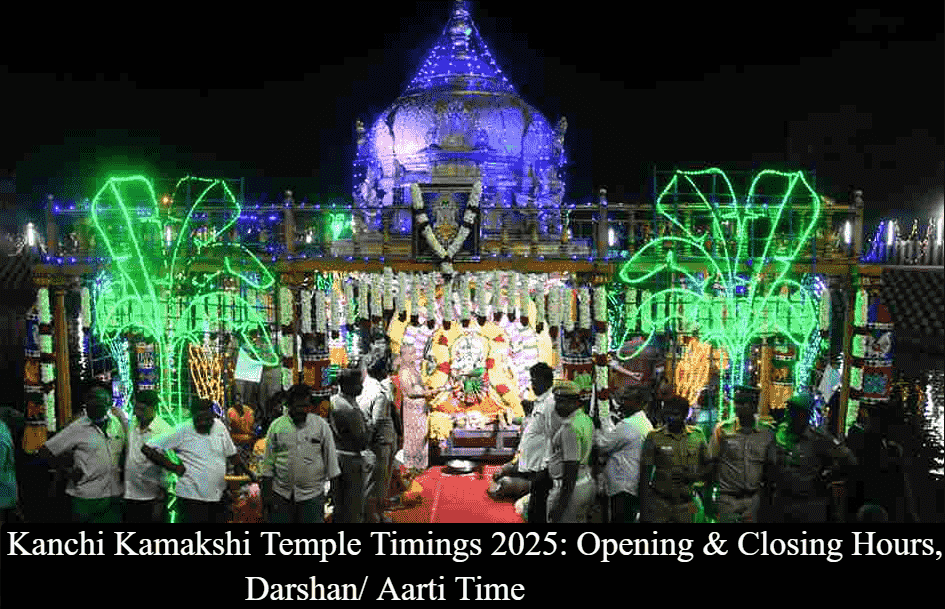
Kamaksha
Arulmigu Kamakshi Amman Temple in Mangadu, near Chennai, is dedicated to the goddess Kamakshi, an aspect of Adi Parashakti. According to legend, the goddess performed austeritie…
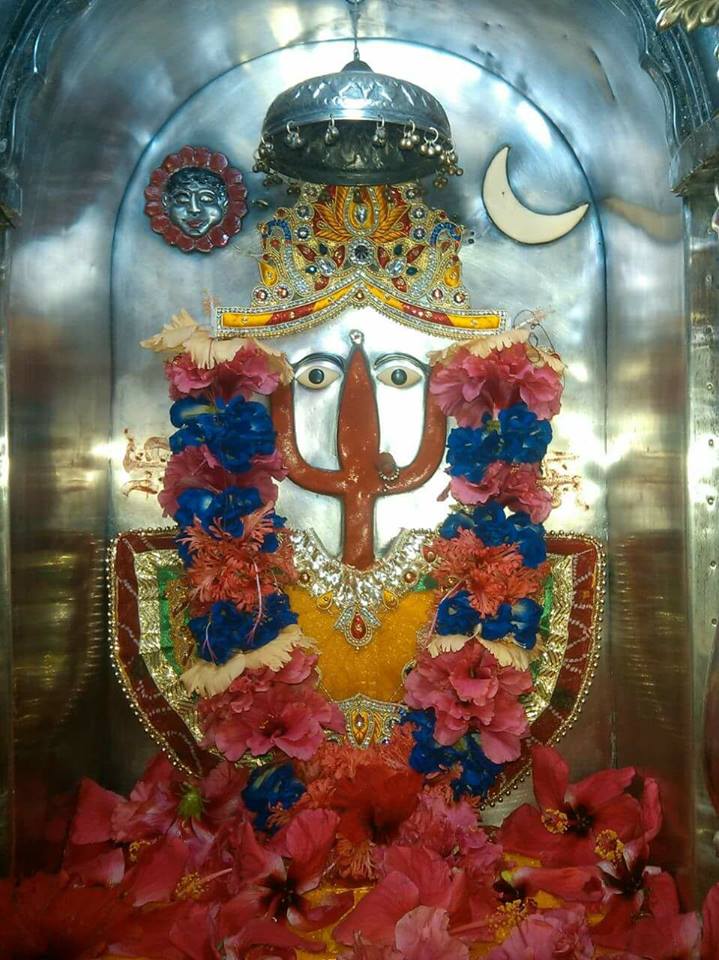
Guhaditya temple
Guhaditya temple in Dwarka is an ancient shrine dedicated to the sun deity, established over 150 years ago. Pilgrims enter through the Swarg Dwar (Gateway to Heaven) and exit vi…
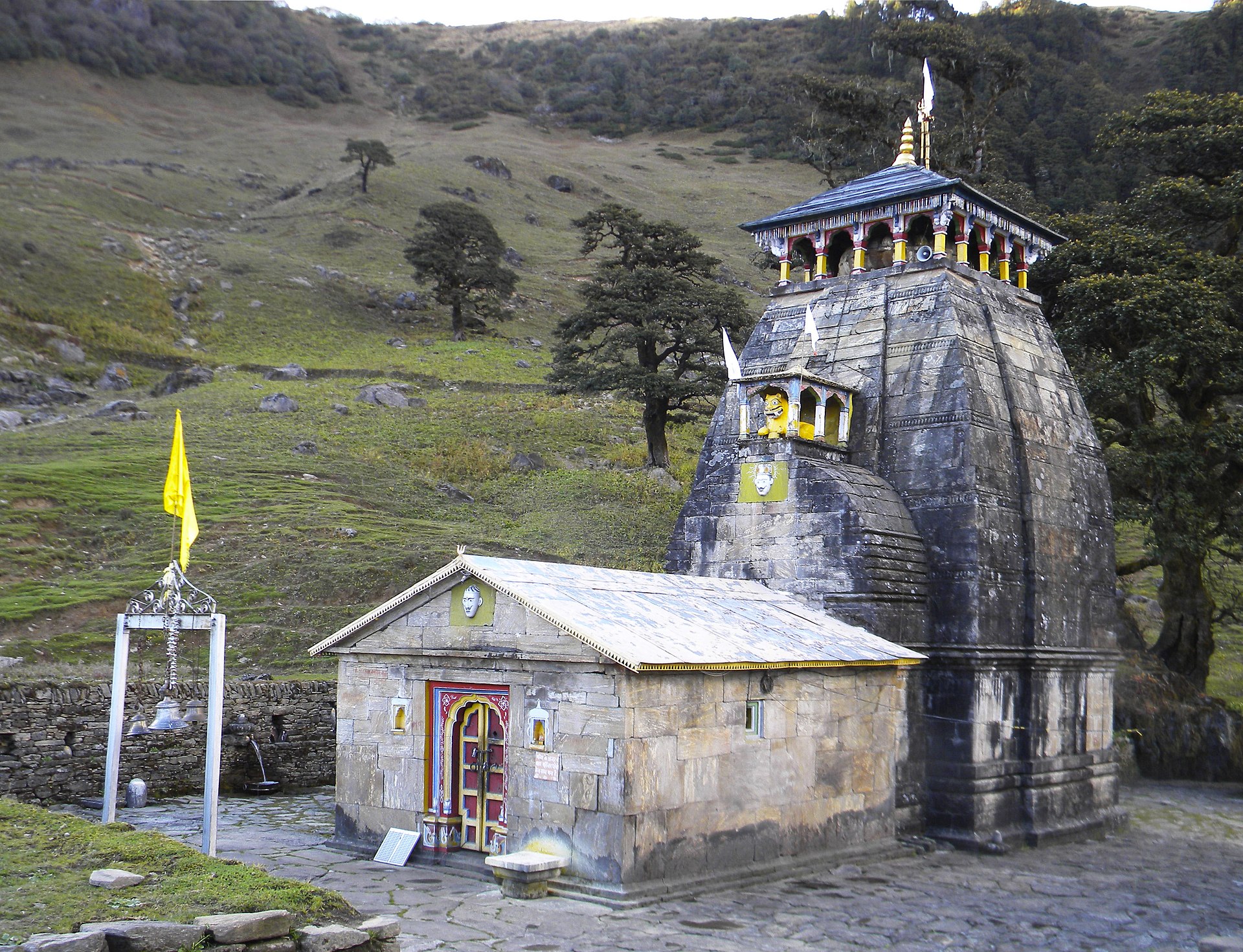
Madhyamaheshwar Temple
Madhyamaheshwar Temple is one of the five sacred Shiva shrines in the Panch Kedar pilgrimage circuit, located in the Garhwal Himalayas of Uttarakhand. Each temple in the circuit…