
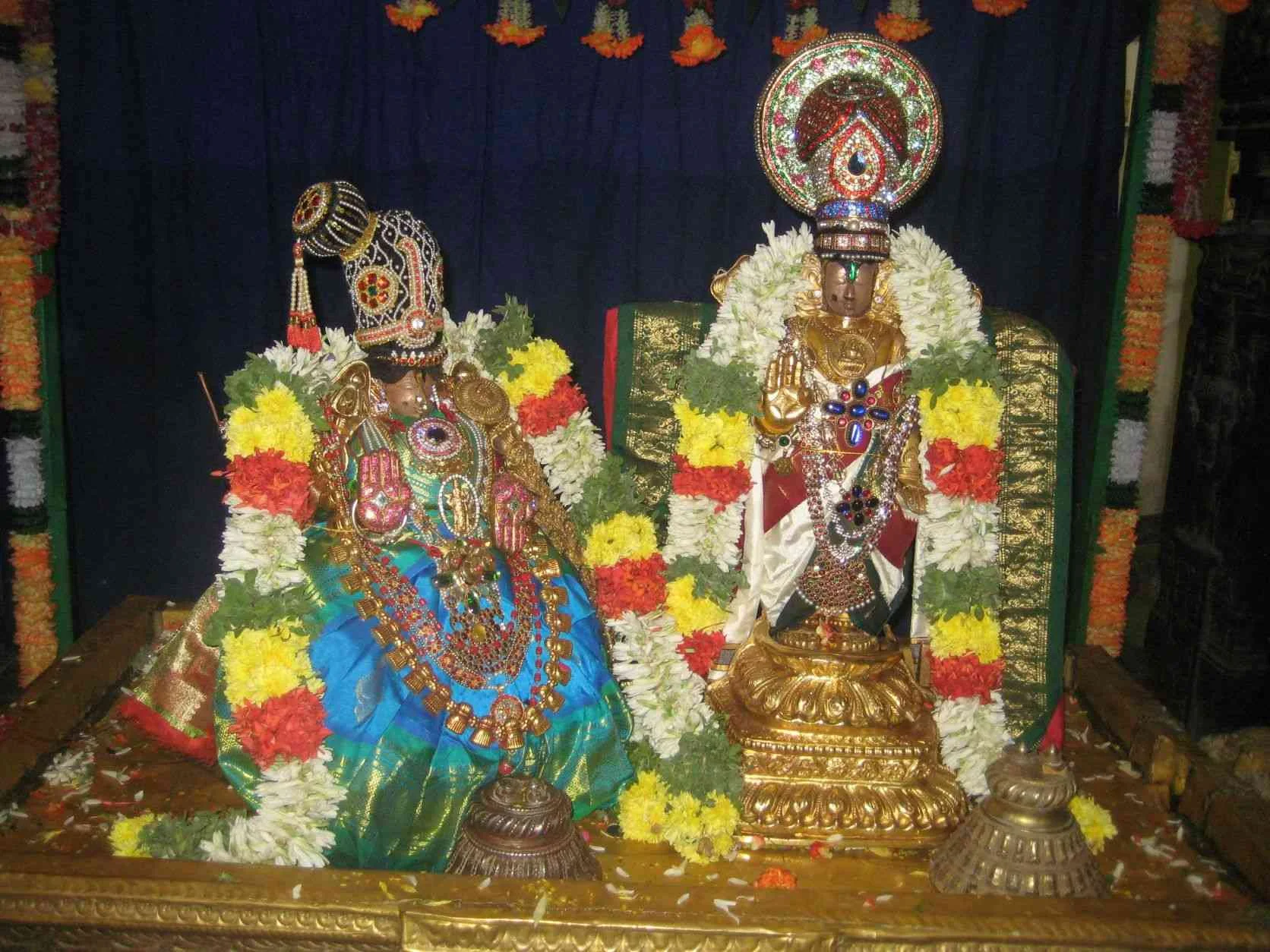
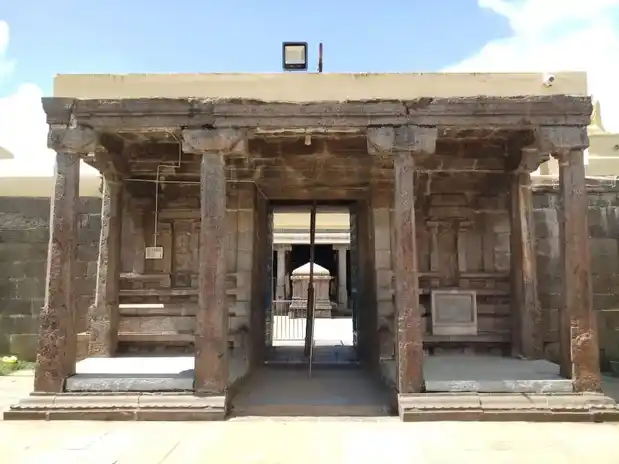
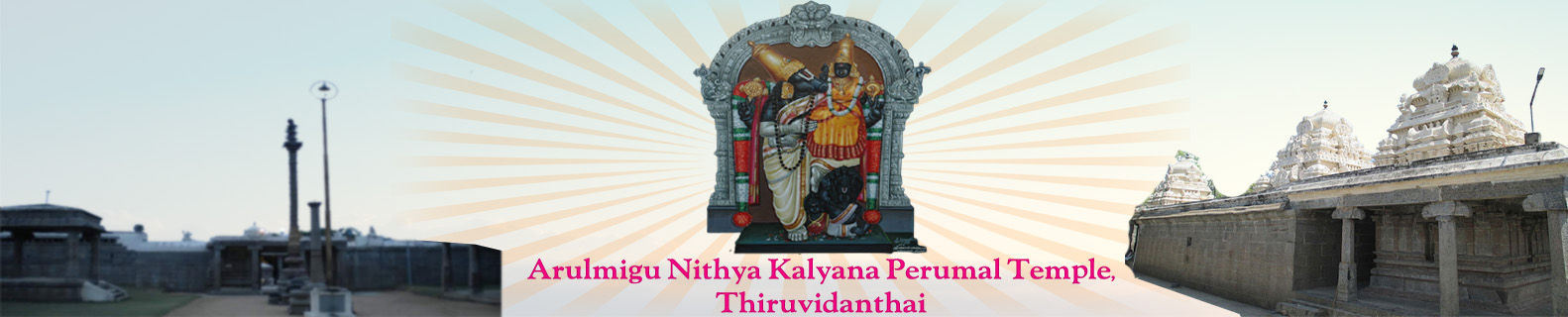
Nithyakalyana Perumal temple
About Nithyakalyana Perumal temple
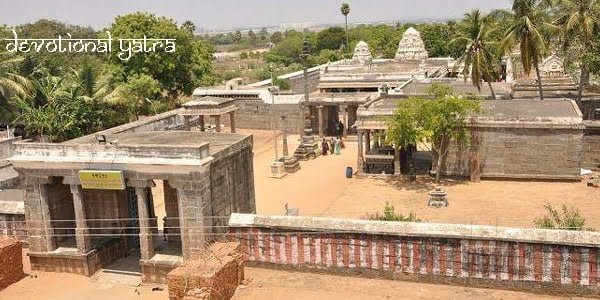
The Pallavas, the dynasty that shaped much of South Indian temple architecture, established this shrine's original structure during the 7th century CE. Later, the Cholas—master builders of the medieval period—added their own contributions during the 11th century, enriching the temple with further architectural elements. These successive layers of construction reflect the enduring importance of this site across different ruling periods and centuries.
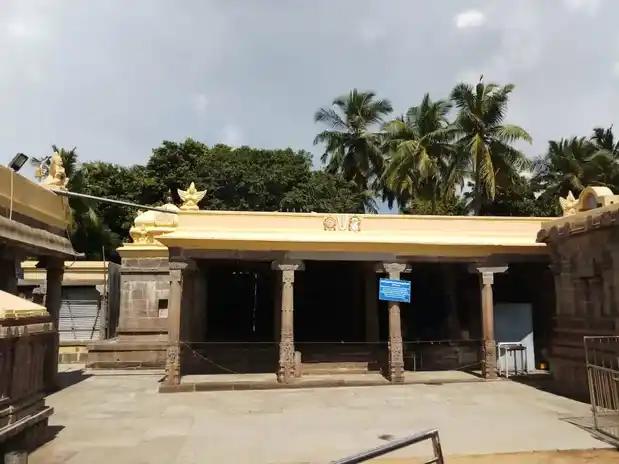
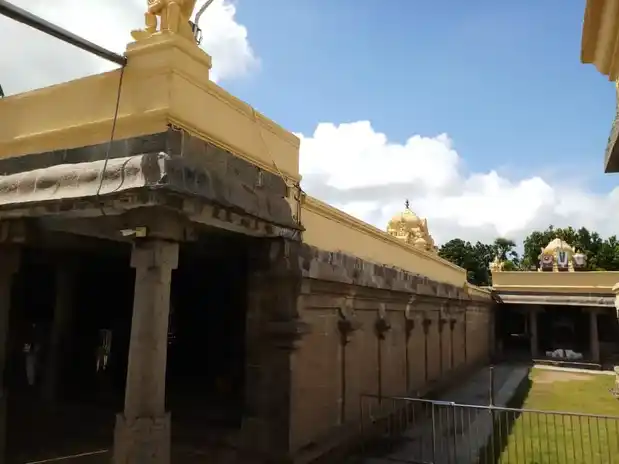
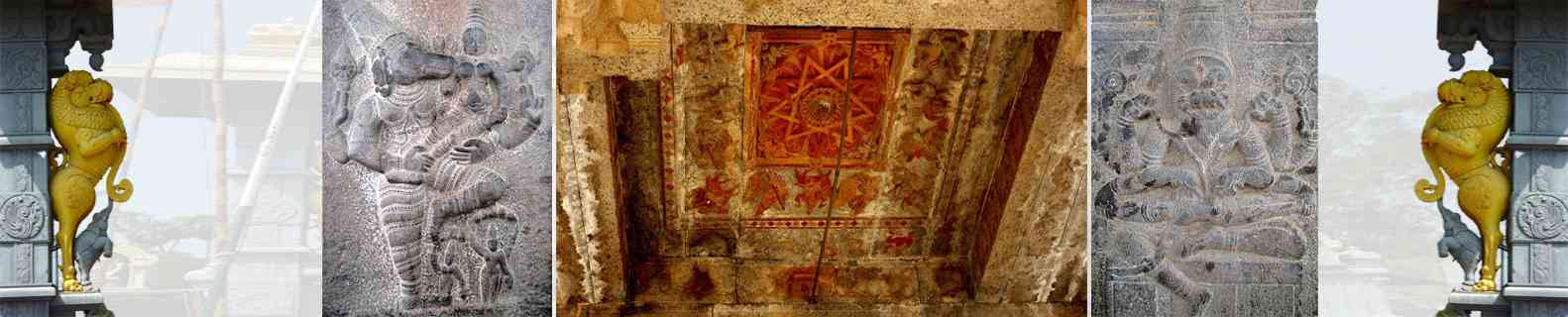
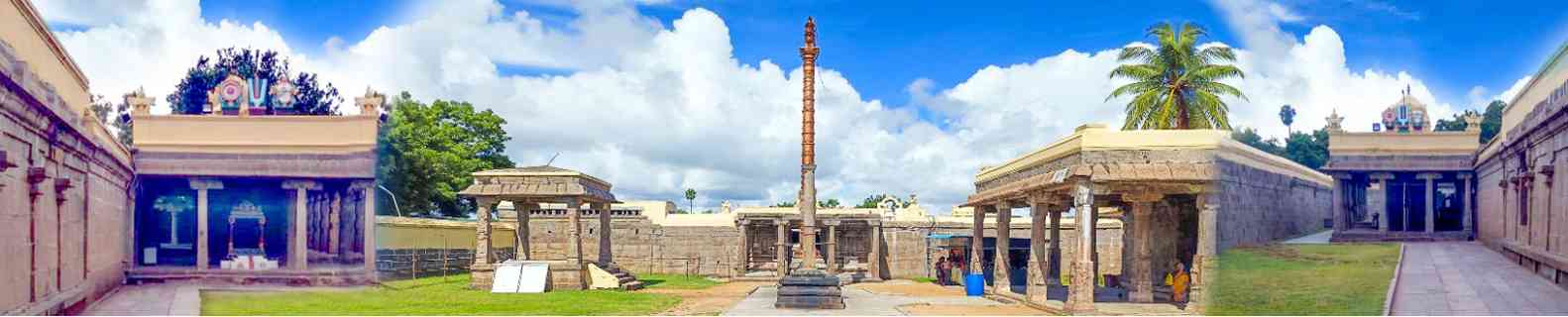
The temple follows Tamil architectural conventions, its design reflecting the regional style that characterizes sacred spaces across Tamil Nadu. While specific details of the gopuram, inner sanctums, or sculptural programmes are not extensively documented in available sources, the temple's longevity and continued worship suggest a structure of substance and careful maintenance.
The Daily Rhythm of Worship
The temple maintains two distinct worship periods: morning from 6:00 AM to 12:00 PM, and evening from 3:00 PM to 8:00 PM, with a midday closure. Within these hours, five formal ritual observances structure the day's spiritual life. The Viswaroopa Darshan at 6:00 AM initiates the temple's daily worship, followed by the Kalasanthi Pooja at 7:30 AM. Mid-morning brings the Uchikala Pooja at 11:30 AM. The evening period opens with Sayaraksha Pooja at 5:00 PM, and concludes with Arthajama Pooja at 7:30 PM.
Devotees wishing to participate in these formal rituals should time their visits accordingly. The morning hours typically draw fewer visitors than the evening, offering different experiences depending on your preference for quieter or more communal worship. The temple's two sacred waters—Varaha Theertham and Kalyana Theertham—hold spiritual significance within the shrine's landscape, though their specific ritual uses are not extensively documented.
Visiting: Practical Information
Thiruvidandai lies in Chengalpattu District, approximately 40 kilometres south of Chennai along the eastern coastal road. The temple's roadside location makes it accessible by personal vehicle, and public bus services connect the village to nearby towns and the city. GPS coordinates (12.76336496842°N, 80.241908596019°E) can guide navigation.
Dress modestly, covering shoulders and knees—standard practice at Hindu temples. Plan your visit around the operating hours, noting the midday closure between 12:00 PM and 3:00 PM. The most comfortable season for travel is October through March, when South Indian temperatures are cooler. Arriving early offers a quieter darshan experience, while evening visits coincide with larger gatherings of worshippers and the completion of the day's ritual cycle.
The Temple's Sacred Waters and Landscape
Two theerthams—sacred waters—are associated with the temple: Varaha Theertham and Kalyana Theertham. In Hindu temple tradition, such waters typically hold ritual significance for purification and blessing, though the specific locations and ceremonial uses of these particular tanks are not detailed in available sources. Visitors interested in these aspects may inquire with temple staff upon arrival.
A Shrine Across Time
While specific festival dates and observances are not detailed in available sources, the temple's status as a Divya Desam and its centuries of continuous worship suggest an active ritual calendar. Devotees and visitors are encouraged to contact the temple directly or consult local sources for current festival schedules and special observances. The temple's administration can provide information about upcoming celebrations and any special pujas or sevas available to visitors.
How to reach
Temples near Nithyakalyana Perumal temple

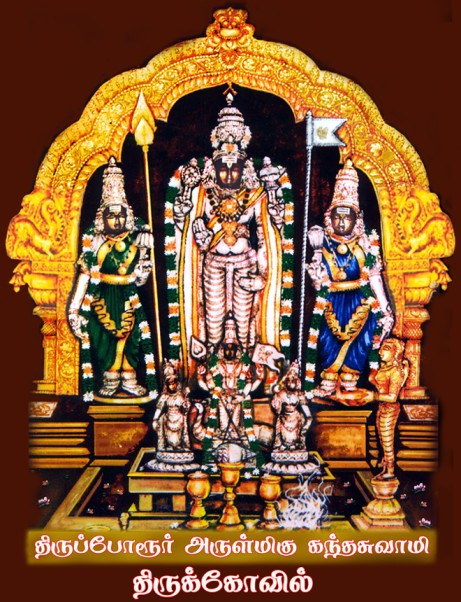
Thiruporur Kandaswamy temple
Thiruporur Kandaswamy Temple in Chengalpattu district is a significant shrine dedicated to Lord Murugan, built in Tamil Hindu architectural style with origins believed to date t…
Thiruporur Uthra Vaidya Lingeswarar Temple
Arulmigu Kandaswamy Temple in Thiruporur is an ancient shrine dedicated to Murugan, historically significant as one of the Arupadai houses with roots tracing to early 17th-centu…
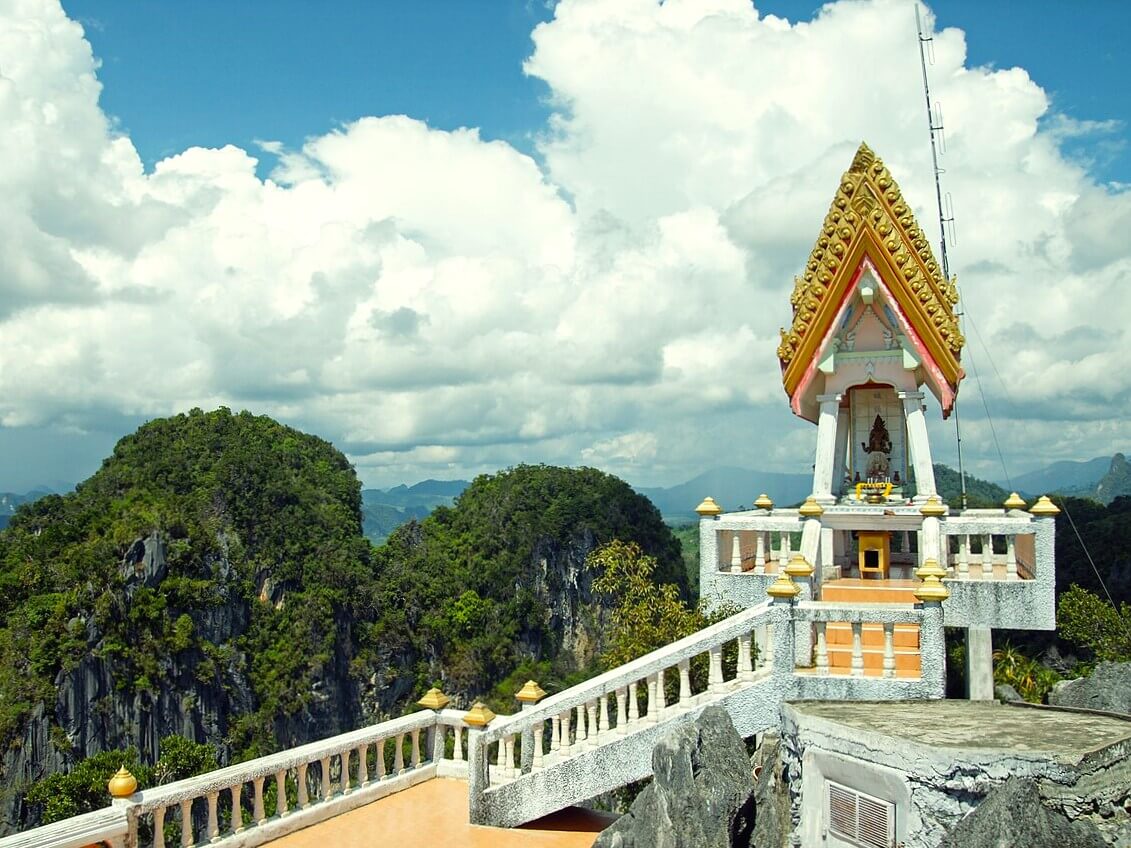
Tiger Cave
Tiger Cave Temple is a Buddhist sanctuary north-northeast of Krabi, Thailand, distinguished by ancient tiger paw prints within its cave and towering Buddha statues accessible vi…
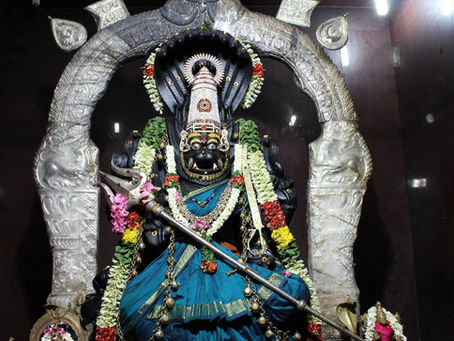
Prathyangira Devi Temple, Shollinganallur
Sri Maha Prathyangira Devi Temple in Sholinganallur, Chennai, is dedicated to the goddess Prathyangira in her Shanta form, believed to protect devotees from negative influences…
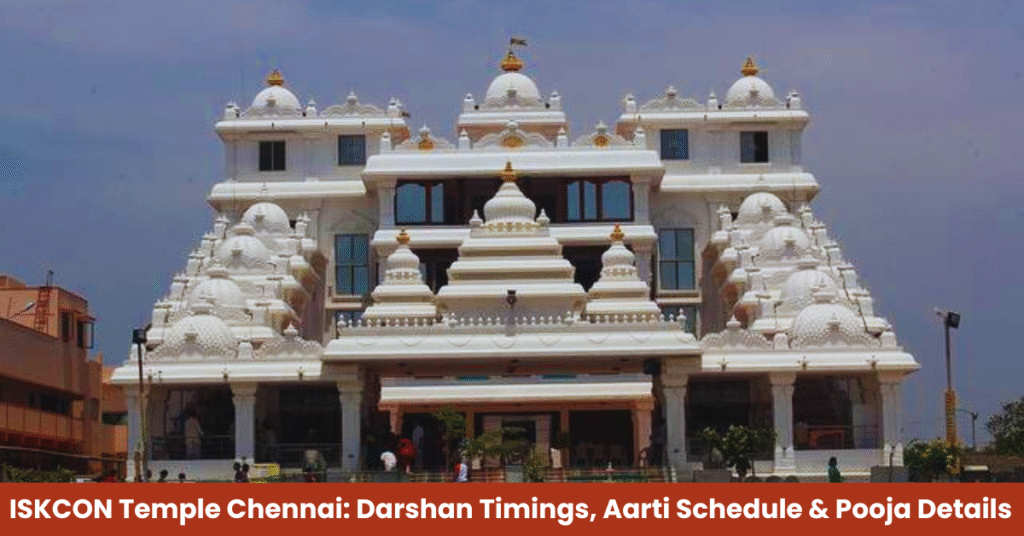
ISKCON Temple Chennai
ISKCON Temple Chennai, also known as Sri Sri Radha Krishna Mandir, is a Gaudiya Vaishnavism temple dedicated to Lord Krishna and Radha, formally inaugurated in 2012. Located in…
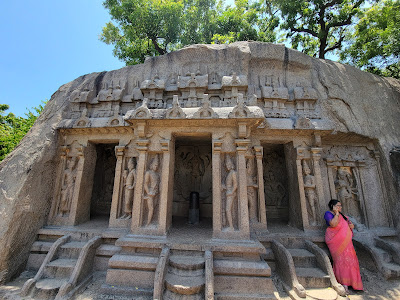
Trimurti cave temple
The Trimurti Cave Temple in Mahabalipuram is a rock-cut sanctuary where the divine trinity of Brahma, Vishnu, and Shiva are enshrined within granite chambers, representing the a…