
Nishkalank Mahadev Temple
About Nishkalank Mahadev Temple
According to tradition preserved in local sources, the temple's origins trace to the aftermath of the Mahabharata war. Legend holds that the Pandavas, the five heroic brothers central to that epic, were burdened by profound guilt after the conflict ended. They had killed kinsmen and their revered teacher Bhishma, and sought spiritual absolution for these acts.
The Pandavas consulted Lord Krishna, who gave them a black flag and a black cow, instructing them to follow the animal until both it and the flag turned white—a sign they would find the place of their redemption. After years of wandering across the Indian subcontinent, they arrived at Koliyak Beach. There, according to the legend, both the cow and flag transformed to pure white, signifying the location where the brothers would be cleansed of their sins. This narrative establishes the temple as a site of spiritual purification and redemption.
Daily Worship and Darshan
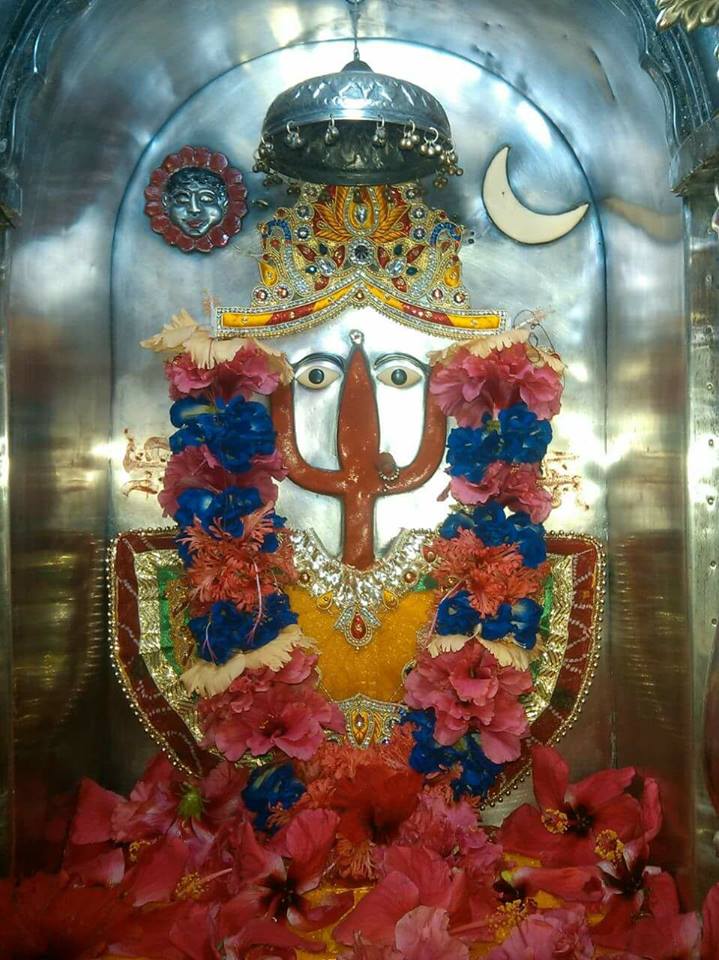
The temple observes two daily aartis—ritual worship ceremonies in which the deity is honored through light, sound, and devotional practice. The morning aarti occurs at 06:45, and the evening aarti at 19:10. These ceremonies follow the traditional rhythms of Hindu temple worship.
Darshan, the viewing and worship of the deity, operates on a schedule entirely governed by the lunar calendar rather than fixed clock time. The temple recognizes fifteen lunar days (tithis), each with its own low-tide window when the temple becomes accessible. Darshan opening times range from 04:42 on Ekadashi (the eleventh lunar day) to 15:54 on Dasham (the tenth lunar day). Closing times extend as late as 00:30 on full and new moon days. Because tide timings shift approximately fifty minutes each day following the lunar cycle, there is no consistent daily schedule. Visitors must consult current tide tables specific to Koliyak Beach before planning their visit.
Planning Your Visit
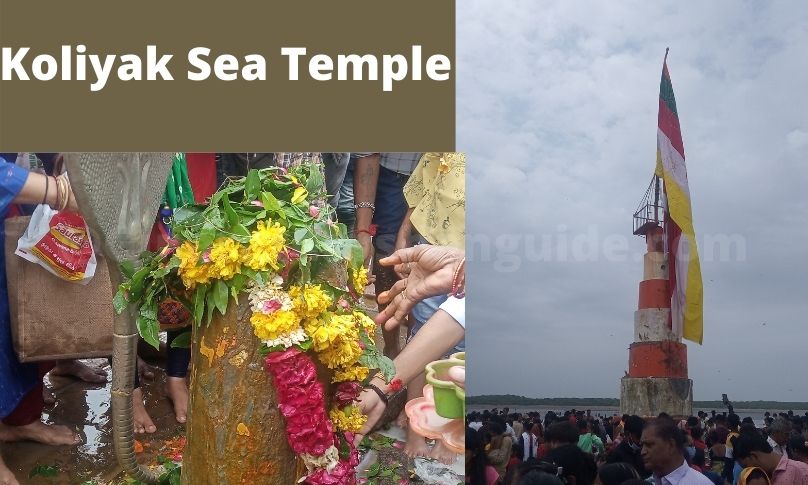
Access to this temple depends entirely on tidal conditions. The temple becomes surrounded by water during high tide and is completely isolated—neither accessible nor safe to approach. During low tide, visitors can walk across the exposed seabed to reach the shrine.
Early mornings during low tide are widely regarded as the most serene time to visit. Sunrise bathes the temple in soft light and enhances the spiritual atmosphere. Some devotees prefer evening high tide, when the temple is surrounded by water and waves, finding this perspective spiritually compelling, though viewing must occur from a distance.
Entry to the temple is free, with no formal ticketing system. Before setting out, check tide tables for Koliyak Beach, as timings are not fixed and shift with the lunar calendar. Wear appropriate footwear for walking across sand and potentially wet surfaces. Temples of this tradition typically expect visitors to dress modestly and remove footwear before entering the sanctum. Carry water and sun protection, as the exposed beach offers little shelter.
Location and Access
The temple is situated at Koliyak Village in Bhavnagar District, Gujarat, at coordinates 21.5975°N, 72.2926°E. Bhavnagar is a coastal city in Gujarat with road and rail connections to major Indian cities. From Bhavnagar city, Koliyak Beach is accessible by local transport. Visitors should plan their journey around tide tables, as the temple's accessibility changes daily according to the lunar calendar.
How to reach
Temples near Nishkalank Mahadev Temple
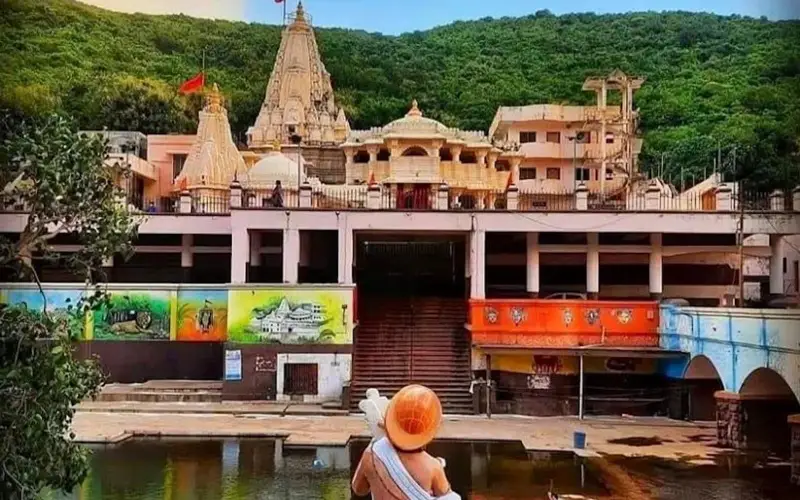
Bhavnath Temple
Bhavnath Mahadev Temple, nestled at the foothills of Mount Girnar in Junagadh, Gujarat, is an ancient shrine dedicated to Lord Shiva that draws devotees year-round, particularly…
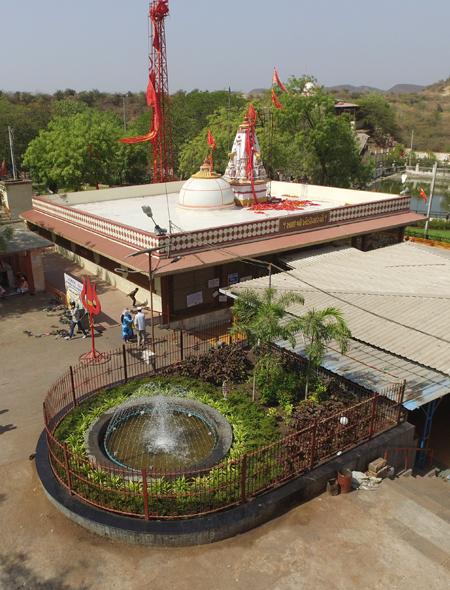
Khodiyar Temple - Rajapara (Gujarat)
Khodiyar Mandir in Rajpara is a revered shrine dedicated to Maa Khodiyar, the warrior goddess and ancestral deity of the Bhavnagar Royal Family, nestled beside the scenic Tatani…
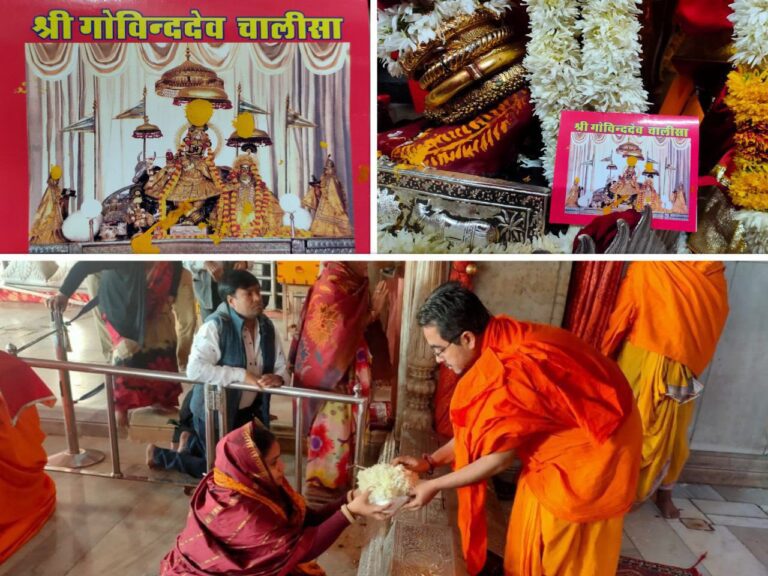
Gopnath
Shree Gopnath Mahadev Temple is a sacred shrine dedicated to Lord Shiva, located in Gujarat. The temple serves as an important pilgrimage destination for devotees seeking blessi…
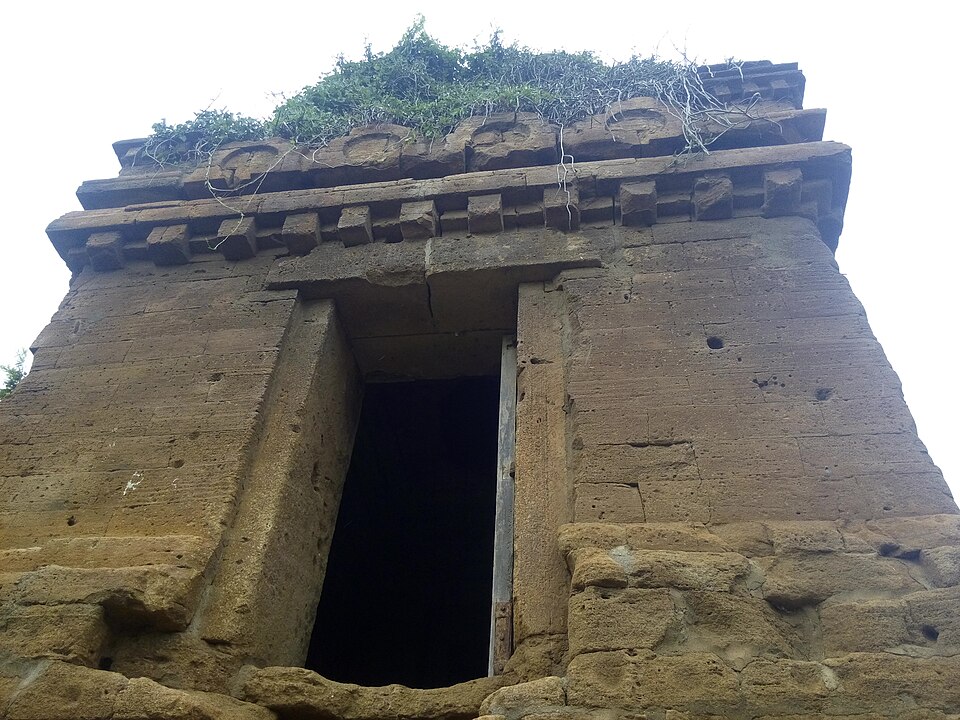
Firangi Deval
Firangi Deval, also known as Devalvasi, is an ancient temple monument in Kalsar village near Mahuva in Bhavnagar district, Gujarat, recognized as a State Protected Monument.
Hanuman temple, Salangpur
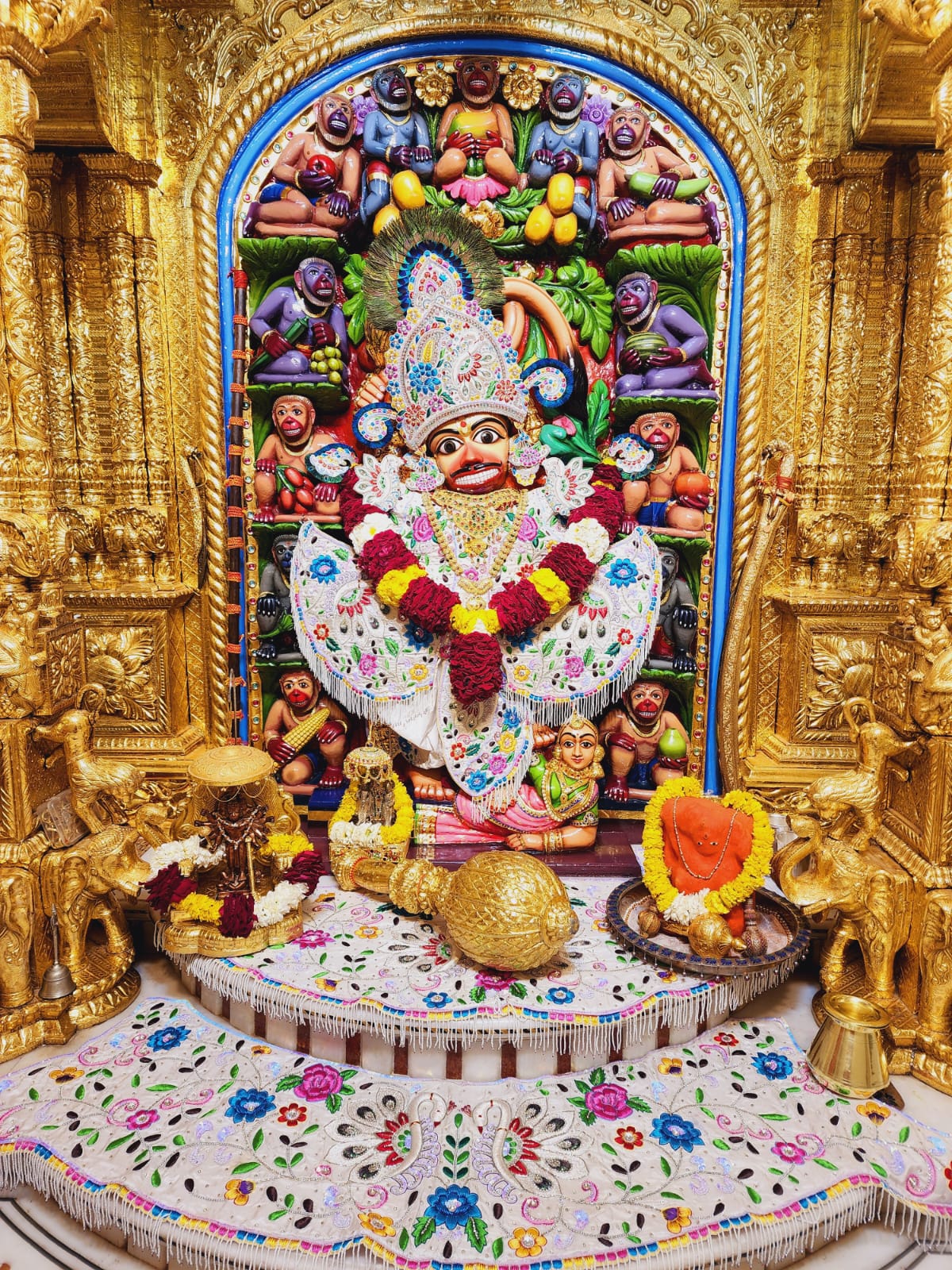
Shree Kashtabhanjan Dev Hanumanji Temple in Salangpur, Gujarat, is a prominent Hindu shrine dedicated to Hanuman within the Swaminarayan Sampradaya's Vadtal Gadi lineage. The na…
Shri Swaminarayan Mandir, Gadhada
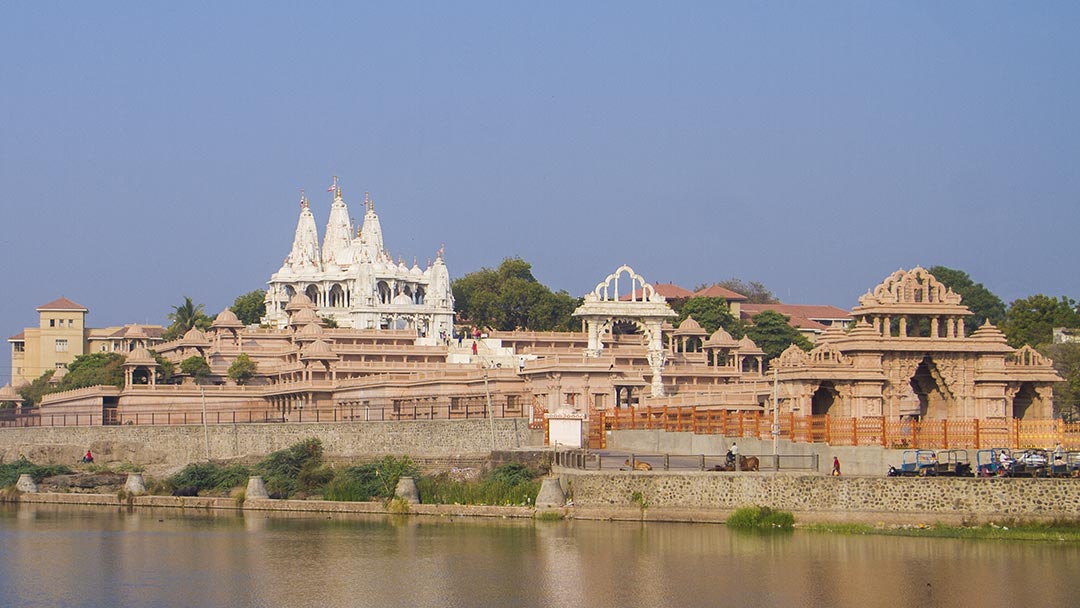
One of six temples personally supervised by Swaminarayan, this historic shrine in Gadhada is dedicated to Radha Krishna and features distinctive two-story architecture with thre…