
Nava Kailasam
About Nava Kailasam
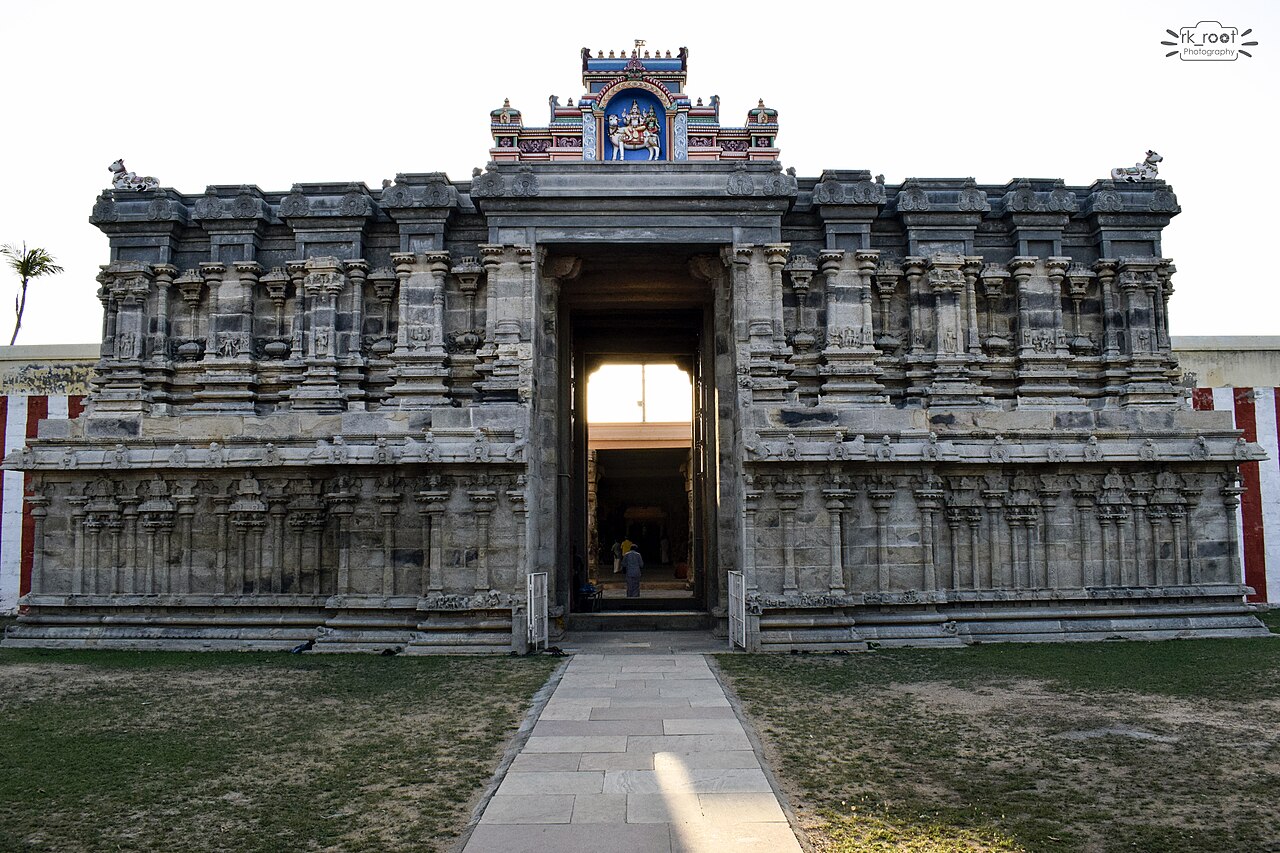
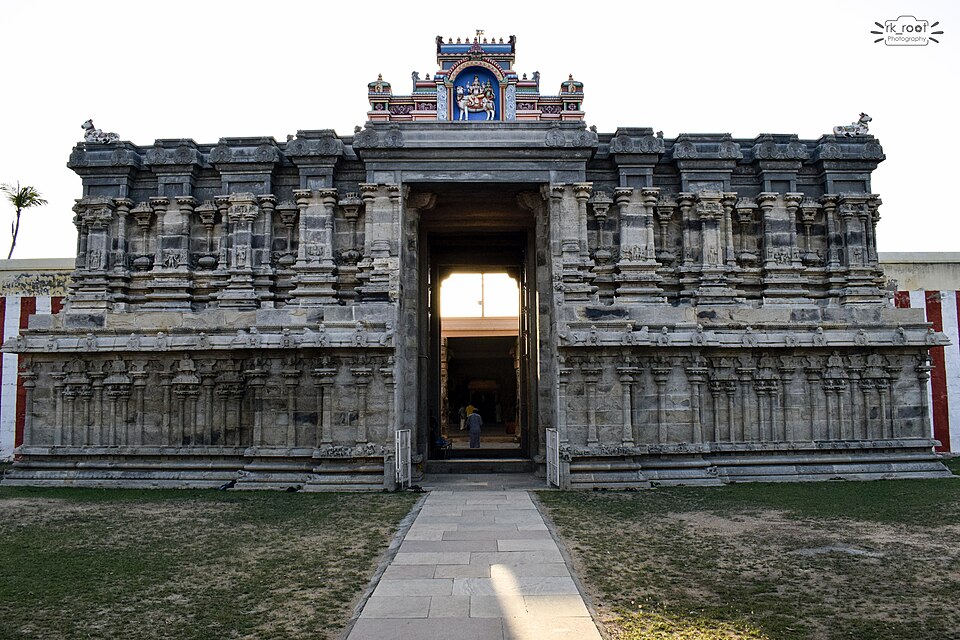
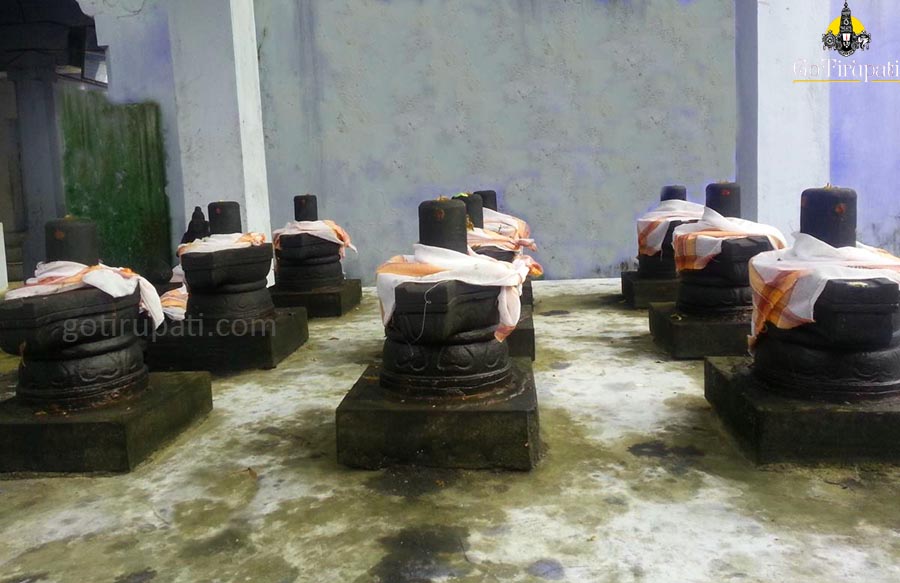
According to tradition preserved in local sources, the nine temples were established through the intervention of Sage Agasthya, the legendary sage credited with bringing spiritual balance to South India. The narrative describes how, during the wedding of Lord Shiva and Parvati at Mount Kailash, the gathering of countless sages caused the earth to tilt. Shiva instructed Sage Agasthya to travel south, where his spiritual weight alone would restore equilibrium to the earth. Sage Romasa, a disciple of Agasthya, sought permission to install Shiva lingas at nine locations. Following his master's guidance, Romasa placed nine lotus flowers in the Tamirabarani River; where each lotus touched the riverbank, a Shiva linga was installed. This act of devotion established the nine sacred sites that pilgrims visit today.
The Nine Temples and Their Significance
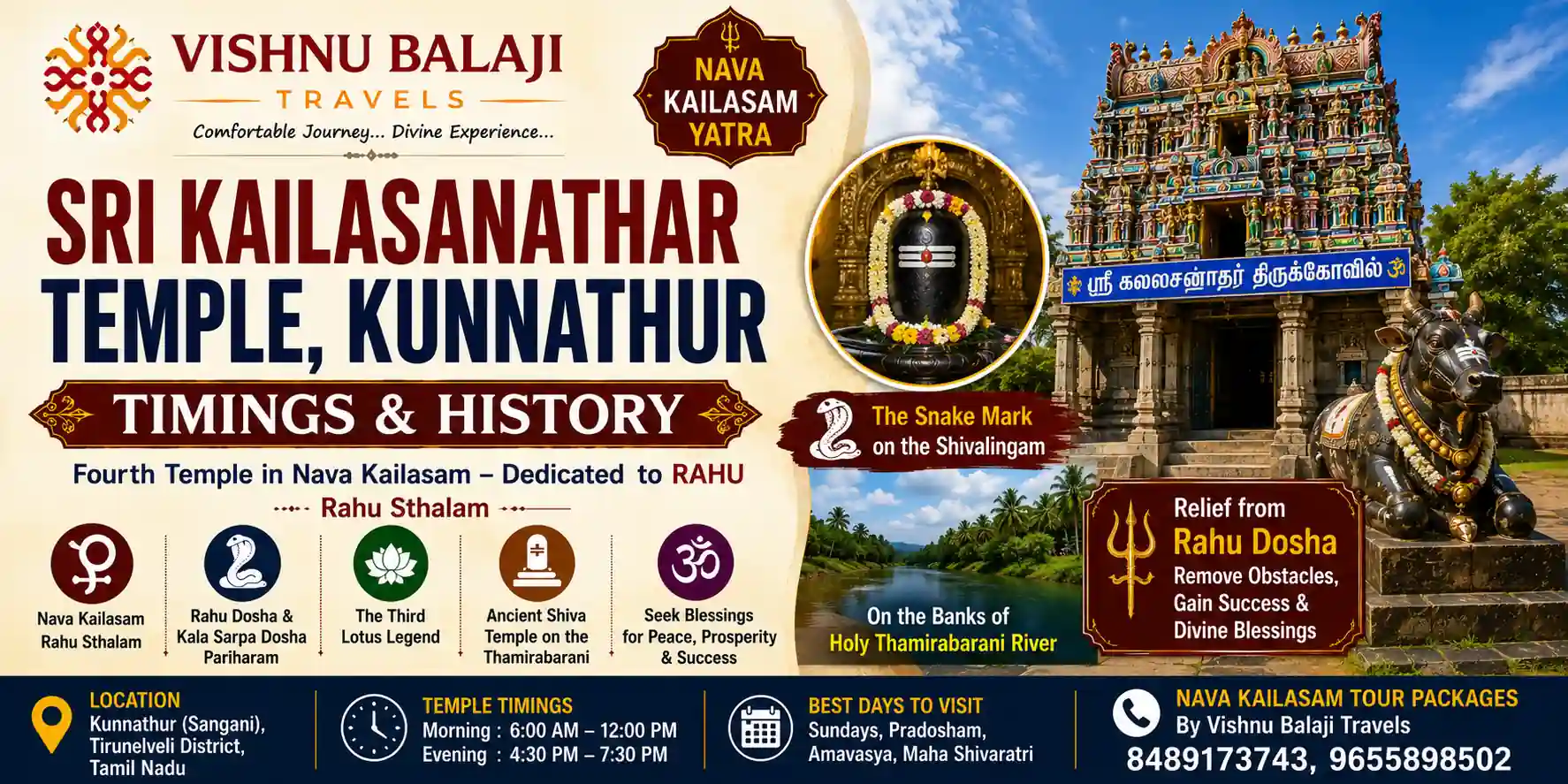
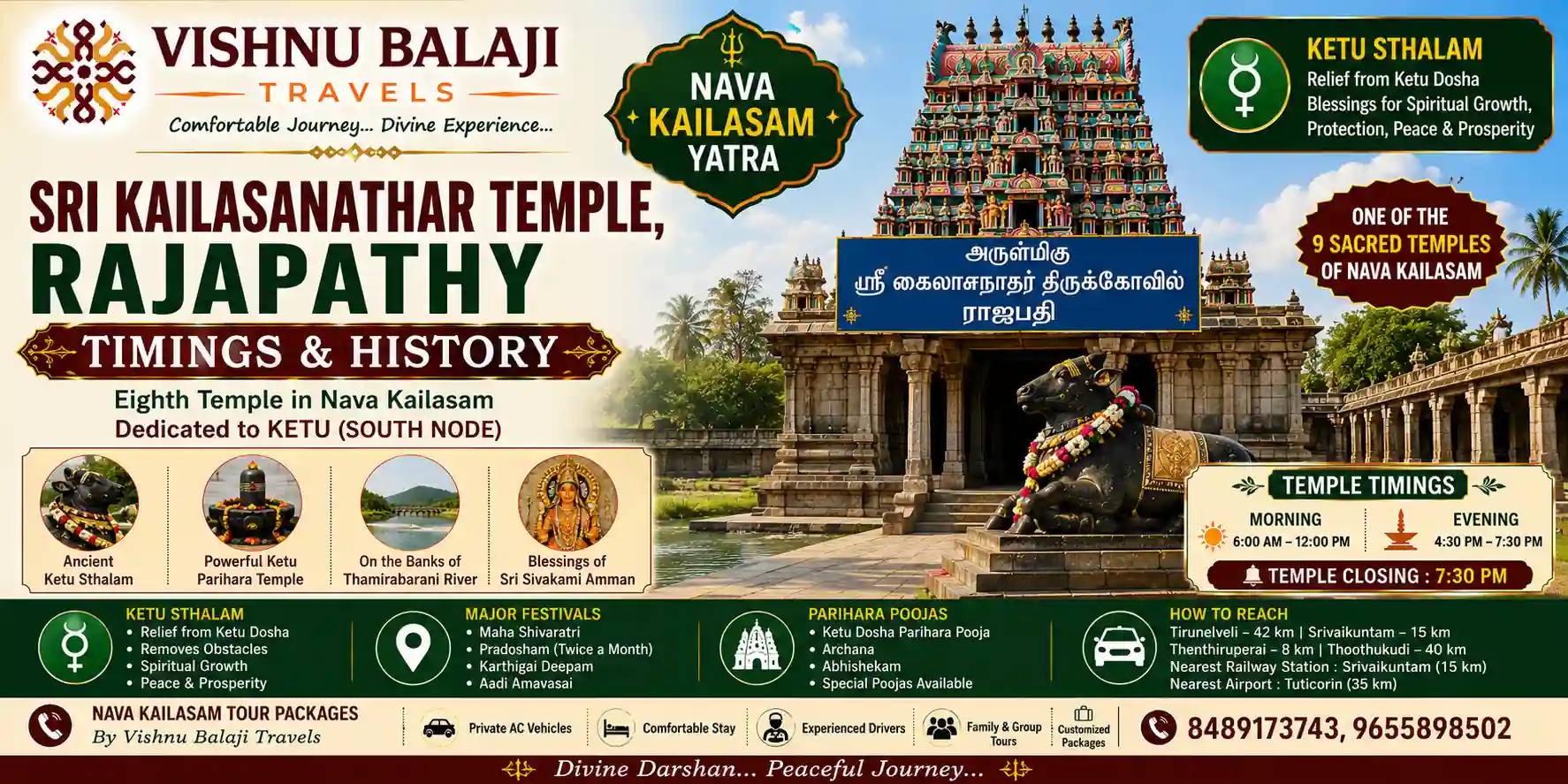
The circuit includes Papanasam Temple, associated with Surya (the sun); Cheran Mahadevi Temple, linked to Chandra (the moon) and known as Chandran Sthalam; Kodaganallur Temple, dedicated to Chevvai (Mars), located 15 km from Tirunelveli; and Kunnathur Temple, associated with Rahu and known as Raagu Sthalam, where snake imagery appears on the deity. Murappanadu Temple, 17 km from Tirunelveli, is designated as Guru Sthalam and houses Kailasanathar with his consort Sivakamiammal. Thiruvaikundam Temple serves those seeking relief from Saturn's effects. Thenthirupperai Temple, 38 km from Tirunelveli on the route to Tiruchendur, is dedicated to Budhan (Mercury). Raajapathy Temple honors Kethu and is known for remedial rituals. Serndhapoomangalam Temple, where the ninth lotus is said to have touched the bank, is dedicated to Sukran (Venus). Each temple maintains its own deity name and consort, creating a comprehensive spiritual circuit aligned with Navagraha worship.
Visiting Hours and Temple Access
Individual temples maintain separate visiting schedules. Papanasam Temple opens from 06:00–12:00 and 16:00–19:00. Cheran Mahadevi Temple follows 06:00–12:00 and 16:00–19:00. Kodaganallur Temple is accessible 06:00–11:30 and 16:30–19:00. Kunnathur Temple operates 07:30–10:40 and 17:00–18:30. Raajapathy Temple maintains hours of 06:00–11:00 and 16:00–20:00. Specialized rituals occur at specific times; for example, Kethu Pooja at Raajapathy Temple is performed on Sundays (12:00–13:30) and Tuesdays (09:00–10:30). Visitors planning to visit multiple temples should allow sufficient time for travel between sites and check current timings before departure, as schedules may vary seasonally or for special observances.
Practical Information for Visitors
The temples are distributed across a wide geographical area in the Tirunelveli and Tuticorin districts, requiring either personal transport or organized pilgrimage tours to visit multiple sites. Modest dress is customary when entering Hindu temples; women typically wear salwar kameez, sarees, or equivalent modest clothing, while men wear dhotis or simple trousers and shirts. Shoes are removed before entering the sanctum. Photography policies vary by temple; visitors should inquire locally. The Tamirabarani River, central to the founding narrative, flows through the region and may be visible from certain temple locations. No major facilities are documented in the available sources; visitors should arrange accommodation and meals in nearby towns such as Tirunelveli or Tuticorin before beginning the circuit.
Planning Your Visit
A complete circuit of all nine temples requires careful planning due to their dispersed locations. Visitors typically undertake this pilgrimage over multiple days, combining visits with stays in larger towns. The best approach is to begin with temples closest to Tirunelveli and work outward, or to follow a route that minimizes backtracking. Local guides or organized pilgrimage services may assist in coordinating visits and explaining the significance of each site. The spiritual purpose of Nava Kailasam—to honor Shiva across nine sacred locations linked to celestial forces—makes this circuit particularly meaningful for those engaged in Navagraha worship or seeking comprehensive Shiva darshan across South Tamil Nadu.
How to reach


You may also visit
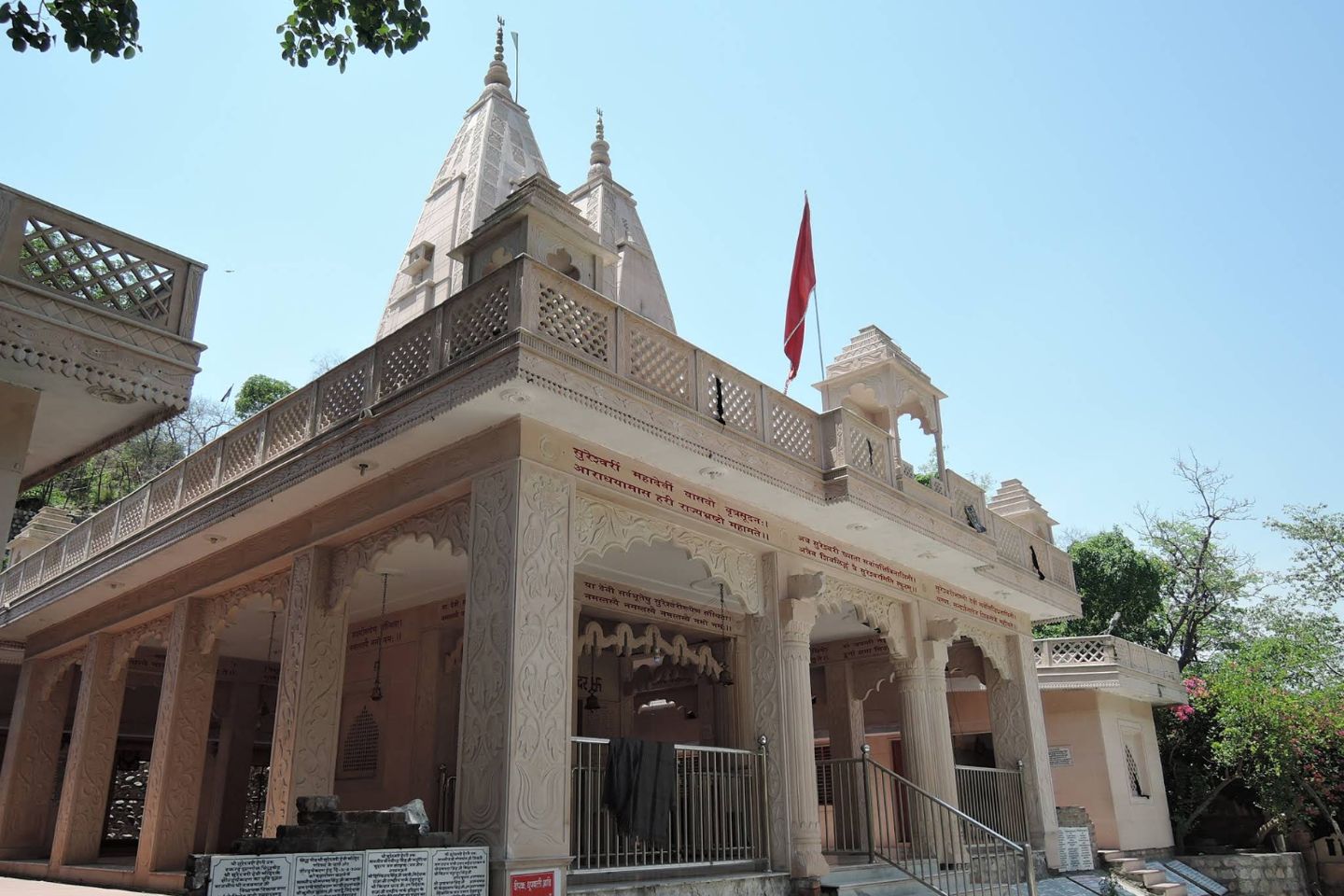
Sureshwari Devi Temple
Sureshwari Devi Temple in Haridwar is a forest shrine dedicated to the goddess, situated within the Ranipur Range area near Rajaji National Park, offering a secluded spiritual e…
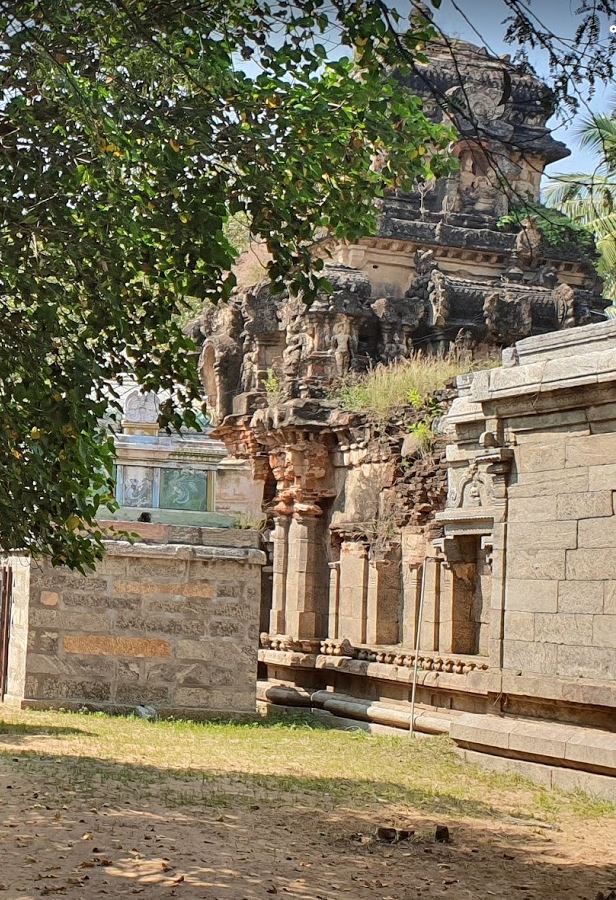
Agatheeswarar Temple, Karur
Agatheeswarar Temple in Thirumukkudalur, Karur district, is an ancient Hindu shrine dedicated to Shiva, situated at the sacred confluence of three rivers and believed to be over…

Shani Shingnapur
Shani Shingnapur is a renowned temple in Maharashtra dedicated to Lord Shani, featuring a self-emerged black stone idol worshipped under open sky. The temple is located in a uni…
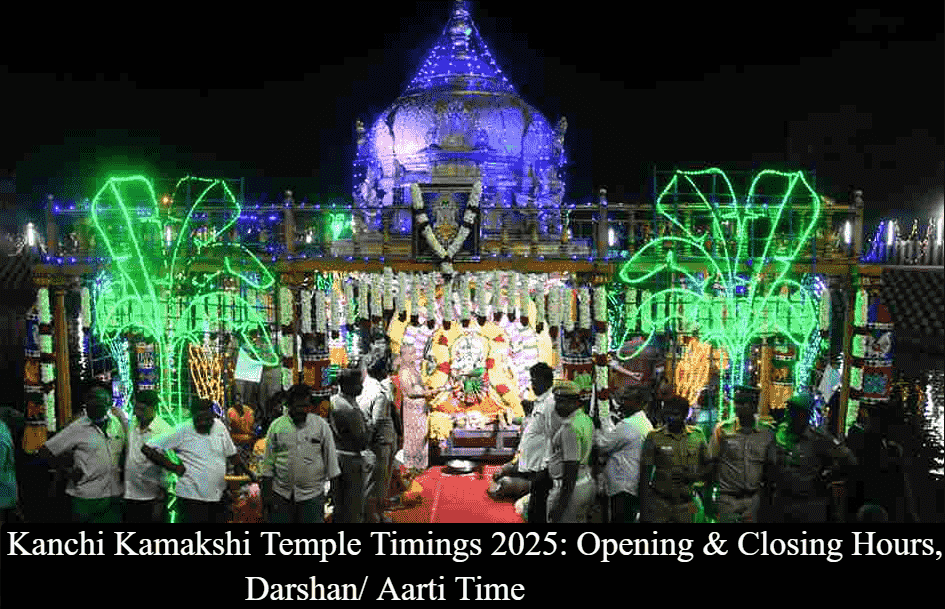
Kamaksha
Arulmigu Kamakshi Amman Temple in Mangadu, near Chennai, is dedicated to the goddess Kamakshi, an aspect of Adi Parashakti. According to legend, the goddess performed austeritie…
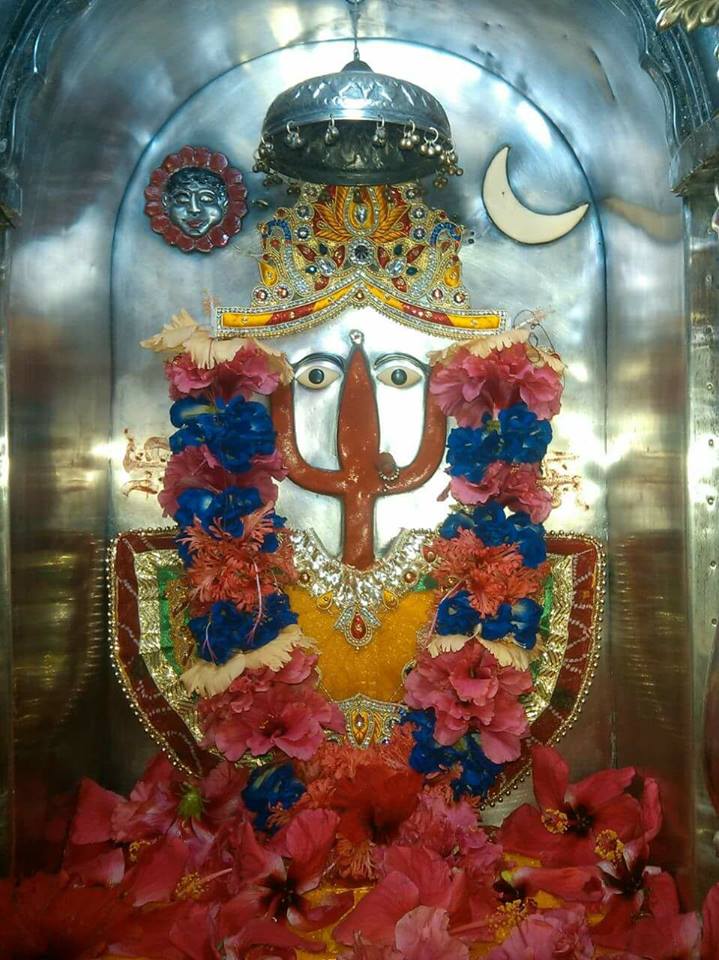
Guhaditya temple
Guhaditya temple in Dwarka is an ancient shrine dedicated to the sun deity, established over 150 years ago. Pilgrims enter through the Swarg Dwar (Gateway to Heaven) and exit vi…
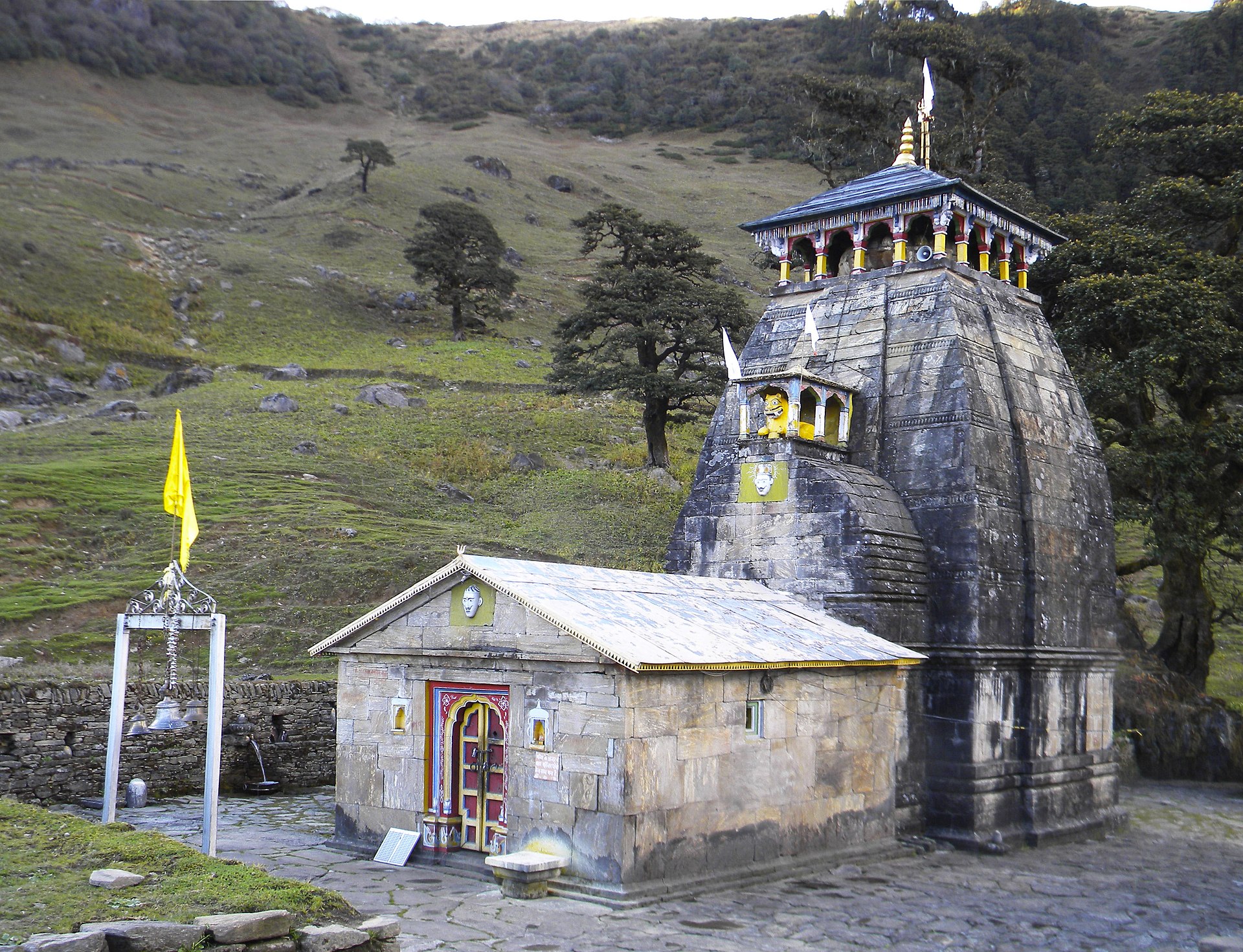
Madhyamaheshwar Temple
Madhyamaheshwar Temple is one of the five sacred Shiva shrines in the Panch Kedar pilgrimage circuit, located in the Garhwal Himalayas of Uttarakhand. Each temple in the circuit…