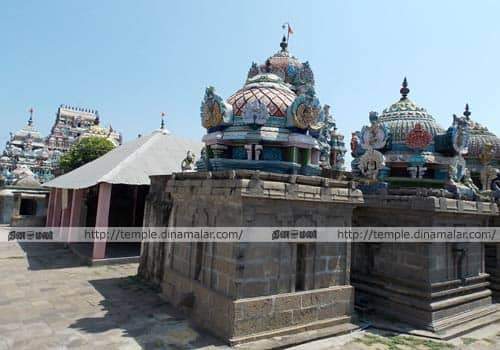
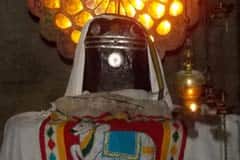
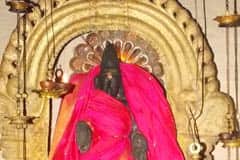
Nagapattinam Naganathaswamy Temple
About Nagapattinam Naganathaswamy Temple
The temple observes a structured daily schedule. Morning hours run from 4:00 to 8:30 a.m., with forenoon darshan from 6:00 a.m. to 12:30 p.m. Evening worship begins at 4:30 p.m. and continues until 8:30 p.m. The Kala Sandhi Puja, a significant ritual marking the transition between day and night, takes place from 6:00 to 7:00 a.m. Devotees planning their visit should note these windows, as they determine when the deity is accessible for darshan.
The temple follows the Kamya Agama tradition in its ritual practices, which shapes the form and sequence of daily worship. Visitors should plan their visit according to these timings, as access to the sanctum varies throughout the day.
Festivals and Observances
The temple celebrates several major festivals throughout the year. Maha Shivaratri, the great night dedicated to Lord Shiva, draws devotees during February-March. Karthikai Deepam, observed in October-November, is another significant occasion. Masi Magam, typically falling in February, is also observed here. Beyond these major festivals, the temple conducts pujas on Pradosha days—the twilight hours of the dark and bright fortnights—and on the 13th day of lunar cycles. These observances follow the lunar calendar and offer regular occasions for worship beyond the major festivals.
Visiting Information
The temple is located at Sivan Sannathi Street in Nagore, Nagapattinam District, Tamil Nadu, with the postal code 611002. The coordinates are 10.766119, 79.838871 for those using GPS navigation. Contact can be made at +91 98652-69553 for specific inquiries about rituals or special occasions.
Visitors should dress modestly, as is customary at Hindu temples. Men typically wear dhoti or simple trousers; women wear sarees or salwar kameez. Footwear is removed before entering the sanctum. Photography policies vary; it is best to inquire at the temple entrance. The temple does not charge an entry fee, though voluntary donations support its maintenance.
Spiritual Significance
The temple's spiritual importance rests partly on its antiquity and partly on its association with serpent worship and planetary remedies. Local belief holds that the land surrounding the temple has remained free from snake bites, a claim tied to the protective power attributed to Lord Naganathaswamy. Devotees perform rituals here believing they address ancestral debts and planetary imbalances. The performance of shraddha (ancestral rites) at this location is believed to carry the merit of performing such rituals at Gaya, one of Hinduism's most sacred pilgrimage sites.
How to reach


You may also visit
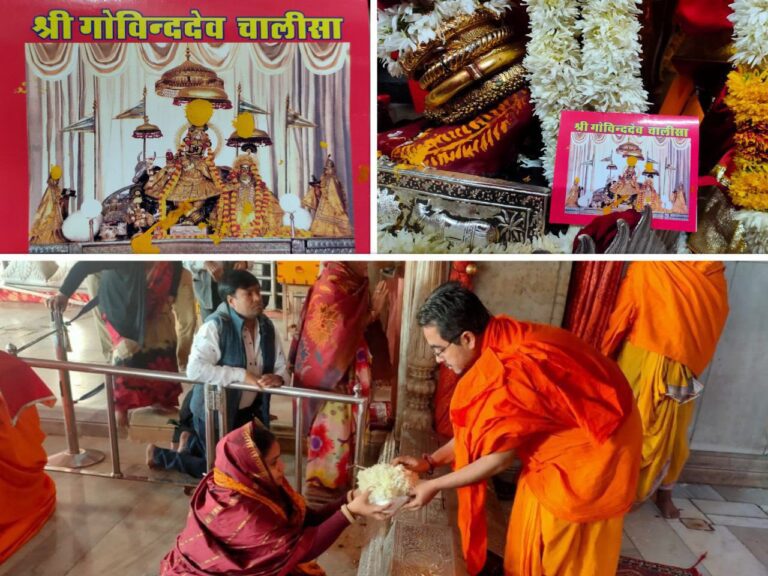
Kalyanji Temple
Kalyanji Temple in Jaipur's Chandpol Bazaar is approximately two centuries old and renowned for displaying the twenty-four avatars of Krishna, visible only twice yearly during Akha Teej and Patottsav festival.
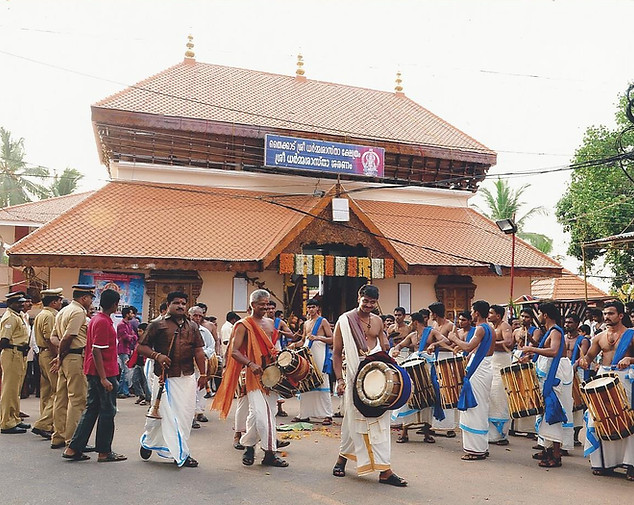
Sastha (Ayyappan) Temple
Sree Dharma Sastha Temple in Thycaud, Thiruvananthapuram, is a centuries-old shrine where the deity manifests as Dhanwanthari, the divine healer, holding the sacred blue lotus.
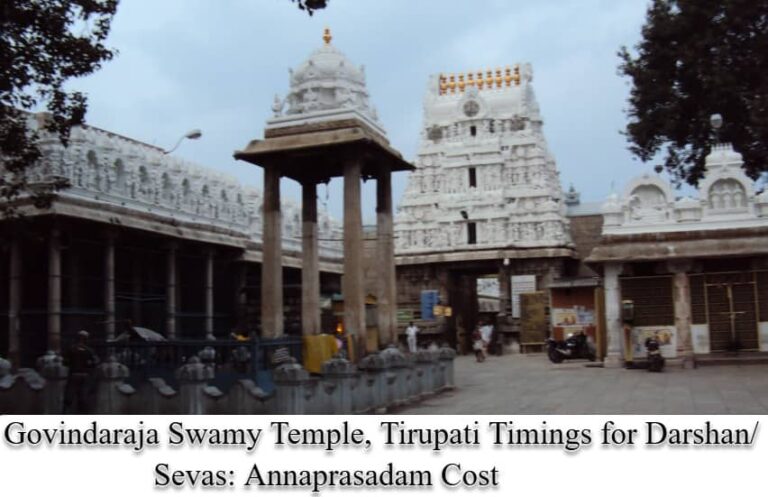
Govindarajaswamy Temple
Sri Govindarajaswamy Temple in Tirupati is an ancient Vaishnavaite shrine consecrated in 1130 AD by Saint Ramanuja, where the presiding deity rests in eternal Yoga Nidra on the serpent Adisesha.