
Na-Pukhuri Shiva Dol
About Na-Pukhuri Shiva Dol
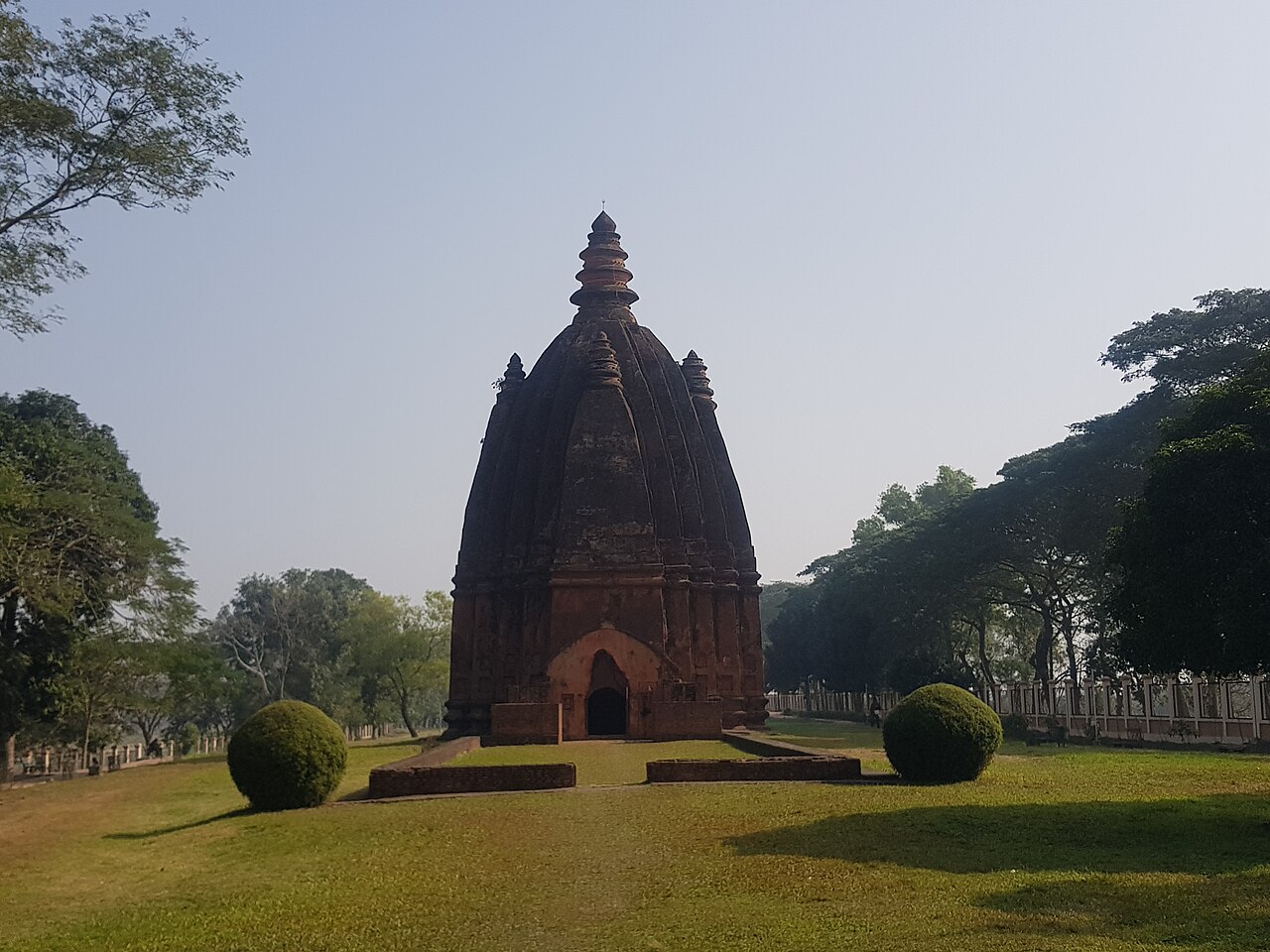
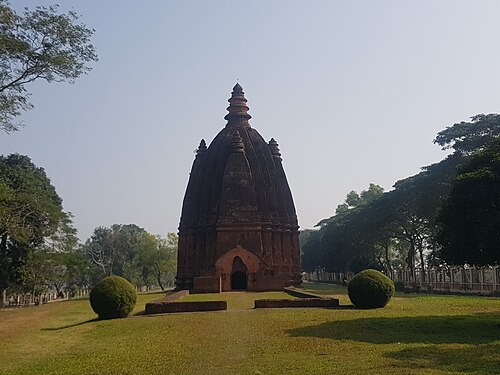
The Na-Pukhuri Shiva Dol exemplifies the Tri-Ratha architectural style, a design featuring three distinct sections or towers that create a visually distinctive silhouette. This approach to temple construction was characteristic of Ahom-period architecture, which drew on regional traditions while incorporating elements recognizable across Hindu temple building. The Tri-Ratha form allowed architects to create temples of considerable presence without the massive scale of some southern Indian complexes, making efficient use of materials and space.
Ahom architectural traditions emphasize proportional harmony and careful attention to structural detail. The temple's construction in 1773 places it within a period of active temple building in Assam, when communities invested in permanent religious structures that would endure for centuries. The specific materials and construction techniques employed reflect the resources and skills available in 18th-century Sivasagar, adapted to the region's climate and geography.
Worship of Shiva and Daily Practice
Shiva worship in Hindu tradition centers on meditation, asceticism, and the cycles of creation and dissolution. Temples dedicated to Shiva typically maintain regular daily rituals involving offerings, prayers, and the ringing of bells to mark sacred moments. The specific practices at Na-Pukhuri Shiva Dol would follow conventions common to Shiva temples across Assam, though detailed information about current daily schedules and ritual procedures is not available from the sources consulted.
Devotees visiting Shiva temples typically participate in darshan—the act of viewing the deity's image or symbol—as a central spiritual practice. The timing and accessibility of darshan varies by temple; visitors planning to worship at Na-Pukhuri Shiva Dol should inquire locally about current opening hours and any restrictions on entry.
Sivasagar as a Pilgrimage Destination
Sivasagar holds particular importance in Assamese religious geography. The town itself developed around sacred sites and water bodies, with multiple temples reflecting centuries of devotional practice. Na-Pukhuri Shiva Dol forms part of this larger sacred landscape, situated among other temples and shrines that draw both local worshippers and pilgrims from beyond the region.
The presence of the sacred pool (pukhuri) near the temple adds to its spiritual significance. In Hindu tradition, water bodies associated with temples are often considered purifying and auspicious, and devotees may perform ritual bathing or circumambulation as part of their worship.
Visiting the Temple
Visitors to Na-Pukhuri Shiva Dol should dress modestly, covering shoulders and knees, as is customary at Hindu temples. Shoes are typically removed before entering the inner sanctum. The temple is located in Sivasagar, Sibsagar district, Assam, and can be reached by road from major towns in the region. Local inquiry will provide current information about darshan timings, any festivals being observed, and any specific protocols the temple maintains.
Those planning a visit should check locally for current opening hours, as these may vary seasonally or for maintenance. Photography policies vary by temple; it is respectful to ask permission before photographing the deity or inner sanctum.
Reaching Sivasagar
Sivasagar is accessible by road from Assam's major cities. The town serves as a regional hub for pilgrimage and cultural tourism, with basic facilities for visitors. Accommodation and food options are available in the town, and local guides can provide directions to the temple and information about other sacred sites in the area. The journey to Na-Pukhuri Shiva Dol can be combined with visits to other temples in Sivasagar, making it a meaningful stop for those exploring Assam's religious heritage.
How to reach

You may also visit
Sureshwari Devi Temple
Sureshwari Devi Temple in Haridwar is a forest shrine dedicated to the goddess, situated within the Ranipur Range area near Rajaji National Park, offering a secluded spiritual e…
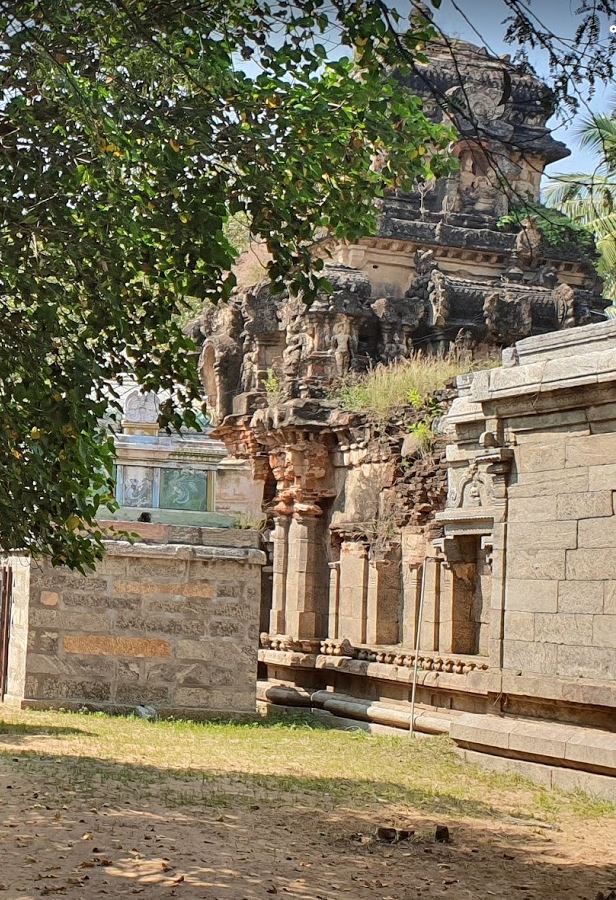
Agatheeswarar Temple, Karur
Agatheeswarar Temple in Thirumukkudalur, Karur district, is an ancient Hindu shrine dedicated to Shiva, situated at the sacred confluence of three rivers and believed to be over…

Shani Shingnapur
Shani Shingnapur is a renowned temple in Maharashtra dedicated to Lord Shani, featuring a self-emerged black stone idol worshipped under open sky. The temple is located in a uni…

Kamaksha
Arulmigu Kamakshi Amman Temple in Mangadu, near Chennai, is dedicated to the goddess Kamakshi, an aspect of Adi Parashakti. According to legend, the goddess performed austeritie…
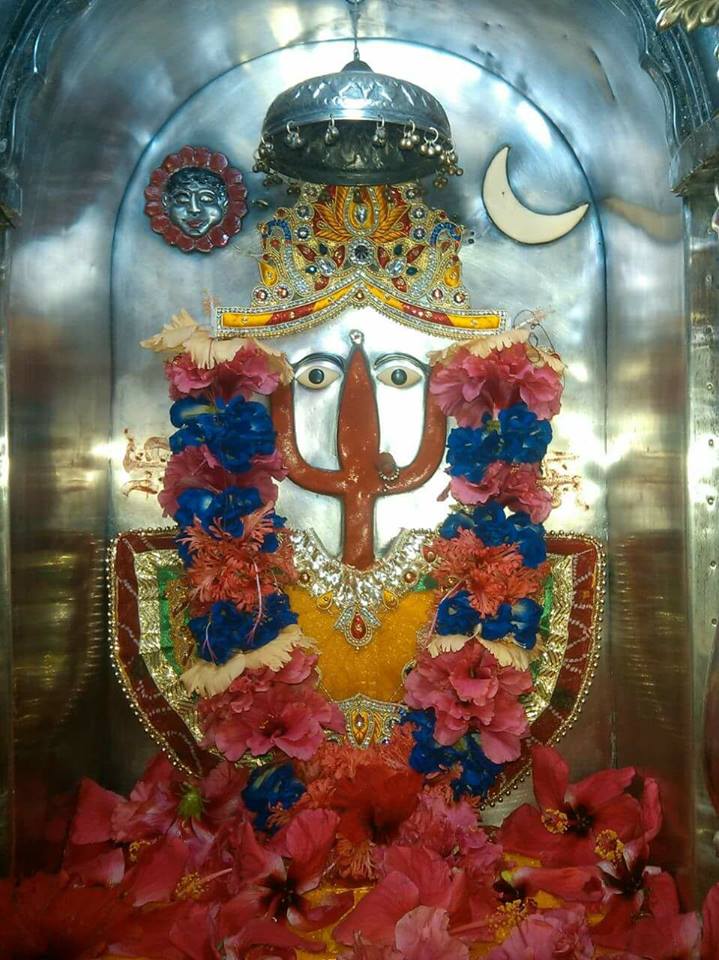
Guhaditya temple
Guhaditya temple in Dwarka is an ancient shrine dedicated to the sun deity, established over 150 years ago. Pilgrims enter through the Swarg Dwar (Gateway to Heaven) and exit vi…
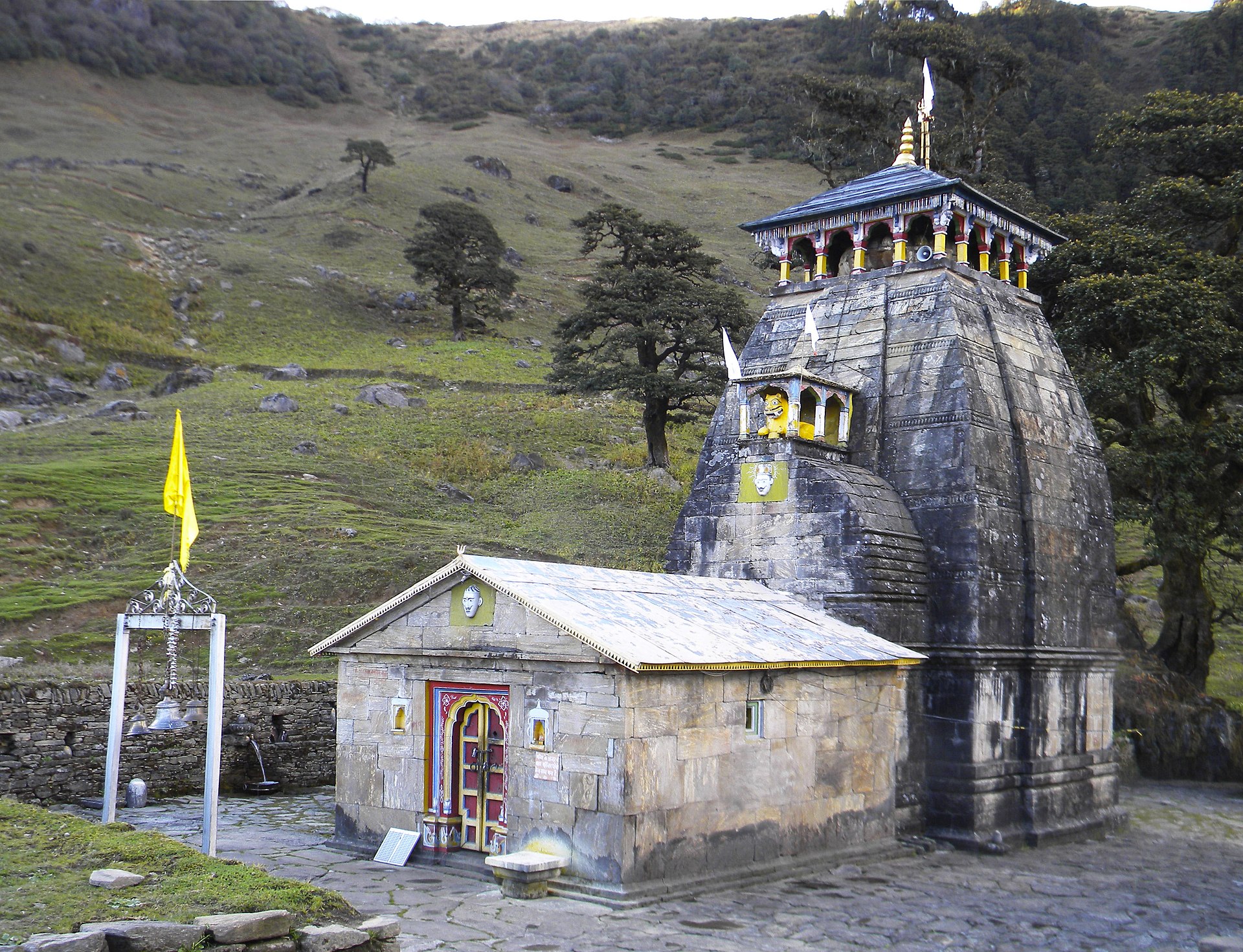
Madhyamaheshwar Temple
Madhyamaheshwar Temple is one of the five sacred Shiva shrines in the Panch Kedar pilgrimage circuit, located in the Garhwal Himalayas of Uttarakhand. Each temple in the circuit…