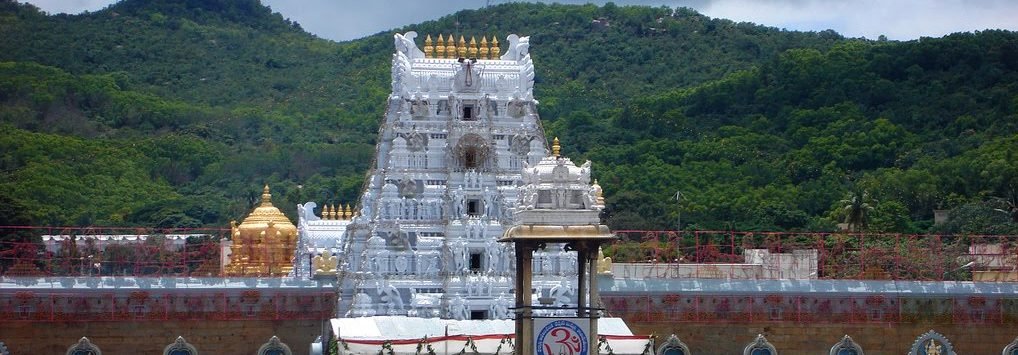
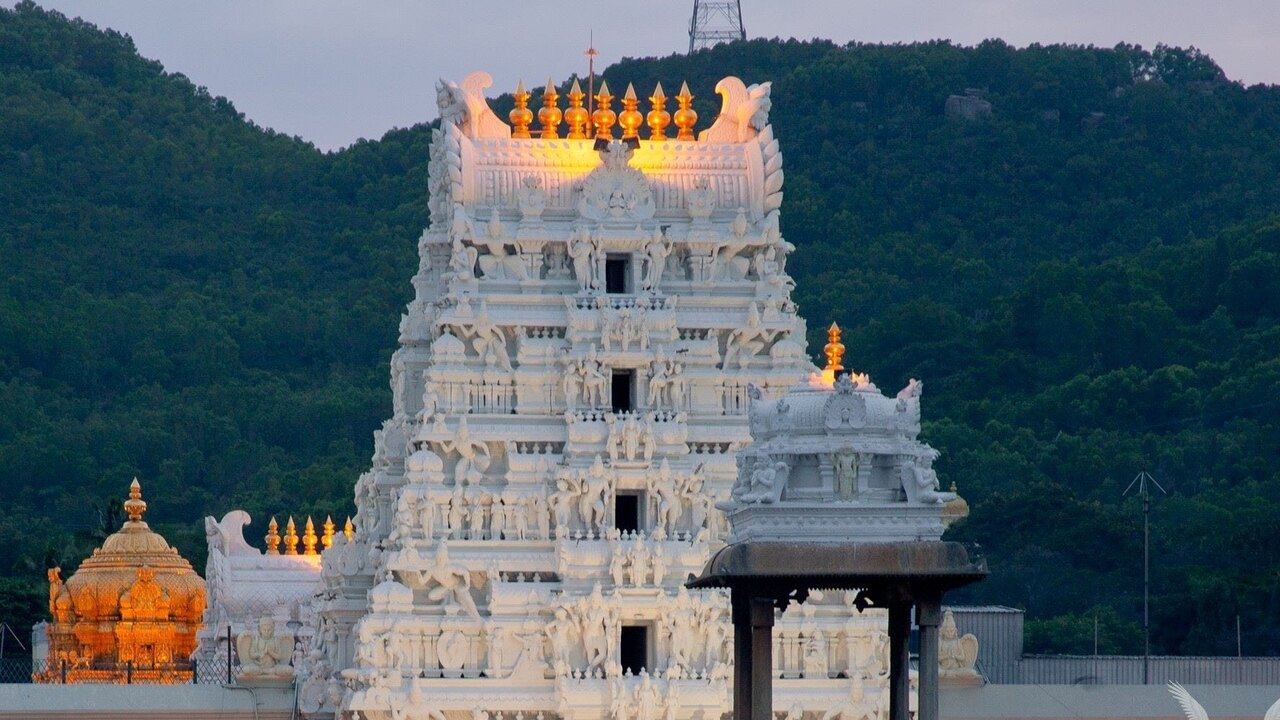
Meru tower
About Meru tower
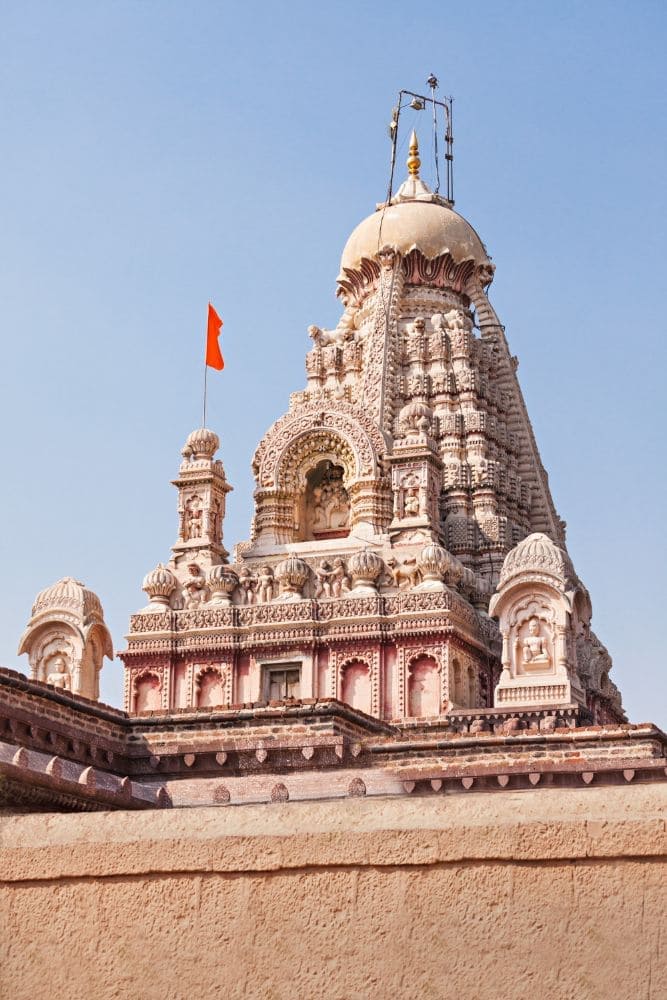
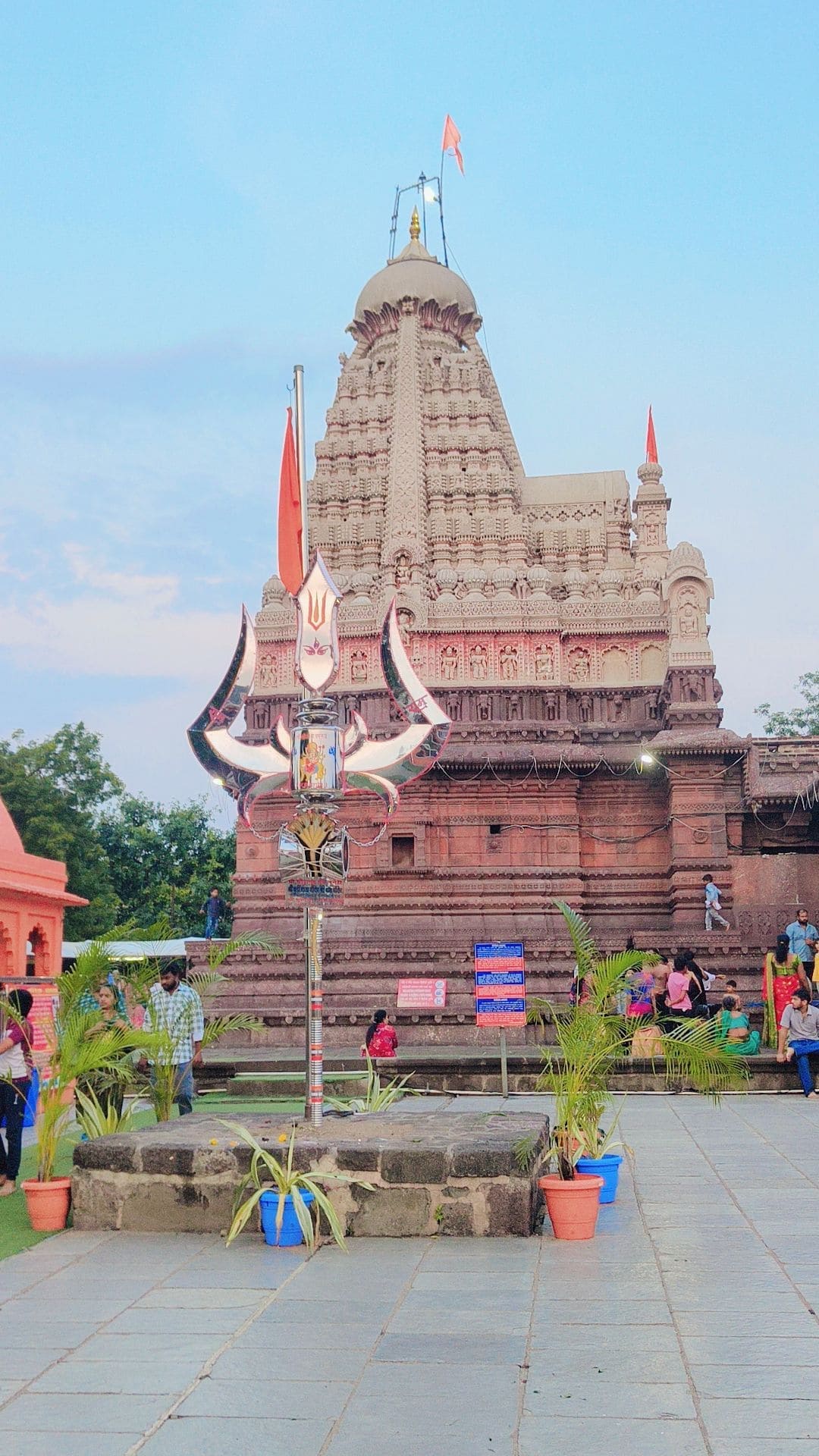
The temple's present form reflects the devotion of two significant historical figures. Maloji Bhosale, grandfather of the Maratha leader Chhatrapati Shivaji Maharaj, first rebuilt the temple in the sixteenth century. Later, in the eighteenth century, Queen Ahilyabai Holkar undertook a complete reconstruction, establishing the structure that stands today. This layered history connects the temple to important chapters of regional history and demonstrates the continuity of worship across centuries.
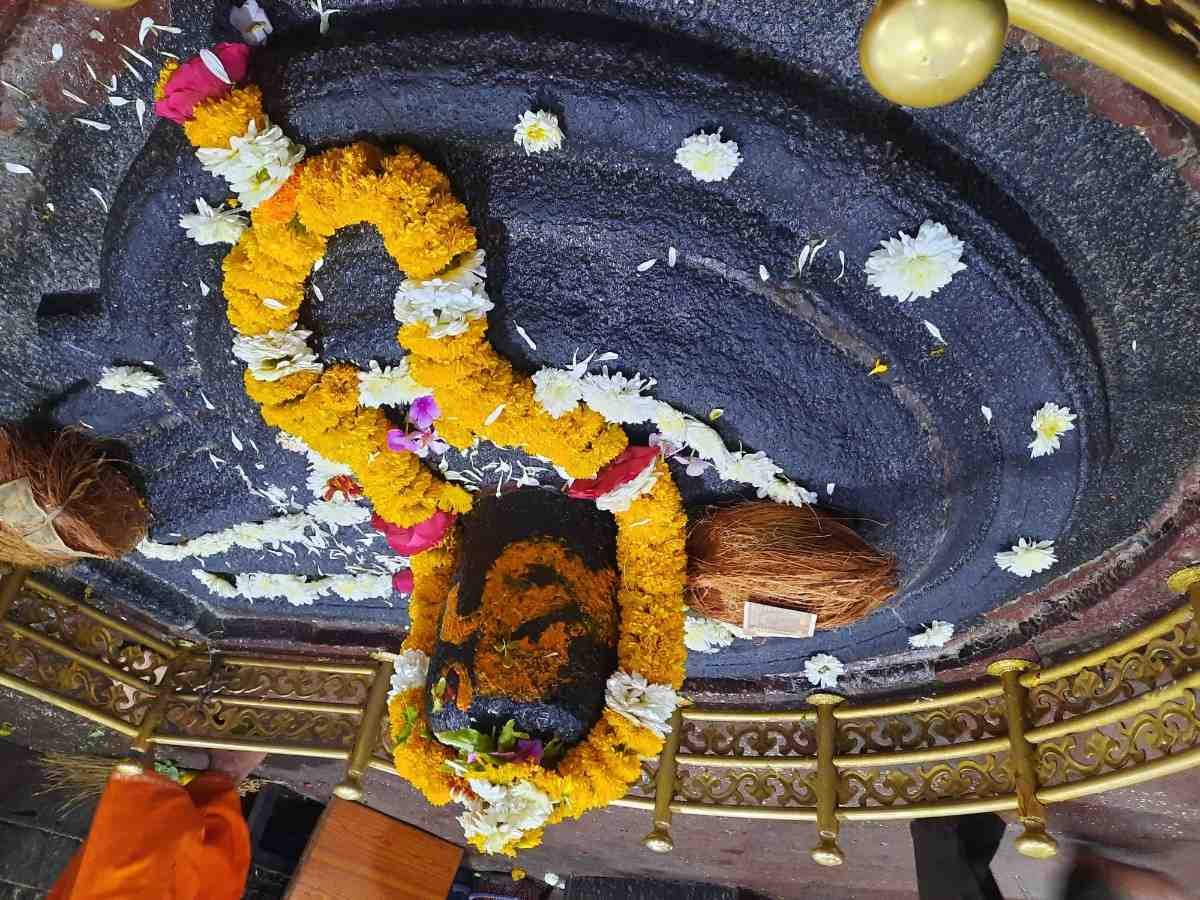
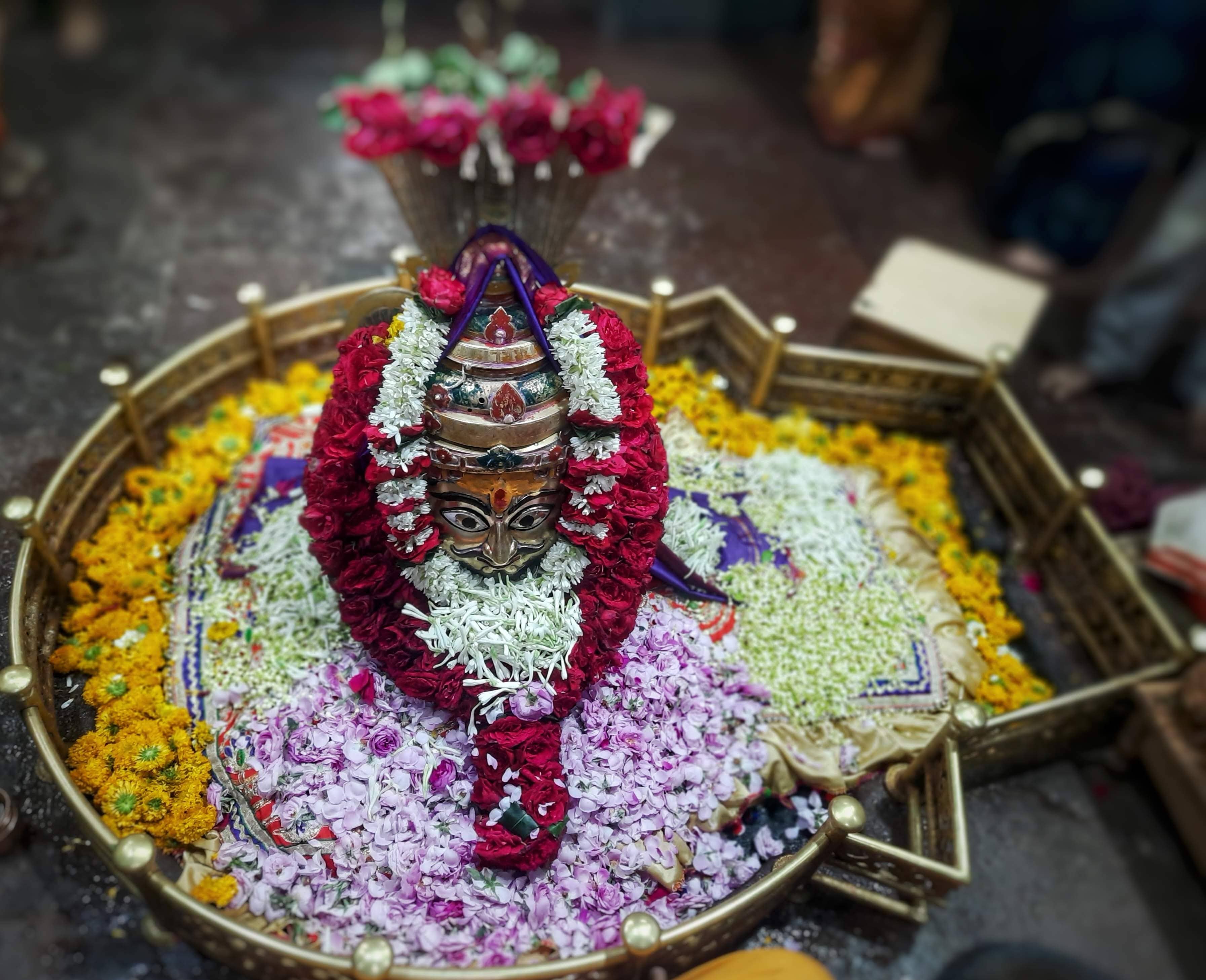
The architecture of Grishneshwar Temple is distinctive for its use of red stone and its adherence to South Indian architectural principles—a style uncommon in Maharashtra. The temple occupies an area of 44,000 square feet and features golden finishing alongside the red stone construction. Within the inner sanctum, or Garbhagriha, the sacred Shivling is enshrined. At the entrance stands a Nandi statue, the sacred bull associated with Lord Shiva. The walls and pillars are adorned with carved representations of Lord Shiva, Goddess Parvati, and other divine figures, creating a visual narrative of Hindu devotional art.
Daily Worship and Darshan
The temple maintains a structured schedule for devotees seeking darshan and participation in worship. Morning darshan begins at 5:30 AM and continues until noon, with an afternoon break. Evening darshan resumes at 1:00 PM and extends until 9:00 PM, accommodating both early risers and those visiting in the later hours. This extended schedule reflects the temple's accessibility to pilgrims with varying routines.
Three principal aartis mark the spiritual rhythm of each day. The morning aarti takes place at 5:00 AM, followed by the Bhog Aarti at noon, and the evening aarti at 8:00 PM. Puja services are conducted during morning hours from 6:00 AM to 11:30 AM and again in the afternoon from 2:00 PM to 7:00 PM. Devotees wishing to participate in these rituals or make offerings should plan their visits accordingly.
Visiting Information and Etiquette
Visitors should arrive with awareness of the temple's sacred nature and the devotional practices observed there. Modest dress is customary; remove footwear before entering the inner sanctum. The temple grounds can become crowded during peak darshan hours, particularly in the early morning and evening. Arriving during off-peak times may allow for a more contemplative experience.
Photography policies vary within temple complexes; it is advisable to inquire at the entrance regarding restrictions in specific areas. Donations are accepted for temple maintenance and charitable activities. The temple's official website provides information on donation options for those wishing to contribute to its upkeep.
Nearby Attractions
The temple's location near Ellora Caves positions it within a region of considerable historical and spiritual significance. The Ellora Caves, a UNESCO World Heritage Site, lie approximately 2 kilometers away and represent an extraordinary repository of rock-cut architecture spanning multiple religious traditions. Other nearby sites include Bhadra Maruti Temple, Daulatabad Fort, and the Aurangabad Caves, allowing visitors to structure a broader pilgrimage or heritage tour around their visit to Grishneshwar.
Reaching the Temple
Grishneshwar Temple is accessible by air, train, and road from major Indian cities. Aurangabad serves as the nearest significant urban center, with transportation connections to Mumbai, Hyderabad, and other major hubs. From Aurangabad, the temple is reached via road to Verul village. Visitors planning their journey should allow time for travel to this regional location and consider combining their visit with exploration of the nearby Ellora Caves complex.
How to reach
You may also visit
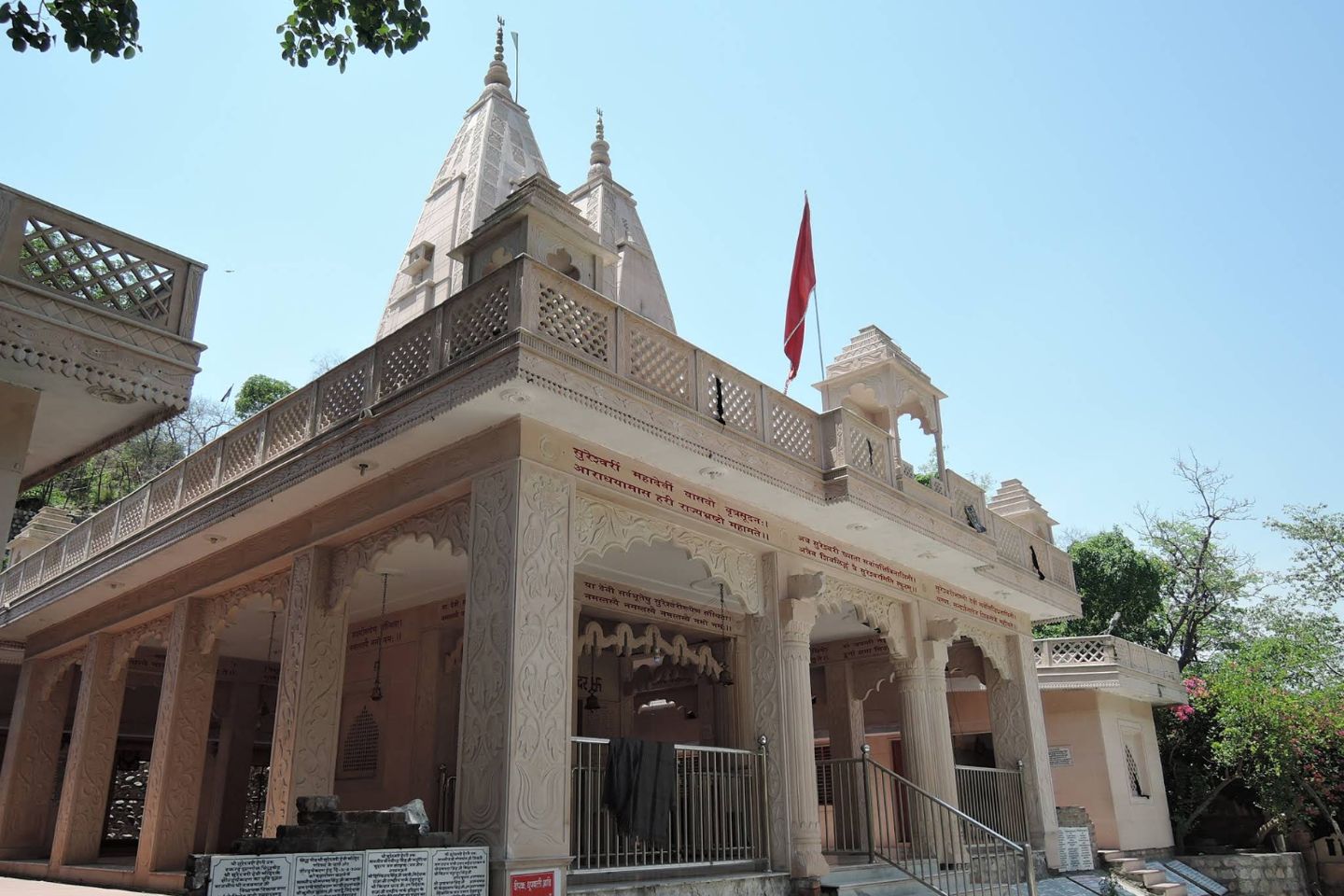
Sureshwari Devi Temple
Sureshwari Devi Temple in Haridwar is a forest shrine dedicated to the goddess, situated within the Ranipur Range area near Rajaji National Park, offering a secluded spiritual e…
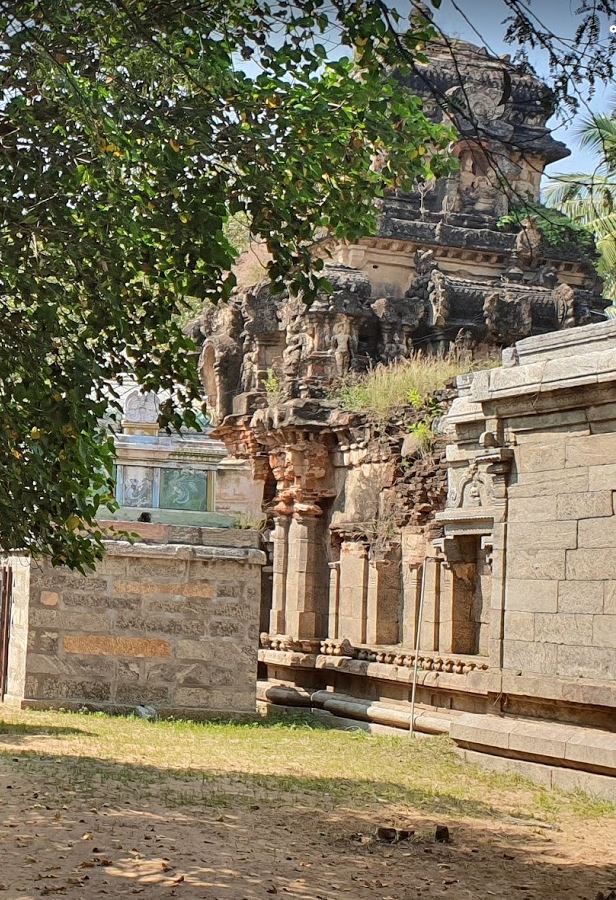
Agatheeswarar Temple, Karur
Agatheeswarar Temple in Thirumukkudalur, Karur district, is an ancient Hindu shrine dedicated to Shiva, situated at the sacred confluence of three rivers and believed to be over…

Shani Shingnapur
Shani Shingnapur is a renowned temple in Maharashtra dedicated to Lord Shani, featuring a self-emerged black stone idol worshipped under open sky. The temple is located in a uni…
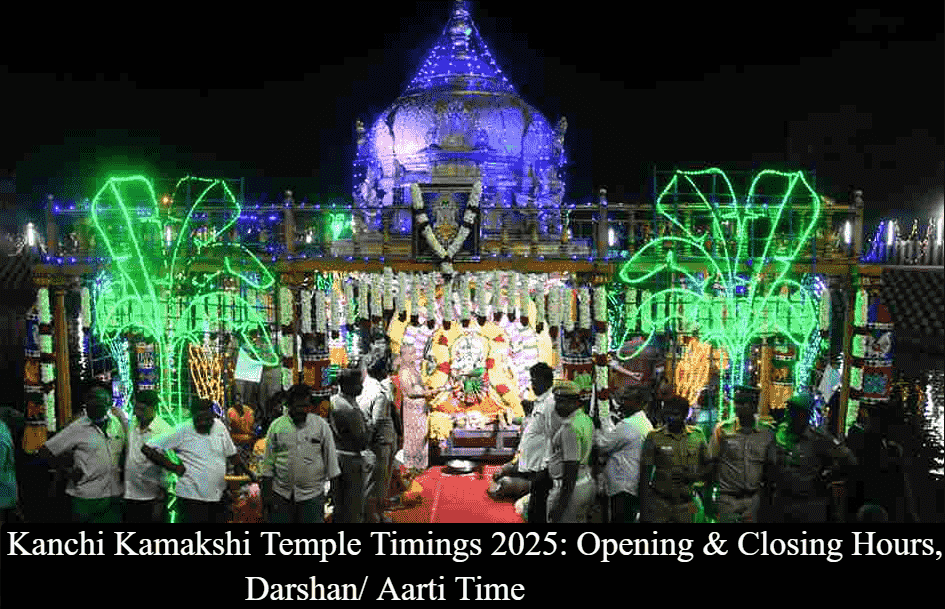
Kamaksha
Arulmigu Kamakshi Amman Temple in Mangadu, near Chennai, is dedicated to the goddess Kamakshi, an aspect of Adi Parashakti. According to legend, the goddess performed austeritie…
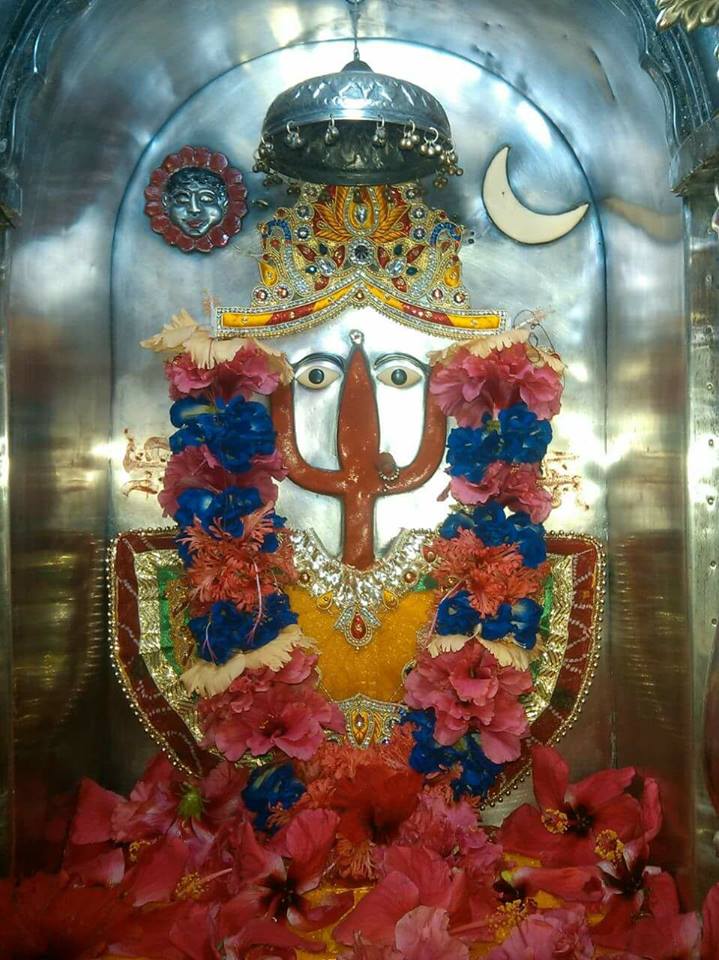
Guhaditya temple
Guhaditya temple in Dwarka is an ancient shrine dedicated to the sun deity, established over 150 years ago. Pilgrims enter through the Swarg Dwar (Gateway to Heaven) and exit vi…
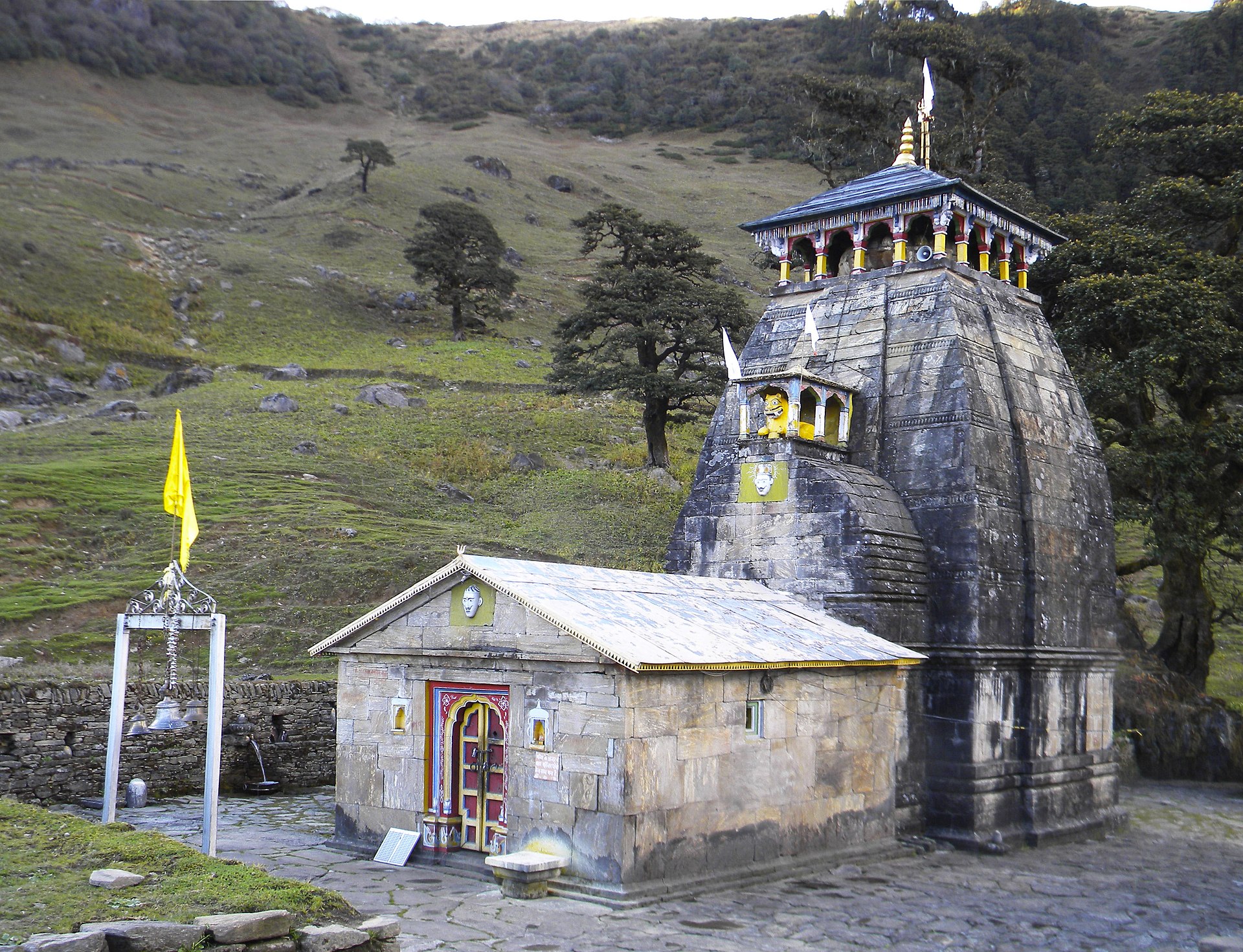
Madhyamaheshwar Temple
Madhyamaheshwar Temple is one of the five sacred Shiva shrines in the Panch Kedar pilgrimage circuit, located in the Garhwal Himalayas of Uttarakhand. Each temple in the circuit…