Meenangadi Matsyavatara Maha Vishnu Temple
About Meenangadi Matsyavatara Maha Vishnu Temple
Approximately five hundred years ago, a yogi bathing in a local pond observed a fish displaying behaviour he recognized as a divine sign. Interpreting this as a manifestation of Lord Vishnu, he installed an idol on the western bank of the pond, establishing the temple at this location. This origin story, rooted in direct spiritual experience rather than mythological narrative, reflects a particular strand of Hindu devotional practice where the sacred reveals itself through nature and personal encounter.
For much of its history, the temple was maintained by local tribal communities who preserved its sanctity through generations of worship. In 1983, management of the temple transitioned to a formal committee structure, a shift that brought systematic oversight while the community's foundational role in sustaining the shrine remained central to its identity.
Visiting Hours and Darshan
The temple opens early for morning worship, with darshan available from 5:00 AM to 10:30 AM. Evening hours run from 5:00 PM to 8:00 PM. These timings accommodate both early risers seeking the quieter atmosphere of dawn worship and those visiting after daily work. As with many Kerala temples, it is advisable to confirm current hours before travelling, particularly during festival periods when schedules may shift.
Visitors should dress modestly, covering shoulders and knees, as is customary in Hindu temples. The temple's serene setting and the spiritual focus of worship require respectful conduct throughout the premises. Photography policies vary; it is best to inquire at the temple entrance before taking images.
Location and Access
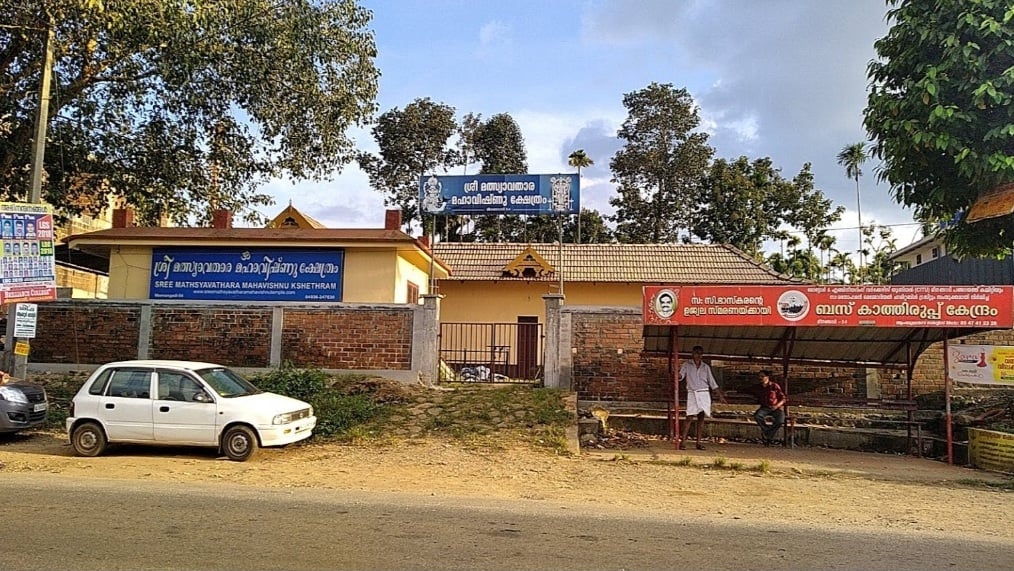
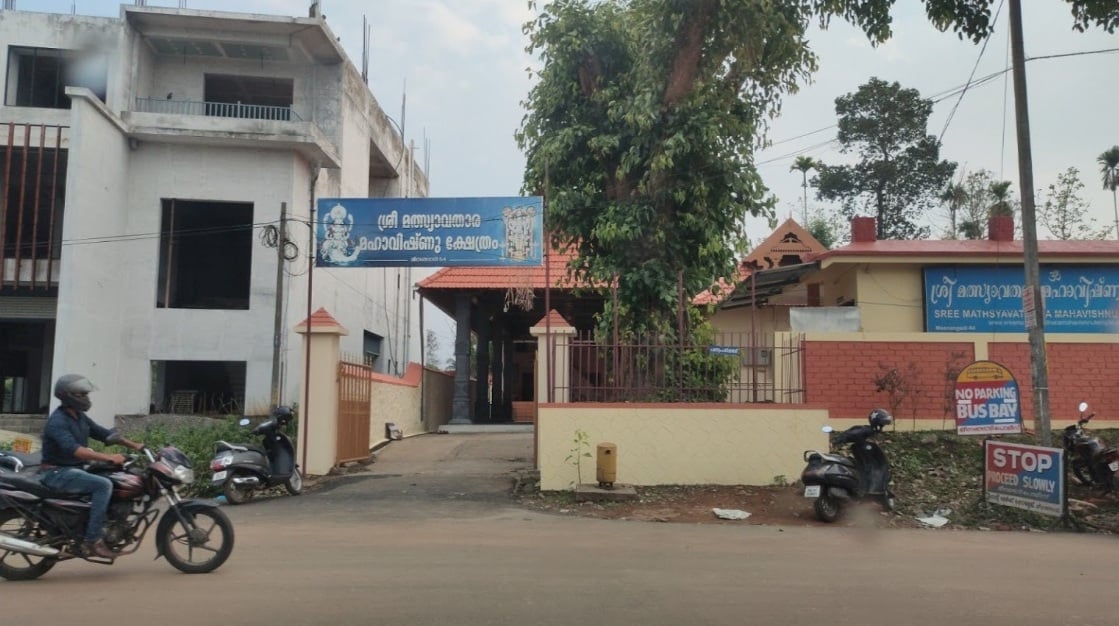
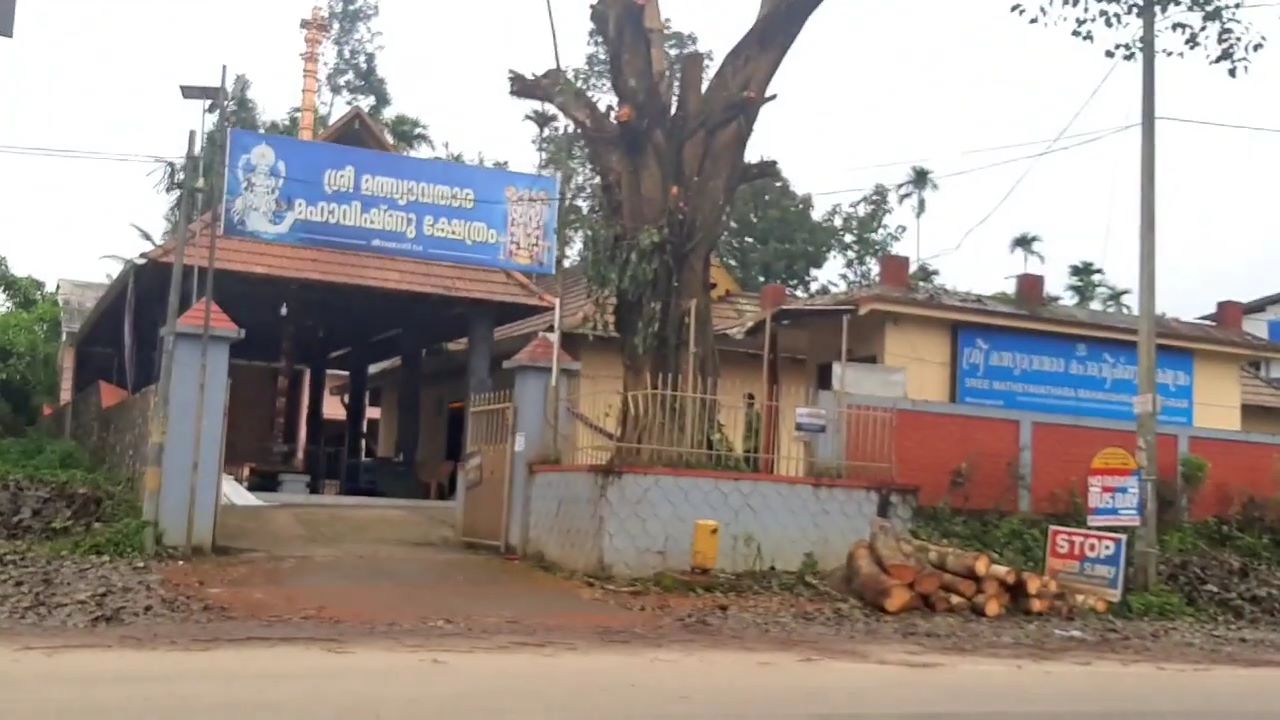
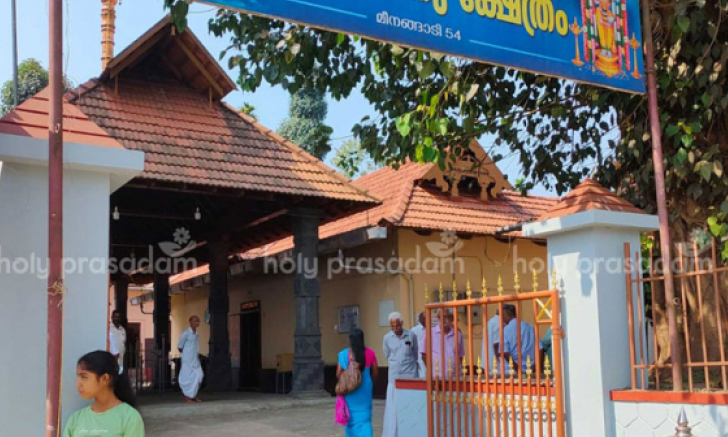
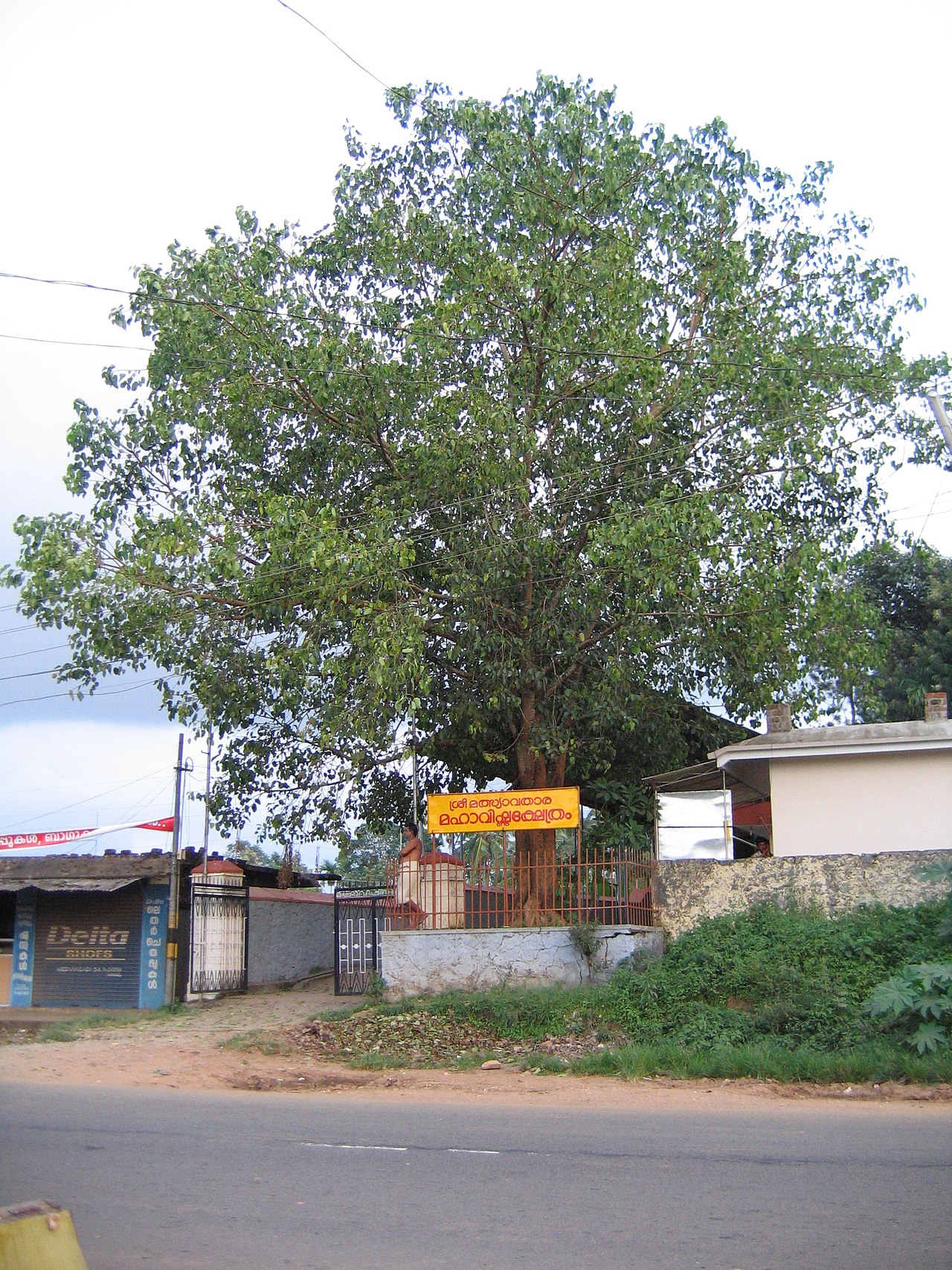
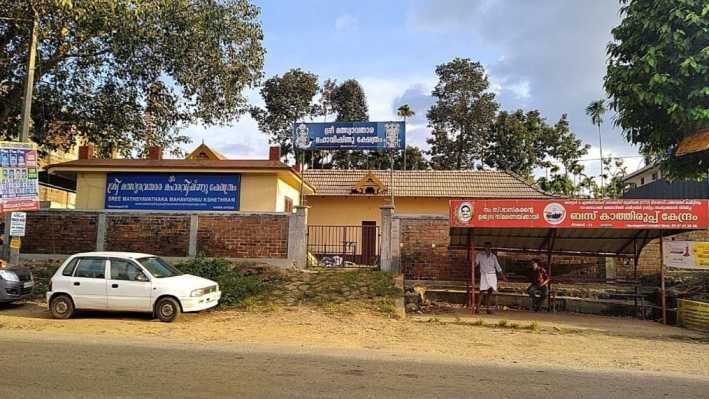
The temple stands on the Kalpetta-Sulthan Bathery Road in Vengoor, Wayanad district, Kerala, at coordinates 11.6587511, 76.1703895. Wayanad is accessible by road from major Kerala cities; the journey typically involves travel through the Western Ghats. The temple's location in a rural setting means that private transport or pre-arranged travel is most practical for visitors. The surrounding landscape reflects the natural beauty characteristic of the region, with the temple's original pond setting still forming part of its sacred geography.
The Temple Atmosphere
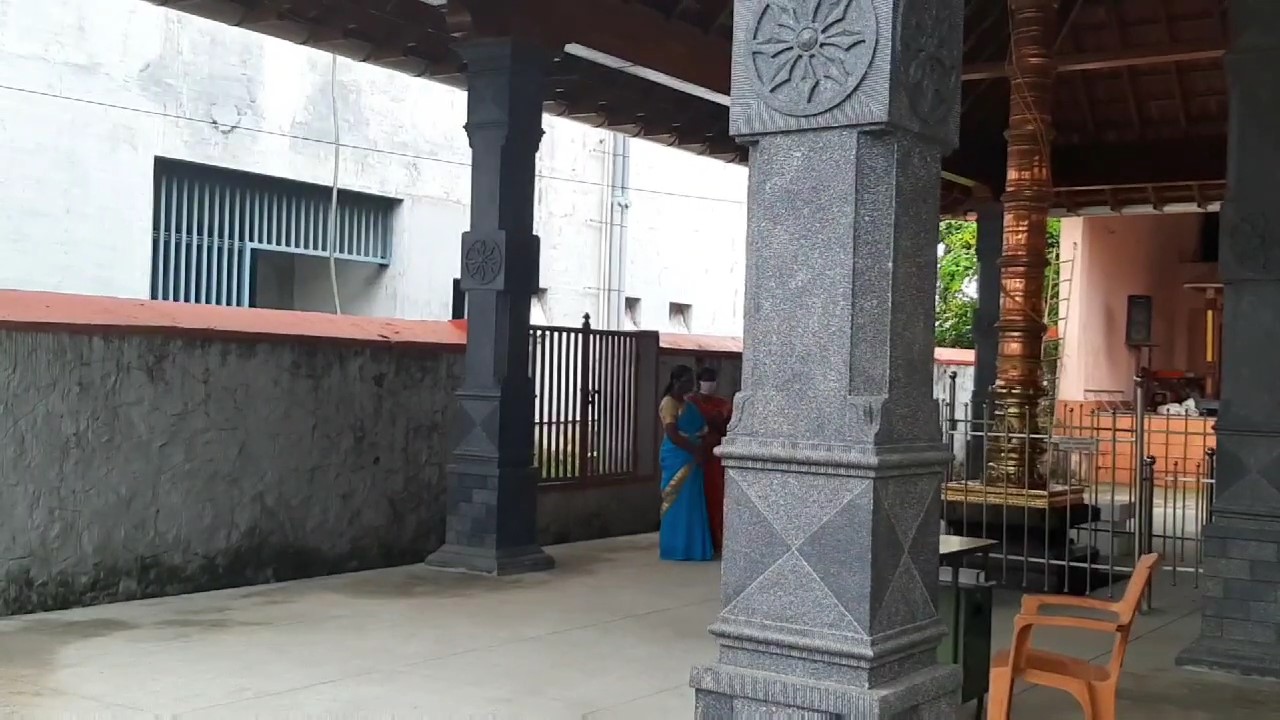
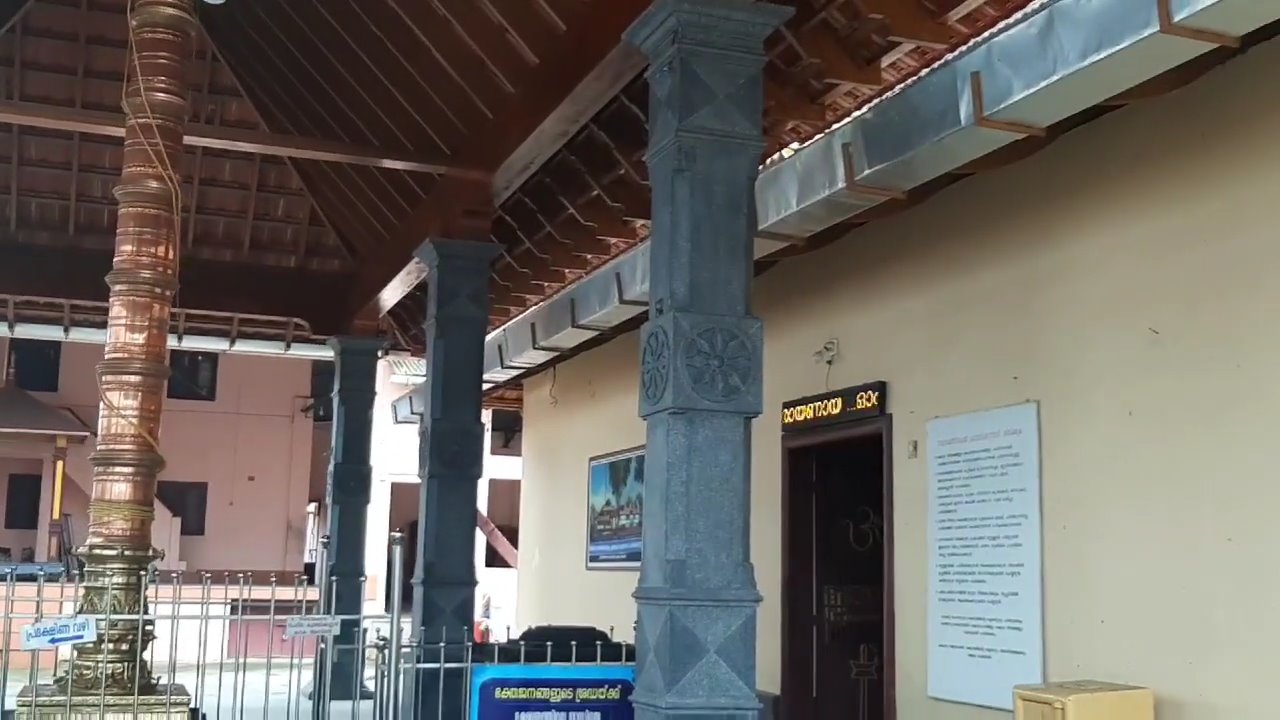
Surrounded by serene natural surroundings, the temple offers visitors a space marked by spiritual quietude and cultural continuity. The intricate craftsmanship visible in the temple's structure reflects centuries of devotional care, while the premises themselves carry the accumulated presence of generations of prayer and ritual. For those drawn to heritage sites, the temple represents an understated but enduring expression of Kerala's religious and cultural legacy.
The sense of peace reported by visitors stems partly from the temple's setting away from urban bustle, and partly from the focused devotional atmosphere maintained by regular worshippers and temple custodians. Whether visiting as a pilgrim or as a traveller interested in Kerala's spiritual heritage, the temple provides an authentic encounter with living Hindu worship practice.
Practical Information for Visitors
The temple has no major commercial facilities within its immediate grounds. Visitors should plan accordingly, bringing water and any necessary provisions. The nearest towns—Kalpetta and Sulthan Bathery—offer basic amenities and accommodation options for those wishing to stay in the area. Local inquiry at the temple or in nearby villages can provide guidance on available services.
Respectful behaviour toward active worship, other devotees, and temple staff is essential. The temple remains a functioning place of worship rather than a heritage monument, and visitors' presence should support rather than disrupt the spiritual life of the community.
How to reach
Temples near Meenangadi Matsyavatara Maha Vishnu Temple
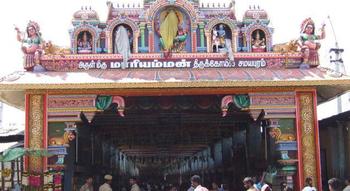
Mariyamman Kovil
Arulmigu Mariamman Temple in Samayapuram, Tiruchirappalli, is a prominent shrine dedicated to Mariamman (the goddess of rain and health). Located 15 km from Trichy on the Chenna…
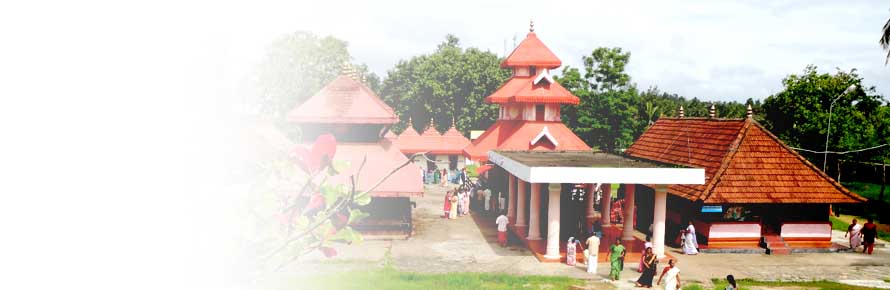
Pulpally Sita Devi Temple
The Seetha Devi Lava Kusa Temple in Pulpally, Wayanad, is a rare sanctuary dedicated to Goddess Sita and her sons Lava and Kusa, uniquely honoring their story from the Ramayana.
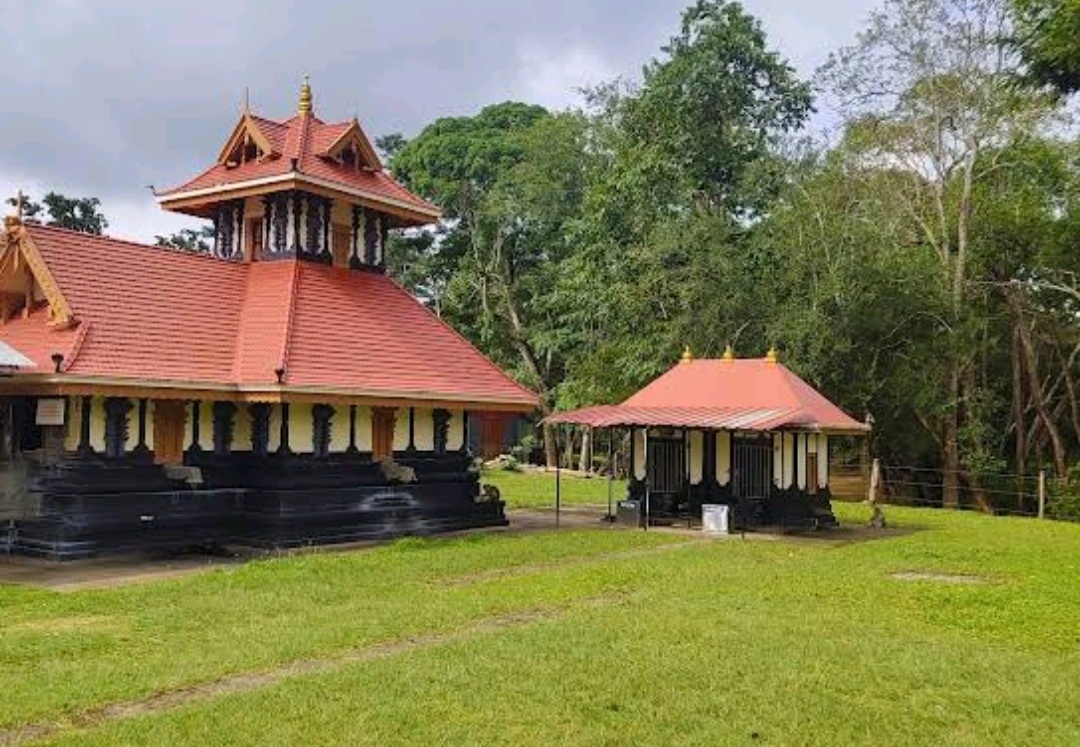
Seethalavakusa Temple (Pulpally)
An ancient hill temple in Pulpally, Wayanad, uniquely dedicated to Goddess Shakti alongside Sita Devi and her sons Lava and Kusha, reflecting rare Ramayana-centered devotion in…
Karat Shiva Temple
Karat Shiva Temple is an ancient Hindu shrine in Wayanad, Kerala, dedicated to Lord Shiva and established approximately one thousand years ago. The temple was destroyed by Tipu…
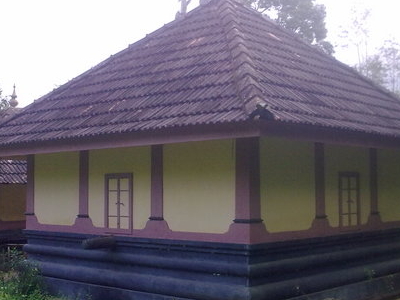
Mazhuvannur Maha Siva Kshethram
Mazhuvannur Maha Shiva Kshetram in Wayanad, Kerala is a major Shiva temple where Lord Shiva is believed to have appeared as a divine guard to Banasura's kingdom. According to le…
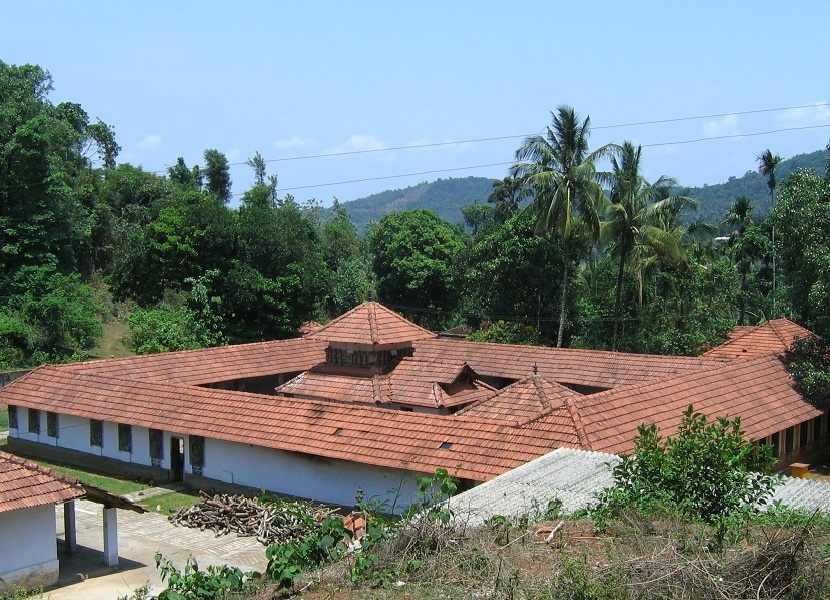
Thrissileri Mahadeva Temple
Thrissileri Mahadeva Temple is an ancient Shiva temple in Wayanad, Kerala, featuring a Swayambu linga and distinctive traditional architecture with exceptional carvings and a ti…