


Manakamana Temple
About Manakamana Temple
The temple observes strict Hindu Shakta ritual practices throughout each day. Morning pujas begin the worship cycle, followed by traditional bathing of the deity with panchamrit—a mixture of milk, yogurt, honey, ghee, and sugar—and the ritual adorning of the goddess known as shringar. These ceremonies follow patterns established within Shakta temple traditions across the Himalayan region.
Offerings at the temple reflect both the fierce and benevolent aspects of the goddess. Animal sacrifices of goats and pigeons are traditionally performed in a dedicated area outside the main shrine as offerings to the goddess's fierce manifestation. Many devotees, however, choose vegetarian offerings including coconuts, sweets, and flowers. Visitors should be aware that such practices form part of the temple's authentic ritual life.
Visiting Hours and Best Times
The temple opens for darshan from 08:00 to 18:30 on most days. On Saturdays, darshan extends until 20:00, accommodating additional pilgrims. The months of Shrawan and Ashwin—corresponding roughly to July-August and September-October in the lunar calendar—draw particularly large numbers of devotees and are considered especially auspicious times to visit. Tuesdays and Saturdays hold special significance within the temple's weekly rhythm.
The festivals of Durga Ashtami and Dashain bring heightened activity and ritual observance to the shrine. During these periods, the temple experiences increased pilgrimage traffic and expanded worship ceremonies.
The Cycle of Devotion
A distinctive feature of worship at Manakamana is the tradition of return pilgrimage. Devotees who believe their prayers have been answered often make a second journey to the temple as an act of gratitude and fulfillment of vows. This practice creates a living cycle within the temple community, where the shrine becomes a place not only of petition but of thanksgiving and renewed commitment.
This pattern of return reflects a deep understanding within Hindu devotional practice: that the relationship between devotee and deity is reciprocal, built on both asking and acknowledging. The temple thus functions as a gathering place for this ongoing dialogue between human hope and divine grace.
Practical Information for Visitors
Visitors should plan their journey with attention to the temple's location in Gorkha District, Gandaki Province. The temple sits at coordinates 27.9°N, 84.583°E. Modest dress is appropriate when visiting Hindu temples; women typically wear salwar kameez or similar covering garments, while men should avoid shorts. Shoes are generally removed before entering the inner sanctum.
The temple accommodates pilgrims of varying abilities, though the hilltop location should be considered when planning your visit. Bring water and be prepared for the Himalayan climate, which varies significantly by season. Photography policies should be confirmed upon arrival, as many temples restrict image-taking in certain areas.
Getting There
The temple is located in Manakamana village within Gorkha District. Visitors traveling to Nepal should arrange transport to the Gorkha area; local guides and taxi services in nearby towns can direct you to the temple. The journey itself forms part of the pilgrimage experience for many devotees, and the hilltop setting offers views across the Himalayan foothills.
How to reach


Temples near Manakamana Temple
Andhimul Temple
Andhimul Temple is a Hindu shrine dedicated to Shiva, located in the rural Satrasay Phant area of Anbu Khaireni Rural Municipality in Nepal. The temple was constructed in 1978 C…
Ganeshthan Temple
Ganeshthan is a Hindu temple dedicated to Ganesha located in Bharatpur Ward No. 11, Chitwan District, Nepal. The temple serves as a focal point for Ganesha worship in the region.
Maula Kalika Temple
Maula Kalika Temple is a shrine dedicated to the goddess Kali perched 561 metres above sea level on Maula Hill in Gaindakot, Nepal, accessible via a scenic 6–8 minute cable car…
Swargadwari
Swargadwari, meaning 'Gateway to Heaven,' is an ancient pilgrimage site in Pyuthan district, Nepal, renowned for its continuous sacred fire ritual and spiritual significance dat…

Harihar Temple
Harihareshwar Temple is a coastal Shiva shrine in Raigad district, Maharashtra, revered as the Kashi of the South Konkan and dedicated to Lord Shiva in his Kalbhairav form.
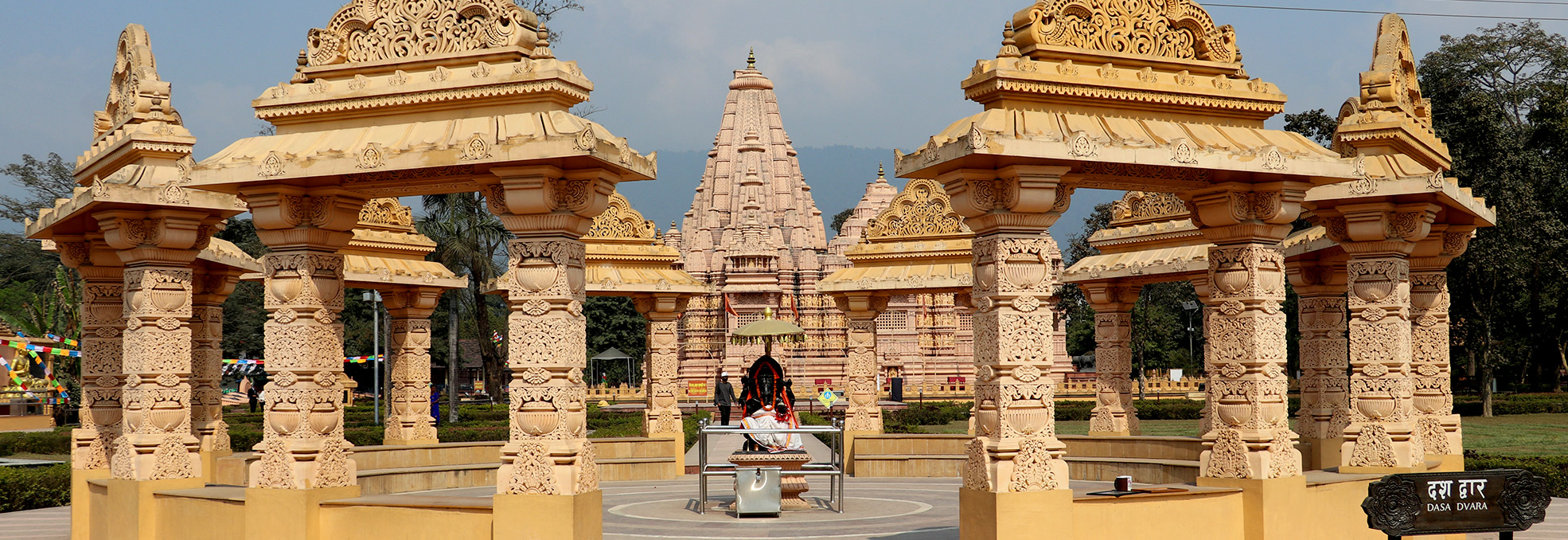
Shashwat Dham
Shashwat Dham is a Hindu spiritual complex in Devchuli, Nepal, dedicated to Lord Shiva and featuring a Vedic gurukul, yoga center, and syncretic gardens celebrating Hindu-Buddhi…