
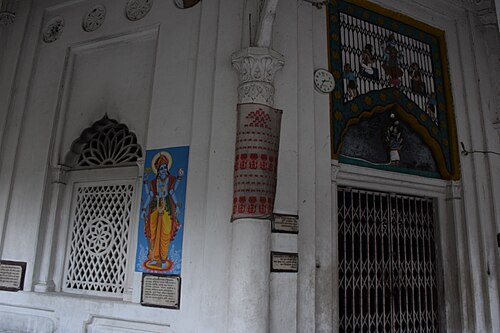
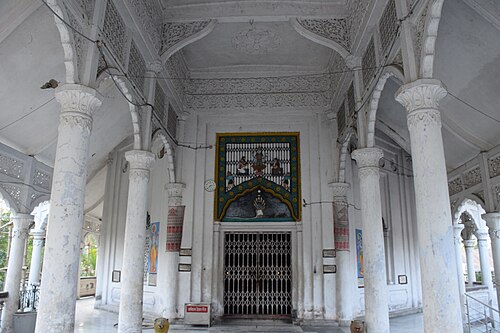
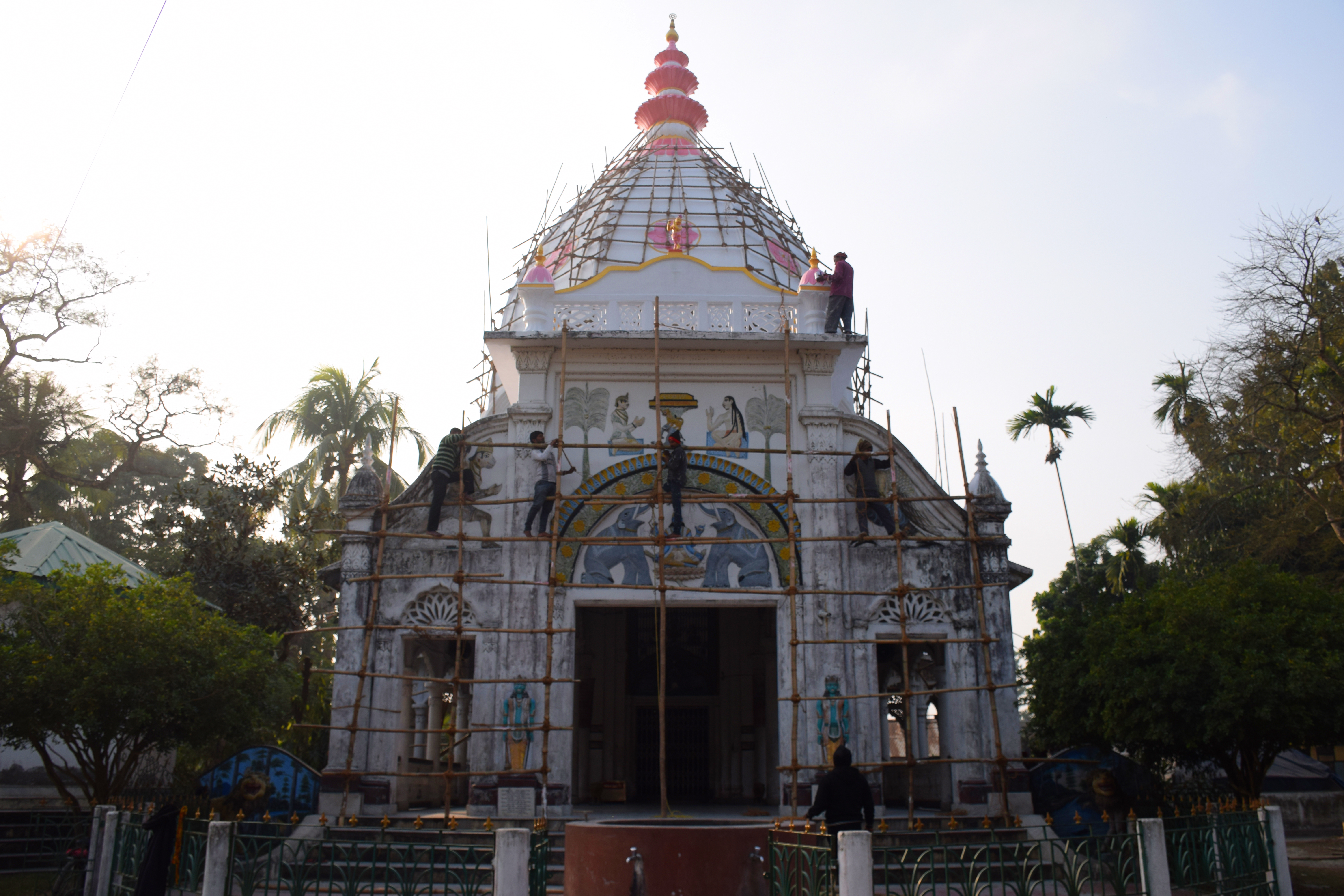
Madhupur Satra
About Madhupur Satra
The Ekasarana path, central to Madhupur Satra's spiritual practice, emphasizes singular refuge in Krishna as the supreme reality. This approach to Vaishnavism developed distinctly in Assam and Bengal, offering an accessible form of devotion that prioritizes sincere faith over elaborate ritual or caste-based hierarchies. Practitioners within this tradition focus on cultivating direct relationship with the divine through prayer, kirtan (devotional singing), and meditation on Krishna's names and forms.
Satras following this tradition typically maintain communities of monks and lay devotees who gather for collective worship and study. The monastic structure supports both contemplative practice and the transmission of sacred knowledge to new generations.
Visiting the Satra
Specific details regarding visiting hours, darshan arrangements, and current facilities at Madhupur Satra are not documented in available sources. Before planning a visit, contact the satra directly or seek guidance from local Vaishnavite communities in Cooch Behar who can provide current information about access, appropriate dress, and any restrictions on photography or entry to inner sanctums.
Visitors to Vaishnavite satras are generally expected to observe respectful conduct: removing shoes before entering worship spaces, dressing modestly, and refraining from interrupting active rituals or prayers. Many satras welcome sincere seekers, though some areas may be reserved for initiated members or during specific ceremonies.
Location and Access
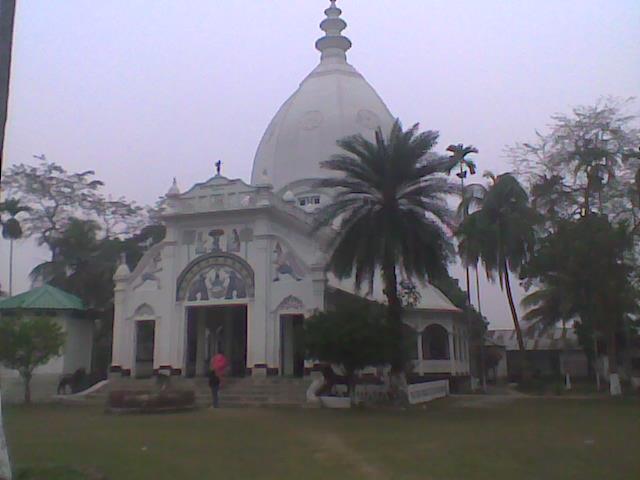
Madhupur Satra is situated in Cooch Behar, a town in the Cooch Behar district of West Bengal in northeastern India. The town is accessible by road and rail connections to major cities in the region. Cooch Behar itself has a railway station connecting it to Siliguri and other regional hubs. Visitors should plan their journey with reference to current transport schedules and may benefit from local guidance once in Cooch Behar regarding the satra's exact location and any seasonal considerations affecting access.
Spiritual Significance
As a centre of Ekasarana Vaishnavism, Madhupur Satra holds significance for devotees seeking to deepen their practice within this particular lineage. The monastery preserves teachings and practices that connect contemporary practitioners to centuries of bhakti tradition. For pilgrims and scholars interested in understanding the diversity of Vaishnavite expression in eastern India, the satra represents an important living example of how devotional communities have sustained themselves across generations.
The satra's role extends beyond individual spiritual practice to include its function as a repository of sacred knowledge, musical traditions, and ritual expertise specific to the Ekasarana path.
Planning Your Visit
Limited information is publicly available regarding Madhupur Satra's current operations, facilities, and visitor policies. Those wishing to visit should contact the satra in advance through local religious networks or the Cooch Behar district administration. This advance communication will clarify whether visits are welcomed, what times are most appropriate, and whether any particular preparations or permissions are necessary.
Visitors should be prepared for the possibility that certain areas or times may not be open to outsiders, particularly during intensive ritual observances or monastic retreats. Respectful inquiry and flexibility regarding access will serve both the visitor's experience and the community's spiritual practice.
How to reach
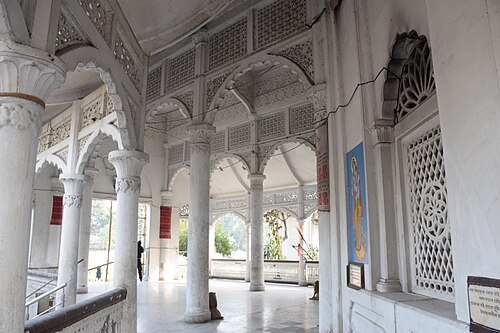
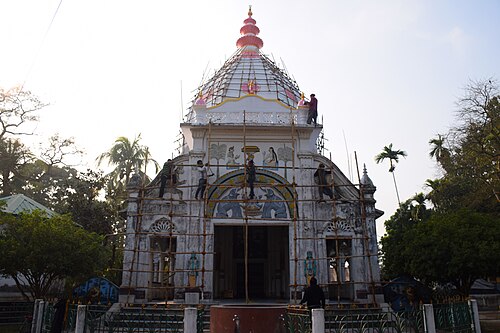
You may also visit
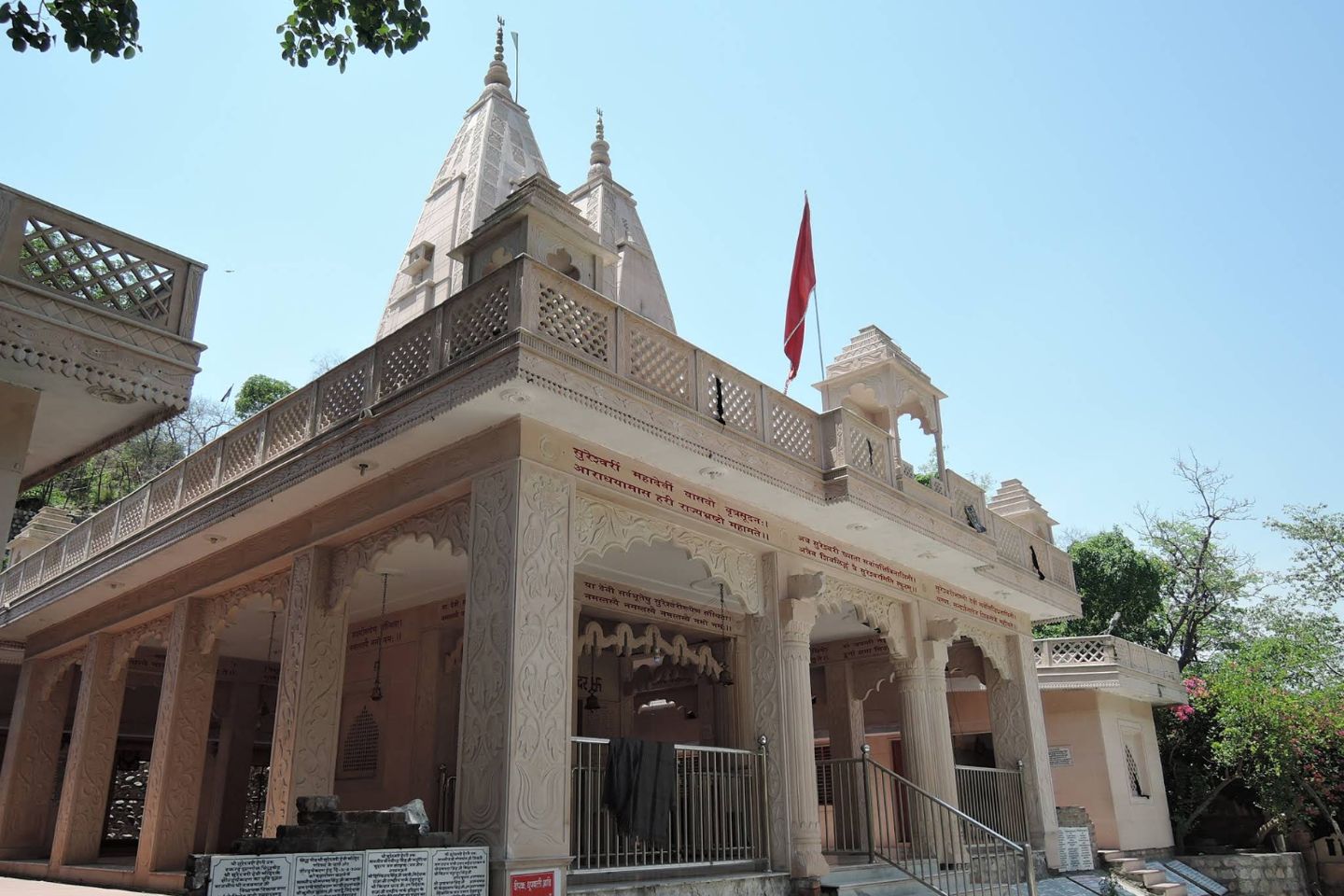
Sureshwari Devi Temple
Sureshwari Devi Temple in Haridwar is a forest shrine dedicated to the goddess, situated within the Ranipur Range area near Rajaji National Park, offering a secluded spiritual e…
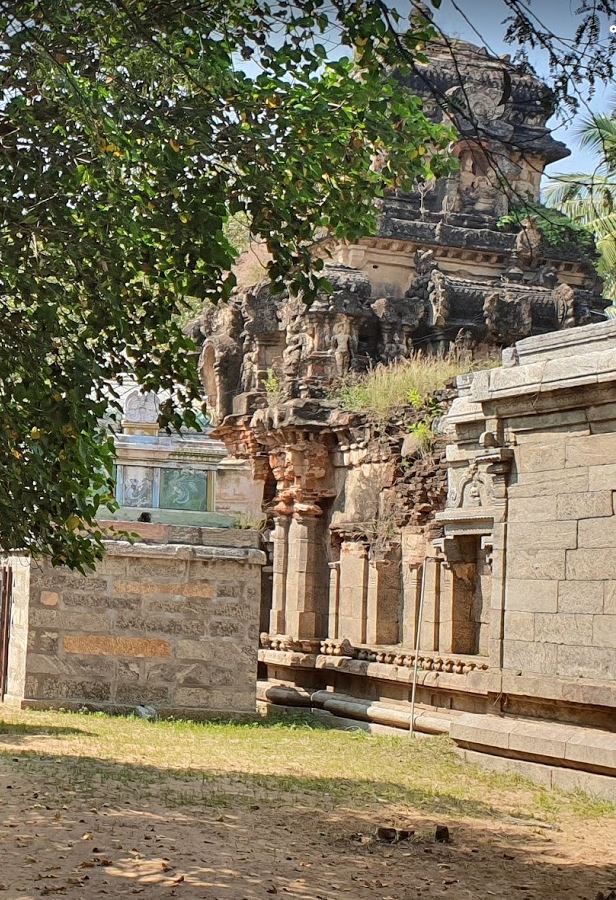
Agatheeswarar Temple, Karur
Agatheeswarar Temple in Thirumukkudalur, Karur district, is an ancient Hindu shrine dedicated to Shiva, situated at the sacred confluence of three rivers and believed to be over…

Shani Shingnapur
Shani Shingnapur is a renowned temple in Maharashtra dedicated to Lord Shani, featuring a self-emerged black stone idol worshipped under open sky. The temple is located in a uni…
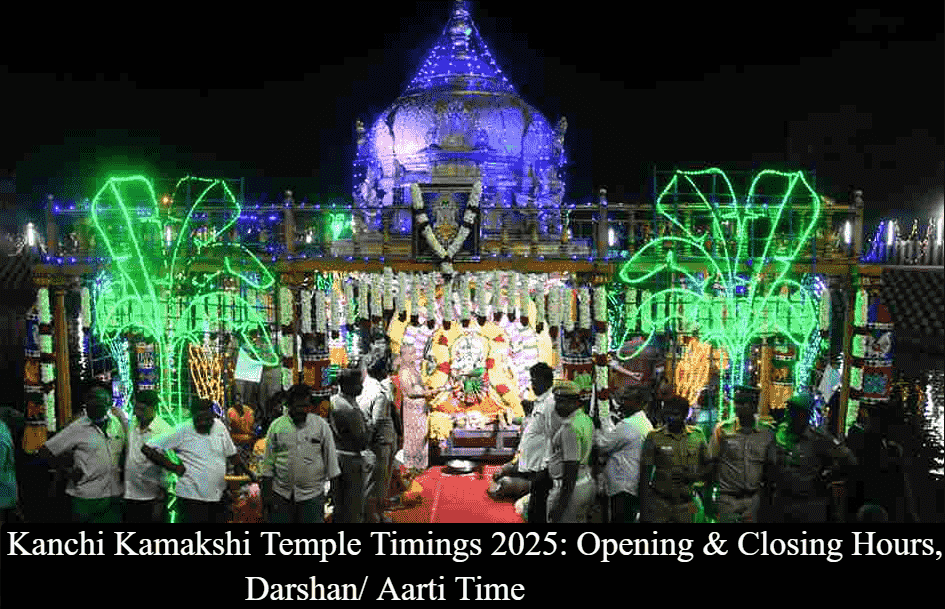
Kamaksha
Arulmigu Kamakshi Amman Temple in Mangadu, near Chennai, is dedicated to the goddess Kamakshi, an aspect of Adi Parashakti. According to legend, the goddess performed austeritie…
Guhaditya temple
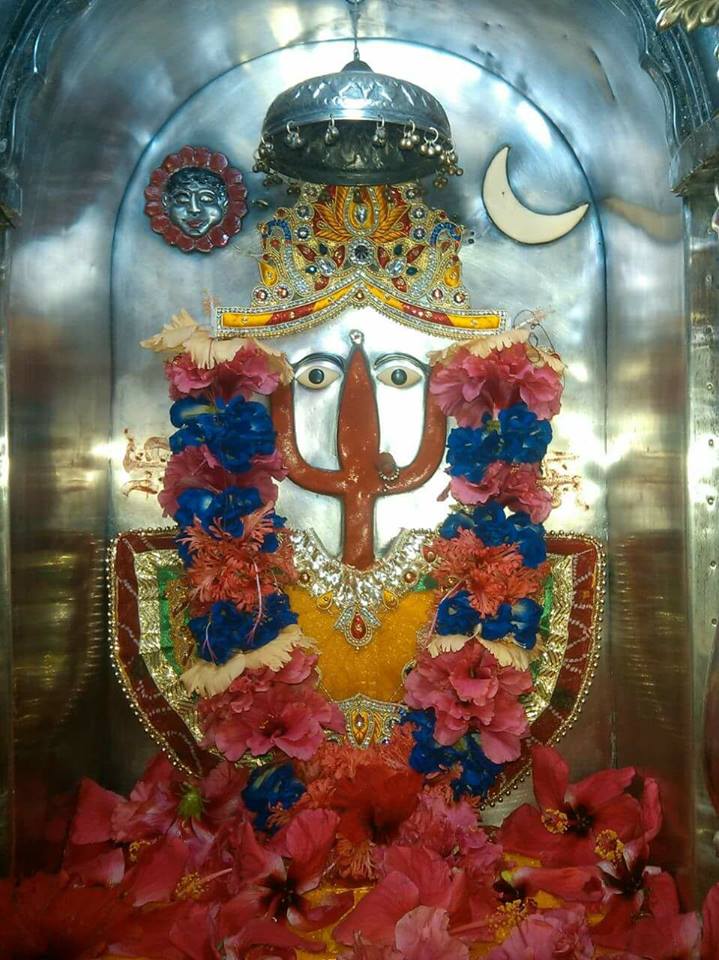
Guhaditya temple in Dwarka is an ancient shrine dedicated to the sun deity, established over 150 years ago. Pilgrims enter through the Swarg Dwar (Gateway to Heaven) and exit vi…
Madhyamaheshwar Temple
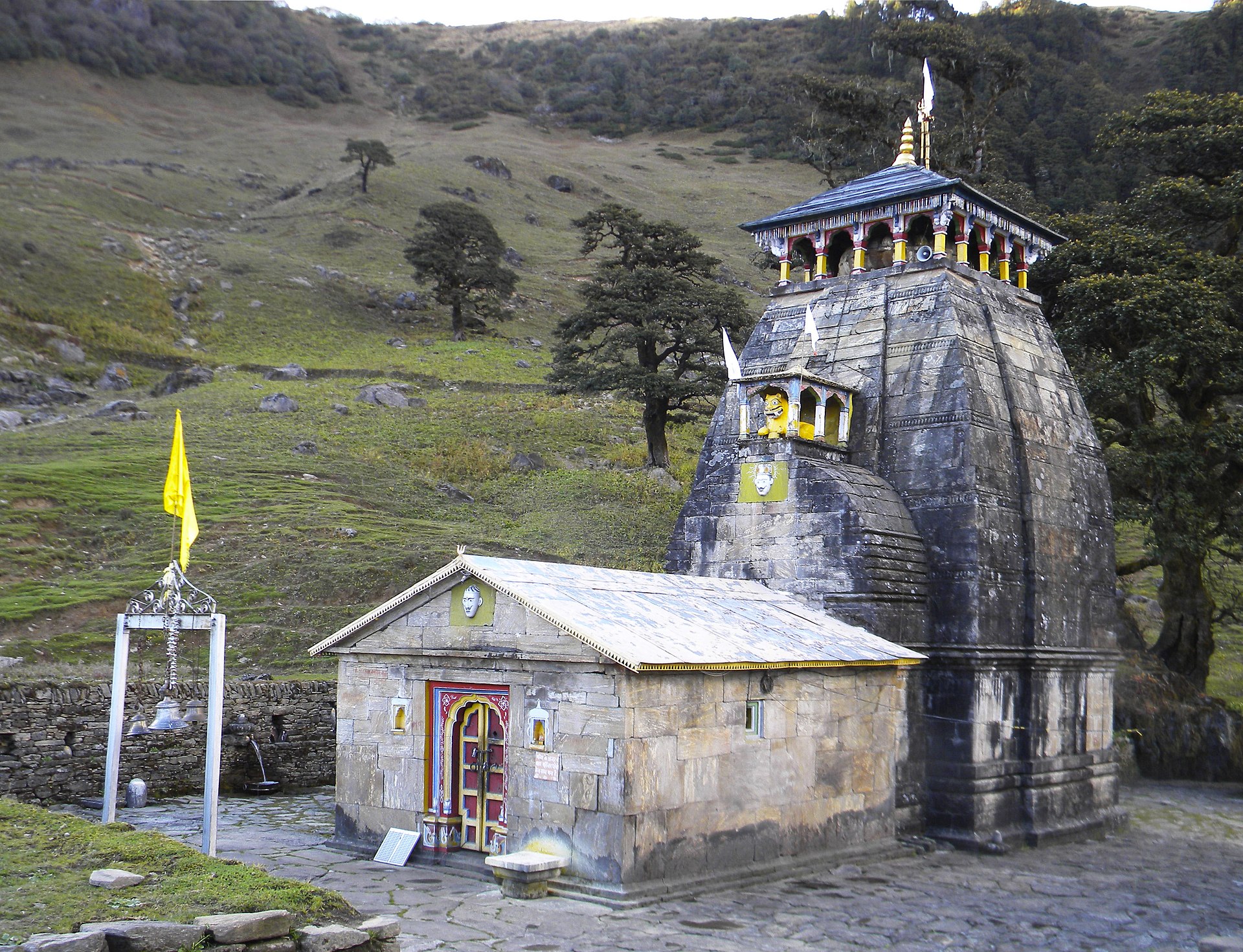
Madhyamaheshwar Temple is one of the five sacred Shiva shrines in the Panch Kedar pilgrimage circuit, located in the Garhwal Himalayas of Uttarakhand. Each temple in the circuit…