Mỹ Sơn
About Mỹ Sơn
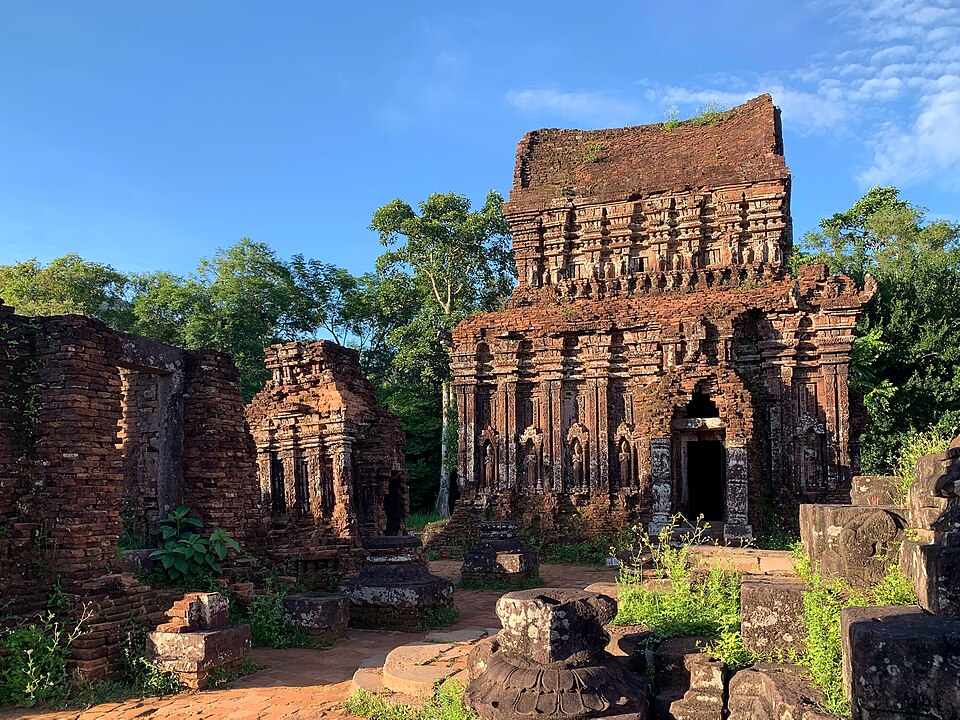
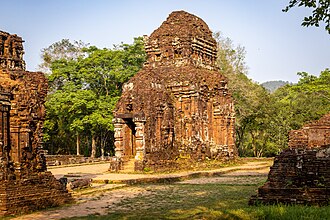
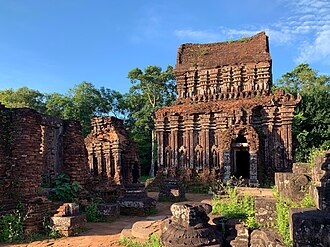
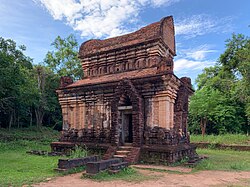
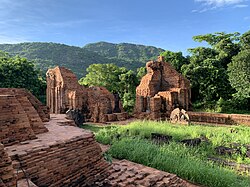
Construction at Mỹ Sơn began in the 4th century and continued through the 13th century, spanning roughly nine hundred years of continuous religious and architectural development. The site evolved through multiple phases of building and renovation, with successive rulers and periods leaving their mark on the valley. The temples were not built all at once but accumulated gradually, reflecting changing styles, techniques, and devotional practices across generations. This long chronology makes Mỹ Sơn an open record of how Champa Hindu civilization developed and transformed over the medieval period. War and time have damaged the structures significantly, yet what remains provides invaluable insight into the spiritual and material culture of an ancient Southeast Asian kingdom.
Architecture and Sacred Forms
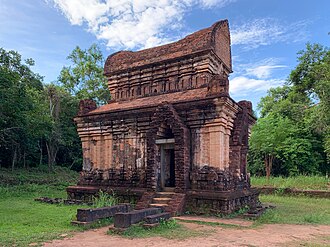
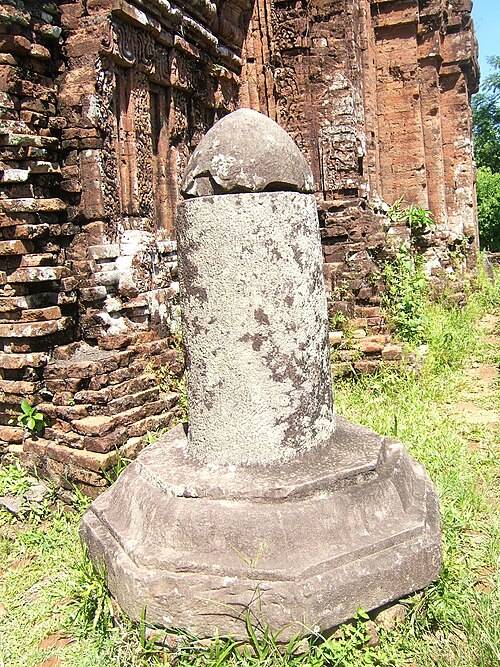
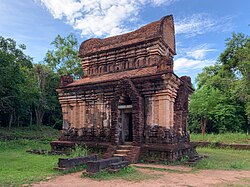
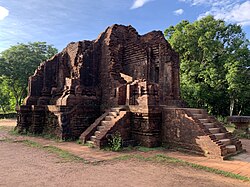
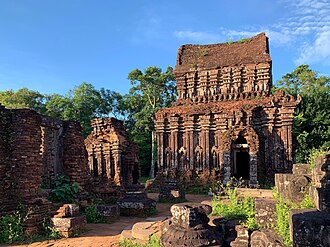
The temples at Mỹ Sơn employ distinctive architectural styles developed within the Champa tradition. The structures include towers, altars, and shrines built using techniques refined over centuries. Sculptural elements feature representations of Śiva in various forms, including the dancing Śiva and the linga-yoni symbol, which represents the divine principle in Hindu worship. Decorative reliefs and carved stone elements demonstrate sophisticated artistic skill. The buildings were oriented and positioned to work with the natural landscape, suggesting that the valley itself held sacred significance for the builders. A museum located approximately two kilometers northwest of the main temple complex, completed in 2005, provides context and information about the site's history and artifacts.
Visiting the Site
The temple complex covers 1,158 hectares within a valley setting that requires visitors to walk among the ruins. The site is located in Thôn Mỹ Sơn, Xã Thu Bồn (Duy Phú), Huyện Duy Xuyên, Quảng Nam Province. Visitors should prepare for uneven terrain and exposure to the elements. Modest dress is appropriate when visiting Hindu sacred sites; loose, respectful clothing that covers shoulders and knees is customary. The museum provides an orientation before exploring the ruins themselves and contains displays of sculptures, inscriptions, and architectural elements. A visitor information center offers guidance on navigating the complex. Contact the site management at 0235.3731.309 for current visiting hours and conditions.
Understanding the Sacred Landscape
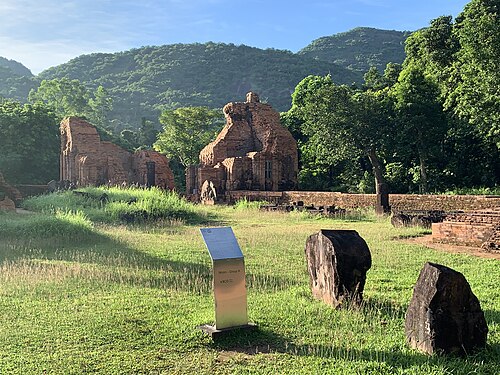
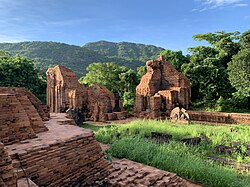
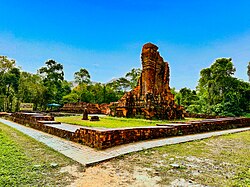
The valley's enclosed geography and mountain setting were not accidental features but integral to how the Champa people understood the site's spiritual power. The builders positioned temples to relate to natural features—water sources, rock formations, and the surrounding peaks. This integration of architecture with landscape reflects a Hindu understanding of sacred geography, where natural and built environments work together to create a space conducive to worship and meditation. The stream known as Khe Thẻ flows through the valley, adding to the site's natural character. Visitors walking among the ruins experience something of this original conception, where human construction and natural setting form a unified whole.
Preservation and Access
The site has endured significant damage from warfare and weathering, yet ongoing conservation efforts work to stabilize and document the remaining structures. The management authority oversees preservation while facilitating visitor access. The museum and interpretive materials help visitors understand what they are seeing among the ruins. For those unable to visit in person, digital resources including photographs, videos, and audio materials are available through the site's official channels. The designation as a UNESCO World Heritage site reflects international recognition of Mỹ Sơn's importance to human cultural heritage.
How to reach
You may also visit
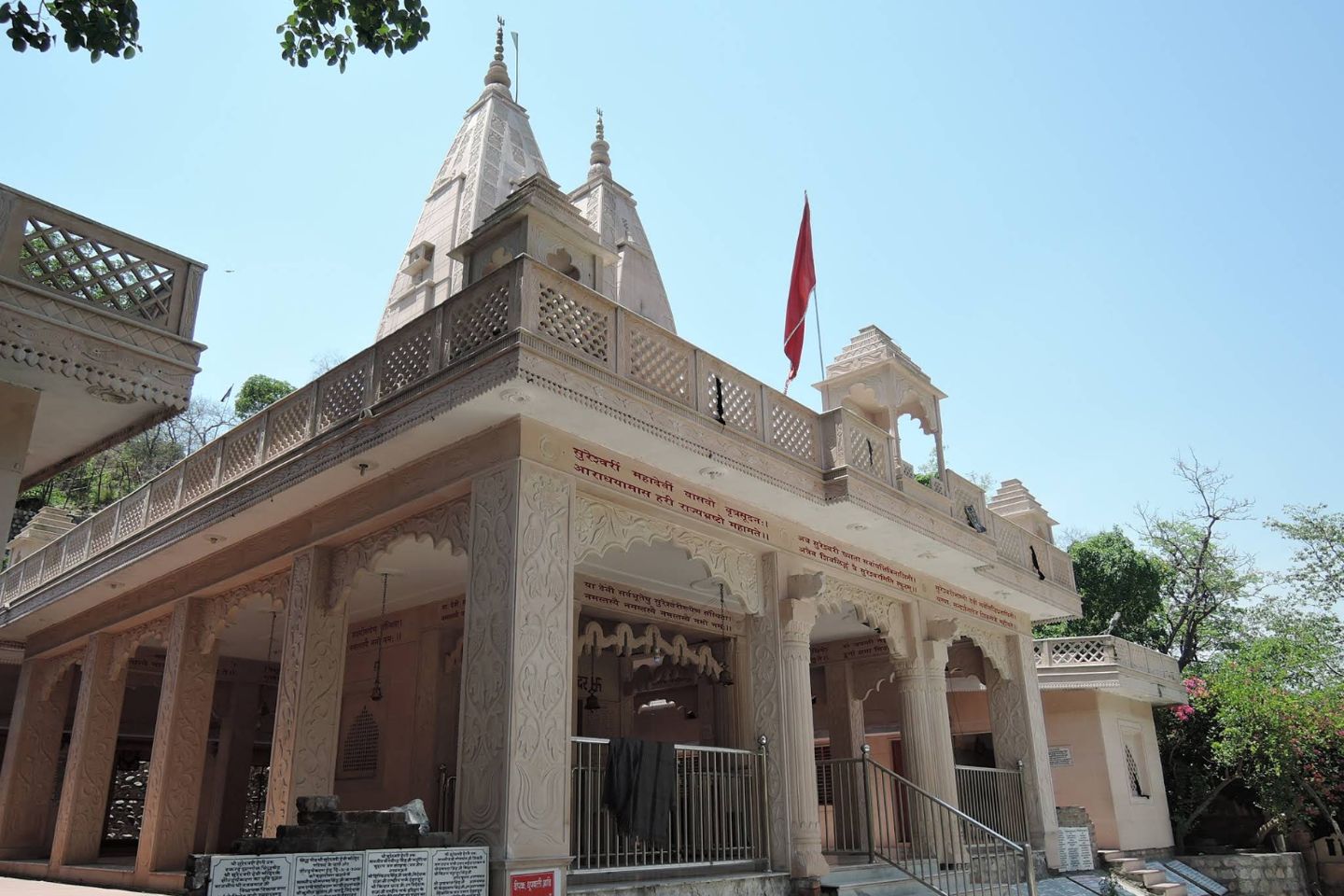
Sureshwari Devi Temple
Sureshwari Devi Temple in Haridwar is a forest shrine dedicated to the goddess, situated within the Ranipur Range area near Rajaji National Park, offering a secluded spiritual e…
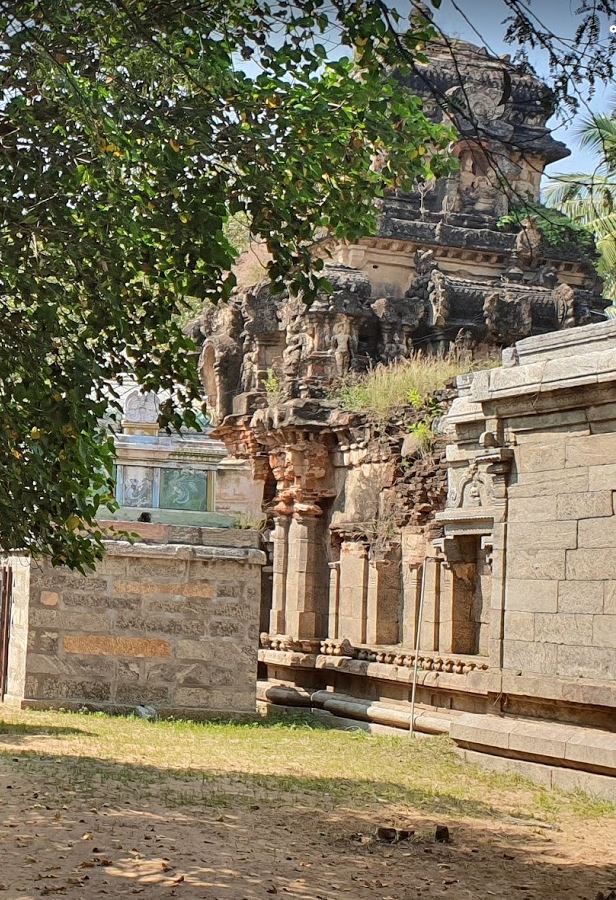
Agatheeswarar Temple, Karur
Agatheeswarar Temple in Thirumukkudalur, Karur district, is an ancient Hindu shrine dedicated to Shiva, situated at the sacred confluence of three rivers and believed to be over…

Shani Shingnapur
Shani Shingnapur is a renowned temple in Maharashtra dedicated to Lord Shani, featuring a self-emerged black stone idol worshipped under open sky. The temple is located in a uni…
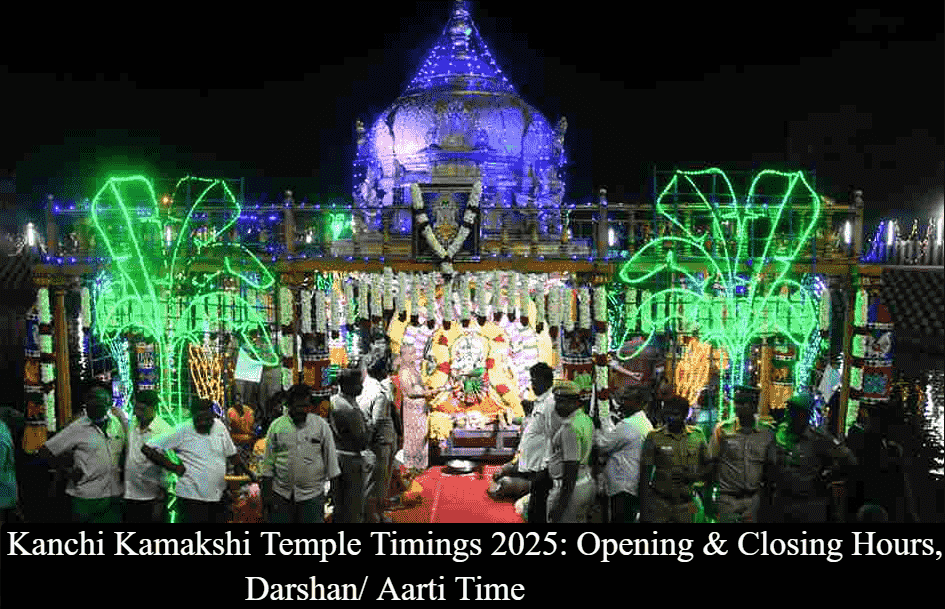
Kamaksha
Arulmigu Kamakshi Amman Temple in Mangadu, near Chennai, is dedicated to the goddess Kamakshi, an aspect of Adi Parashakti. According to legend, the goddess performed austeritie…
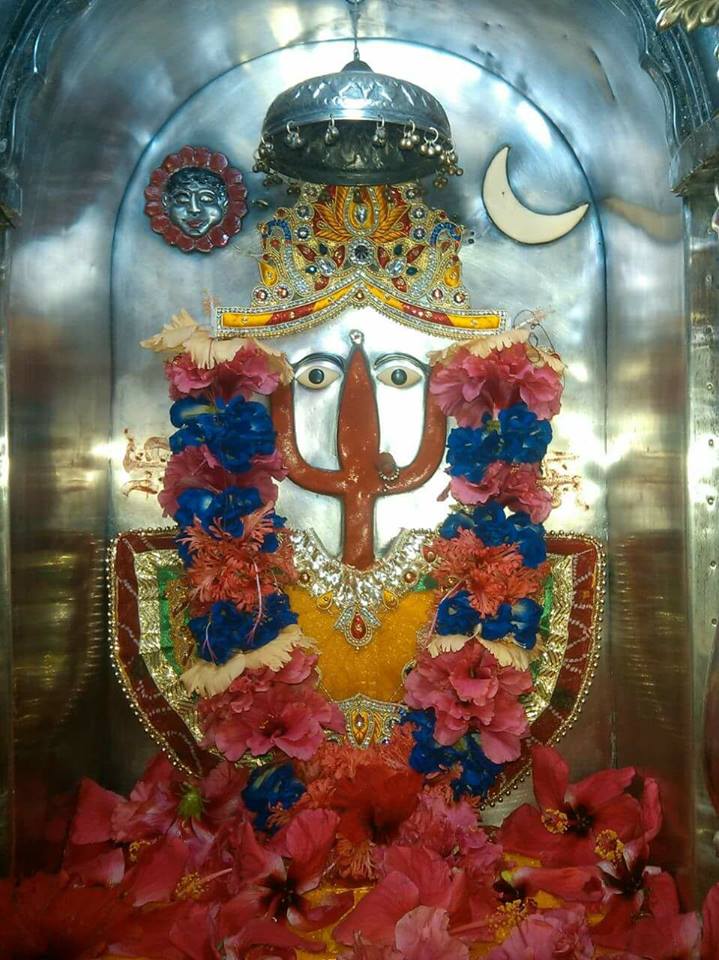
Guhaditya temple
Guhaditya temple in Dwarka is an ancient shrine dedicated to the sun deity, established over 150 years ago. Pilgrims enter through the Swarg Dwar (Gateway to Heaven) and exit vi…
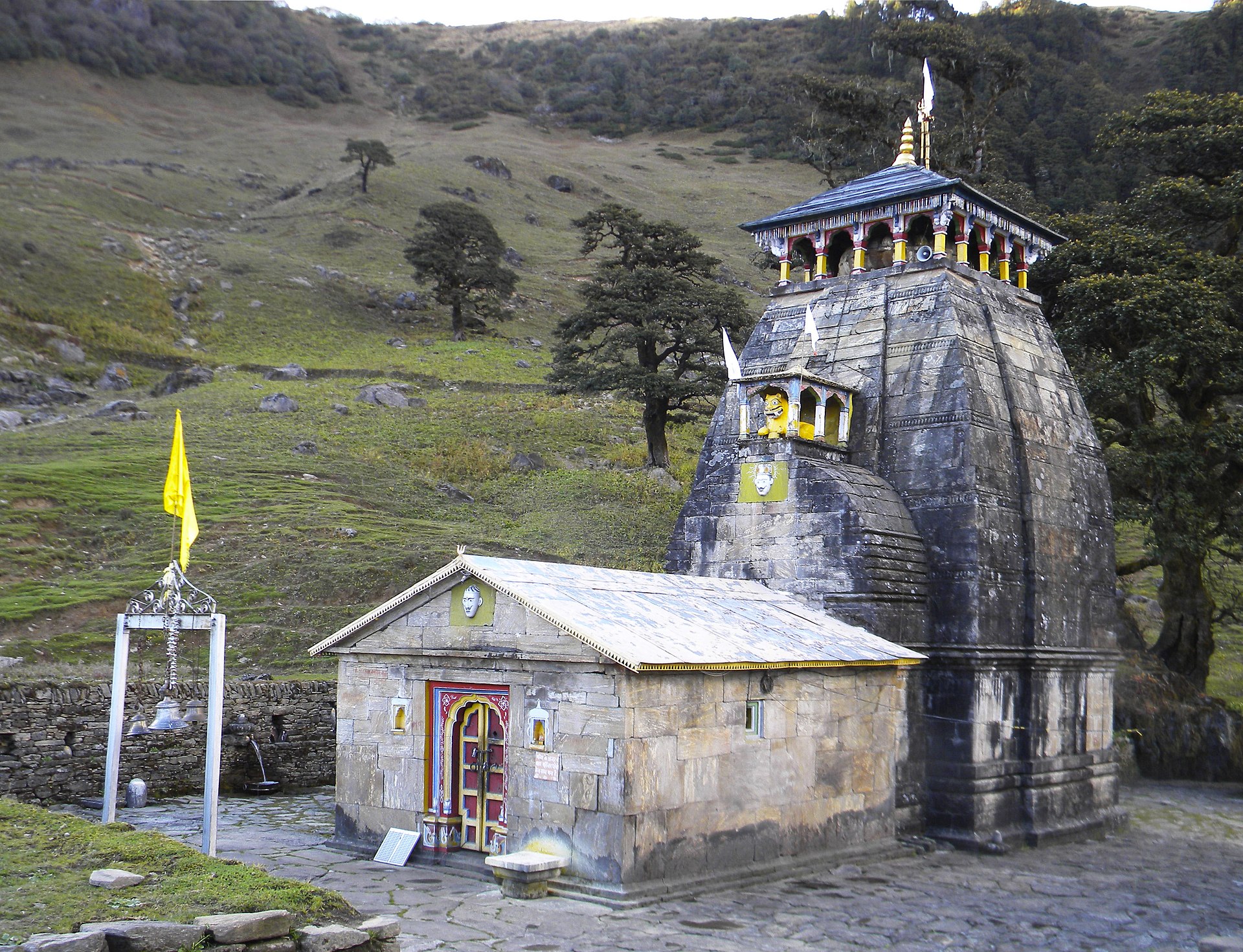
Madhyamaheshwar Temple
Madhyamaheshwar Temple is one of the five sacred Shiva shrines in the Panch Kedar pilgrimage circuit, located in the Garhwal Himalayas of Uttarakhand. Each temple in the circuit…