Lebak Cibedug
About Lebak Cibedug
Lebak Cibedug was constructed around 1200 BCE, placing it among Indonesia's most ancient sacred sites. The megalithic pyramid and associated structures—menhirs and dolmens—indicate this was a centre of religious and ritual practice for prehistoric communities. The architectural sophistication of the site, with its terraced design and carefully placed andesite stones, demonstrates advanced knowledge of construction and spatial arrangement.
The site's influence extended across the Indonesian archipelago. Its architectural principles predate later Balinese temples and shaped Hindu and Buddhist temple design throughout the region. This makes Lebak Cibedug not merely a local shrine but a foundational example of sacred architecture in Southeast Asia, though the specific deity or deities venerated here remain unrecorded in available sources.
Architecture and Physical Features
The central structure is a terraced pyramid comprising nine levels, constructed from oval-shaped andesite stones fitted together without mortar. This distinctive form differs markedly from later temple architecture, reflecting the megalithic building traditions of its era. The pyramid rises on the slope of Pasir Manggu hill, its terraces following the natural contours of the land.
Beyond the pyramid, the site contains numerous menhirs—standing stones—and dolmens, stone burial or ritual chambers. These elements collectively suggest a complex sacred landscape where multiple ritual functions took place. The arrangement and placement of these megalithic features indicate careful ceremonial planning by the communities who built and maintained the site over generations.
Current Condition and Conservation Concerns
Lebak Cibedug remains unprotected by official designation, leaving it vulnerable to multiple threats. Erosion from weather and water damage the ancient stonework. Archaeological theft has removed artefacts and damaged the integrity of the site. Encroachment from surrounding settlement and land use further pressures the structures. These combined factors mean the site faces genuine risk of deterioration or loss.
The archaeological and cultural significance of Lebak Cibedug—as evidence of Indonesia's prehistoric religious life and architectural innovation—makes its preservation a matter of broader heritage concern. Visitors should be aware that facilities for tourists are minimal or absent, and the site's future depends on increased recognition of its importance and support for conservation efforts.
What Visitors Should Know
There are no recorded visitor facilities at Lebak Cibedug. No temples shops, rest areas, or formal accommodation exist at the site itself. Visitors should come prepared with adequate water, sun protection, and sturdy footwear suitable for forest trekking. The two-hour approach on foot through forested terrain is physically demanding and should not be attempted in poor weather or failing light.
As this is an archaeological site rather than an active temple with regular worship, there are no set visiting hours, daily rituals, or darshan times to observe. Visitors should treat the megalithic structures with respect, avoiding disturbance to stones or any remaining artefacts. Photography is generally permitted at archaeological sites in Indonesia, but visitors should check locally before arrival, as conditions or restrictions may change.
Getting There and Planning Your Visit
Arrange transport to Citorek village in advance, as public transport options may be limited. Once in the village, hire a local guide familiar with the forest paths to Lebak Cibedug—this is both safer and supports the local community. Allow a full day for the visit, including travel time to and from Citorek and the two-hour trek each way.
The best time to visit is during the dry season when forest paths are more passable. Bring sufficient water for the trek, as none is available on the route. Wear long trousers and closed shoes to protect against insects and rough terrain. Inform someone of your plans before setting out, given the remote location and lack of facilities. Consider visiting as part of a broader exploration of Banten's archaeological heritage, as other significant sites exist in the region.
How to reach
You may also visit
Sureshwari Devi Temple
Sureshwari Devi Temple in Haridwar is a forest shrine dedicated to the goddess, situated within the Ranipur Range area near Rajaji National Park, offering a secluded spiritual e…
Agatheeswarar Temple, Karur
Agatheeswarar Temple in Thirumukkudalur, Karur district, is an ancient Hindu shrine dedicated to Shiva, situated at the sacred confluence of three rivers and believed to be over…

Shani Shingnapur
Shani Shingnapur is a renowned temple in Maharashtra dedicated to Lord Shani, featuring a self-emerged black stone idol worshipped under open sky. The temple is located in a uni…

Kamaksha
Arulmigu Kamakshi Amman Temple in Mangadu, near Chennai, is dedicated to the goddess Kamakshi, an aspect of Adi Parashakti. According to legend, the goddess performed austeritie…
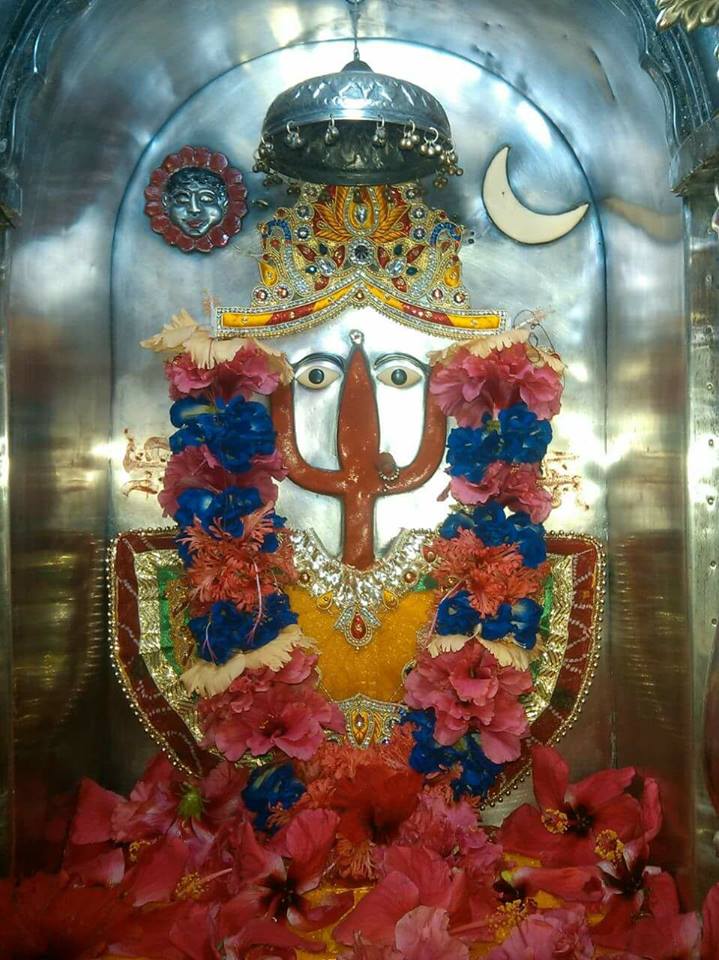
Guhaditya temple
Guhaditya temple in Dwarka is an ancient shrine dedicated to the sun deity, established over 150 years ago. Pilgrims enter through the Swarg Dwar (Gateway to Heaven) and exit vi…
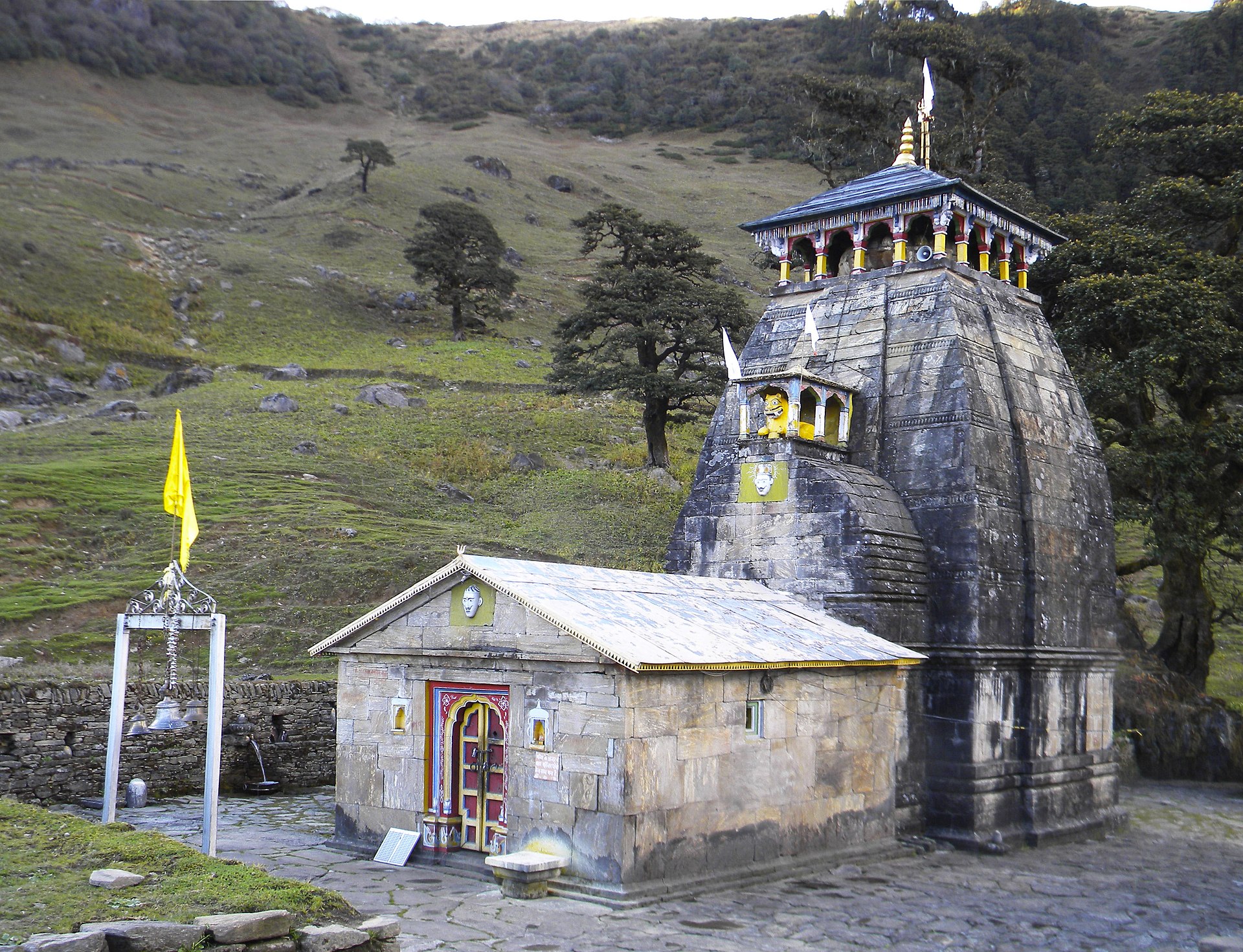
Madhyamaheshwar Temple
Madhyamaheshwar Temple is one of the five sacred Shiva shrines in the Panch Kedar pilgrimage circuit, located in the Garhwal Himalayas of Uttarakhand. Each temple in the circuit…