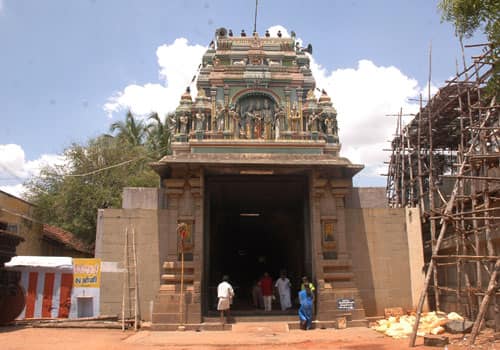
Kovilpatti Sri Shenbahavalli Amman Temple
About Kovilpatti Sri Shenbahavalli Amman Temple
The temple's origins reach back between one thousand and two thousand years, making it an ancient place of worship in the Kovilpatti region. According to temple tradition, a king named Shenbagan, born of the Shivakuzhu lineage and ruling from Vembakkottai, established the temple on divine instruction. The goddess herself bears the name of this royal founder—Shenbagavalli, meaning "creeper of Shenbagan." The temple underwent renovation during the tenth century under a ruler named Ullamudayan, work that helped preserve the shrine through the centuries.
Local lore connects the site to broader Tamil spiritual geography. The place is said to have been visited by Lord Rama, who worshipped Lord Shiva there. The associated male deity, Poovananathar, received his name from two serpent leaders, Chadungan and Paduman, who are believed to have worshipped at the shrine with flowers of the poovana tree. The temple thus weaves together strands of Shaiva devotion and goddess worship that characterize the religious landscape of Tamil Nadu.
The Temple's Distinctive Character
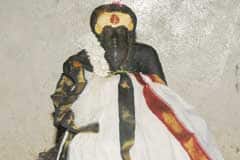
A notable feature distinguishes this shrine from typical temple practice: though the goddess stands in her natural form, the priests perform her daily dressing and ornamentation as if she were seated. This unique approach to her presentation reflects a particular theological understanding of the deity's nature and presence. The sanctum also houses two female guardians (Dwarapalakis) at the entrance to the goddess's shrine, a detail that underscores the temple's emphasis on feminine divine power.
The sacred tree of the temple is the kala tree, and the associated water source is the Athiyar theertham. These natural elements form part of the temple's spiritual landscape, as is customary in Hindu shrines where trees, water sources, and stone carry sacred significance.
Worship, Rituals, and Darshan
Daily worship at the temple follows the rhythms of morning and evening darshan. Devotees visit to receive the goddess's blessing through direct sight of her form, a practice known as darshan. Many offer flowers, turmeric, and kumkum (vermillion) at her feet. Lamps are lit in the shrine as acts of devotion and thanksgiving. Some devotees perform abhisheka—ritual bathing of the deity—with milk, water, and sandalwood paste, while others offer cloth garments (vastras) and dhotis as expressions of reverence.
Thanksgiving worship is common among those who believe their prayers have been answered. Beyond formal puja, devotees often feed visitors to the temple as part of their gratitude and spiritual practice. The temple thus functions not only as a place of individual petition but as a site of community participation and mutual care.
Festivals and Auspicious Days
The temple observes several major festivals throughout the year. The ten-day Vasantha Utsav occurs during May and June, while the Goddess Bangle Festival (Aadi Pooram) takes place in July and August. The ten-day Purattasi Navaratri in September and October draws significant crowds, as does a twelve-day Wedding Festival. The Tamil New Year festival (Chithirai-theertham) occurs in April and May. Beyond these, the temple celebrates Deepavali, Pongal, and both Tamil and English new year observances.
Crowds increase noticeably on new moon and full moon days, as well as on Pradosham days (the day before new and full moons). Fridays and Tuesdays remain particularly important for worship. The month of Aadi (July-August in the Tamil calendar) draws heightened devotional activity.
Visiting Information and Access
The temple opens from 6:00 a.m. to 11:00 a.m. in the morning and 4:00 p.m. to 8:00 p.m. in the evening. The best season for visiting is November through February, when the climate is cooler. Visitors should confirm current timings before arrival, as schedules may vary during festivals or special occasions.
Kovilpatti lies 96 kilometres from Madurai, 59 kilometres from Tirunelveli, and 60 kilometres from Thoothukudi. The town sits on the Madurai-Tirunelveli road, making it accessible by frequent bus services from both directions. Kovilpatti Railway Station serves as the nearest rail connection. Standard temple etiquette applies: remove footwear before entering, dress modestly, and maintain respectful silence in the sanctum. The temple's contact number is +91 4632 2520248 for inquiries regarding specific ceremonies or festival arrangements.
How to reach
Temples near Kovilpatti Sri Shenbahavalli Amman Temple
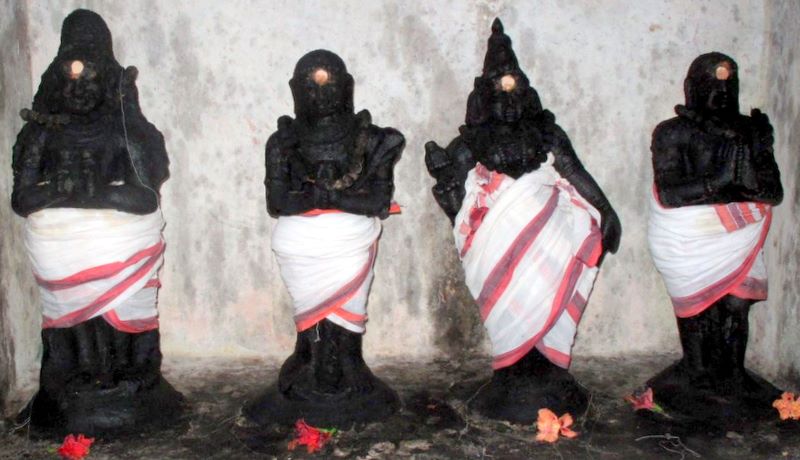
Rajendracholiswarar Temple, Ilaiyankudi
Rajendracholiswarar Temple in Ilaiyankudi is an ancient Shiva shrine in Ramanathapuram District, Tamil Nadu, revered as one of the Vaippu Sthalams sung by the Tamil Saivite sain…

Singamadai Ayyanar Temple, Nalli
Singamadai Ayyanar Temple in Nalli is a historic Aiyanar shrine located 18 km from Sattur in Virudhunagar district, Tamil Nadu, believed to date from the 19th century.
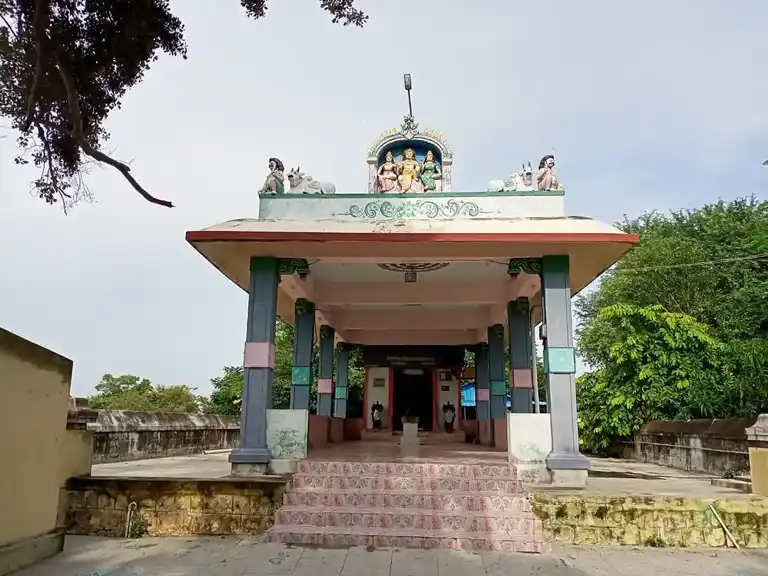
Kuramalai Poiyalappan Ayyanar Temple
Kuramalai Poiyalappan Ayyanar Temple is a Hindu shrine dedicated to Poiyalappan Ayyanar, located in Kurumalai Gram Panchayat, Tamil Nadu.

Mariamman Temple, Irukkankudi
Mariamman Temple in Irukkankudi is an ancient shrine dedicated to Goddess Mariamman, renowned for its 450-year history and traditional Dravidian architecture in Virudhunagar Dis…
Solai Swami Temple
Solai Swami Temple in Tamil Nadu is a traditional Hindu worship center that maintains daily darshan and observes major festivals throughout the year.
Elu Anaikatti Ayyanar temple
Arulmigu Ayyanar Temple in T. Keelaiyur, Pudukkottai district, is a historically significant spiritual sanctuary dedicated to Ayyanar, dating to the 19th century. The temple com…