Kol Khandoli
About Kol Khandoli
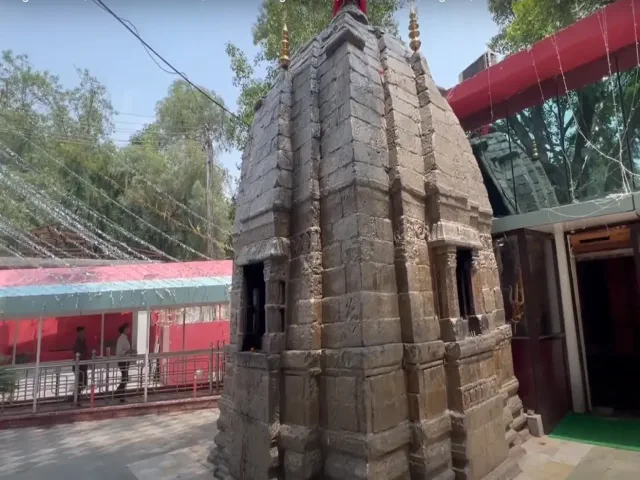
The temple is believed to date to the Pandava era, placing it among the ancient sacred sites of the region. According to local tradition, the Pandavas—the heroic figures central to the Mahabharata—visited this location during their period of exile known as Agyat Vaas. They came to seek the Goddess's blessings for the conclusion of their exile and the restoration of their kingdom. This connection to the Pandava narrative adds layers of historical and mythological significance to the site, linking it to one of Hinduism's foundational texts and the broader spiritual geography of the Jammu region.
The temple's antiquity and association with these legendary figures have established it as a waypoint of spiritual importance for pilgrims traveling the traditional routes to major shrines in the area.
Mythology and Spiritual Significance
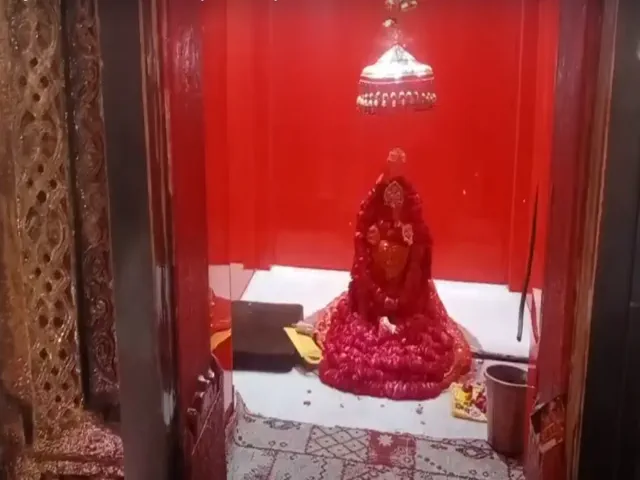
Local tradition holds that Mata Vaishno Devi appeared at this location as a five-year-old child and performed penance for twelve years. During this period, she is believed to have engaged in spiritual practices including havans (ritual fire offerings) for the welfare of the world. The mythology also describes the Goddess playing marbles and swinging with local girls during her time here, suggesting a narrative that balances divine transcendence with accessible, relatable forms of divine play.
A significant element of the temple's lore involves Mahamaya, who is said to have made offerings of silver bowls at the site on four occasions, presenting thirty-six varieties of food prepared in these bowls to the pantheon of deities. These narratives emphasize the temple's role as a place where the divine and human realms intersect, and where sincere devotion receives direct acknowledgment and blessing.
Visiting Hours and Best Times
The temple is open daily from 5:00 AM to 9:00 PM, allowing devotees flexibility in planning their visits. The most favorable seasons for visiting are March through April and September through October, when the weather in the Jammu region is temperate and conducive to travel. These months avoid the intense summer heat and winter cold that characterize other seasons in the area.
The temple is located on Jagti Road in Nagrota, approximately 18.6 kilometers from Jammu Railway Station and about 14.5 kilometers from Jammu Airport, making it accessible to travelers arriving by various means. Its position on the Jammu-Katra highway means it lies directly on the route for pilgrims traveling between Jammu and the main Vaishno Devi shrine, allowing many devotees to include it naturally within their pilgrimage itinerary.
Practical Information for Visitors
The temple is well-maintained with a serene atmosphere. Visitors should dress modestly, as is customary at Hindu temples; women typically wear salwar kameez, sarees, or other traditional attire, while men wear simple clothing. Shoes are generally removed before entering the inner sanctum. The priests at the temple are reported to be helpful to visitors seeking guidance on proper darshan procedures.
As with most Hindu temples, it is respectful to approach the pindi with a clear mind and sincere intention. Offerings of flowers, incense, or coconut are commonly made, though visitors should check with temple staff regarding specific protocols. Photography rules may apply within the temple premises, so it is advisable to inquire before taking photographs.
Location and Access
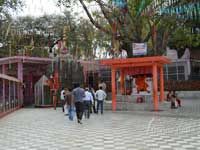
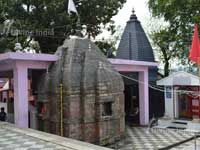
Kol Kandoli is situated in Nagrota on the main highway connecting Jammu to Katra. Visitors traveling from Jammu can reach the temple by road; it is conveniently positioned for those journeying toward the Vaishno Devi shrine. The temple's location makes it an ideal stop for pilgrims who wish to pay respects at this ancient site before continuing their journey. Local transport options and directions are available through standard mapping services, and the temple's position on a major pilgrimage route means that many organized yatra (pilgrimage) services include it within their itineraries.
How to reach
You may also visit
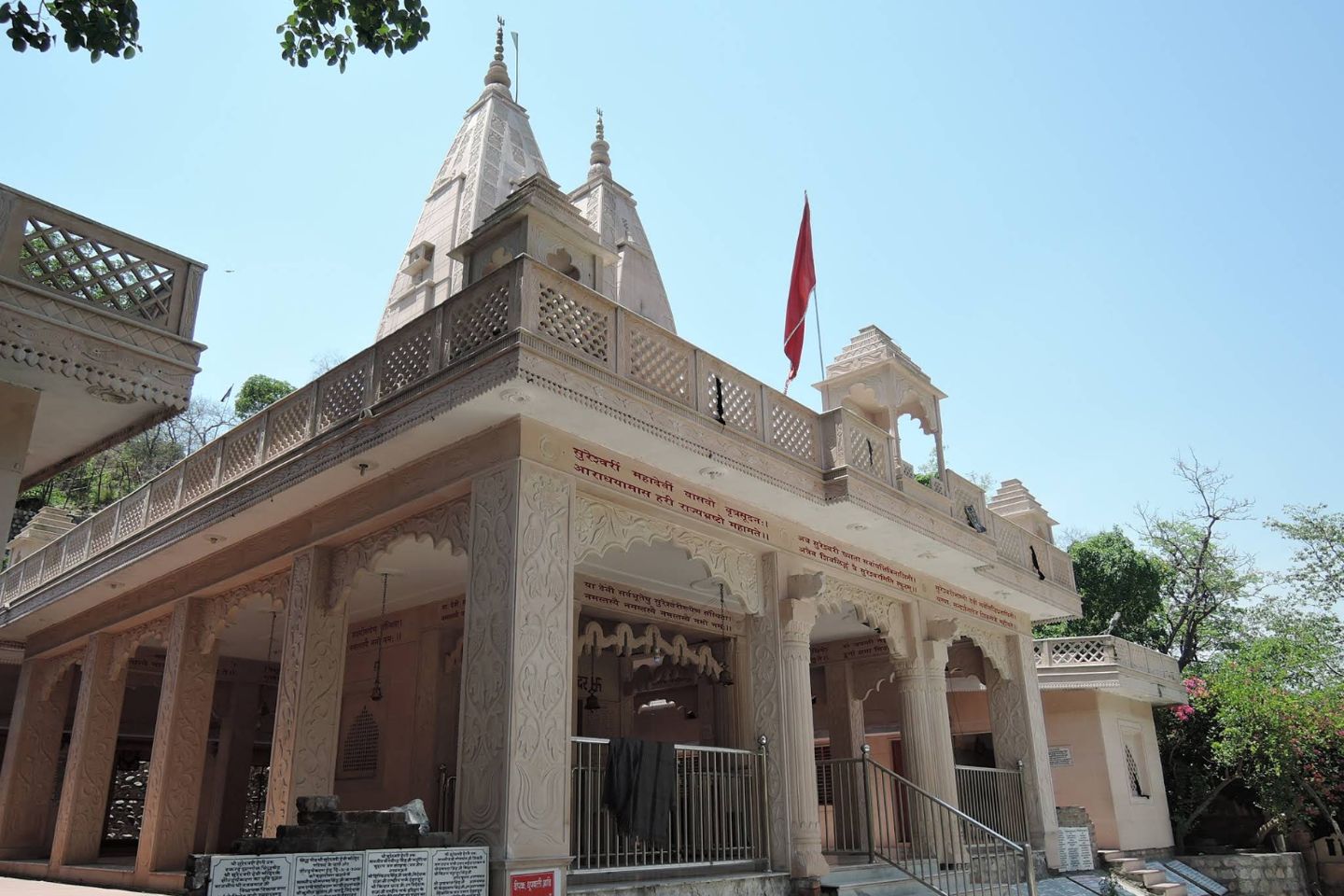
Sureshwari Devi Temple
Sureshwari Devi Temple in Haridwar is a forest shrine dedicated to the goddess, situated within the Ranipur Range area near Rajaji National Park, offering a secluded spiritual e…
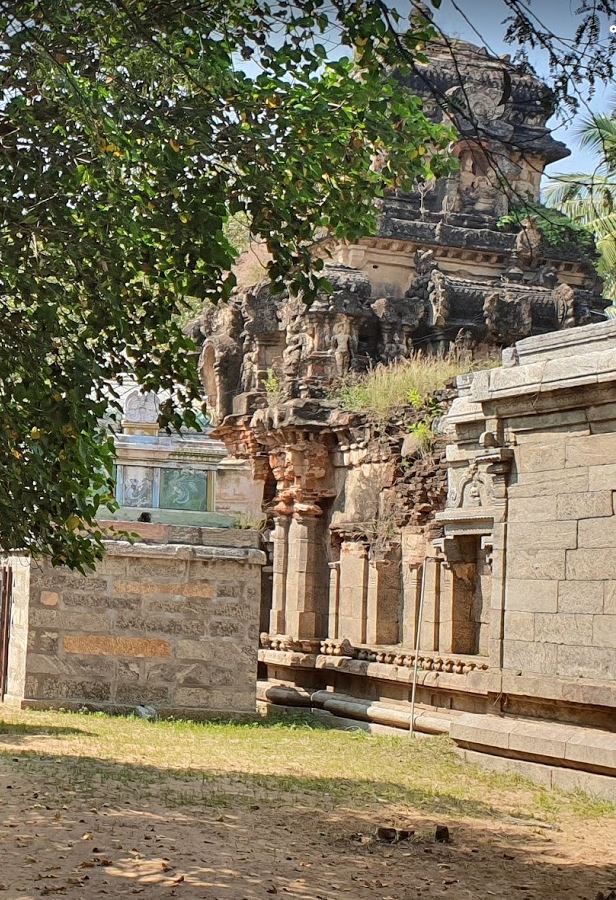
Agatheeswarar Temple, Karur
Agatheeswarar Temple in Thirumukkudalur, Karur district, is an ancient Hindu shrine dedicated to Shiva, situated at the sacred confluence of three rivers and believed to be over…

Shani Shingnapur
Shani Shingnapur is a renowned temple in Maharashtra dedicated to Lord Shani, featuring a self-emerged black stone idol worshipped under open sky. The temple is located in a uni…
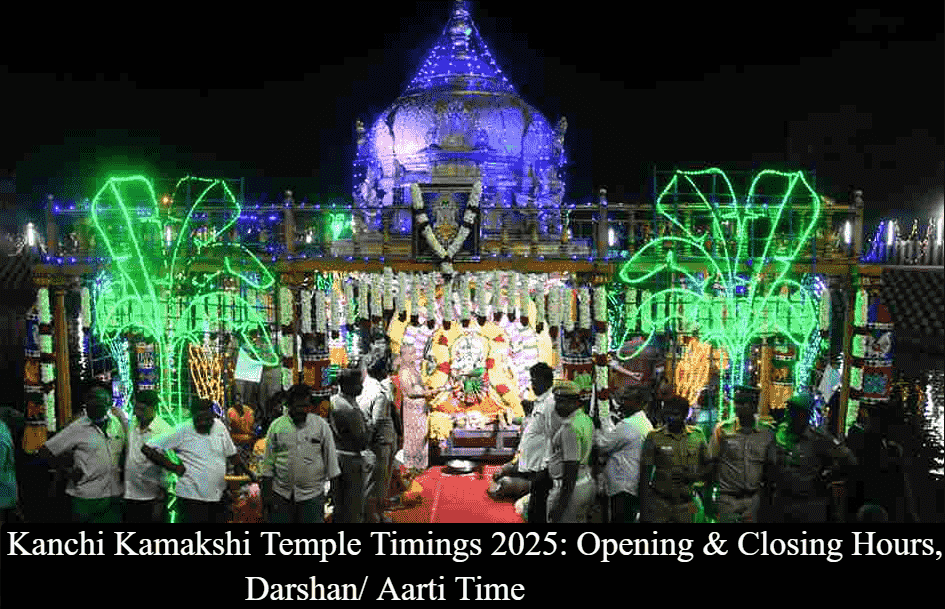
Kamaksha
Arulmigu Kamakshi Amman Temple in Mangadu, near Chennai, is dedicated to the goddess Kamakshi, an aspect of Adi Parashakti. According to legend, the goddess performed austeritie…
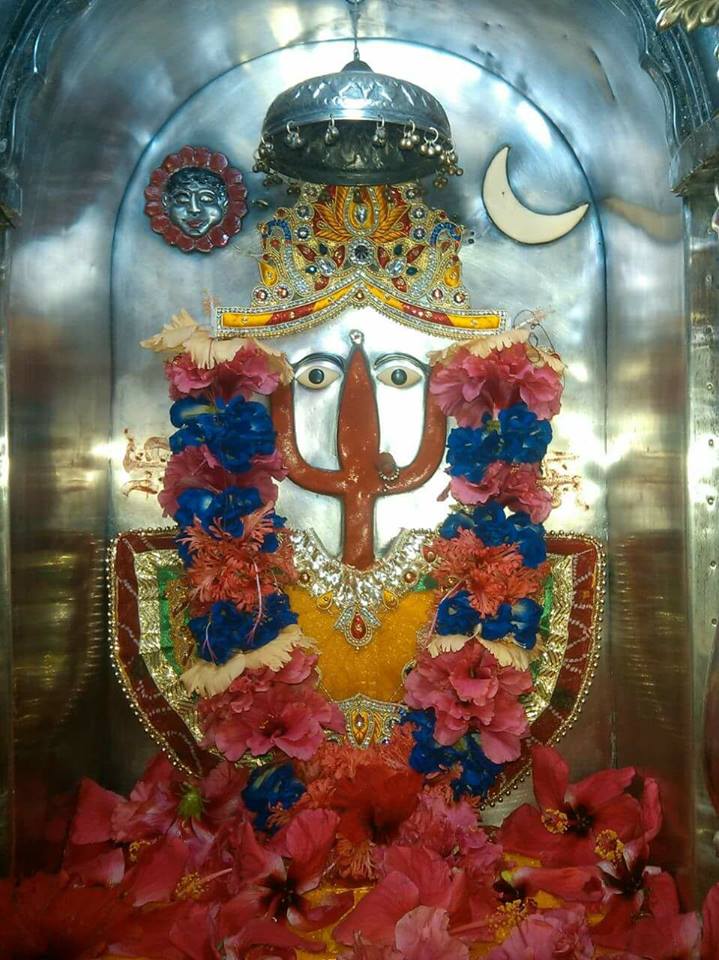
Guhaditya temple
Guhaditya temple in Dwarka is an ancient shrine dedicated to the sun deity, established over 150 years ago. Pilgrims enter through the Swarg Dwar (Gateway to Heaven) and exit vi…
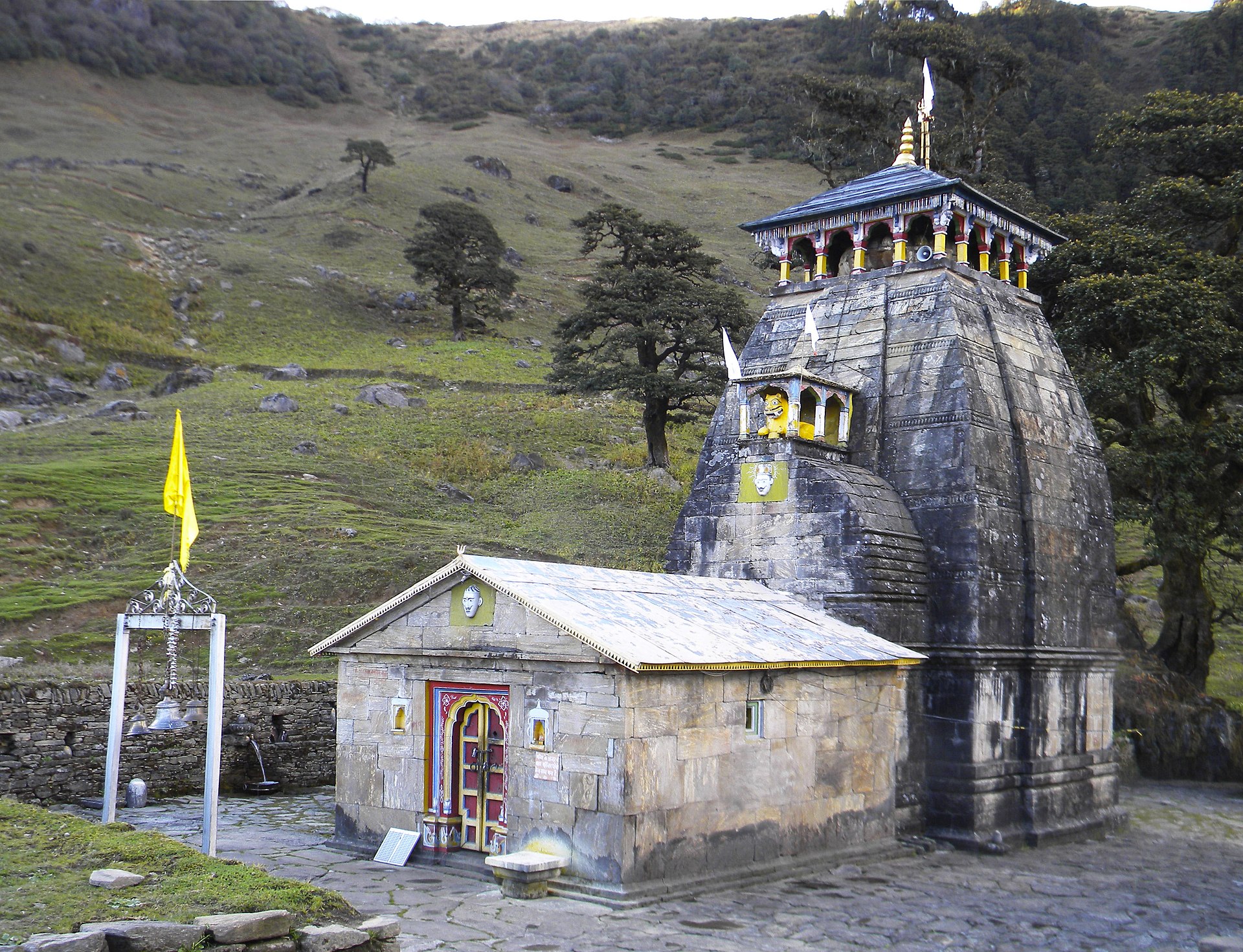
Madhyamaheshwar Temple
Madhyamaheshwar Temple is one of the five sacred Shiva shrines in the Panch Kedar pilgrimage circuit, located in the Garhwal Himalayas of Uttarakhand. Each temple in the circuit…