


Kataragama temple
About Kataragama temple
The temple's origins reach back more than two thousand years, though precise founding dates remain uncertain. Historical chronicles reference the site, and it gained particular prominence during the medieval period. For most of this long history, Kataragama remained a jungle shrine, difficult to access and remote from major settlements. The transformation to a modern pilgrimage center occurred relatively recently—an all-weather road now connects the temple to surrounding areas, making it accessible year-round. This shift from isolated forest sanctuary to connected pilgrimage town represents the most significant change in the site's recent history.
The temple complex has functioned continuously as a destination for devotees across South Asia, drawing pilgrims through centuries of political and social change. Its persistence as a multi-faith site through periods when religious boundaries hardened elsewhere suggests deep roots in local practice and tradition.
Daily Worship and Ritual Times
The temple opens daily from 5:00 AM to 10:00 PM, with three formal pujas conducted throughout the day. The morning puja begins at 5:30 AM, followed by a mid-day puja at 10:30 AM. The evening puja, considered the main ritual of the day, takes place at 6:30 PM and is described as the most elaborate and atmospheric time to visit. These scheduled rituals structure the devotional day and provide visitors with defined times to witness formal worship.
Entry to the temple is free, though donations are welcomed. Visitors should dress modestly, covering shoulders and knees, and remove shoes before entering the sacred spaces. These practices reflect standard etiquette observed across Hindu and Buddhist temples in the region.
Festivals and Auspicious Days
The Esala Perahera festival, held in July and August, represents the most significant annual celebration at Kataragama. During this period, the temple draws large crowds of pilgrims and visitors, making it the most vibrant time to experience the site, though visitors should prepare for substantial congestion. The festival's exact dates and specific observances are best confirmed locally before travel.
Full moon days, known as Poya days in the Sri Lankan calendar, see increased pilgrimage activity and special ceremonies. These occasions attract devotees seeking to align their worship with lunar cycles. The period from December through March offers the most pleasant weather for visiting, with dry conditions and moderate temperatures making travel and outdoor activities more comfortable.
Fire-walking traditions form part of the temple's ritual practices, though specific dates and details of these ceremonies should be confirmed with temple authorities before planning a visit.
Nearby Sacred and Natural Sites
The temple complex sits within a landscape of other significant locations. The Kiri Vehera, an ancient Buddhist stupa, lies within walking distance. The Menik Ganga, a sacred river near the temple, serves as a site for ritual bathing by pilgrims. Sella Kataragama, a smaller temple complex, stands a few kilometers away. Beyond the immediate sacred geography, Yala National Park—a major wildlife reserve—lies approximately 23 miles from Kataragama, allowing visitors to combine pilgrimage with nature exploration.
Planning Your Visit
Kataragama is located in Sri Lanka's southeast at coordinates 6.41666667, 81.33333333. The temple can be reached by all-weather road, making access straightforward compared to its historical isolation. Visitors should plan their arrival around the puja times if they wish to observe formal worship, with the evening puja at 6:30 PM offering the most complete ritual experience. Those seeking a quieter visit may prefer weekday mornings outside festival season. December through March provides optimal weather conditions for travel in the region.
How to reach
Temples near Kataragama temple
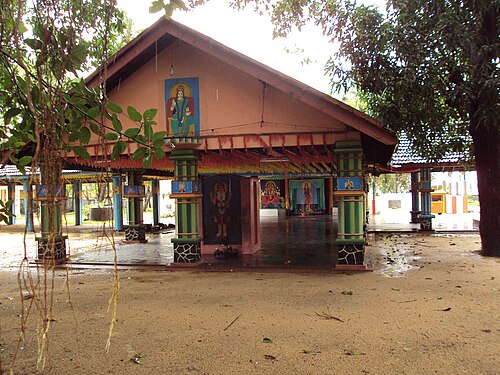
Thambiluvil Sri Kannaki amman temple
Thambiluvil Sri Kannaki Amman Temple is an ancient Hindu shrine in Sri Lanka's Ampara District dedicated to Goddess Kannaki, the heroine of the Tamil epic Silappatikaram, and se…

Kokkadicholai Thaanthonreeswarar Temple
Kokkadicholai Thaanthonreeswarar Temple is one of Sri Lanka's most significant and ancient Shaivite shrines, believed to house one of only two naturally formed Sivalingams on th…
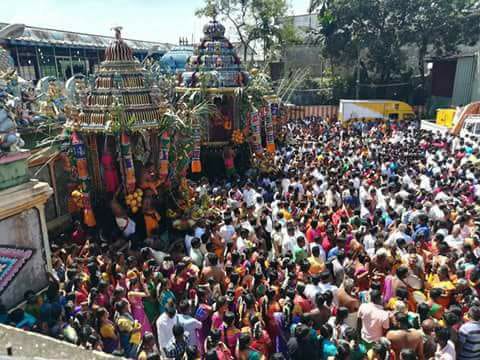
Matale Muthumariyamman Temple
The Matale Muthumariamman Temple is a historic Hindu shrine in Sri Lanka dedicated to the goddess Mariamman, featuring one of the island's largest gopurams adorned with over 100…