Karoh Peak
About Karoh Peak
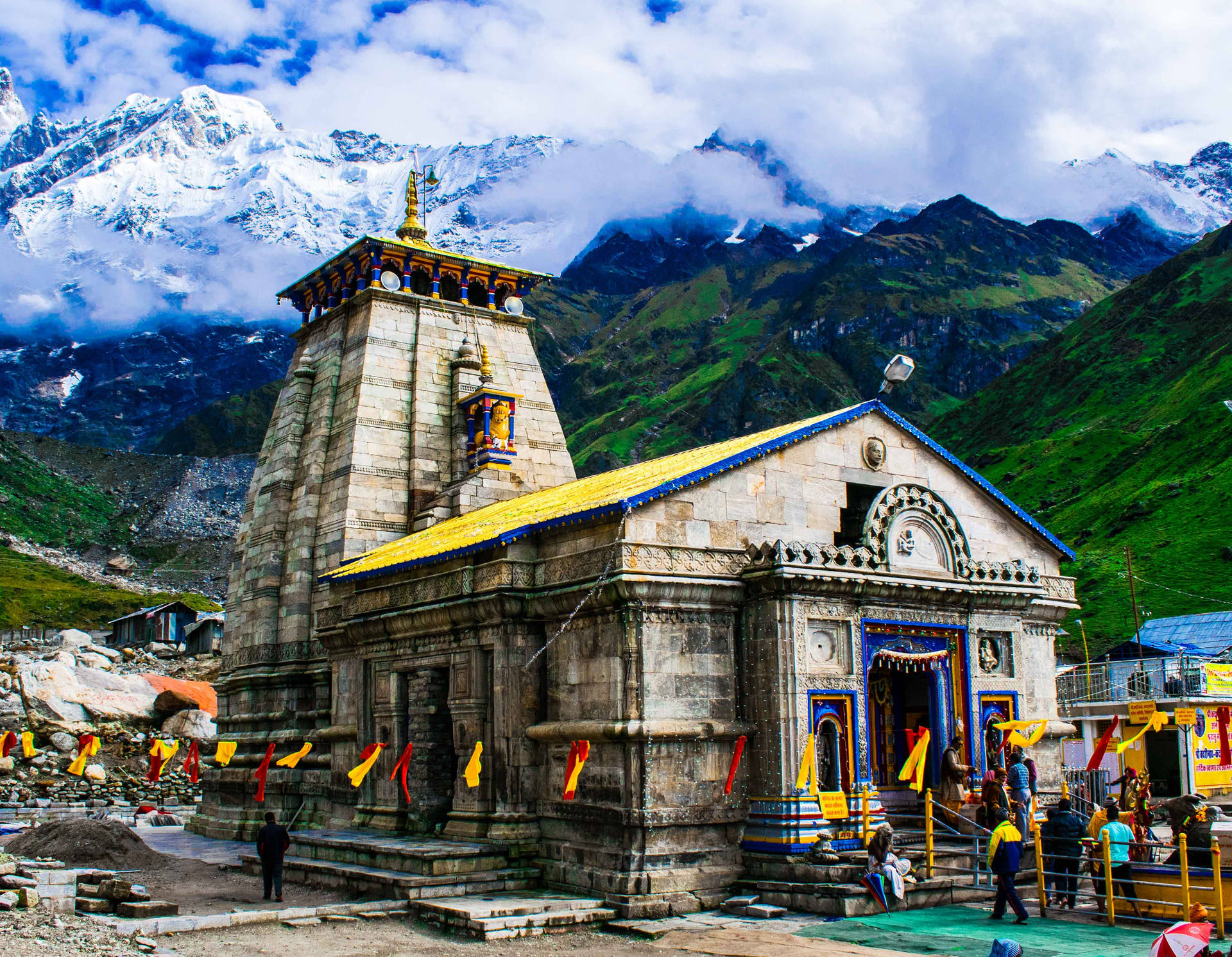
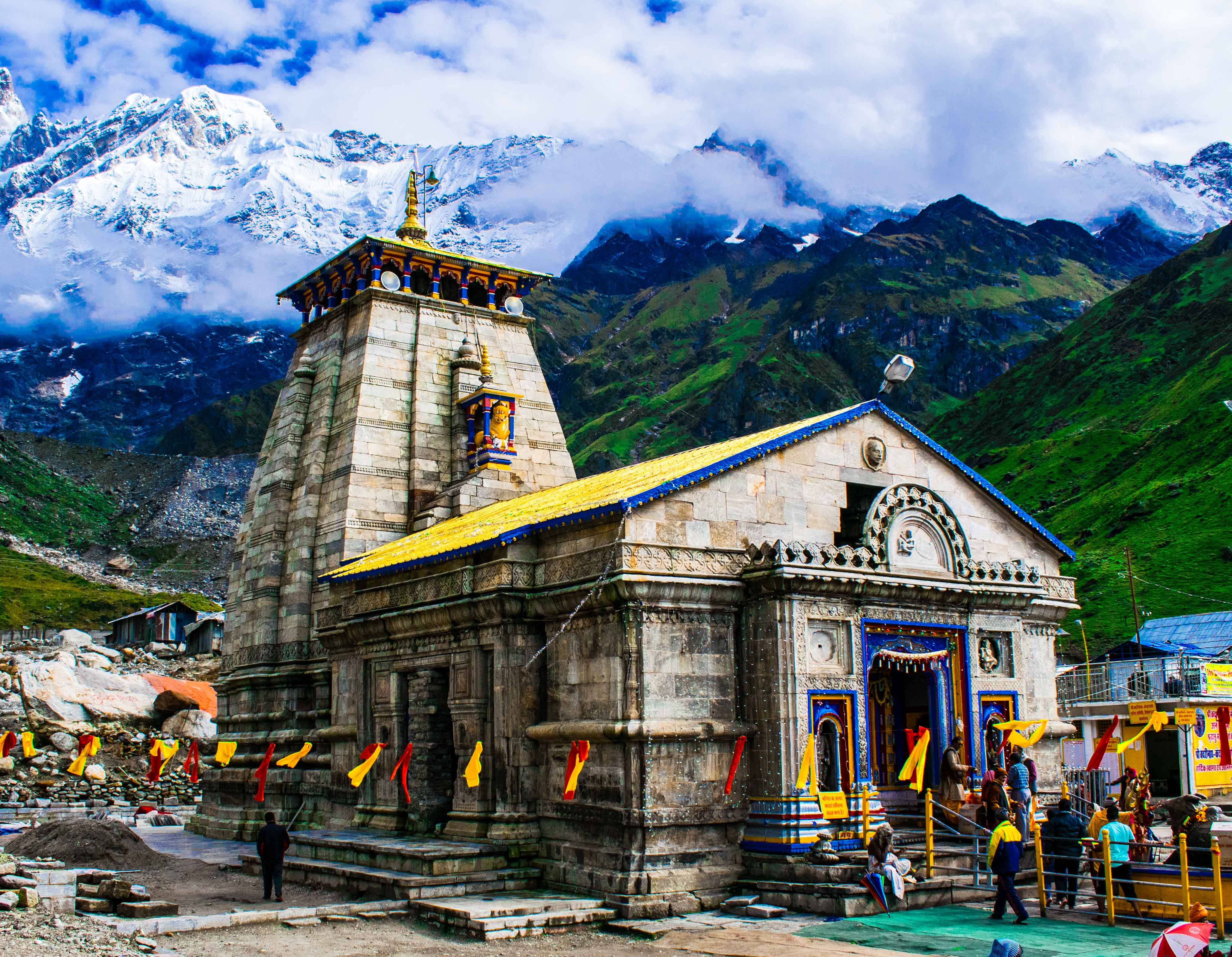
Kedarnath Temple stands as one of India's most significant pilgrimage destinations, dedicated to Lord Shiva. The temple holds the distinction of being the eleventh of the twelve Jyotirlingas—the most sacred manifestations of Shiva in Hindu tradition. Its position within the Char Dham circuit, the four holiest pilgrimage sites in Garhwal, further establishes its spiritual importance for devotees across India. The shrine is believed to have been established by Adi Guru Shankaracharya, the revered philosopher and spiritual reformer who shaped Hindu philosophy and practice.
Located at an elevation of 3,583 metres in the Rudraprayag District of Uttarakhand, Kedarnath Temple occupies one of the most remote and challenging positions among India's major temples. This high-altitude setting within the Himalayas creates both the temple's spiritual magnetism and its practical demands on visitors.
Seasonal Access and Timings
The temple operates seasonally, opening in late April and closing in early November. This restricted calendar reflects the extreme mountain climate, with heavy snowfall rendering the shrine inaccessible during winter months. General darshan is available from 04:00 to 21:00 during the open season, though visitors should confirm exact timings before travel as conditions can affect operations.
Four daily aartis structure the spiritual rhythm of the temple. The Mangala Aarti begins at 04:00, followed by the Maha Abhishek at 06:00. The Sandhya Aarti takes place at 18:00, with the Shayan Aarti concluding the day at 20:30. These rituals represent the traditional daily worship cycle observed in temples dedicated to Shiva.
Reaching the Temple
Kedarnath is accessible only by foot or helicopter during the pilgrimage season. The trek to the temple is demanding and requires physical preparation; visitors should assess their fitness carefully before undertaking the journey. Helicopter services offer an alternative for those unable to trek, with bookings available through dedicated channels managed by the official temple authorities.
Prior to visiting, pilgrims must complete registration formalities through the official portal at registrationandtouristcare.uk.gov.in. This requirement applies to all visitors and is essential for safety and crowd management in this remote location. Vehicle permits and green cards are also required for those traveling by road to the base points of the pilgrimage route.
Best Times to Visit
May through June and September through October represent the optimal visiting periods. During these months, weather conditions are most stable, snow has cleared from the lower approaches, and the pilgrimage season is well-established. These windows offer the most reliable access and comfortable trekking conditions, though even during these months, mountain weather can be unpredictable.
Visitors should be aware that the high altitude and mountain environment present genuine health challenges. The shrine exposes pilgrims to extreme cold, low humidity, increased ultraviolet radiation, and reduced oxygen pressure. Before undertaking the journey, consult health advisories available through official Uttarakhand tourism channels and check weather forecasts from the India Meteorological Department.
Worship and Puja Services
The temple offers opportunities for devotees to participate in formal worship through puja bookings. Prior registration using an Indian mobile number is mandatory for those wishing to arrange specific rituals or participate in organized aartis. The temple committee manages puja availability and can provide information about different worship options and their scheduling.
Donations to support the temple's maintenance and operations can be made through official channels, either as a registered user or as a guest. These contributions support the upkeep of this remote shrine and the services provided to pilgrims.
Practical Considerations for Visitors
The journey to Kedarnath demands serious preparation. Bring appropriate high-altitude trekking gear, including warm clothing suitable for mountain conditions even during summer months. Carry sufficient water and energy-sustaining food, as facilities along the trek are limited. Acclimatization to altitude is important; allow time for your body to adjust before undertaking strenuous activity.
In case of emergency, contact the State Emergency Operation Center at 0135-2710334 or the toll-free number 1070. The temple committee and local authorities maintain systems to assist pilgrims in distress. Plan your visit well in advance, register through official portals, and stay informed about current conditions through official sources before beginning your journey.
How to reach
You may also visit
Sureshwari Devi Temple
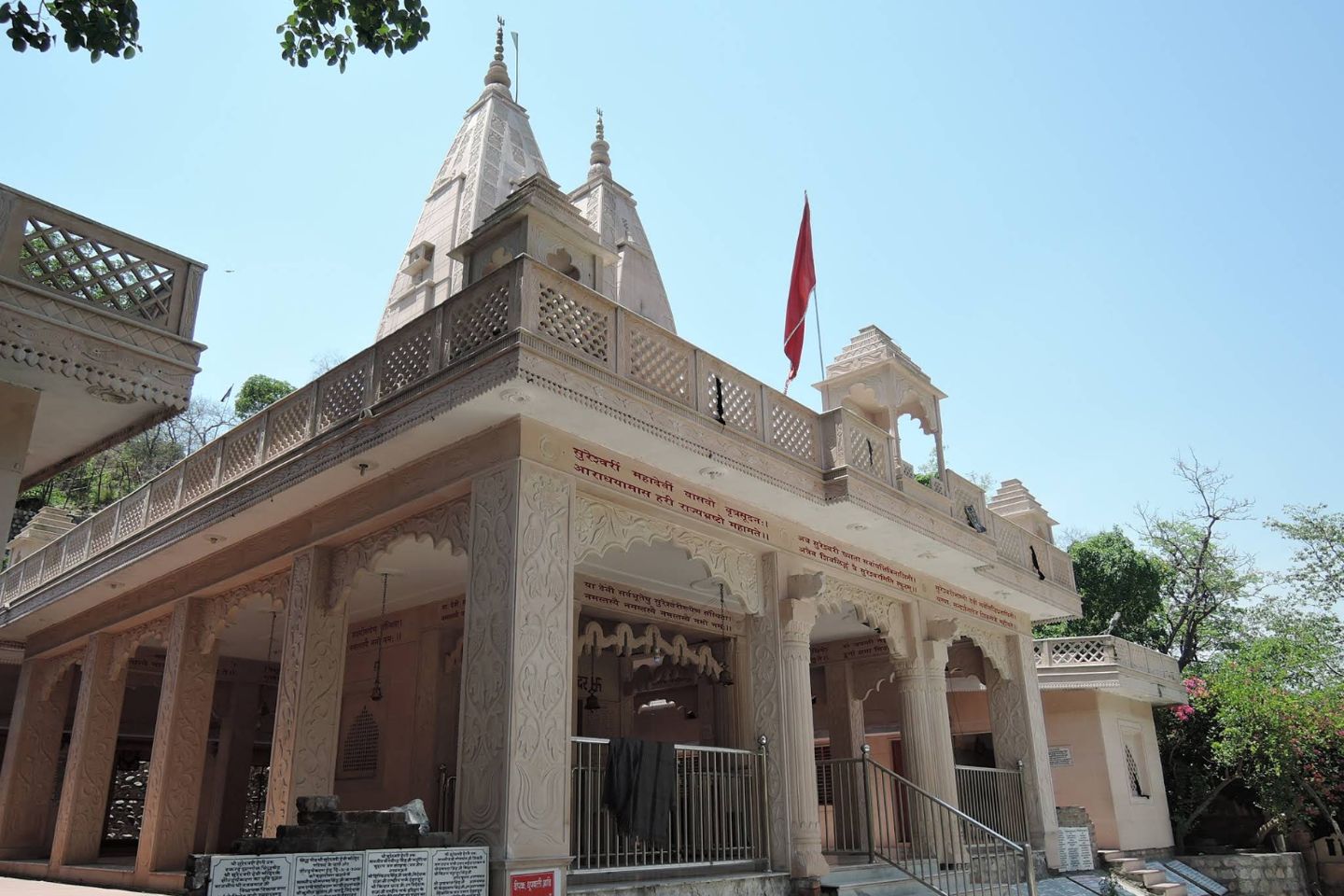
Sureshwari Devi Temple in Haridwar is a forest shrine dedicated to the goddess, situated within the Ranipur Range area near Rajaji National Park, offering a secluded spiritual e…
Agatheeswarar Temple, Karur
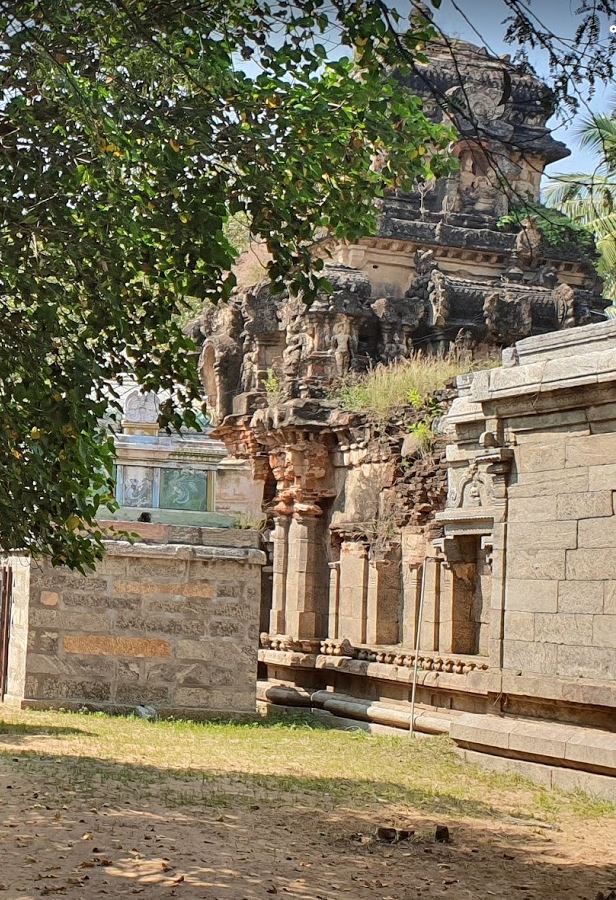
Agatheeswarar Temple in Thirumukkudalur, Karur district, is an ancient Hindu shrine dedicated to Shiva, situated at the sacred confluence of three rivers and believed to be over…

Shani Shingnapur
Shani Shingnapur is a renowned temple in Maharashtra dedicated to Lord Shani, featuring a self-emerged black stone idol worshipped under open sky. The temple is located in a uni…

Kamaksha
Arulmigu Kamakshi Amman Temple in Mangadu, near Chennai, is dedicated to the goddess Kamakshi, an aspect of Adi Parashakti. According to legend, the goddess performed austeritie…
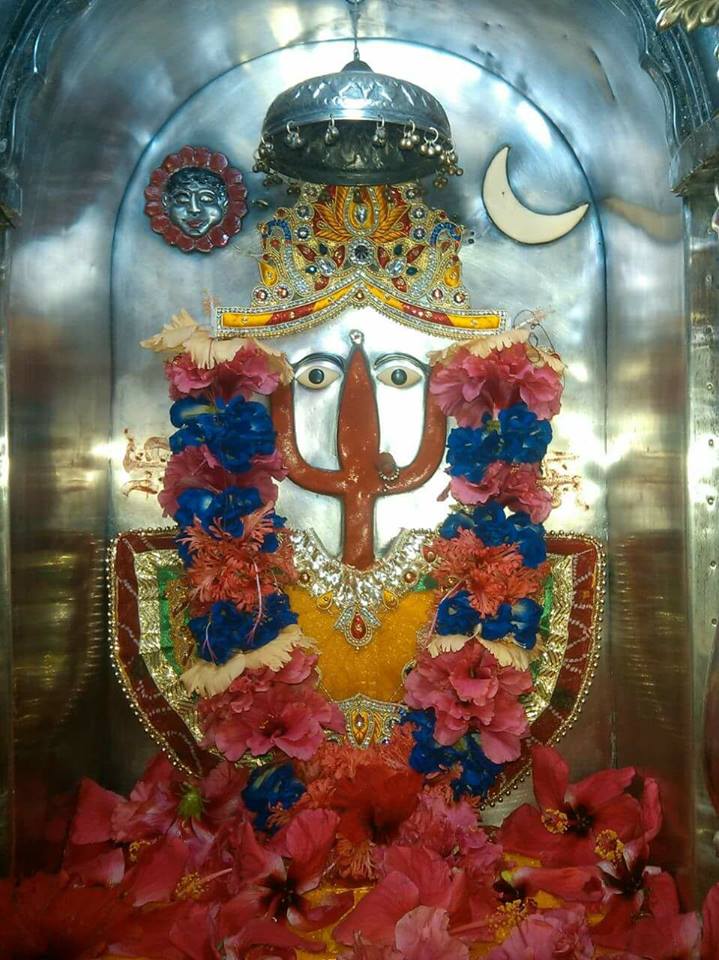
Guhaditya temple
Guhaditya temple in Dwarka is an ancient shrine dedicated to the sun deity, established over 150 years ago. Pilgrims enter through the Swarg Dwar (Gateway to Heaven) and exit vi…
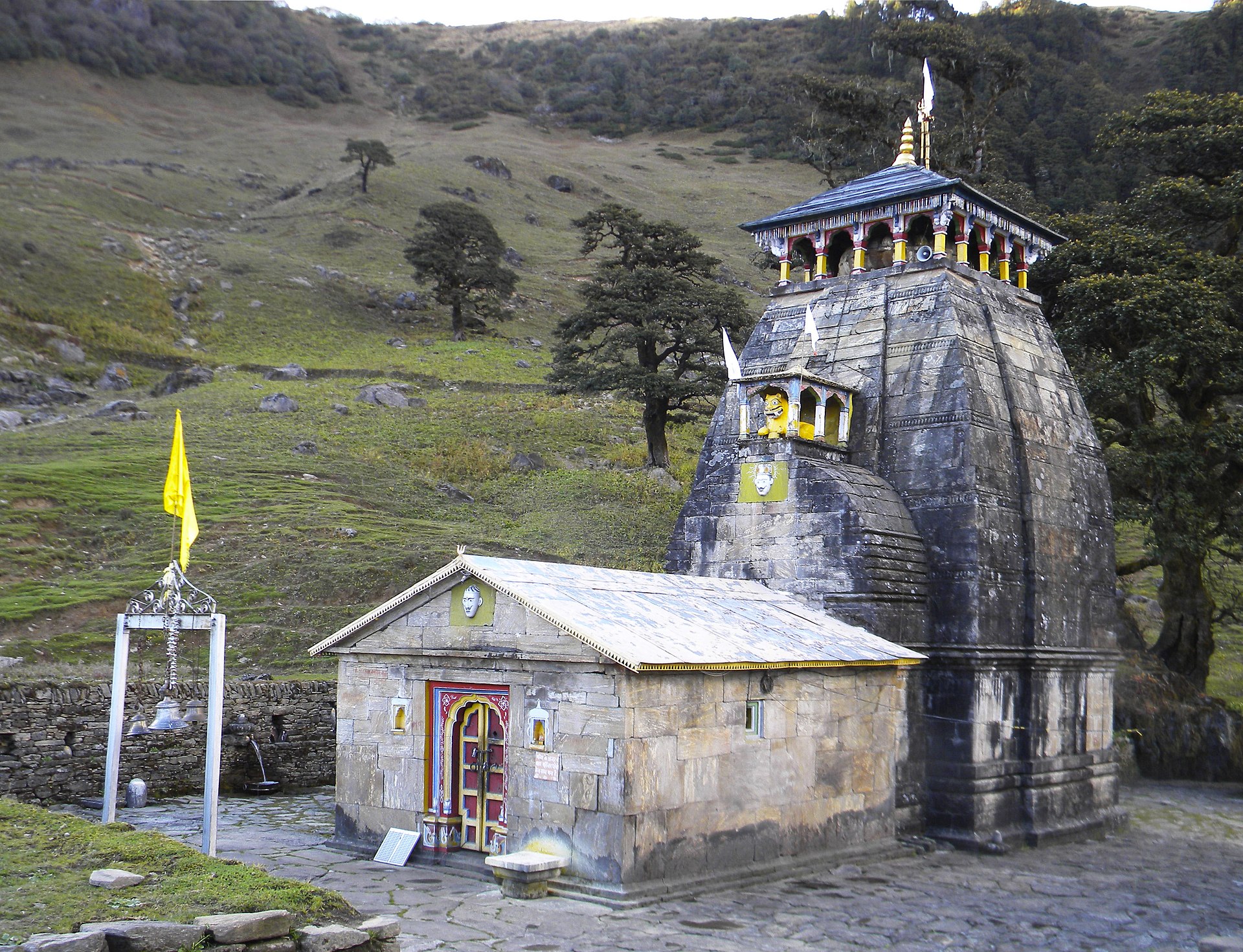
Madhyamaheshwar Temple
Madhyamaheshwar Temple is one of the five sacred Shiva shrines in the Panch Kedar pilgrimage circuit, located in the Garhwal Himalayas of Uttarakhand. Each temple in the circuit…