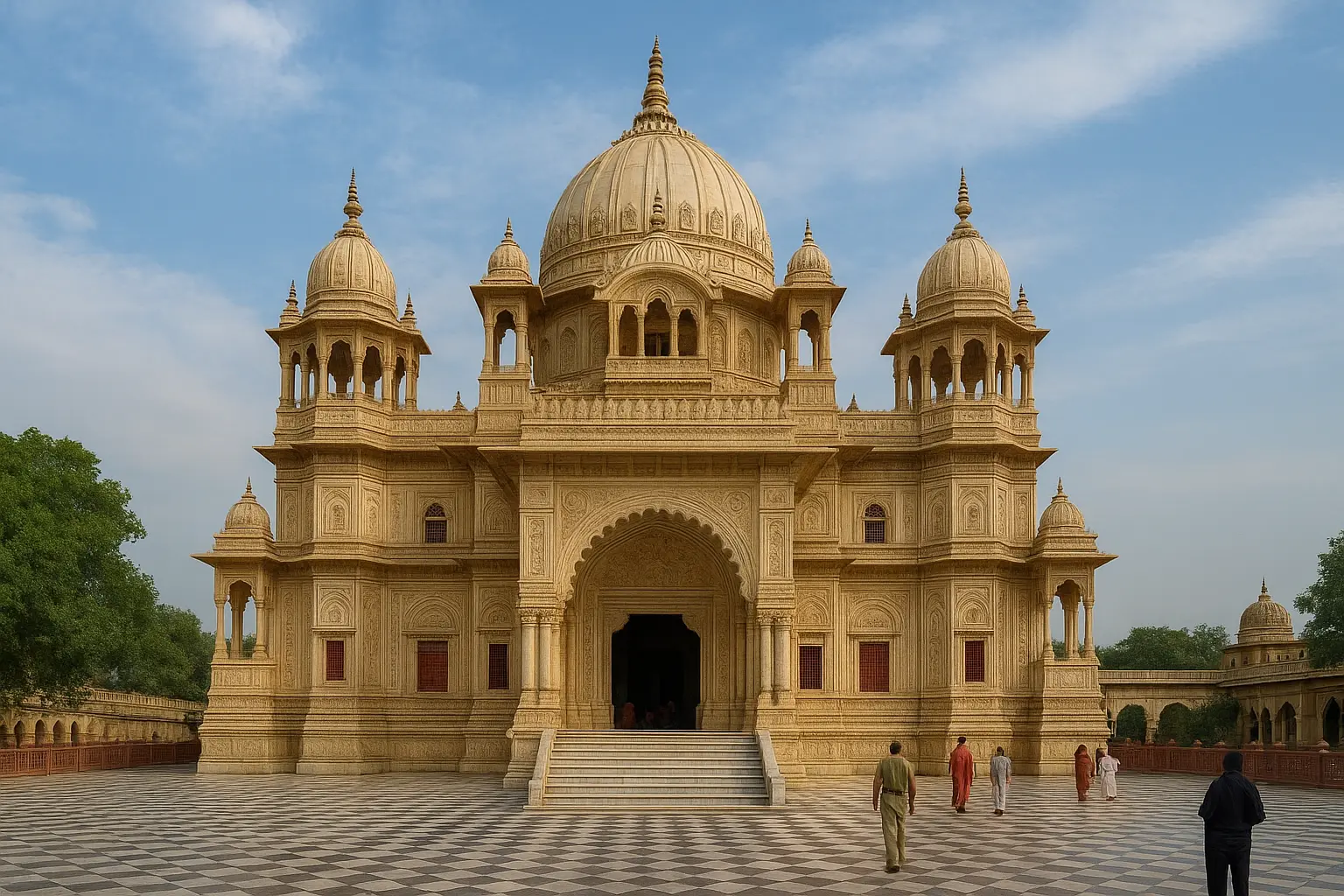


Kanak Bhawan
About Kanak Bhawan
The temple is characterized by its richly adorned appearance, with decorative elements that distinguish it from simpler shrine structures. The architectural style reflects the palace heritage attributed to the building, with attention to detail in its embellishment that speaks to the reverence in which it is held. Visitors will find the temple's interior and exterior carefully maintained, with the ornamental work serving as a visual expression of devotion to the divine couple.
The specific architectural details and construction history are not extensively documented in readily available sources, but the temple's reputation for elaborate decoration is consistent across accounts of pilgrims and devotees who visit.
Daily Darshan and Worship
The temple maintains two daily darshan periods: morning darshan from 6:00 AM to 12:00 PM, and evening darshan from 4:00 PM to 9:00 PM. These timings allow devotees flexibility in planning their visits, though it is advisable to confirm exact hours before arrival, as schedules may shift with seasonal changes and festival observances.
Aartis—the ritual offerings of light and prayers—are performed both in the morning and evening. These ceremonies form the rhythmic heart of worship at the temple, moments when the community gathers to participate in collective devotion. Visitors who time their visit to coincide with an aarti will experience the temple at its most vibrant, with the chanting, bells, and ritual actions creating an atmosphere of focused spiritual practice.
Best Time to Visit
The optimal season for visiting Kanak Bhawan extends from October through March, when the climate of Uttar Pradesh is cooler and more comfortable for pilgrimage. The summer months bring intense heat to the region, which can make extended temple visits physically demanding. The monsoon season brings its own challenges for travel and darshan.
During the cooler months, the temple typically experiences steady flows of devotees, both local worshippers and pilgrims traveling to Ayodhya. This period also aligns with several significant festivals in the Hindu calendar, though specific festival celebrations at this temple are not detailed in available sources.
Practical Information for Visitors
Visitors should plan to arrive during the designated darshan hours and allow adequate time for their visit, particularly if they wish to participate in an aarti or spend time in quiet prayer. As with most Hindu temples, modest dress is appropriate—clothing that covers shoulders and knees shows respect for the sacred space.
The temple's location in Ayodhya means it is accessible as part of a broader pilgrimage to the city's various sacred sites. Ayodhya is well-connected by road and rail to major cities in North India. Visitors should confirm current darshan timings before arrival, as temple schedules can vary with festivals and seasonal observances. Contact information is available through local temple coordination services for those seeking to arrange specific worship services or requiring assistance with logistics.
Worship of Rama and Sita
The joint veneration of Rama and Sita at this temple reflects a particular strand of North Indian devotion that honors the divine couple as an inseparable unit. While Rama is widely worshipped across Hindu traditions, the emphasis here on Sita alongside him speaks to a recognition of her essential role in the sacred narrative and her significance as a figure of devotion in her own right.
Devotees who visit typically come with prayers related to family, marriage, and domestic harmony, given the temple's association with Sita's household and married life. The temple thus serves not only as a site of historical or legendary significance but as a living center of worship where contemporary devotees bring their own hopes and spiritual needs.
How to reach

You may also visit
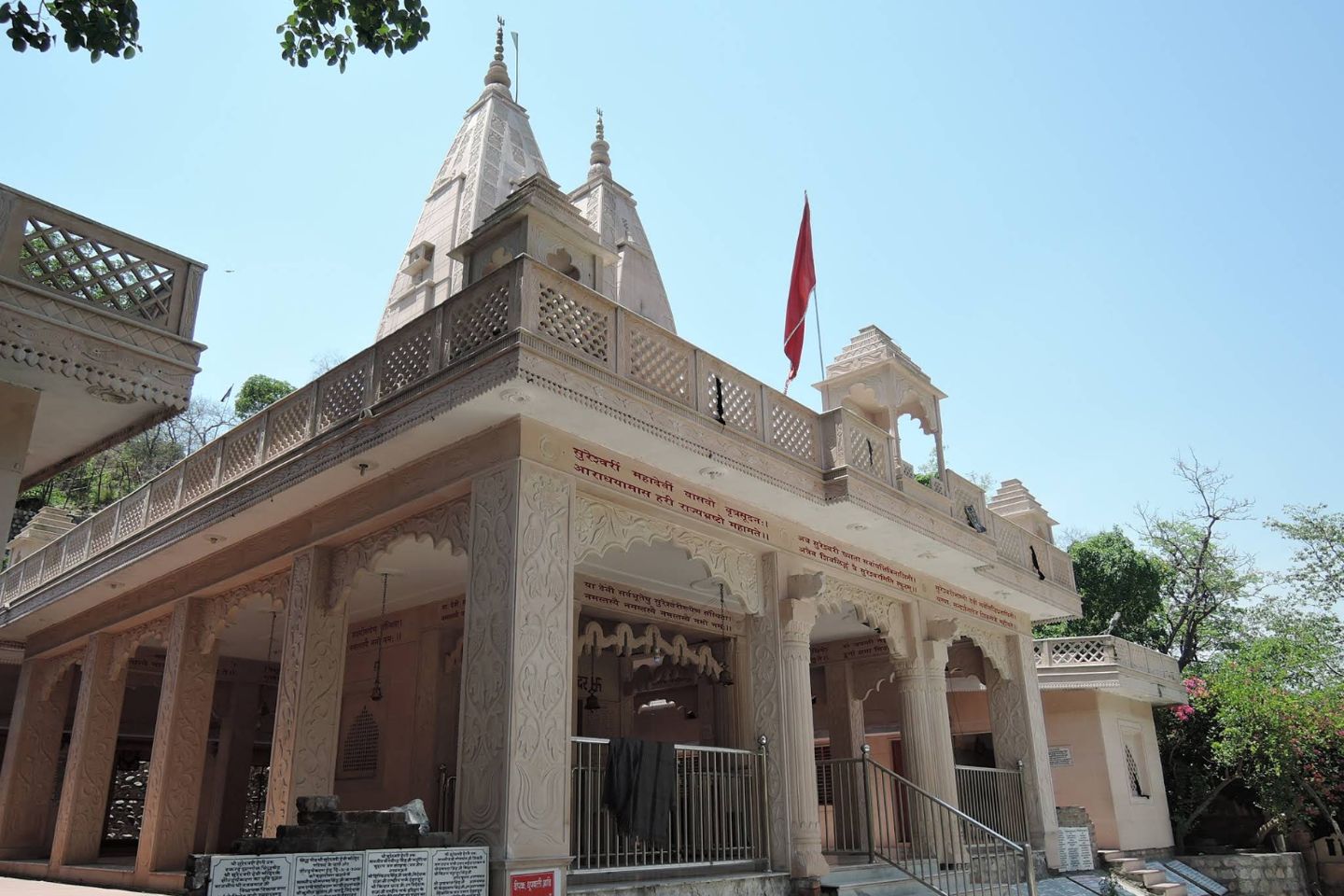
Sureshwari Devi Temple
Sureshwari Devi Temple in Haridwar is a forest shrine dedicated to the goddess, situated within the Ranipur Range area near Rajaji National Park, offering a secluded spiritual e…
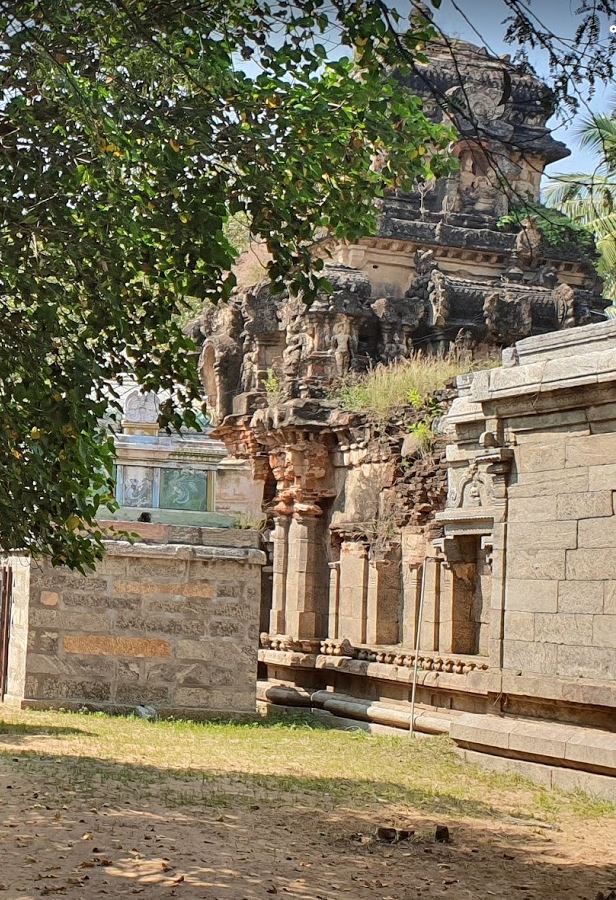
Agatheeswarar Temple, Karur
Agatheeswarar Temple in Thirumukkudalur, Karur district, is an ancient Hindu shrine dedicated to Shiva, situated at the sacred confluence of three rivers and believed to be over…

Shani Shingnapur
Shani Shingnapur is a renowned temple in Maharashtra dedicated to Lord Shani, featuring a self-emerged black stone idol worshipped under open sky. The temple is located in a uni…
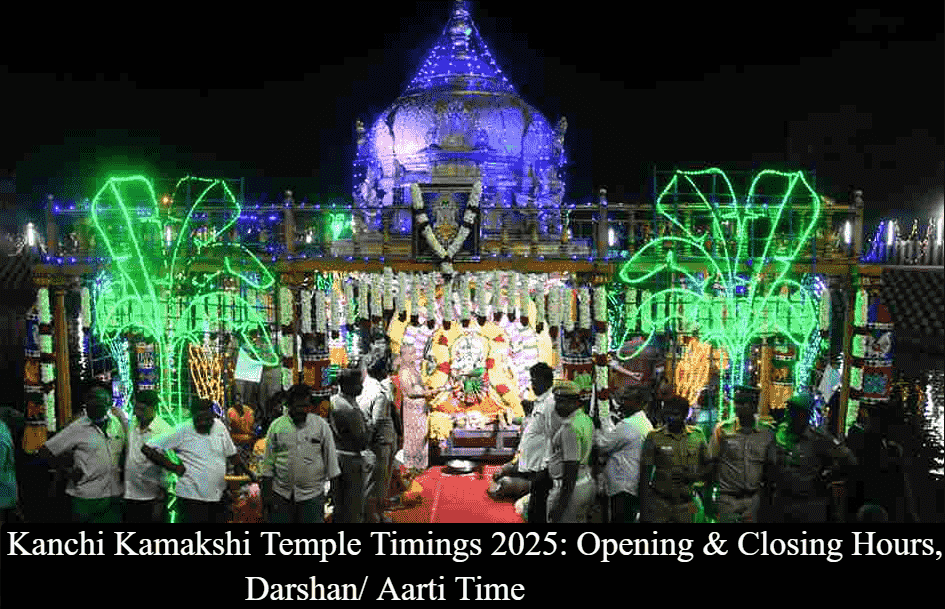
Kamaksha
Arulmigu Kamakshi Amman Temple in Mangadu, near Chennai, is dedicated to the goddess Kamakshi, an aspect of Adi Parashakti. According to legend, the goddess performed austeritie…
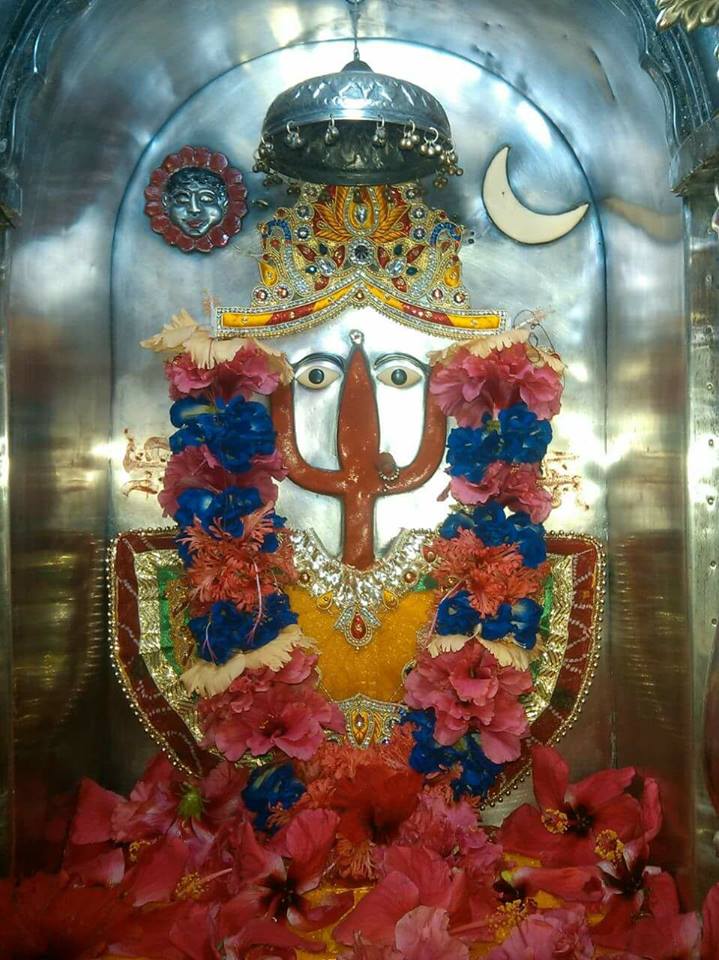
Guhaditya temple
Guhaditya temple in Dwarka is an ancient shrine dedicated to the sun deity, established over 150 years ago. Pilgrims enter through the Swarg Dwar (Gateway to Heaven) and exit vi…
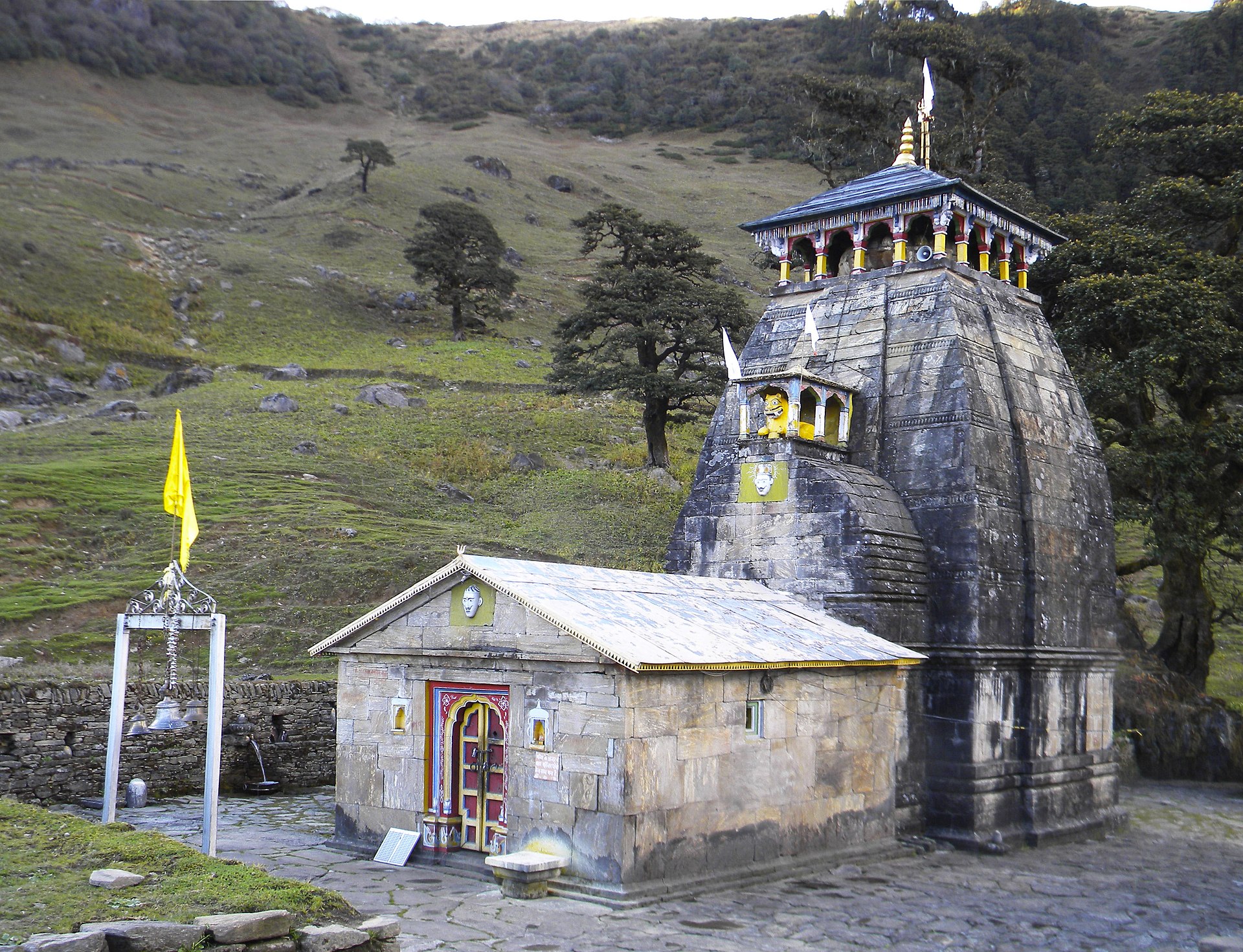
Madhyamaheshwar Temple
Madhyamaheshwar Temple is one of the five sacred Shiva shrines in the Panch Kedar pilgrimage circuit, located in the Garhwal Himalayas of Uttarakhand. Each temple in the circuit…