Kali Tibba temple
About Kali Tibba temple
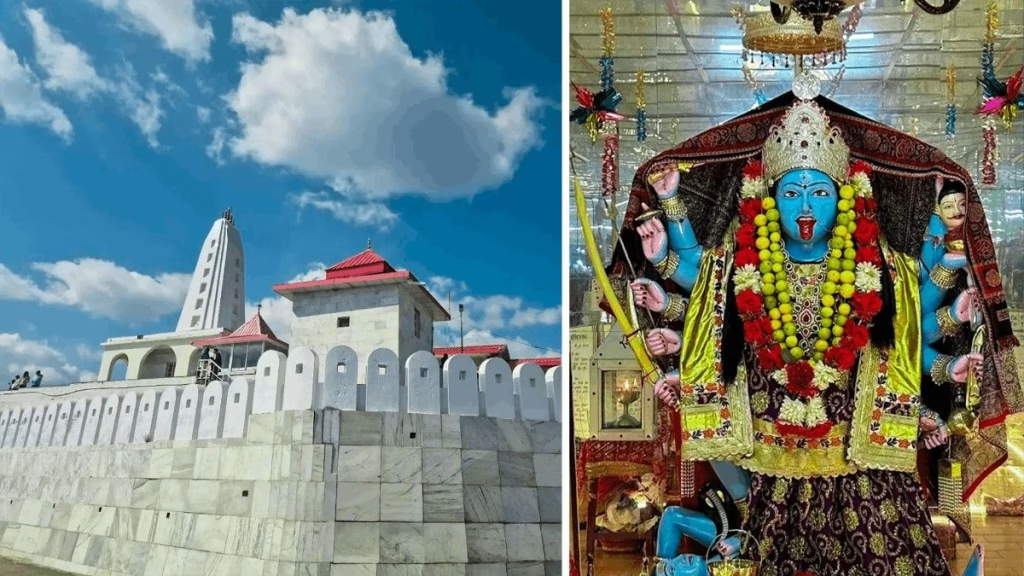
The temple was established in 2002, making it a relatively recent addition to Himachal Pradesh's religious landscape. Its most distinctive feature is its construction entirely in white marble, which reflects sunlight with striking brightness across the mountain terrain. This material choice—unusual for a high-altitude shrine—creates a visual landmark visible across the surrounding valleys and gives the structure a luminous quality, particularly at sunset when the descending sun catches the marble surfaces.
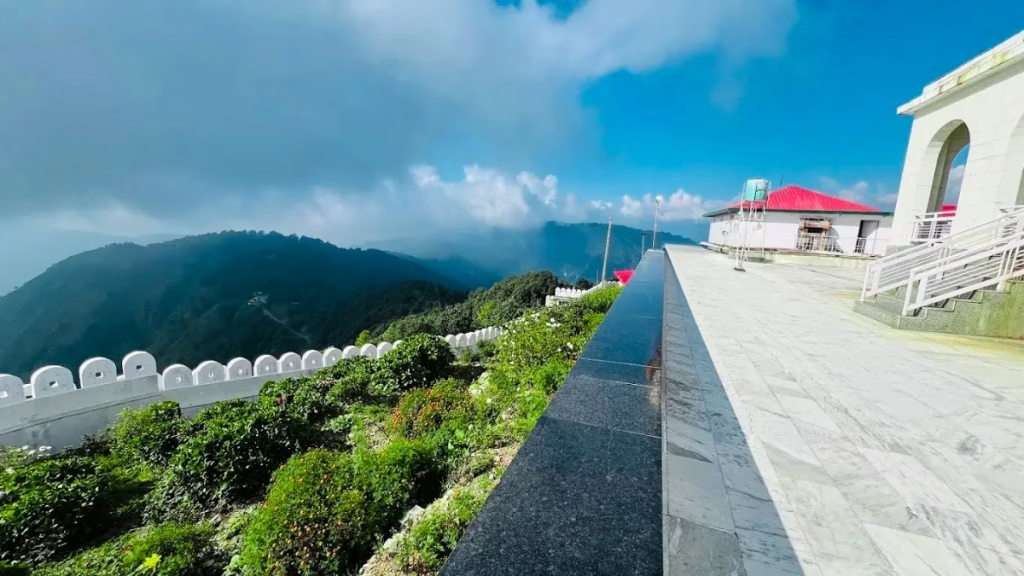
The temple's design incorporates an open courtyard area that functions as a viewing platform, allowing visitors to look outward across the Shivalik Range and the Chail settlement below. This integration of worship space and viewpoint reflects the temple's dual purpose as both a devotional site and a destination for those seeking mountain vistas.
Visiting the Temple: Practical Information
The temple is accessible by road from Shimla, approximately 48 kilometres away. Visitors can arrange transport via taxi or bus services from Shimla to Chail, then proceed to the temple site. The journey involves mountain roads typical of Himalayan travel.
The best periods to visit are March through June, when weather remains clear and the mountain air stays cool, and November through February, when snowfall transforms the landscape. The monsoon season from July to September brings heavy fog that obscures views and makes the mountain environment less welcoming. Standard temple etiquette applies: modest dress is appropriate, and shoes are typically removed before entering the inner sanctum. Specific timings and entry procedures should be confirmed locally, as these details are not documented in available sources.
The Viewpoint and Surroundings
The temple's significance extends beyond its religious function to its role as a vantage point. From the courtyard and surrounding areas, visitors gain a 360-degree perspective of the Shivalik mountain range. On clear days, the Churdhar Peak becomes visible in the distance. The combination of white marble architecture set against forested slopes and mountain views has made the location popular with photographers seeking to capture both spiritual and landscape imagery.
The temple grounds are enveloped by dense pine and deodar forest, whose fragrance contributes to the sensory experience of the visit. The natural setting—cool air, forest sounds, and expansive views—creates an environment distinct from lowland temples, reflecting the particular character of Himalayan pilgrimage sites.
Nearby Sites in Chail
Visitors to Kali Tibba can combine their visit with other notable locations in the Chail area. Chail Palace, constructed in 1891 by the Maharaja of Patiala as a summer residence, stands as a historical landmark over a century old. The world's highest cricket ground, positioned at 2,444 metres above sea level and also used for polo, represents an unusual sporting venue. Sidh Baba Temple, another established religious site in Chail, offers additional pilgrimage options within the region.
Timing Your Visit
Sunset represents the optimal time for a temple visit, when the marble structure catches the declining sun's rays and the valleys below begin to shift into shadow. The combination of religious observance and natural beauty converges at this hour. Those planning to visit during winter months should be prepared for snow and cold conditions, while spring and early summer visitors will experience the mountain environment at its most accessible and clear.
How to reach
Temples near Kali Tibba temple
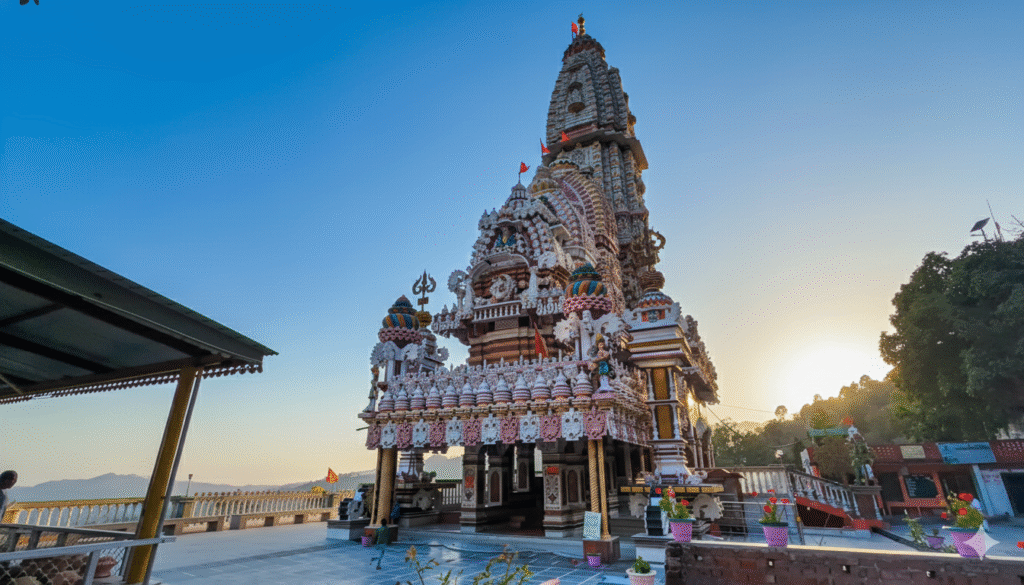
Jatoli Temple
Jatoli Temple is a Hindu shrine dedicated to Lord Shiva located in Solan, Himachal Pradesh, notable for its 111-foot shikhara that makes it the highest Shiva temple in Asia.
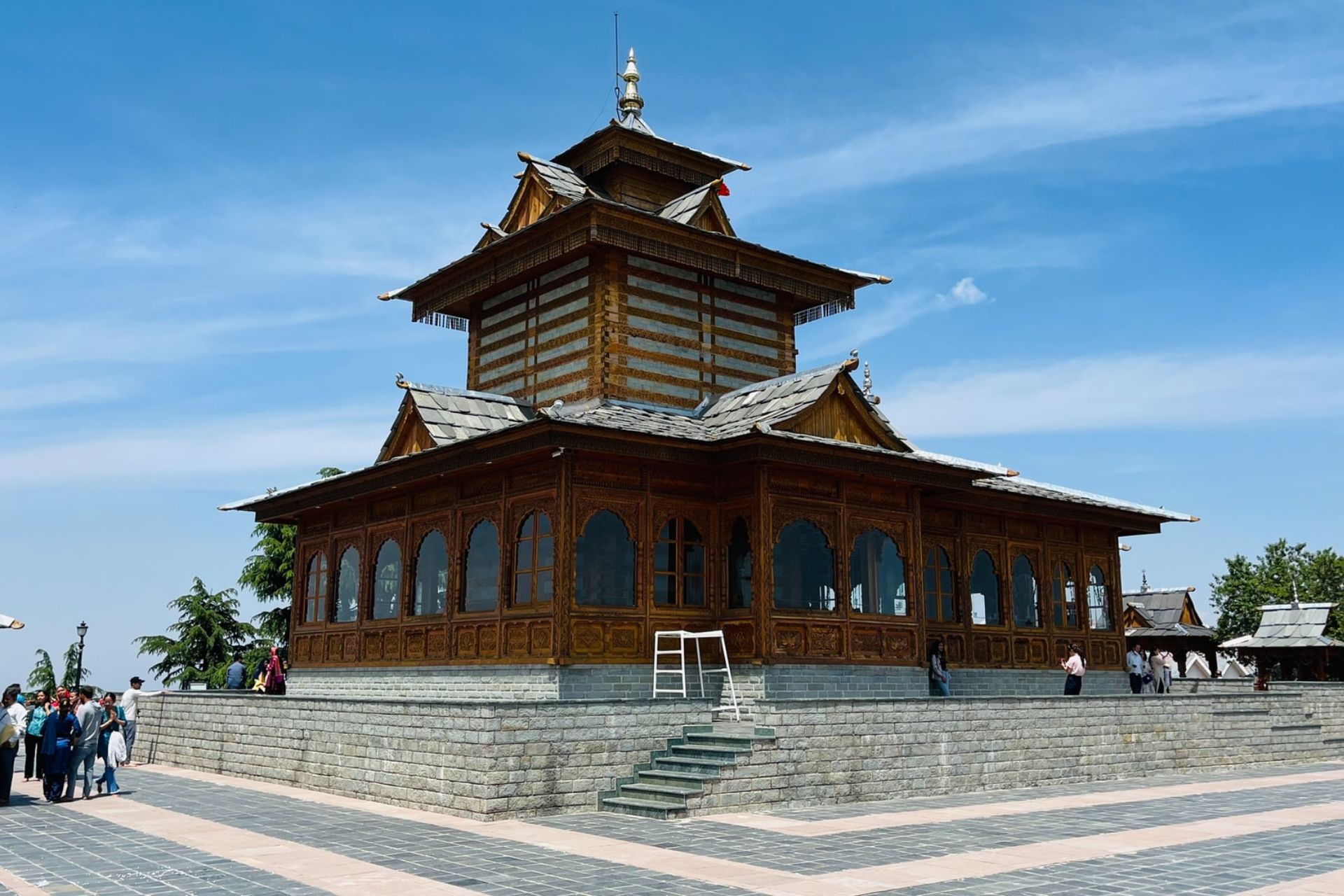
Tara Devi Temple
Tara Devi Temple sits at 7,200 feet elevation on Shimla's western ridge, housing the primary idol of Goddess Tara alongside images of Saraswati, Kali, and Bhagwati. This centuri…

Shri Mahaveer Hanuman Mandir Khushala
Shri Mahaveer Hanuman Mandir Khushala, also known as Thakurdwara, is a Hindu temple dedicated to Lord Hanuman situated in the Khushala village of Shoghi region in Shimla, Himach…
Sankat Mochan Temple, Shimla
Sankat Mochan Temple in Shimla is a Hindu shrine dedicated to Hanuman, established in 1950 by the revered spiritual leader Neem Karoli Baba. It ranks as Shimla's second most vis…

Jakhu Temple
Jakhu Temple is an ancient Hindu shrine dedicated to Lord Hanuman, perched at Shimla's highest peak at 2,455 meters elevation. The temple features a prominent 108-foot Hanuman s…

Dhingu Mata Temple
Dhingu Mata Temple crowns a hilltop shrine above Sanjauli in Shimla, named after its founder Raja Dhingu and revered by both locals and pilgrims for its spiritual significance a…