Jatoli Temple
About Jatoli Temple
The temple's modern development is connected to Sri Sri 1008 Swami Krishnanand Paramhans Maharaj, a saint who visited the site in the early 1950s. The location held spiritual appeal for him—an ancient cave with qualities that drew him to establish a practice of meditation and worship dedicated to Lord Shiva. The saint's presence and work at the site became foundational to what would eventually become the established temple structure visitors encounter today.
The transformation from a site of individual spiritual practice to a formal temple reflects a pattern common in Hindu tradition, where the dedication and effort of spiritual teachers often catalyse the development of pilgrimage destinations and communal worship spaces.
Architecture and Design
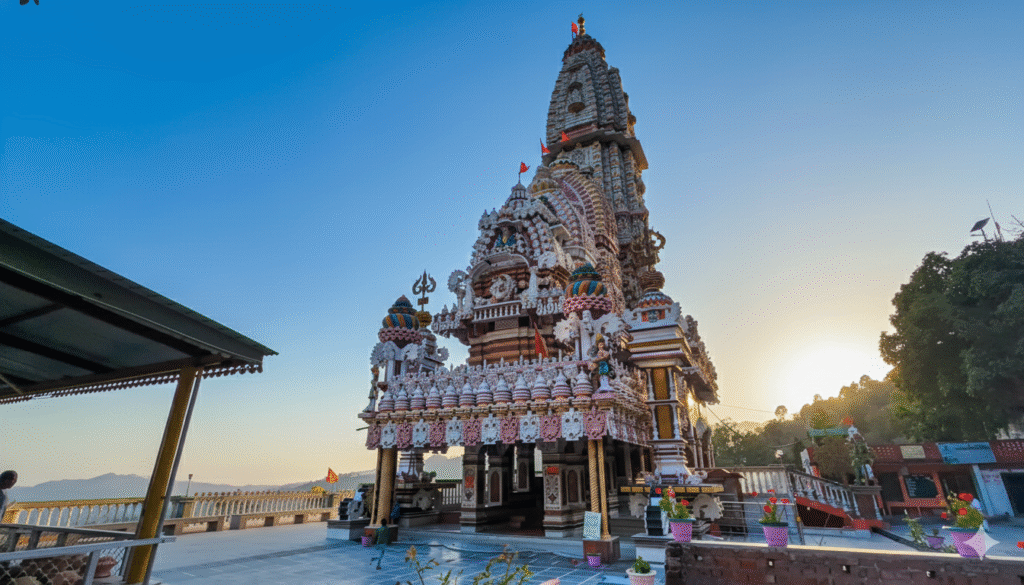
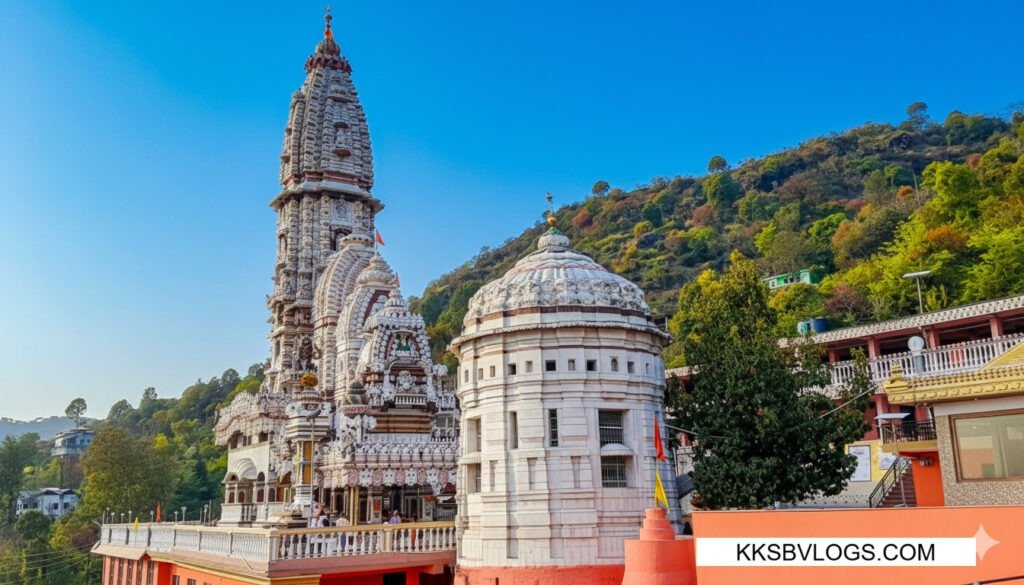
The temple's most prominent feature is its shikhara, or tower, which rises 111 feet and represents the highest Shiva temple structure in Asia. This architectural element is central to the temple's visual identity and spiritual significance. The design incorporates elements that blend traditional Hindu temple architecture with the practical considerations of its mountain location.
The temple's construction and layout reflect choices made to harmonise with the surrounding landscape rather than dominate it. The setting among the Himalayan foothills contributes to the overall experience of visiting the shrine, with mountain breezes and natural surroundings forming part of the devotional atmosphere.
Visiting the Temple
The temple is accessible by road via the Solan-Rajgarh route. Visitors should dress modestly, as is customary at Hindu temples—covered shoulders and knees are appropriate. Shoes are typically removed before entering the inner sanctum. The temple welcomes pilgrims and visitors seeking darshan, the ritual viewing of the deity.
Specific information about daily timings, entry fees, facilities such as water or rest areas, and accommodation options near the temple is not detailed in available sources. Visitors planning a trip should contact local authorities in Solan or seek current information from temple management before travelling, as such practical details may change seasonally or be subject to local conditions.
The Pilgrimage Experience
Jatoli Temple functions as a pilgrimage destination within Himachal Pradesh's religious landscape. The combination of the temple's height, its architectural prominence, and its dedication to Lord Shiva draws devotees seeking spiritual connection. The mountain setting itself—with its natural quiet and the physical elevation—contributes to the contemplative quality many pilgrims associate with the visit.
Temples dedicated to Shiva typically observe rituals centred on worship of the lingam, the symbolic form of the deity. Devotional practices at such temples generally include offerings, circumambulation, and participation in communal worship, though specific daily rituals at Jatoli Temple are not documented in available sources.
Reaching Jatoli Temple
The temple is located on the Solan-Rajgarh road in Solan district, approximately 4 kilometres from Solan city. The coordinates are 30.880333°N, 77.126875°E. Road access from Solan is the primary means of reaching the temple. The exact distance from major towns, transport options, and travel times are not specified in available sources; visitors should consult current travel resources or local transport services in Solan for journey planning.
How to reach
You may also visit
Agatheeswarar Temple, Karur
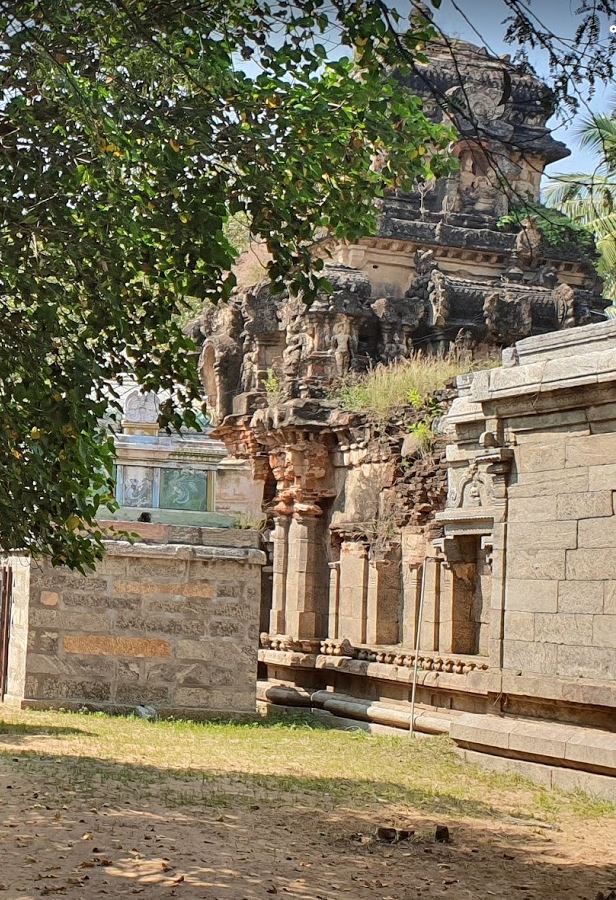
Agatheeswarar Temple in Thirumukkudalur, Karur district, is an ancient Hindu shrine dedicated to Shiva, situated at the sacred confluence of three rivers and believed to be over 1000 years old.
Kalyanji Temple
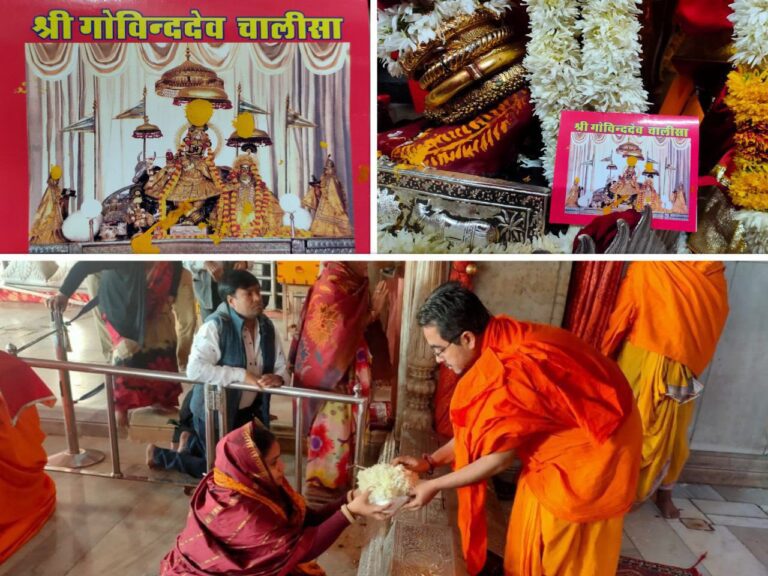
Kalyanji Temple in Jaipur's Chandpol Bazaar is an ancient Krishna shrine established in the 1820s, renowned for its seven daily aartis and special avatar darshan ceremonies during Akha Teej and Patottsav festivals.
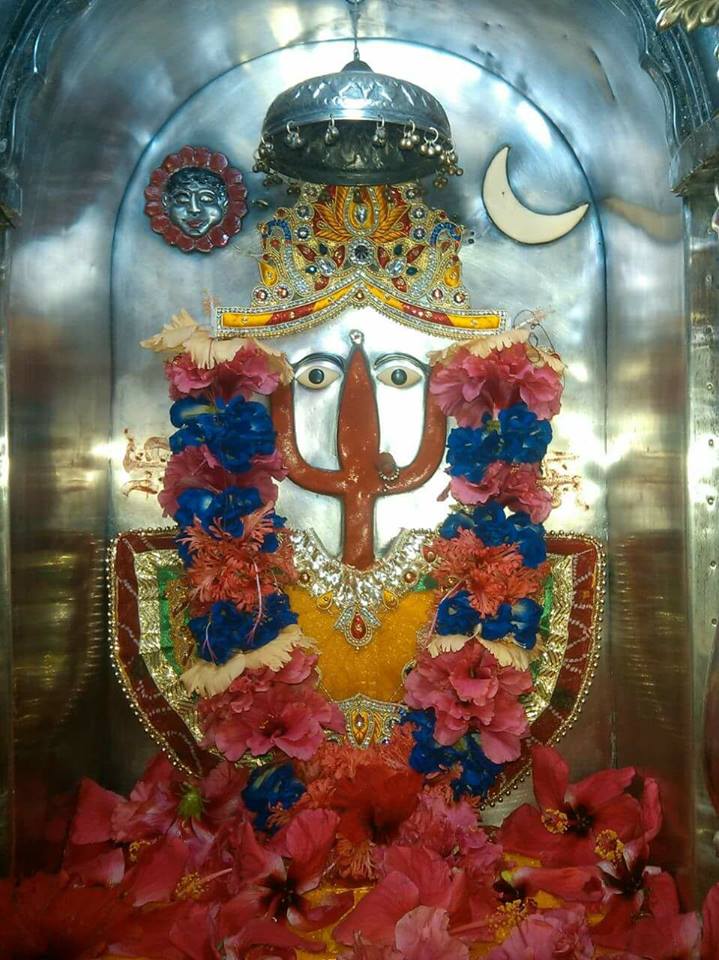
Rani Sati Mandir Mahuda
Rani Sati Mandir in Mahuda, Dhanbad District, is a Hindu temple established in 1992 that serves as a spiritual center for the local community and attracts devotees seeking blessings.