Jwala (goddess)
About Jwala (goddess)
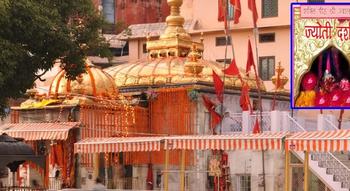
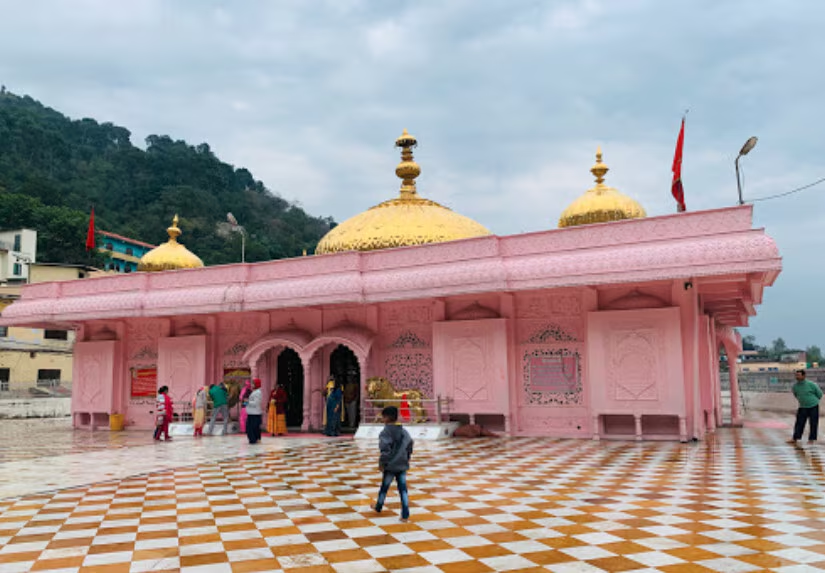
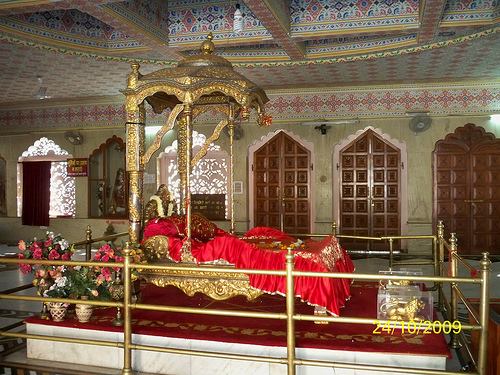
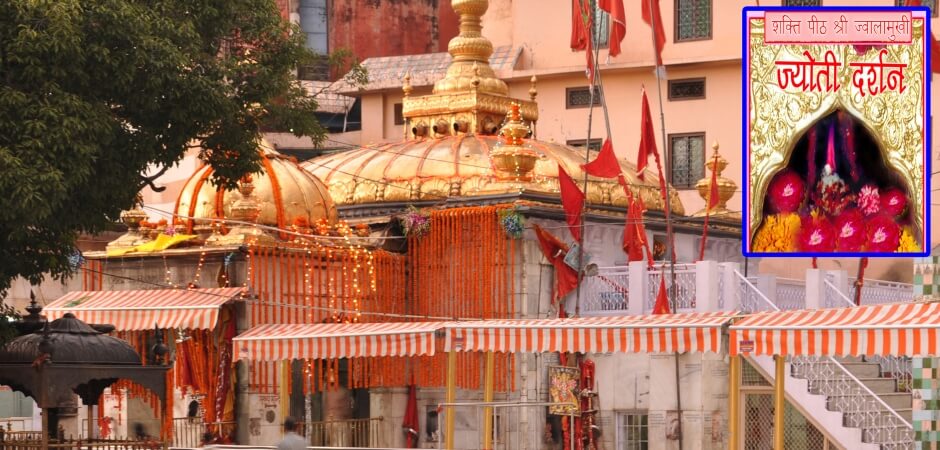
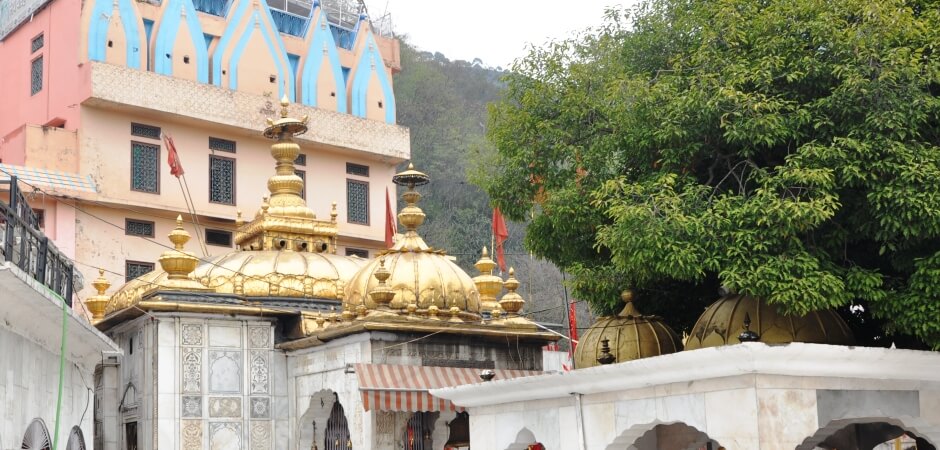
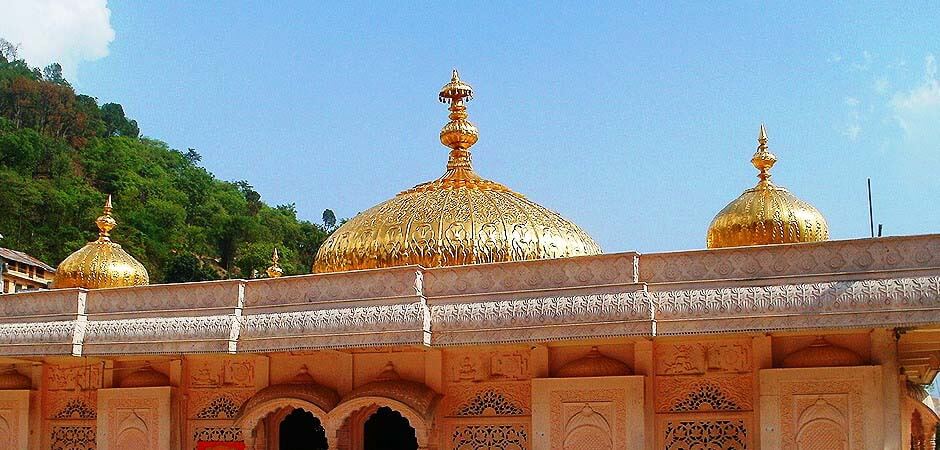
The temple is believed to have been built by the Pandavas, the legendary heroes of the Mahabharata, making it an ancient site of worship. The natural flames have burned without interruption throughout recorded history, a fact that has drawn both pilgrims and seekers of explanation for centuries. Historical accounts note that the Mughal emperor Akbar visited the temple and attempted to extinguish the flames, but was unsuccessful in doing so—a detail that underscores how long this phenomenon has resisted explanation and captured the imagination of visitors across different eras and faiths.
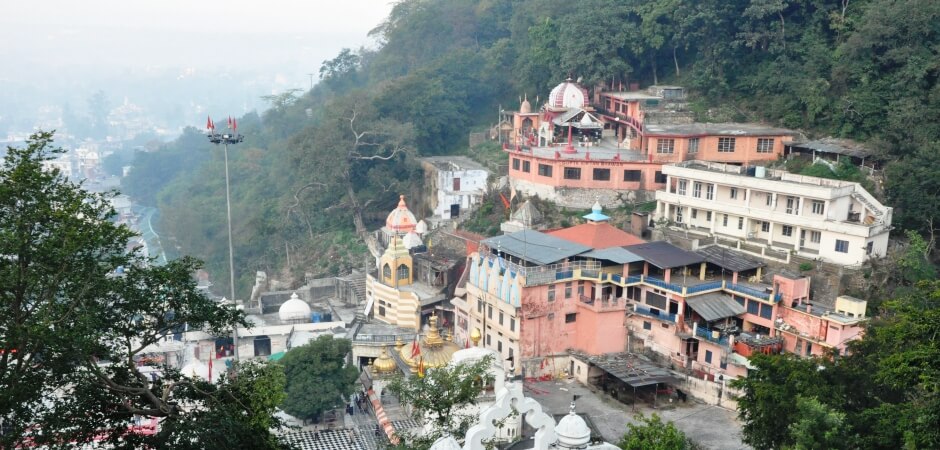
The temple's location in the Shivalik range, within the Kangra valley, places it in a region of considerable natural beauty and spiritual importance in Himachal Pradesh. This geographical setting has contributed to the temple's status as a heritage center not only for the local Kangra region but for Hindu devotees worldwide.
Daily Worship and Darshan
The temple maintains a structured schedule of worship throughout the day. Darshan—the viewing and blessing of the deity—is available from 5:00 AM to 10:00 PM during summer months, and from 6:00 AM to 9:00 PM during winter. An alternative schedule operates from 5:00 AM to 12:30 PM and again from 3:00 PM to 8:00 PM. The best time to visit for a peaceful experience is between October and March, when the weather is cooler and the temple typically sees fewer crowds, particularly during early morning hours.
Five formal aartis (ritual ceremonies involving the offering of light and prayers) structure the day: the Mangal Aarti at 5:00 AM, the Panjupchar Puja at 7:00 AM, the Bhog Aarti at noon, the Sandhya Aarti at 7:00 PM, and the Sayana Aarti at 10:00 PM. These ceremonies allow visitors to participate in the temple's spiritual rhythm and witness the formal worship of the goddess through the eternal flames.
Festivals and Celebrations
The temple observes Navaratra celebrations twice yearly, during March-April and September-October. These periods bring colorful fairs to Jwalamukhi, drawing larger numbers of pilgrims who come to honor the goddess during these significant festivals in the Hindu calendar. The specific dates and nature of these celebrations should be confirmed with the temple directly, as festival schedules may vary from year to year.
Visiting the Temple: Practical Information
Visitors should plan to arrive during the posted darshan hours, keeping in mind that early morning visits typically offer a more tranquil experience. The temple is located in Jwalamukhi village in Kangra District. While the sources do not detail specific dress codes or facilities available at the temple, visitors to Hindu temples of this tradition are generally expected to dress modestly and respectfully. It is advisable to contact the temple in advance to confirm current timings and any specific protocols for worship or photography.
For those wishing to arrange darshan, seva (ritual service), or assistance with planning a visit, contact information is available through the official temple channels. Visitors from outside India or those requiring special arrangements should reach out to temple coordinators who can assist with VIP slots and logistical support.
How to reach
You may also visit
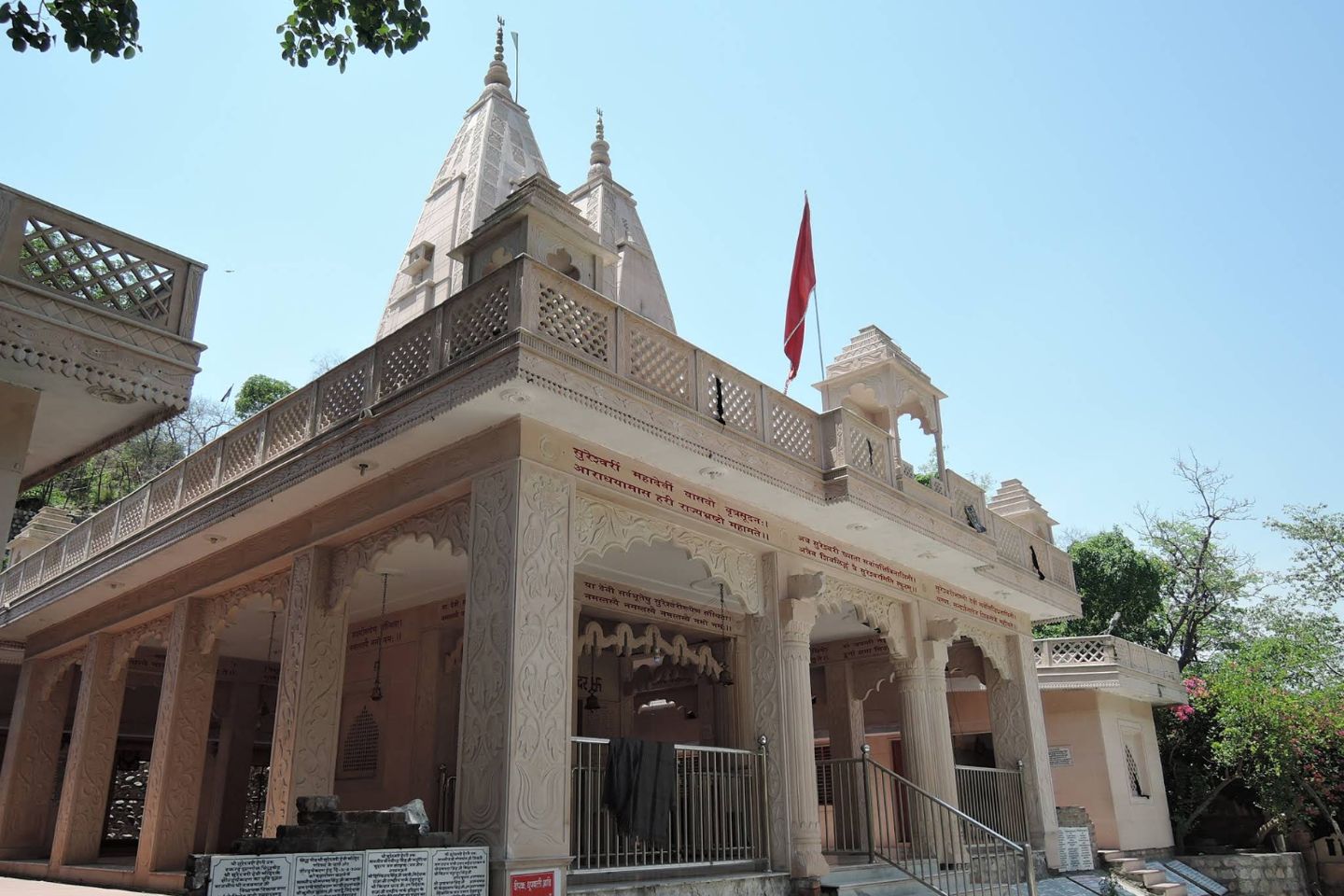
Sureshwari Devi Temple
Sureshwari Devi Temple in Haridwar is a forest shrine dedicated to the goddess, situated within the Ranipur Range area near Rajaji National Park, offering a secluded spiritual e…
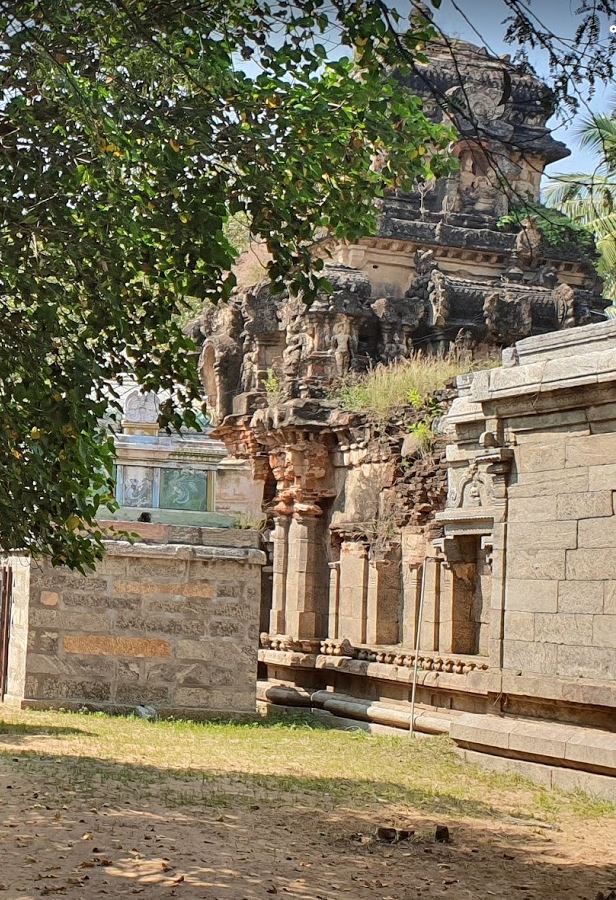
Agatheeswarar Temple, Karur
Agatheeswarar Temple in Thirumukkudalur, Karur district, is an ancient Hindu shrine dedicated to Shiva, situated at the sacred confluence of three rivers and believed to be over…

Shani Shingnapur
Shani Shingnapur is a renowned temple in Maharashtra dedicated to Lord Shani, featuring a self-emerged black stone idol worshipped under open sky. The temple is located in a uni…
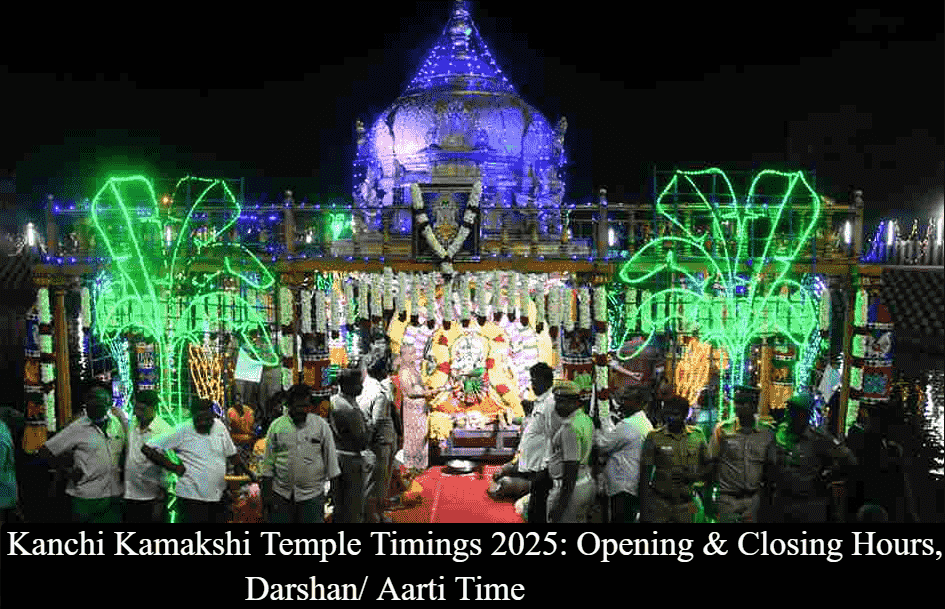
Kamaksha
Arulmigu Kamakshi Amman Temple in Mangadu, near Chennai, is dedicated to the goddess Kamakshi, an aspect of Adi Parashakti. According to legend, the goddess performed austeritie…
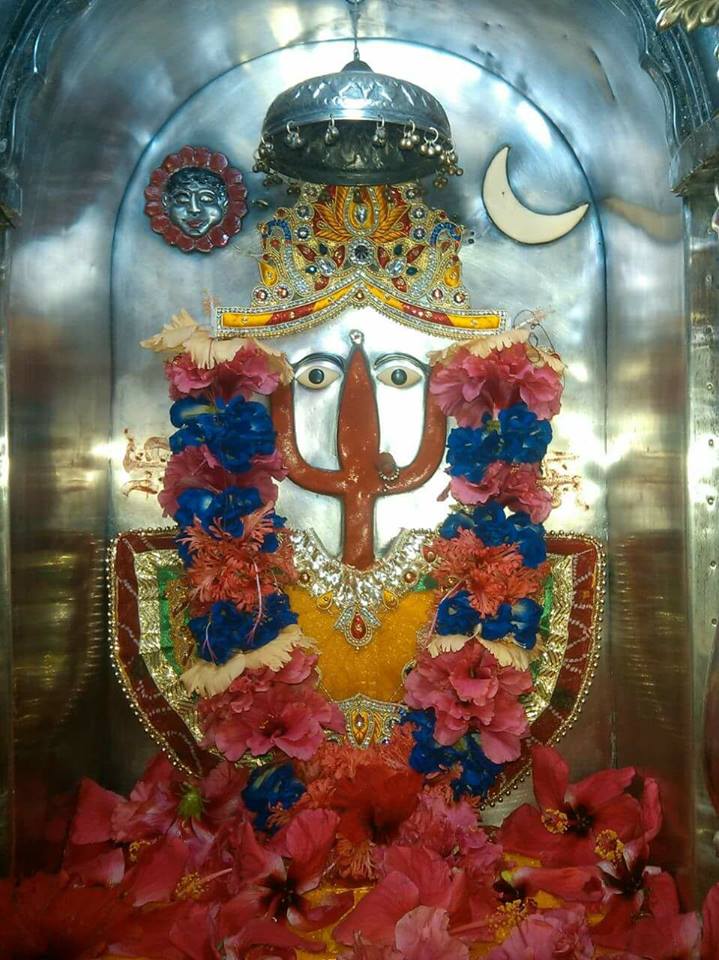
Guhaditya temple
Guhaditya temple in Dwarka is an ancient shrine dedicated to the sun deity, established over 150 years ago. Pilgrims enter through the Swarg Dwar (Gateway to Heaven) and exit vi…
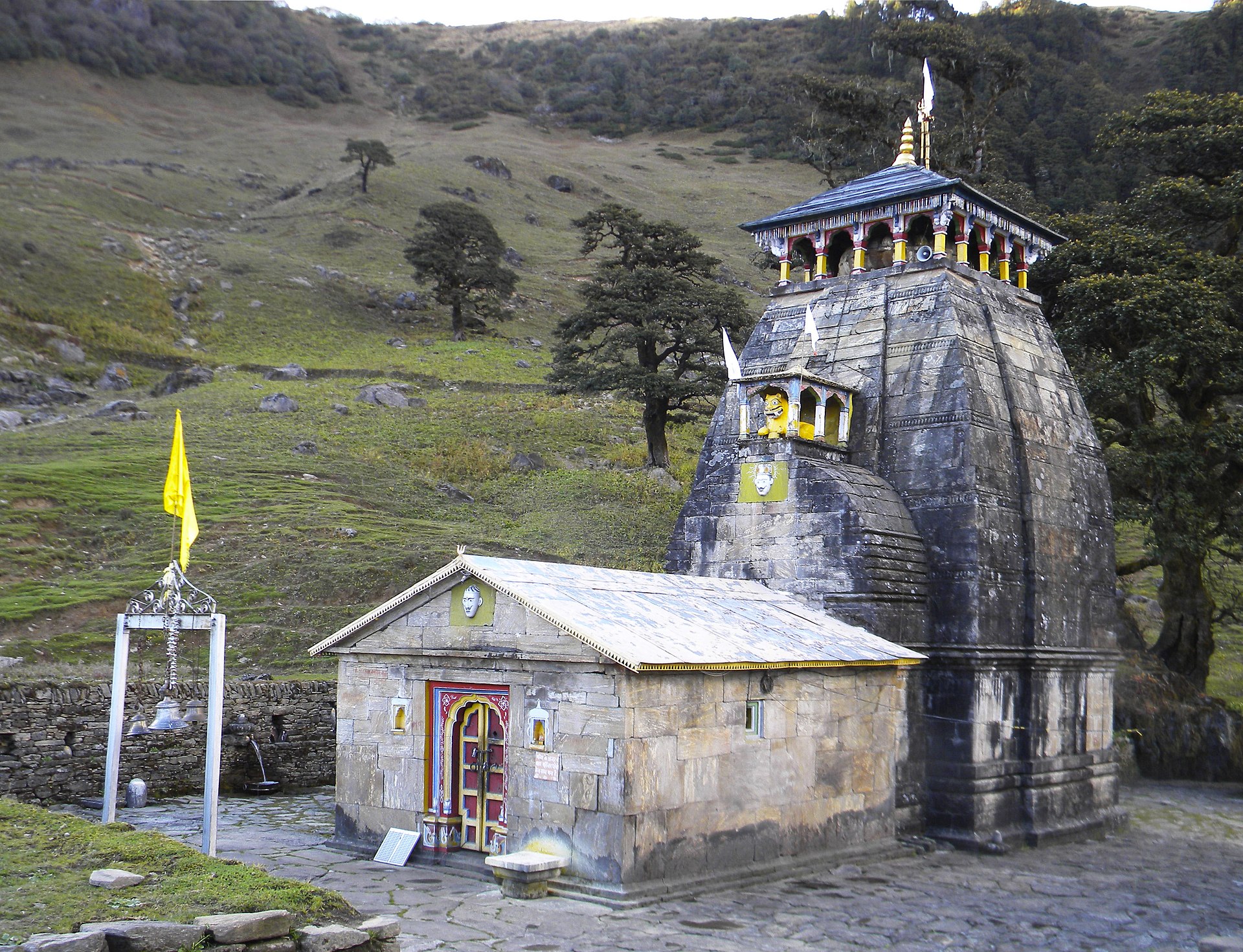
Madhyamaheshwar Temple
Madhyamaheshwar Temple is one of the five sacred Shiva shrines in the Panch Kedar pilgrimage circuit, located in the Garhwal Himalayas of Uttarakhand. Each temple in the circuit…