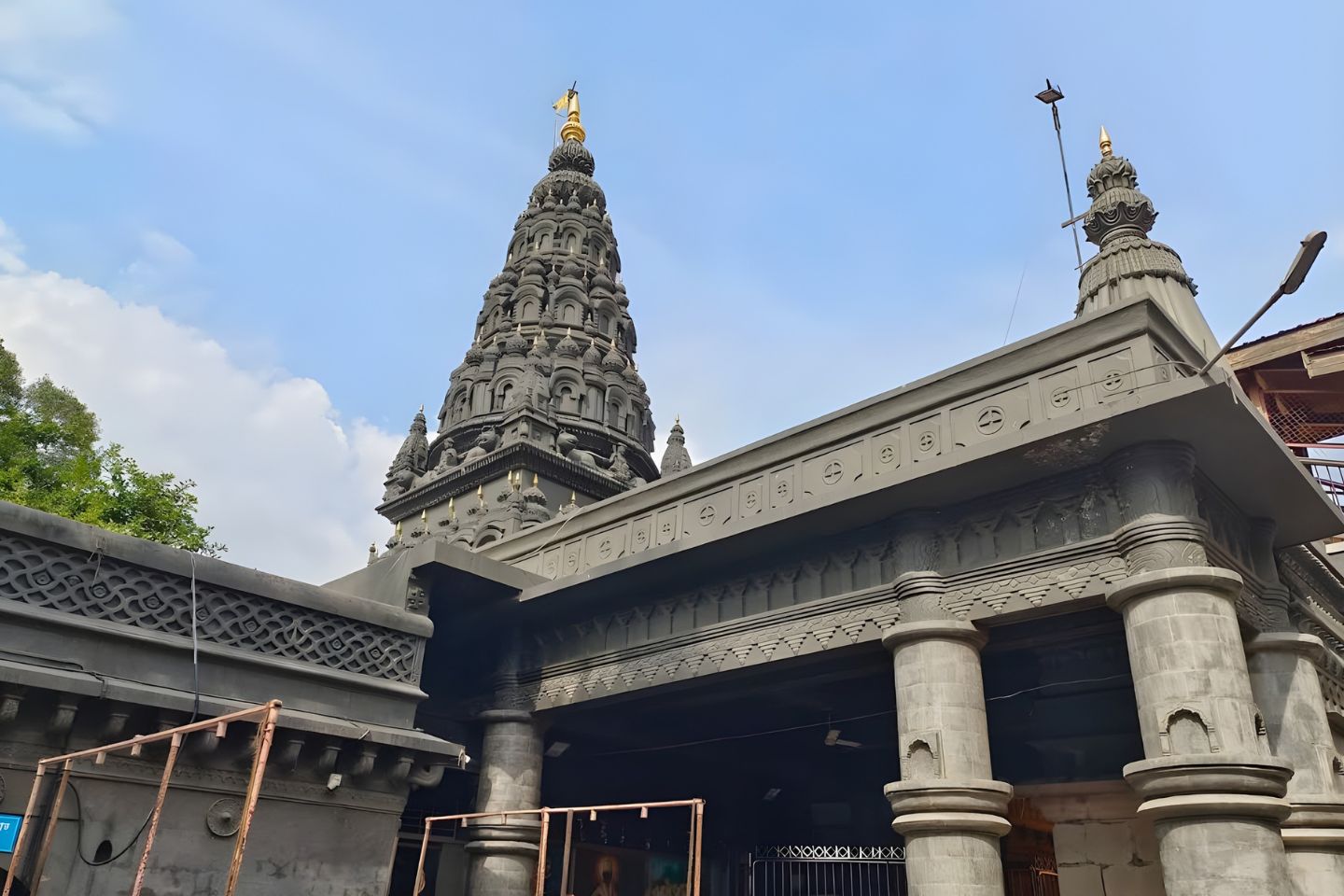
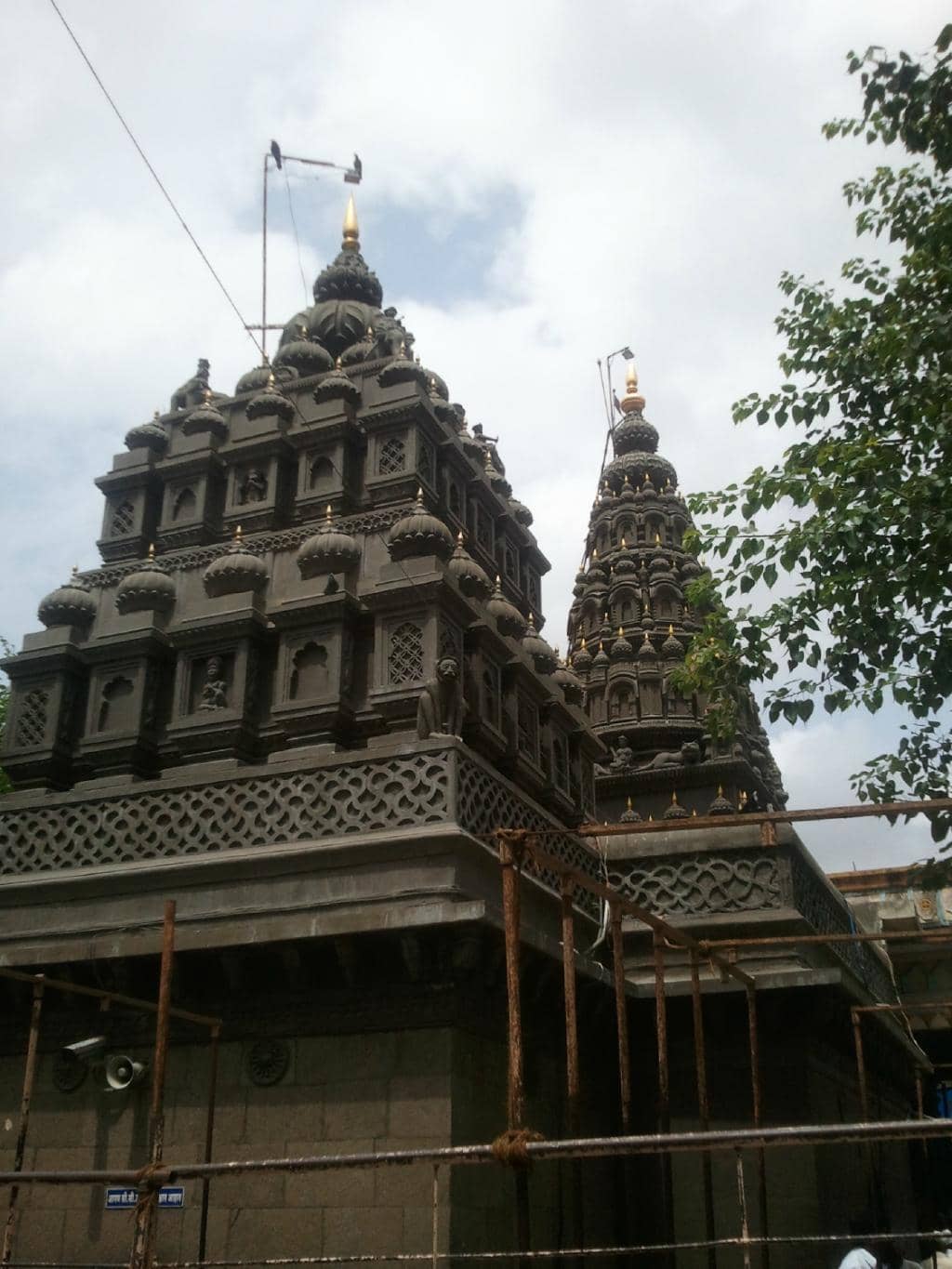
Jnaneshwar Paduka Mandir
About Jnaneshwar Paduka Mandir
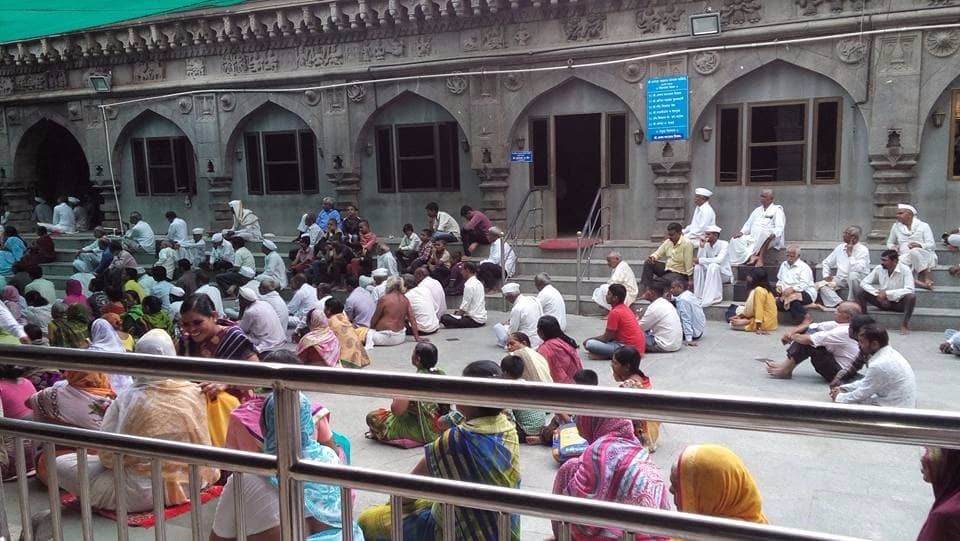
The temple observes significant celebrations during two Hindu lunar months: Ashadh (June–July) and Karthik (November–December). These periods draw larger numbers of pilgrims and feature festive observances that deepen the spiritual atmosphere of the shrine. A notable event during these months is the Palkhi procession, in which a palanquin bearing Sant Dnyaneshwar's representation is carried to Pandharpur, a major pilgrimage destination in Maharashtra. Devotees accompany this procession, singing, dancing, and chanting the saint's name as they travel, embodying the participatory devotion central to the Warkari tradition. These months are ideal times for visitors seeking to experience the temple's communal and celebratory dimensions.
Location and Access
The temple stands on the banks of the Indrayani River in Alandi, approximately 22 kilometres from central Pune. The address is Bhosale Nagar, Alandi, Gaon, Pune, Maharashtra 412105. For those travelling by public transport, buses depart from Swargate bus stop in Pune; the journey takes roughly one hour. The temple is approximately 19 kilometres from Pune railway station and 16 kilometres from the airport. Those with private transport will find the location accessible by road.
Practical Information for Visitors
Entry to the temple is free. The temple opens at 4:00 AM with the Kakad Aarti and closes following the Shej Aarti at 11:00 PM. Darshan is available from 6:00 AM to 9:00 PM daily. A contact number for enquiries is 08530617272. Visitors should dress modestly, as is customary at Hindu temples; women typically wear salwar kameez, sarees, or other conservative clothing, and men wear simple shirts and trousers or traditional dress. Shoes are generally removed before entering the inner sanctum. The riverside location offers a peaceful environment, and visitors may wish to allow time to sit by the ghats (riverbanks) for reflection after darshan.
Understanding the Warkari Tradition
The Warkari sect, to which Sant Dnyaneshwar belonged, emphasizes devotion to Lord Vitthal (a form of Krishna) and values the teachings of saints who lived lives of spiritual discipline and philosophical insight. The tradition places particular importance on pilgrimage, communal singing of devotional songs, and the study of saint-poets' writings. Visiting this samadhi shrine connects pilgrims to this lineage and to the historical figure whose spiritual legacy continues to shape Marathi Hinduism. Those unfamiliar with the tradition may find it enriching to read selections from the Dnyaneshwari or to listen to devotional songs sung by other visitors during their time at the temple.
How to reach


You may also visit
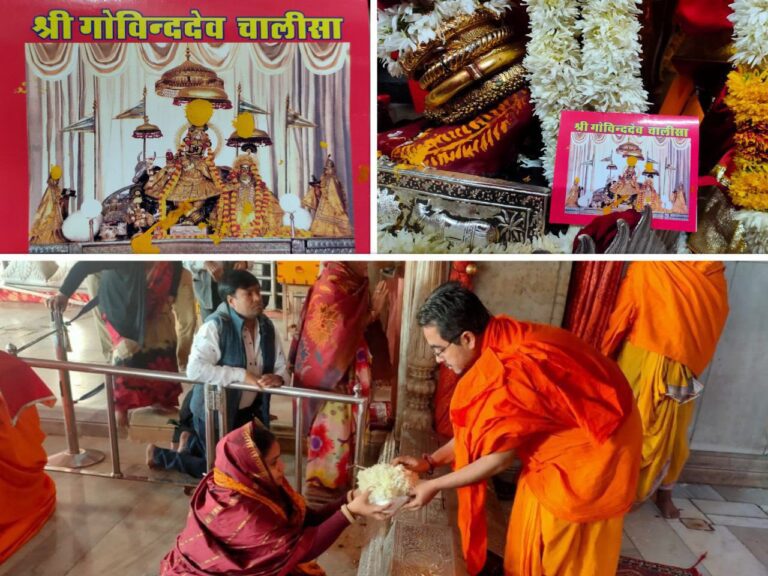
Kalyanji Temple
Kalyanji Temple in Jaipur's Chandpol Bazaar is an ancient Krishna shrine established in the 1820s, renowned for its seven daily aartis and special avatar darshan ceremonies during Akha Teej and Patottsav festivals.
Rani Sati Mandir Mahuda
Rani Sati Mandir in Mahuda, Dhanbad District, is a Hindu temple established in 1992 that serves as a spiritual center for the local community and attracts devotees seeking blessings.
Narbadeshwar Temple
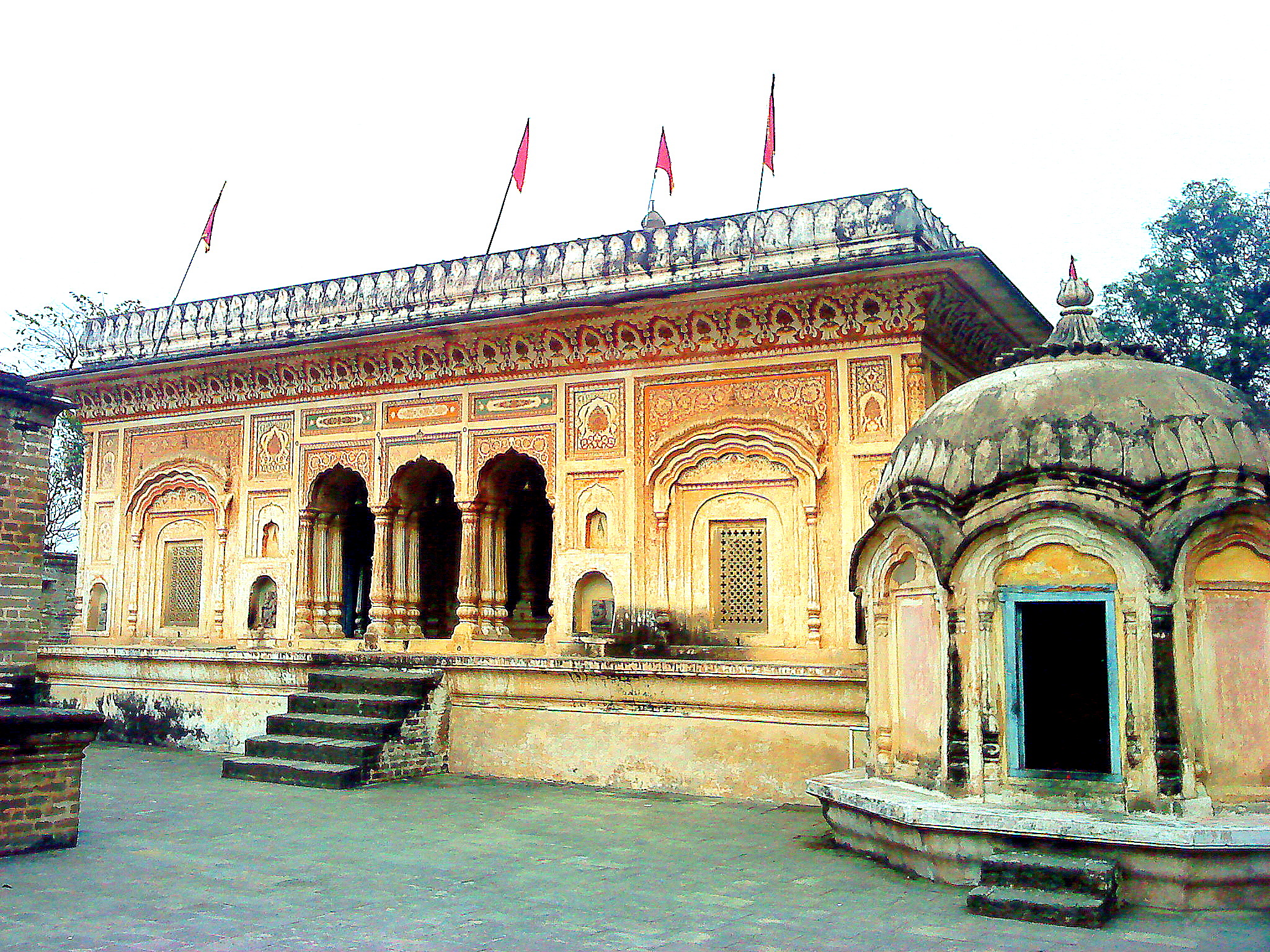
The Narbadeshwar Temple in Hamirpur district, Himachal Pradesh, is a shrine dedicated to Lord Shiva, located in the Sujanpur Tira area.