Jatar Deul
About Jatar Deul
The temple was established during the 10th to 11th century, a period of considerable temple-building activity across the Indian subcontinent. This dating places Jatar Deul within the early medieval phase of Hindu temple architecture in Bengal, when brick construction had become the dominant building technique in the region. The temple's survival across more than a millennium reflects both the durability of its brick construction and the continuity of worship at this location. As an ASI-protected monument, the structure is subject to conservation measures intended to preserve it for future generations.
Architecture and Design
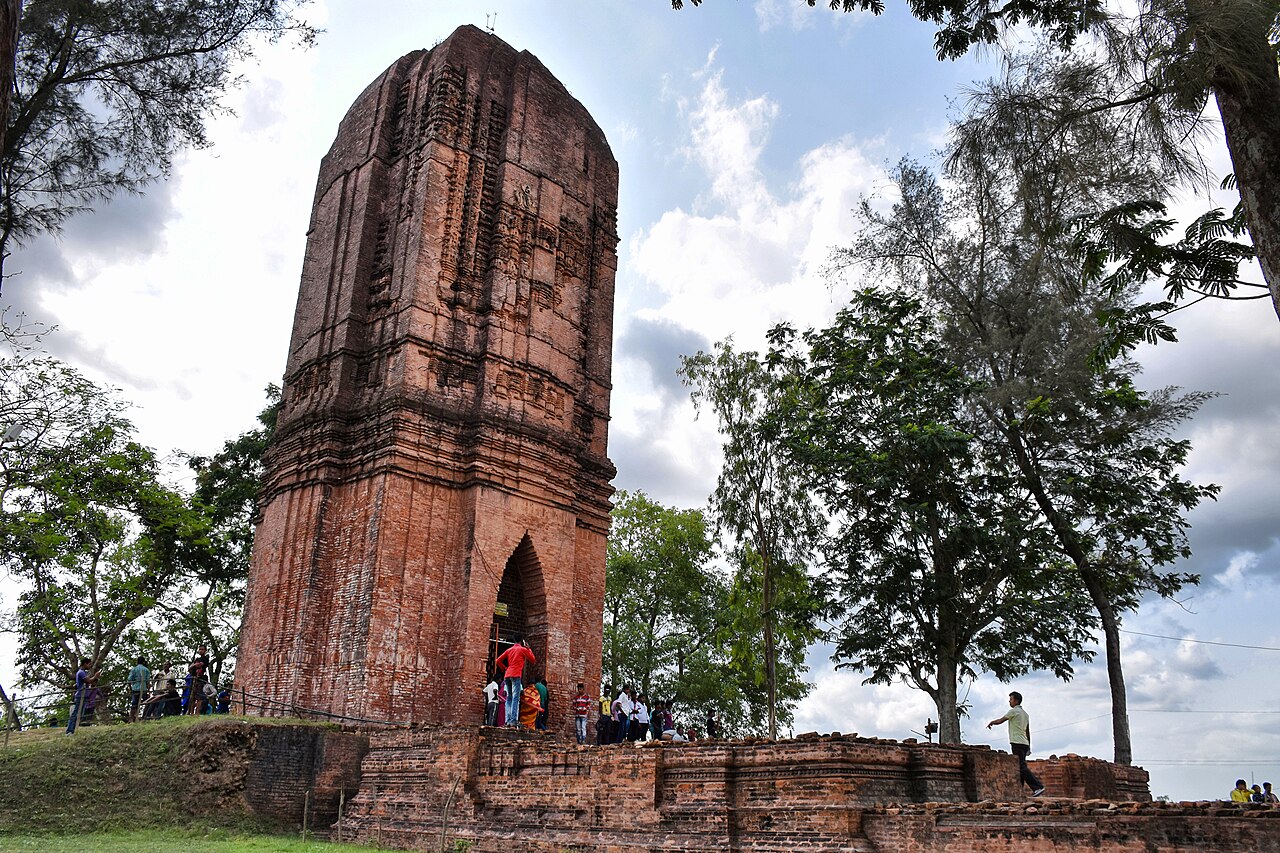
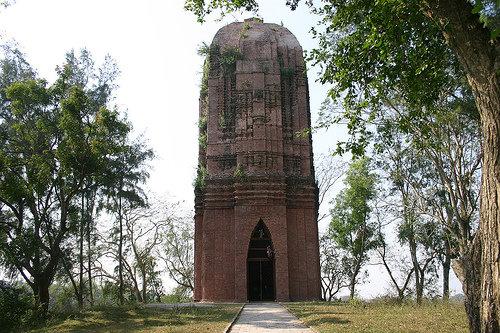
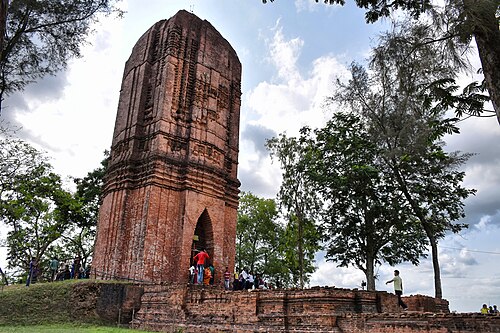
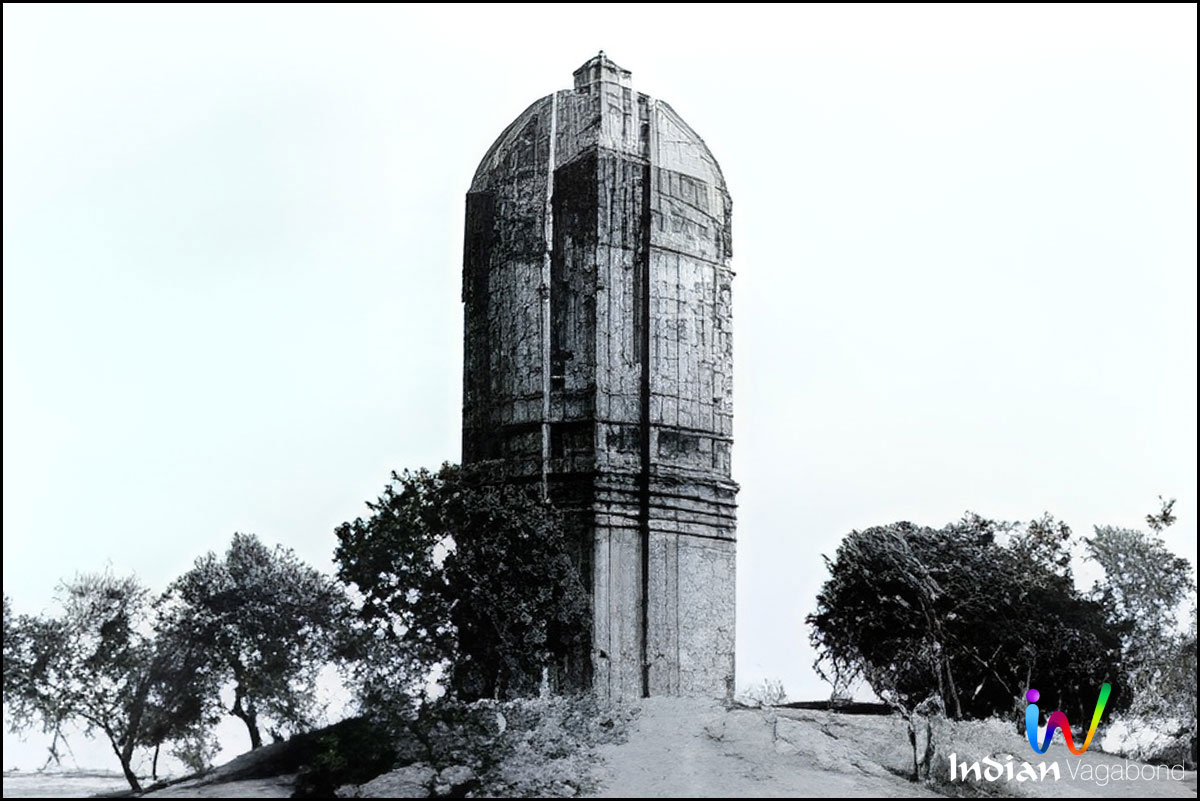
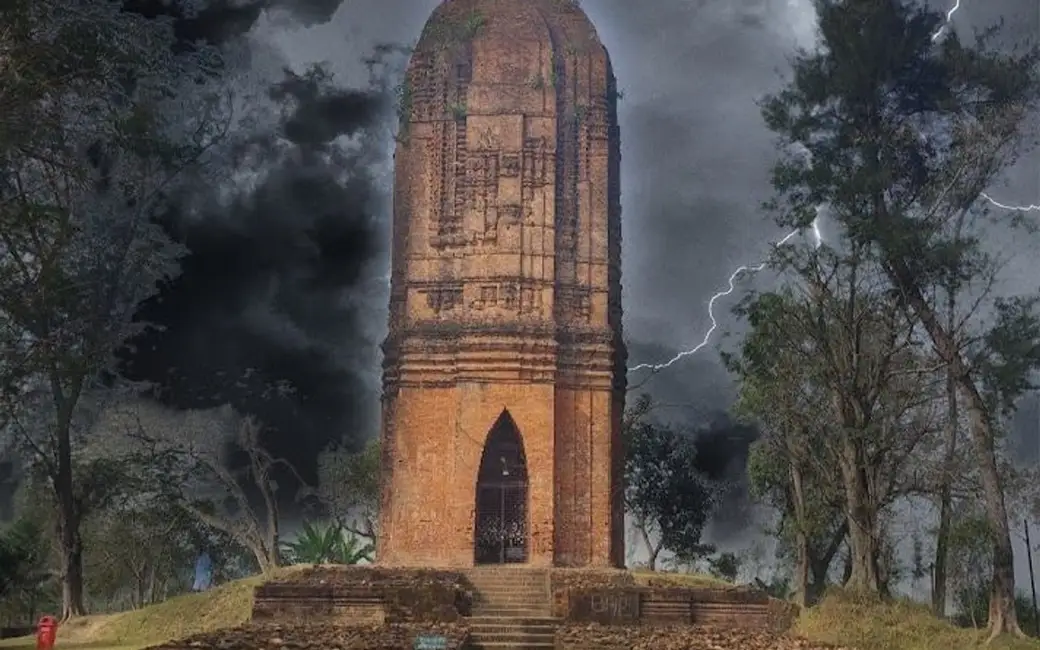
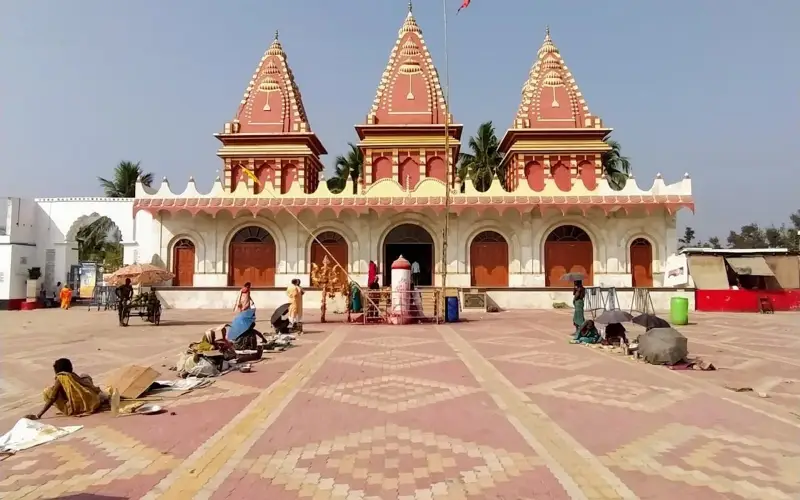
The temple employs the Rekha deul architectural style, a distinctive form of Bengal temple architecture characterized by a curvilinear tower that rises above the sanctum. This style, developed and refined across centuries in Bengal, creates a graceful vertical emphasis that draws the eye upward. The use of brick as the primary building material was practical for the region's climate and available resources, and brick temples of this era demonstrate considerable sophistication in their construction techniques and decorative possibilities. The modest scale of Jatar Deul reflects the resources and needs of its local community rather than the grand proportions of major pilgrimage centers, yet the care taken in its design speaks to the reverence in which it was held.
Visiting the Temple
Jatar Deul is located in Kankan Dighi, within Mathurapur II block of the Diamond Harbour subdivision in South 24 Parganas district, West Bengal. The temple sits at an elevation of approximately 30 meters. Visitors should dress modestly and respectfully when approaching the shrine, removing footwear before entering the inner sanctum as is customary in Hindu temples. The specific timings for darshan (viewing of the deity) and any seasonal variations in access are best confirmed locally, as detailed visitor information is not available from standard sources. Those planning a visit should inquire about current conditions and any conservation work that may affect access.
Worship and Spiritual Practice
As a Shiva temple, Jatar Deul follows the liturgical traditions associated with Shaivism, one of the major branches of Hindu devotion. Temples dedicated to Shiva typically maintain a lingam—an abstract representation of the deity—as the primary object of worship within the sanctum. Daily rituals at such temples generally include offerings, prayers, and the ringing of bells to mark moments of worship, though the specific practices at this particular shrine would reflect local custom and the resources available to its priests and community. The temple serves both as a place of individual devotion and as a center for community religious life.
Significance as a Historical Monument
Beyond its role as an active place of worship, Jatar Deul holds importance as a surviving example of early medieval brick temple architecture in Bengal. Its designation as an ASI monument recognizes its historical and architectural value to scholars and to the broader understanding of regional building traditions. The temple documents a period in Bengal's history when brick construction techniques were highly developed and when Shaivite devotion was a significant force in the region's religious landscape. For visitors interested in the history of Indian architecture or the development of Hindu temple forms, the site offers tangible evidence of these traditions.
Planning Your Visit
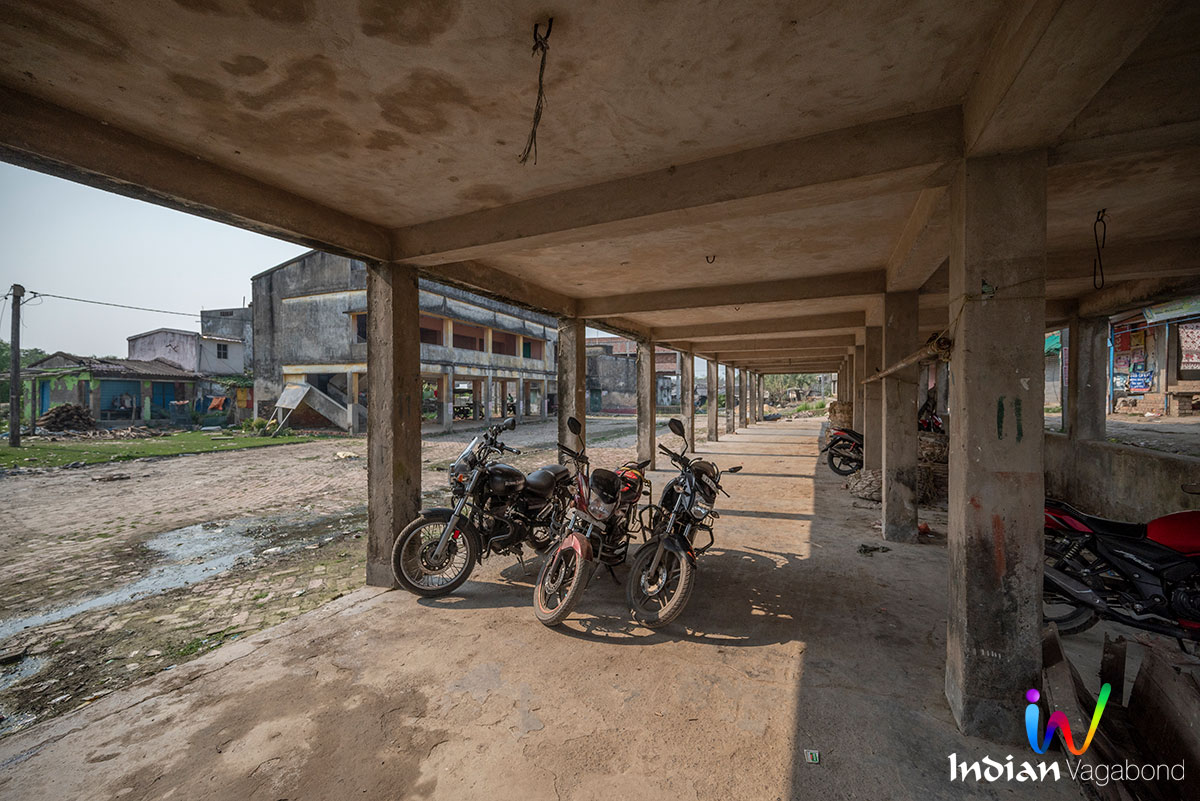
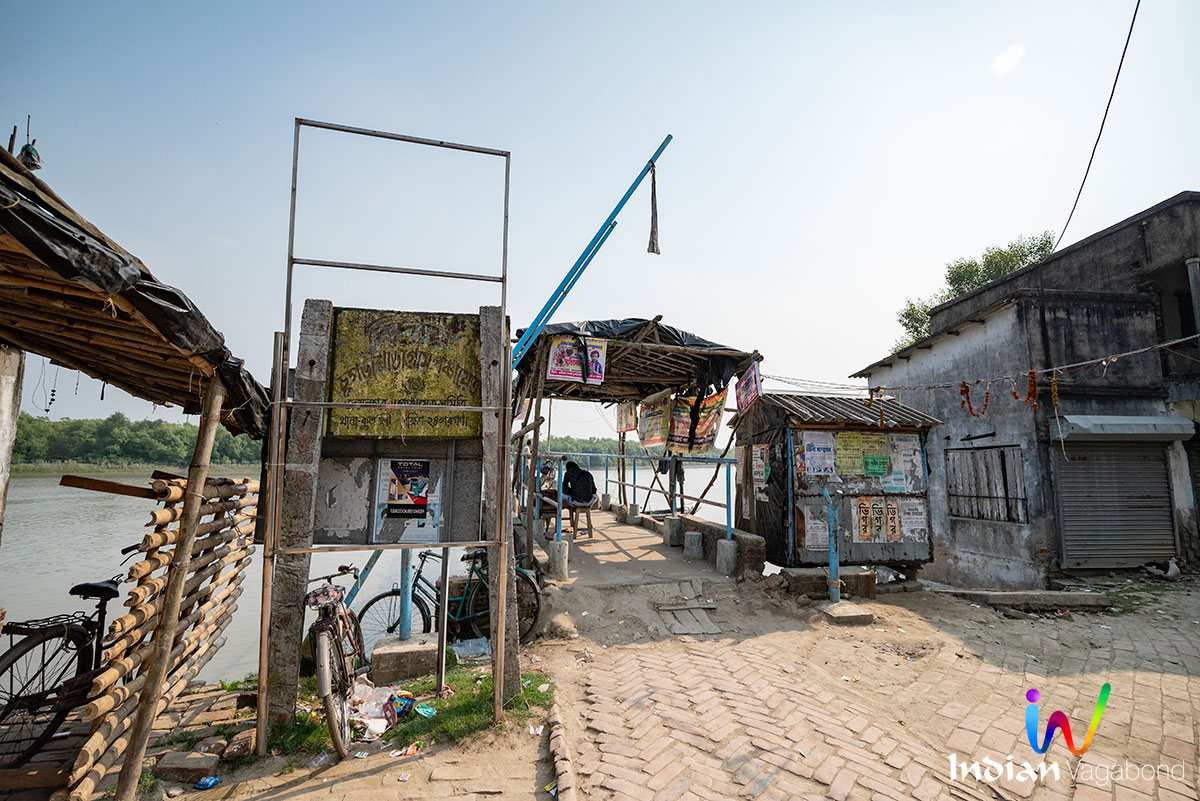
The temple is accessible by road from Kolkata and other towns in South 24 Parganas. Before traveling, confirm current opening hours and any restrictions related to conservation work or local observances. As with many heritage temples in rural areas, facilities for visitors may be limited, so plan accordingly. The site's protected status means that any photography or research activities may be subject to guidelines; inquire locally about current regulations. The best times to visit are typically during daylight hours and outside of major festivals, when the temple may be crowded or access may be restricted to devotees.
How to reach
You may also visit
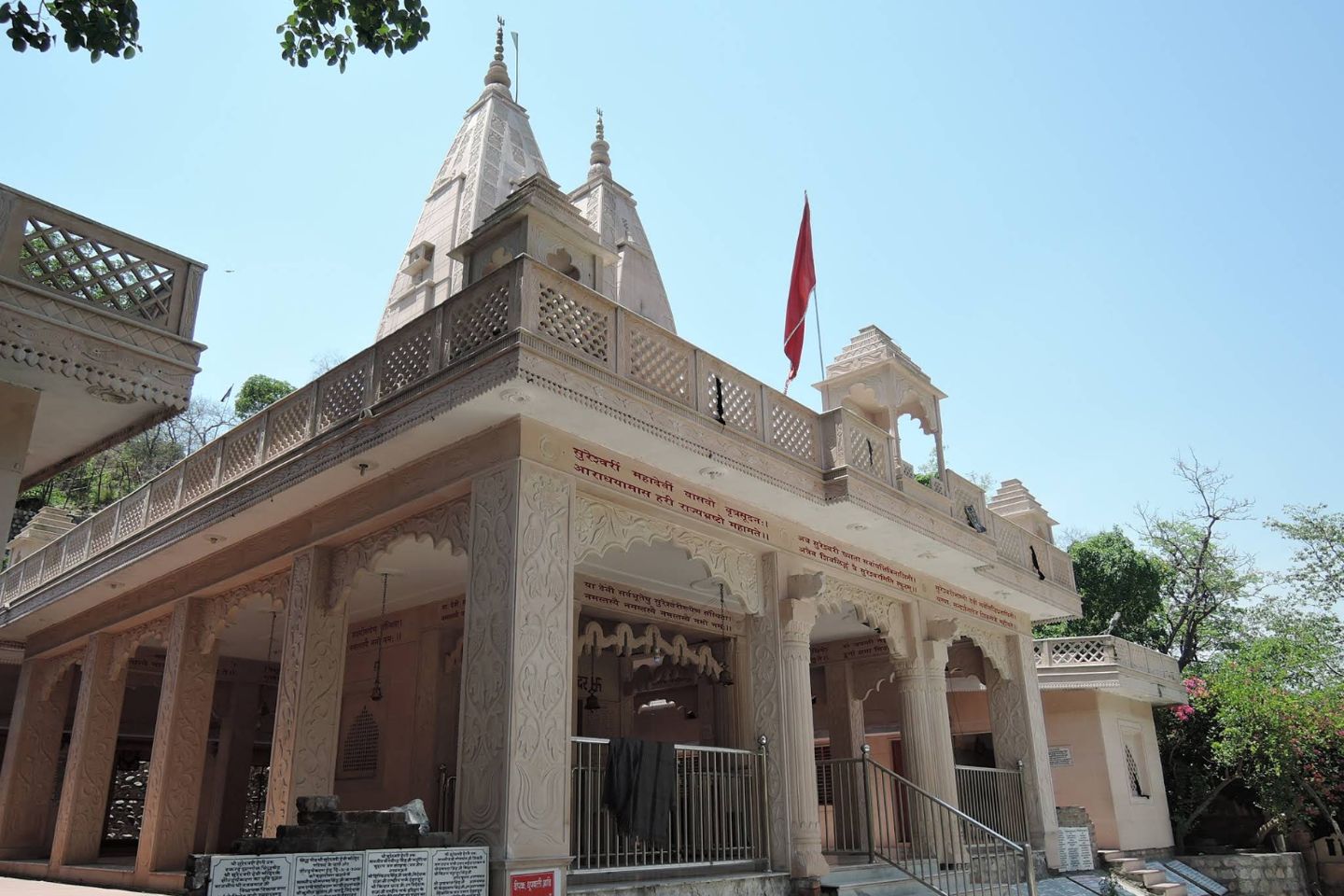
Sureshwari Devi Temple
Sureshwari Devi Temple in Haridwar is a forest shrine dedicated to the goddess, situated within the Ranipur Range area near Rajaji National Park, offering a secluded spiritual e…
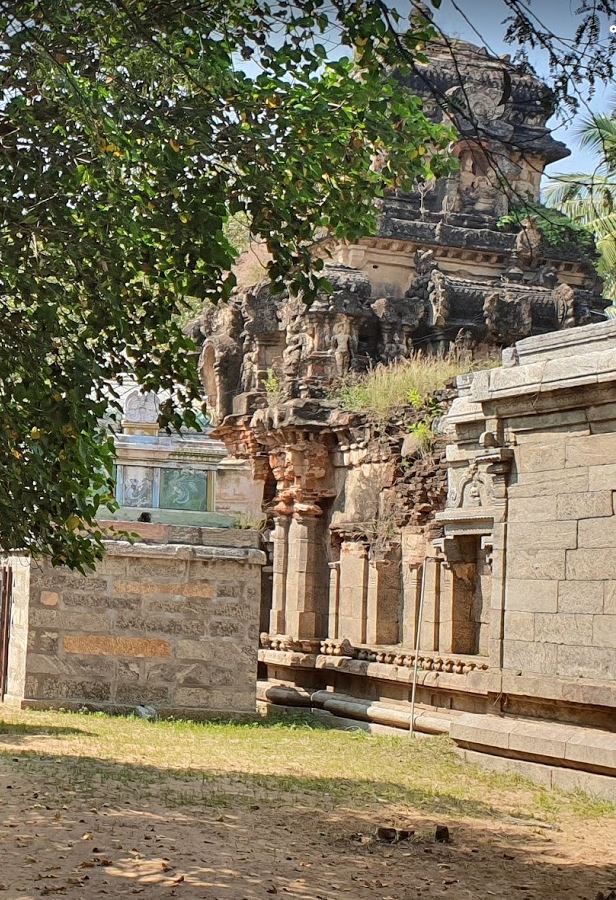
Agatheeswarar Temple, Karur
Agatheeswarar Temple in Thirumukkudalur, Karur district, is an ancient Hindu shrine dedicated to Shiva, situated at the sacred confluence of three rivers and believed to be over…

Shani Shingnapur
Shani Shingnapur is a renowned temple in Maharashtra dedicated to Lord Shani, featuring a self-emerged black stone idol worshipped under open sky. The temple is located in a uni…
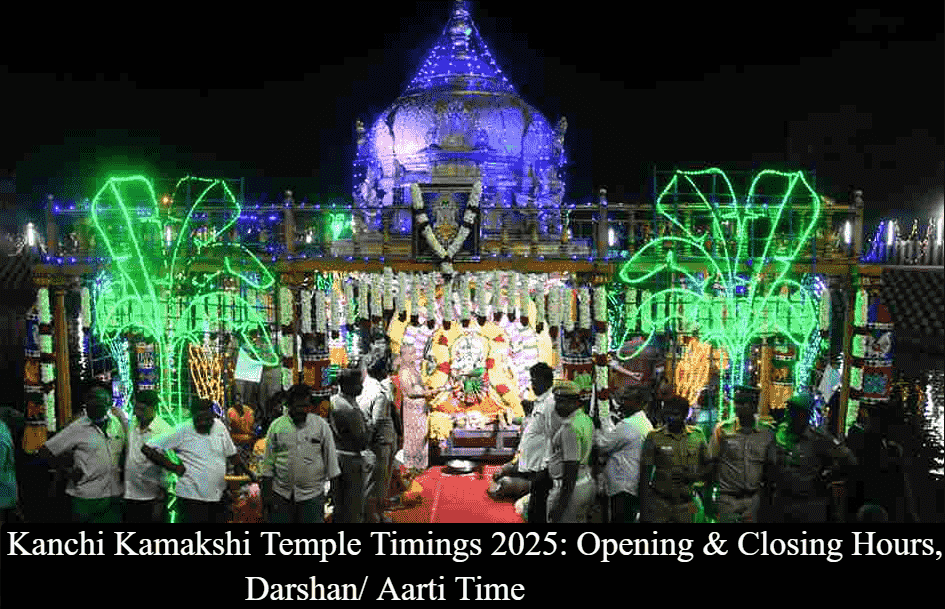
Kamaksha
Arulmigu Kamakshi Amman Temple in Mangadu, near Chennai, is dedicated to the goddess Kamakshi, an aspect of Adi Parashakti. According to legend, the goddess performed austeritie…
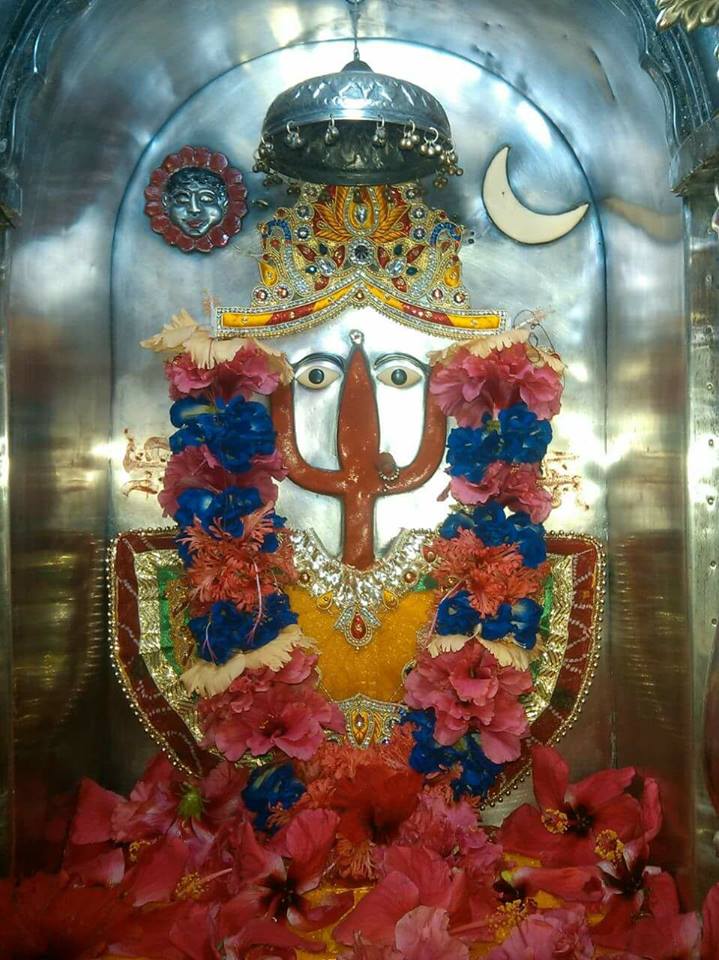
Guhaditya temple
Guhaditya temple in Dwarka is an ancient shrine dedicated to the sun deity, established over 150 years ago. Pilgrims enter through the Swarg Dwar (Gateway to Heaven) and exit vi…
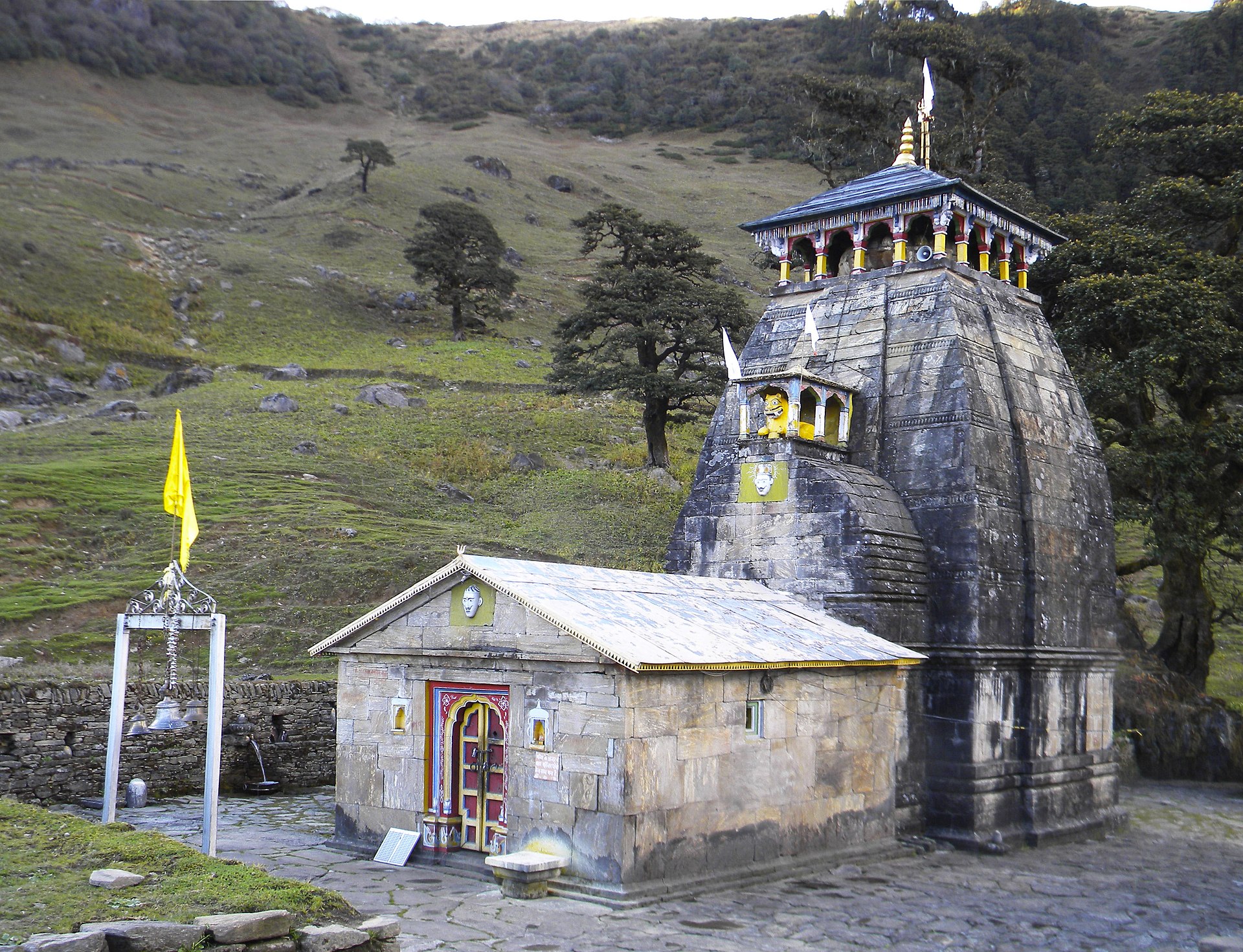
Madhyamaheshwar Temple
Madhyamaheshwar Temple is one of the five sacred Shiva shrines in the Panch Kedar pilgrimage circuit, located in the Garhwal Himalayas of Uttarakhand. Each temple in the circuit…