Jagannath Temple, Mohanpur
About Jagannath Temple, Mohanpur
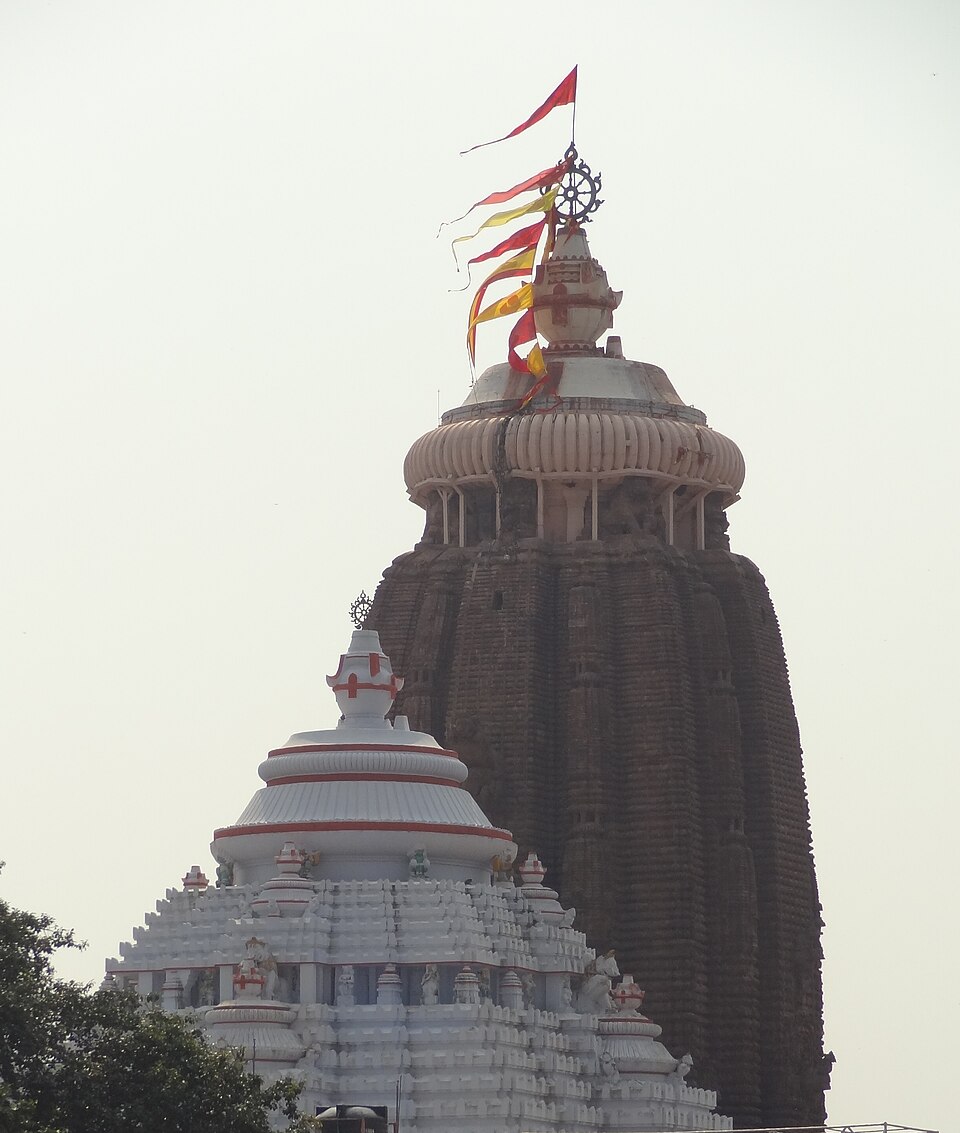
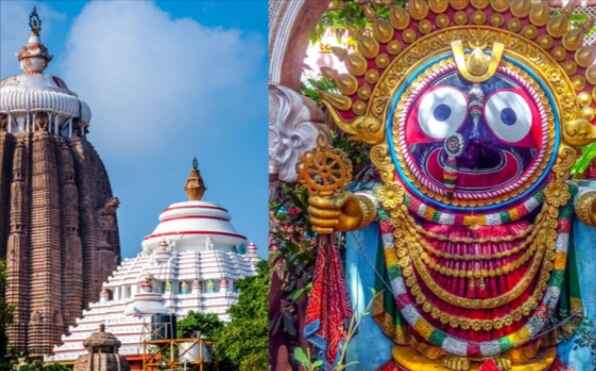
Established in the 12th century, the temple represents a substantial period of continuous religious practice and architectural development. The temple complex is organized into distinct zones: the inner sanctum (Bhitara Bedha) where the primary rituals occur, and the outer compound (Bahara Bedha) accessible to pilgrims. This layered structure reflects centuries of accumulated tradition and the careful preservation of ritual spaces. The temple's physical form has evolved through ancient, medieval, and modern periods, each phase leaving its mark on how worship is conducted and how devotees experience the sacred space.
Daily Worship and Darshan
The temple maintains an extensive daily schedule of rituals and worship opportunities. Darshan—the viewing of the deity—is available from 05:00 to 00:00, with concentrated morning darshan from 05:00 to 13:00 and evening darshan from 16:00 to 00:00. Throughout the day, multiple aartis (ritual offerings of light and prayer) structure the devotional rhythm: Mangala Aarti at 05:00, Mailam and Tadapa Lagi at 06:00, Sakala Dhupa at 08:00, Madhyanha Dhupa at 12:30, Sandhya Aarti at 19:00, and Badasinghar at 23:00. These ceremonies represent the temple's commitment to honoring the deity through prescribed ritual cycles. The inner sanctum itself is not accessible to all visitors and follows centuries-old protocols regarding who may enter and under what circumstances.
Major Festivals
The temple's calendar centers on several significant observances. The Rath Yatra, held in June or July, is the most renowned—a massive procession in which the deities are placed upon three enormous hand-built chariots and drawn through the streets by vast numbers of devotees. This festival draws crowds of considerable scale and represents a defining expression of worship at this temple. The Snana Yatra, occurring in May or June on the full moon of Jyeshtha, involves ritual bathing of the deities with 108 pots of water in public view, followed by a period of ritual seclusion. The Chandan Yatra, a 21-day spring festival in April or May, features representative deities taken by boat through the Narendra tank and anointed with sandalwood. Beyond these major observances, the temple maintains a calendar of periodic rituals (Samayika Niti) and other festivals throughout the year.
Visiting the Temple: Access and Etiquette
Entry to the inner temple is restricted to Hindu devotees. Non-Hindu visitors may view the temple's exterior and architecture from the rooftop of the nearby Raghunandan Library, located opposite the Singhadwara (Lion Gate). Those entering the temple should leave behind mobile phones, cameras, and leather items, which must be deposited in cloakrooms outside the main gate. The temple is located at Grand Road, Puri, Odisha 752001. The best season for visiting is October through February, when coastal weather is most pleasant. Those planning to visit during the Rath Yatra in June or July should prepare for exceptionally large crowds.
Accommodation and Practical Information
The temple administration manages several accommodation facilities for pilgrims, including Neelachal Bhakta Niwas, Neelachal Yatri Niwas, Neeladri Bhakta Niwas, Shree Purushottama Bhakta Niwas, and Shree Gundicha Bhakta Niwas. Bookings for these facilities should be made through the official temple websites to avoid fraudulent services. The temple administration does not accept online donations for pujas and cautions devotees against fraudulent websites claiming to offer such services. For official information and bookings, contact the temple administration directly or consult their verified online platforms.
How to reach
You may also visit
Sureshwari Devi Temple
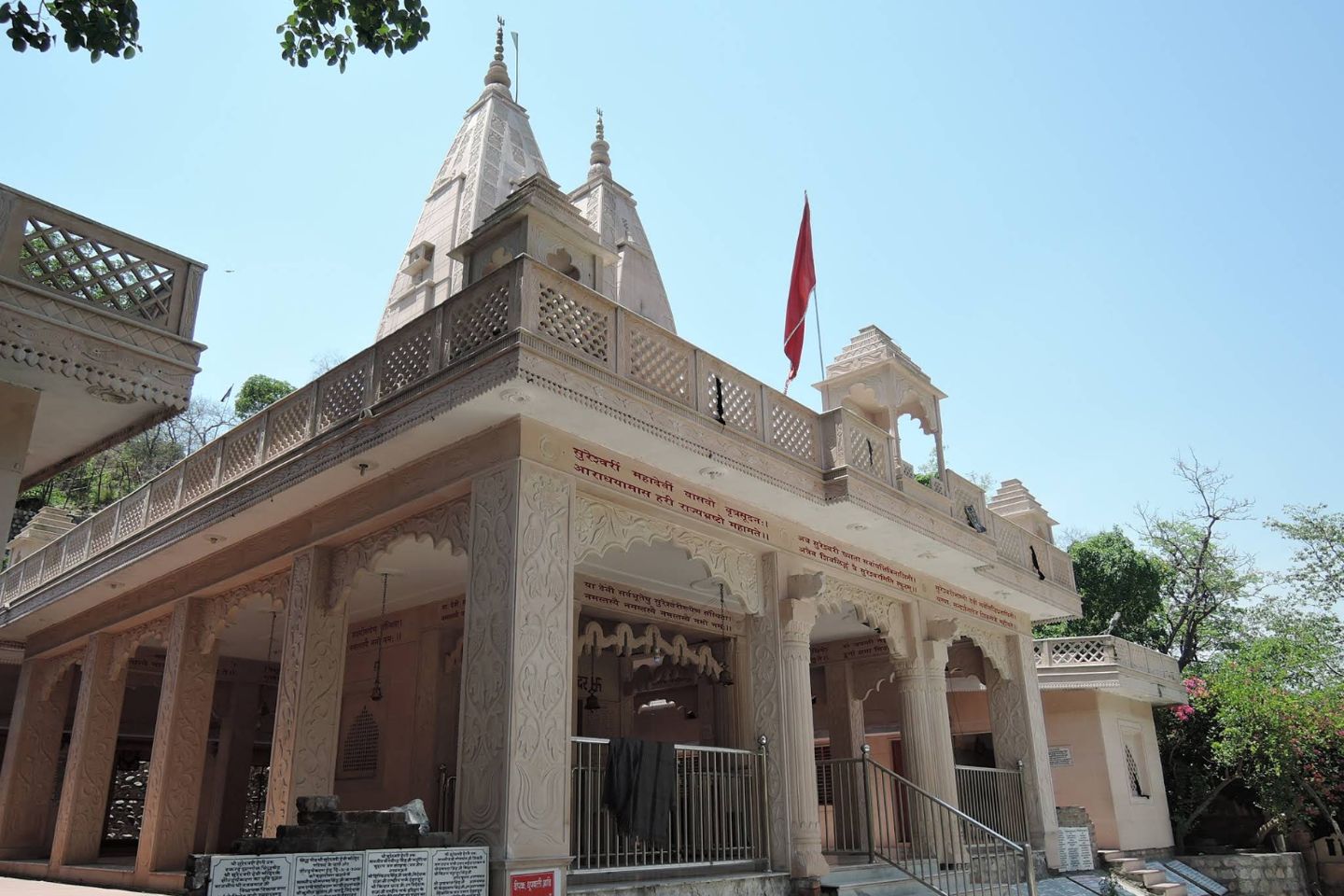
Sureshwari Devi Temple in Haridwar is a forest shrine dedicated to the goddess, situated within the Ranipur Range area near Rajaji National Park, offering a secluded spiritual e…
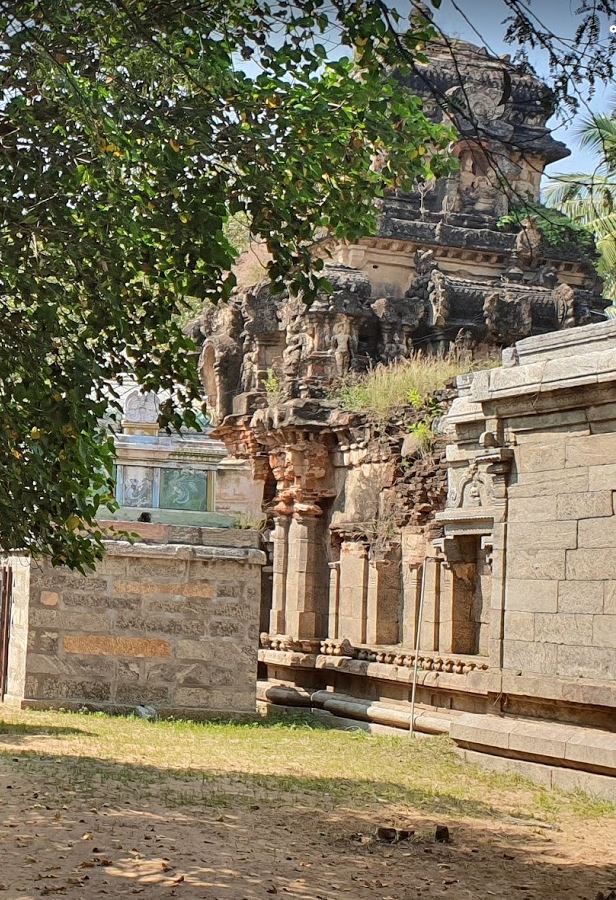
Agatheeswarar Temple, Karur
Agatheeswarar Temple in Thirumukkudalur, Karur district, is an ancient Hindu shrine dedicated to Shiva, situated at the sacred confluence of three rivers and believed to be over…

Shani Shingnapur
Shani Shingnapur is a renowned temple in Maharashtra dedicated to Lord Shani, featuring a self-emerged black stone idol worshipped under open sky. The temple is located in a uni…
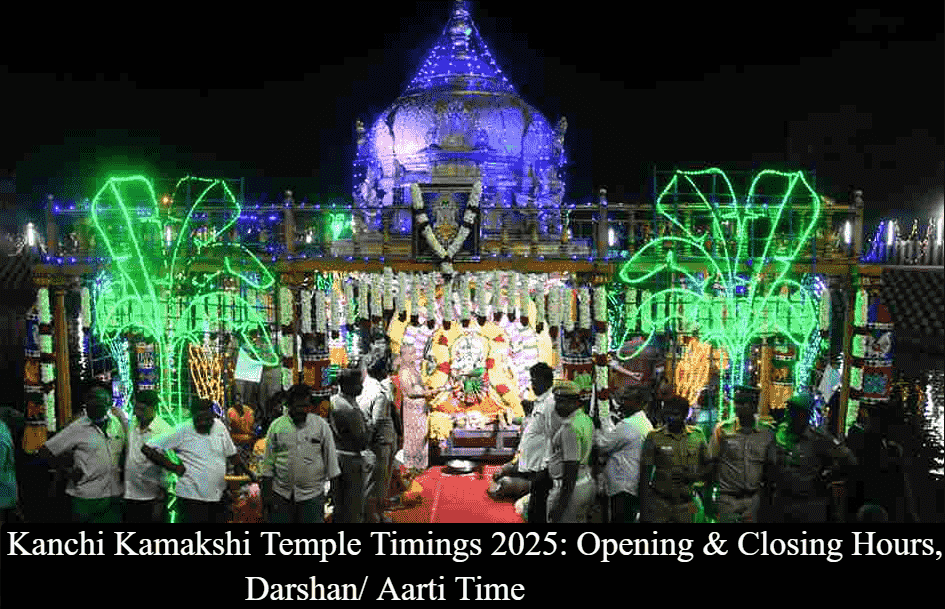
Kamaksha
Arulmigu Kamakshi Amman Temple in Mangadu, near Chennai, is dedicated to the goddess Kamakshi, an aspect of Adi Parashakti. According to legend, the goddess performed austeritie…
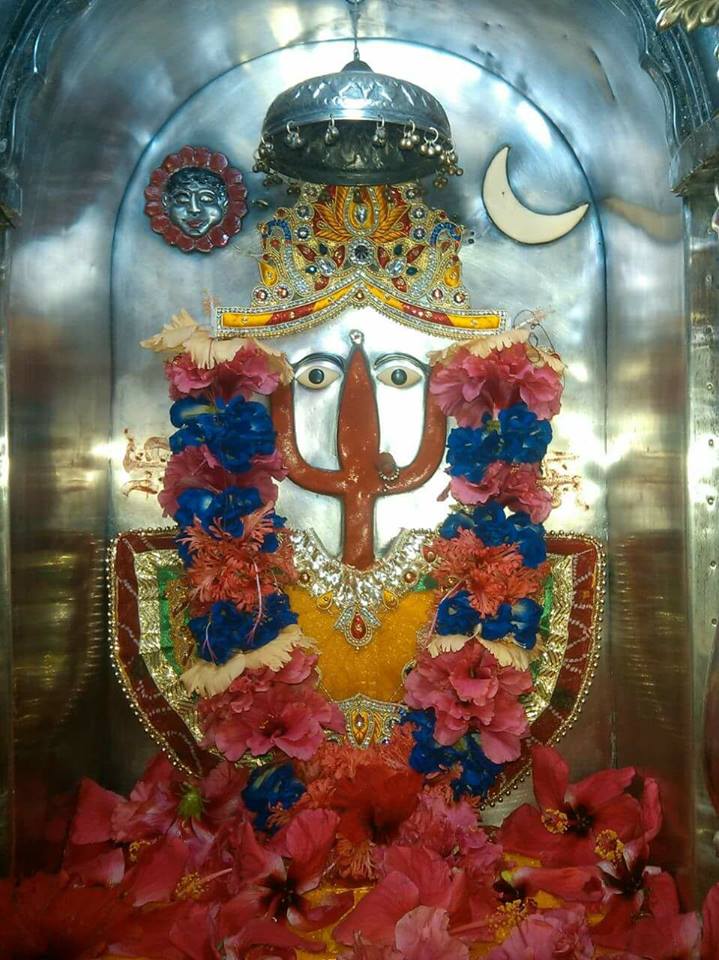
Guhaditya temple
Guhaditya temple in Dwarka is an ancient shrine dedicated to the sun deity, established over 150 years ago. Pilgrims enter through the Swarg Dwar (Gateway to Heaven) and exit vi…
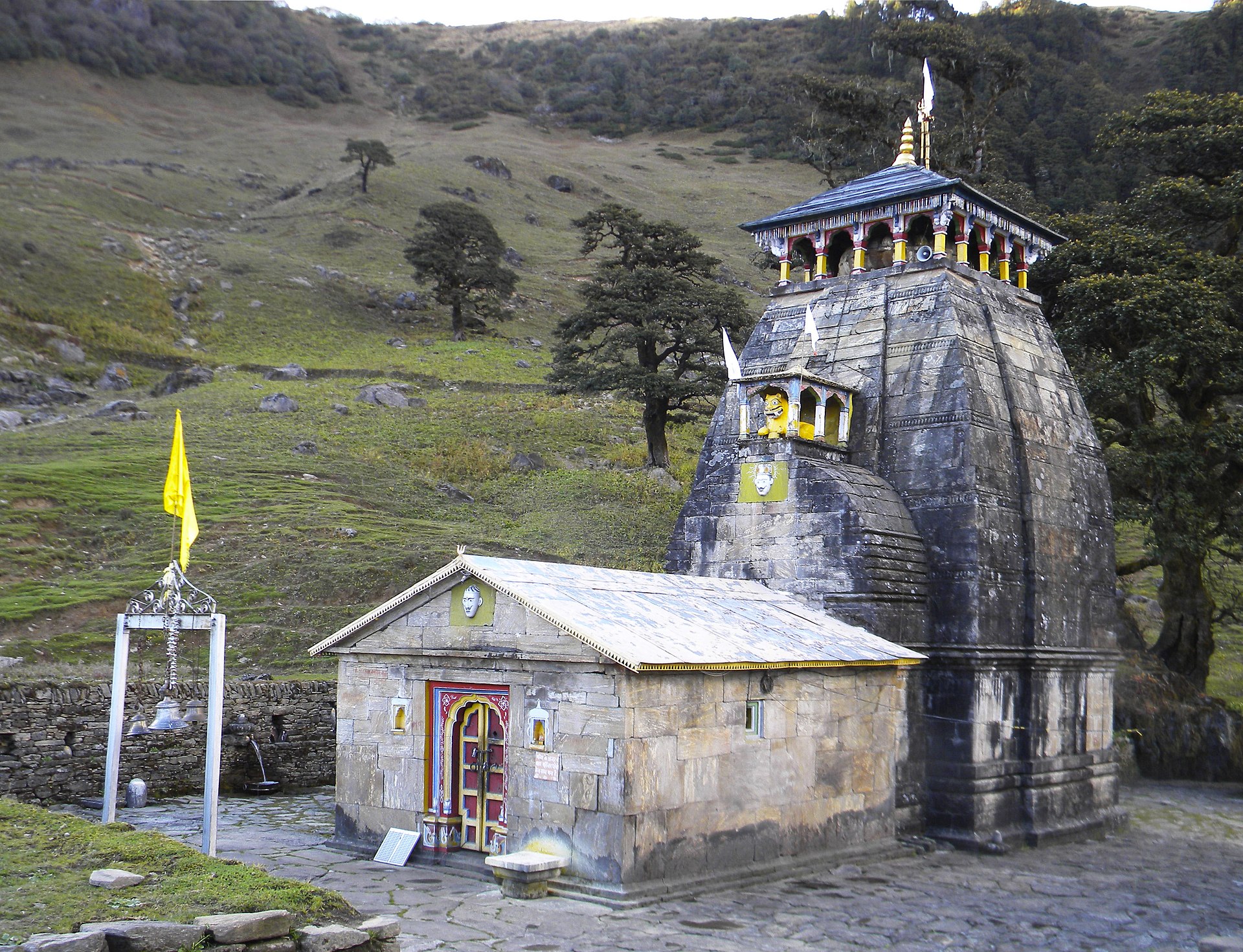
Madhyamaheshwar Temple
Madhyamaheshwar Temple is one of the five sacred Shiva shrines in the Panch Kedar pilgrimage circuit, located in the Garhwal Himalayas of Uttarakhand. Each temple in the circuit…