Hindu Temple of Ceuta
About Hindu Temple of Ceuta
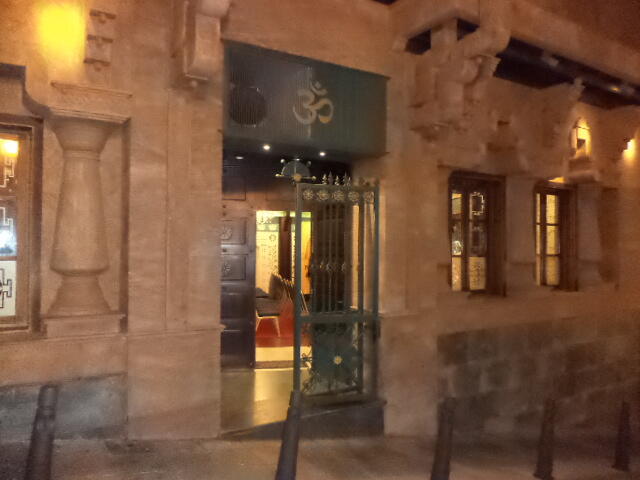
The roots of Hindu presence in Ceuta reach back to 1948, when merchants from the Hindu community established an association. For nearly fifty years, this group maintained their cultural and religious identity before formalising it further. In 1997, the association took the name Comunidad Hindú Ceuta, marking a shift toward more visible community organisation. The formal establishment of the temple followed a decade later: on 22 October 2007, the Hindu Temple of Ceuta was inaugurated, providing a dedicated space for worship and gathering.
This timeline reflects a gradual process of integration and institutional development. The temple's creation was not hasty but emerged from sustained community presence and careful planning about which deities to enshrine, ensuring the space would serve the entire Hindu population of Ceuta rather than any single tradition.
Deities and Worship
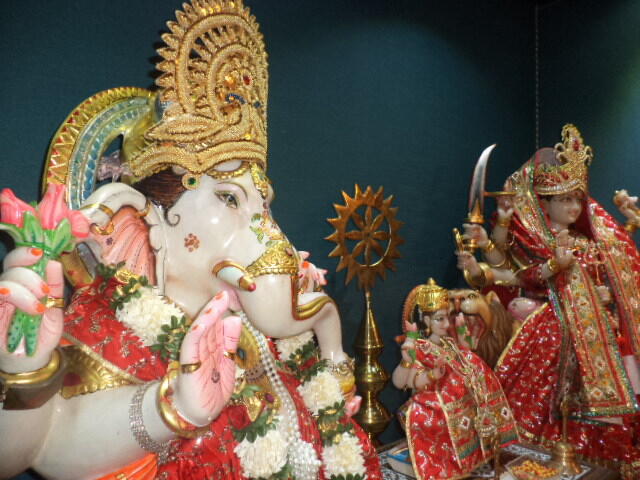
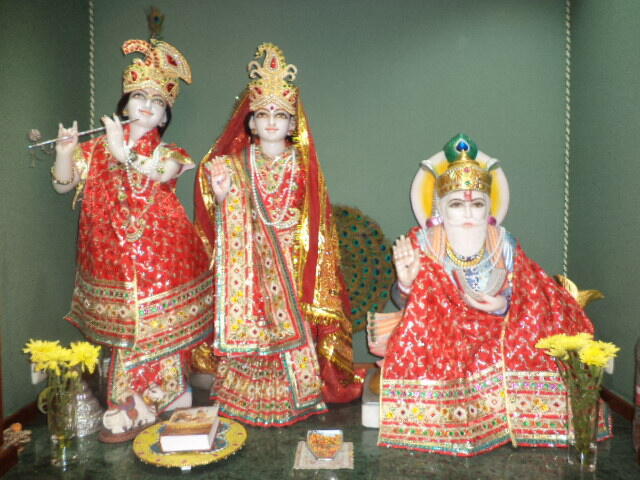
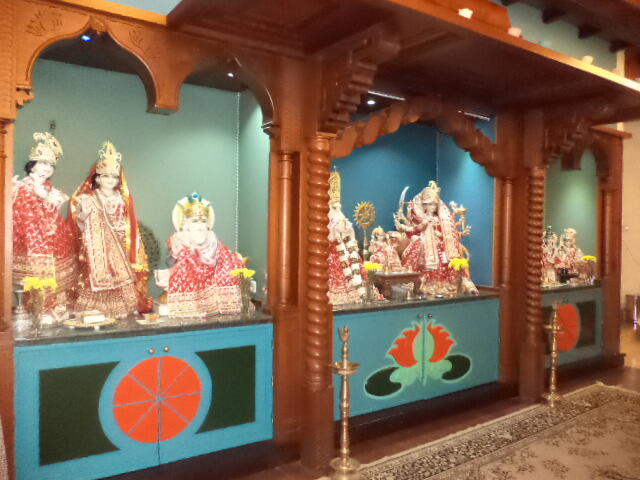
The temple houses multiple divine forms selected for their universal significance within Hinduism. Among those venerated are Ganesha, Lakshmi, Durga, Shiva with Parvati, and the figures of Rama, Sita, Lakshman and Hanuman. Krishna and Radha are also honoured, as is Jhuley Lal. This arrangement allows devotees of various Hindu paths to find their chosen deities within the same sacred space.
The temple incorporates elements central to Hindu worship practice. Visitors will encounter the sacred bell (ghanti), offerings (prashad), and the recitation of Vedic verses. The Bhagavad Gita, Hinduism's foundational philosophical text, holds a place of importance within the temple's spiritual framework.
Festivals and Celebrations
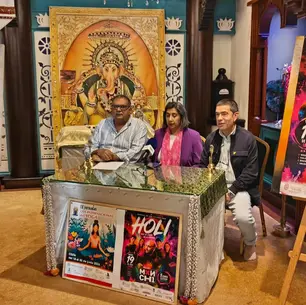
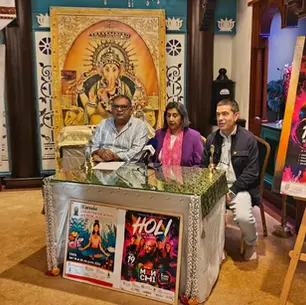
The temple marks the Hindu calendar through major festivals. Holi, the festival of colours, draws significant participation from the community and broader Ceuta population. Diwali, the festival of lights, is celebrated with traditional illuminations and performances—recent years have featured classical Kathak dance presentations. Ganesh Chaturthi brings observances honouring Ganesha. The community also organises World Yoga Day events, reflecting contemporary expressions of Hindu spiritual practice.
These celebrations extend beyond the temple walls, with the community actively engaging Ceuta's residents in multicultural festivities. Festival announcements indicate growing attendance and suggest the temple functions as a cultural bridge within the city.
Visiting the Temple
The temple is located at Pasaje Ghandi, San Amaro, 51001 Ceuta, Spain. For specific darshan (viewing) timings and any variations on festival days, visitors should contact the temple directly at 856 201 263 or via email at contacto@templohindudeceuta.es. The temple's website (templohindudeceuta.es) provides additional information and a guided visit option.
As with Hindu temples generally, visitors should approach with respect for the sacred space. Removing shoes before entering is standard practice. Modest dress is appropriate. If unfamiliar with temple customs, staff can offer guidance. The temple welcomes both Hindu devotees and those interested in learning about Hindu practice and Ceuta's multicultural character.
Significance for Ceuta
The Hindu Temple of Ceuta represents more than a place of worship—it embodies the city's identity as a multicultural space where different traditions coexist and enrich one another. The community's presence since 1948 and the temple's establishment in 2007 mark Ceuta's evolution as a city where religious and cultural diversity is actively integrated into civic life. The temple stands as a visible affirmation that such integration strengthens community bonds rather than weakening them.
How to reach




You may also visit
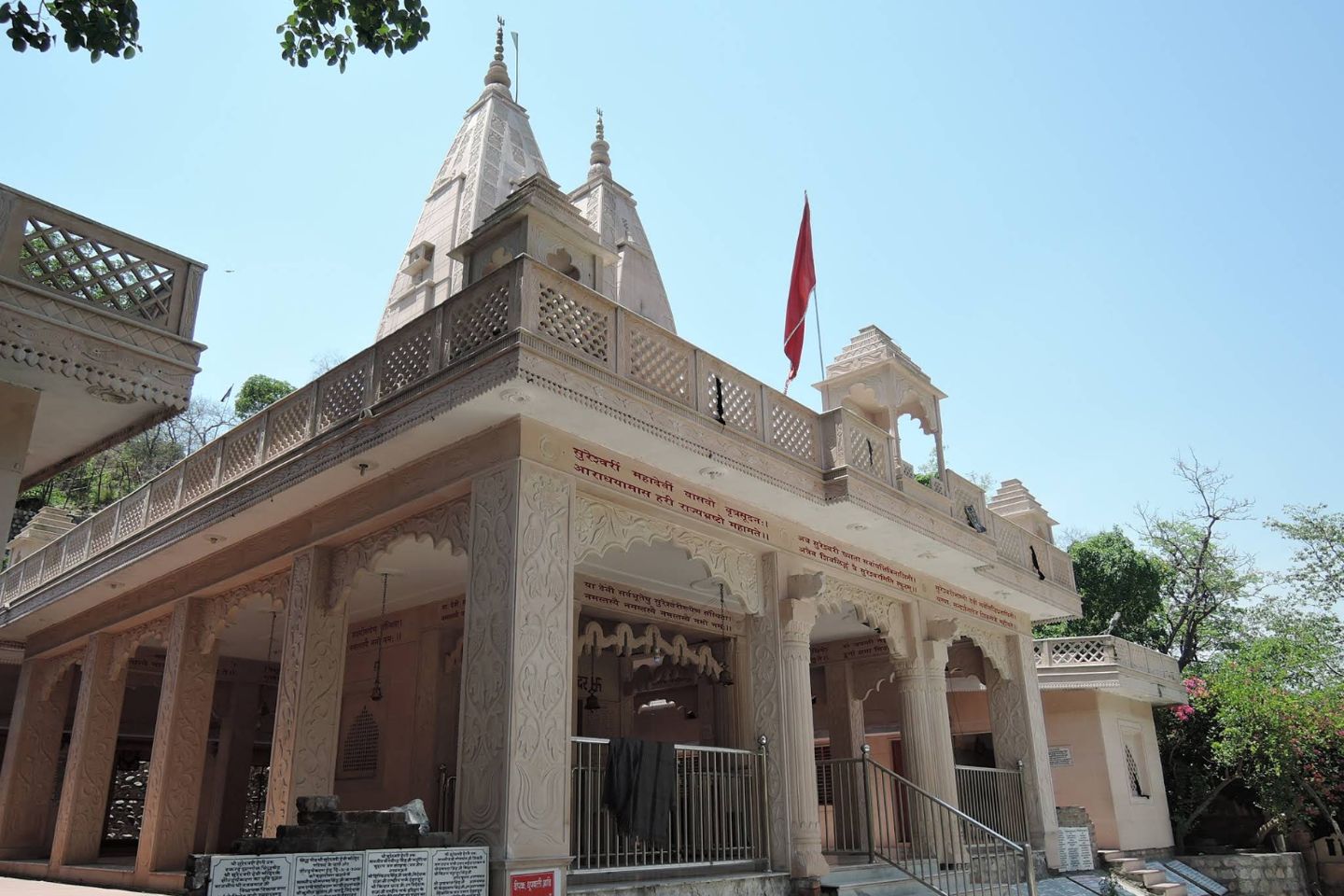
Sureshwari Devi Temple
Sureshwari Devi Temple in Haridwar is a forest shrine dedicated to the goddess, situated within the Ranipur Range area near Rajaji National Park, offering a secluded spiritual e…
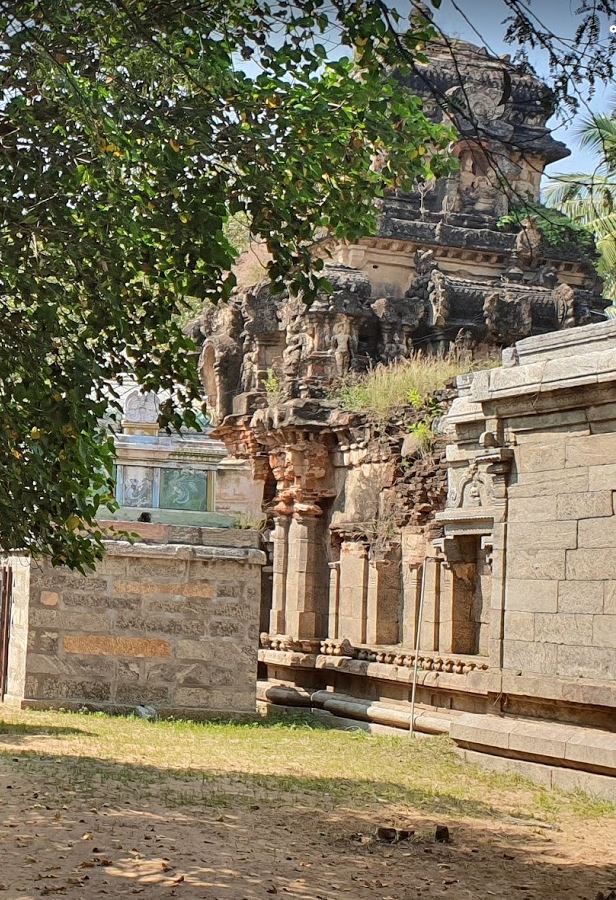
Agatheeswarar Temple, Karur
Agatheeswarar Temple in Thirumukkudalur, Karur district, is an ancient Hindu shrine dedicated to Shiva, situated at the sacred confluence of three rivers and believed to be over…

Shani Shingnapur
Shani Shingnapur is a renowned temple in Maharashtra dedicated to Lord Shani, featuring a self-emerged black stone idol worshipped under open sky. The temple is located in a uni…
Kamaksha
Arulmigu Kamakshi Amman Temple in Mangadu, near Chennai, is dedicated to the goddess Kamakshi, an aspect of Adi Parashakti. According to legend, the goddess performed austeritie…
Guhaditya temple
Guhaditya temple in Dwarka is an ancient shrine dedicated to the sun deity, established over 150 years ago. Pilgrims enter through the Swarg Dwar (Gateway to Heaven) and exit vi…
Madhyamaheshwar Temple
Madhyamaheshwar Temple is one of the five sacred Shiva shrines in the Panch Kedar pilgrimage circuit, located in the Garhwal Himalayas of Uttarakhand. Each temple in the circuit…