Gujjar Deva
About Gujjar Deva
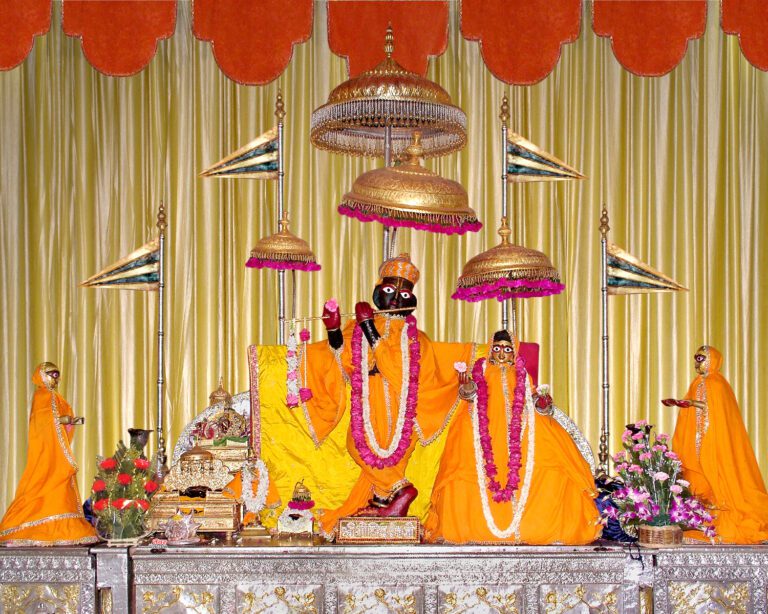
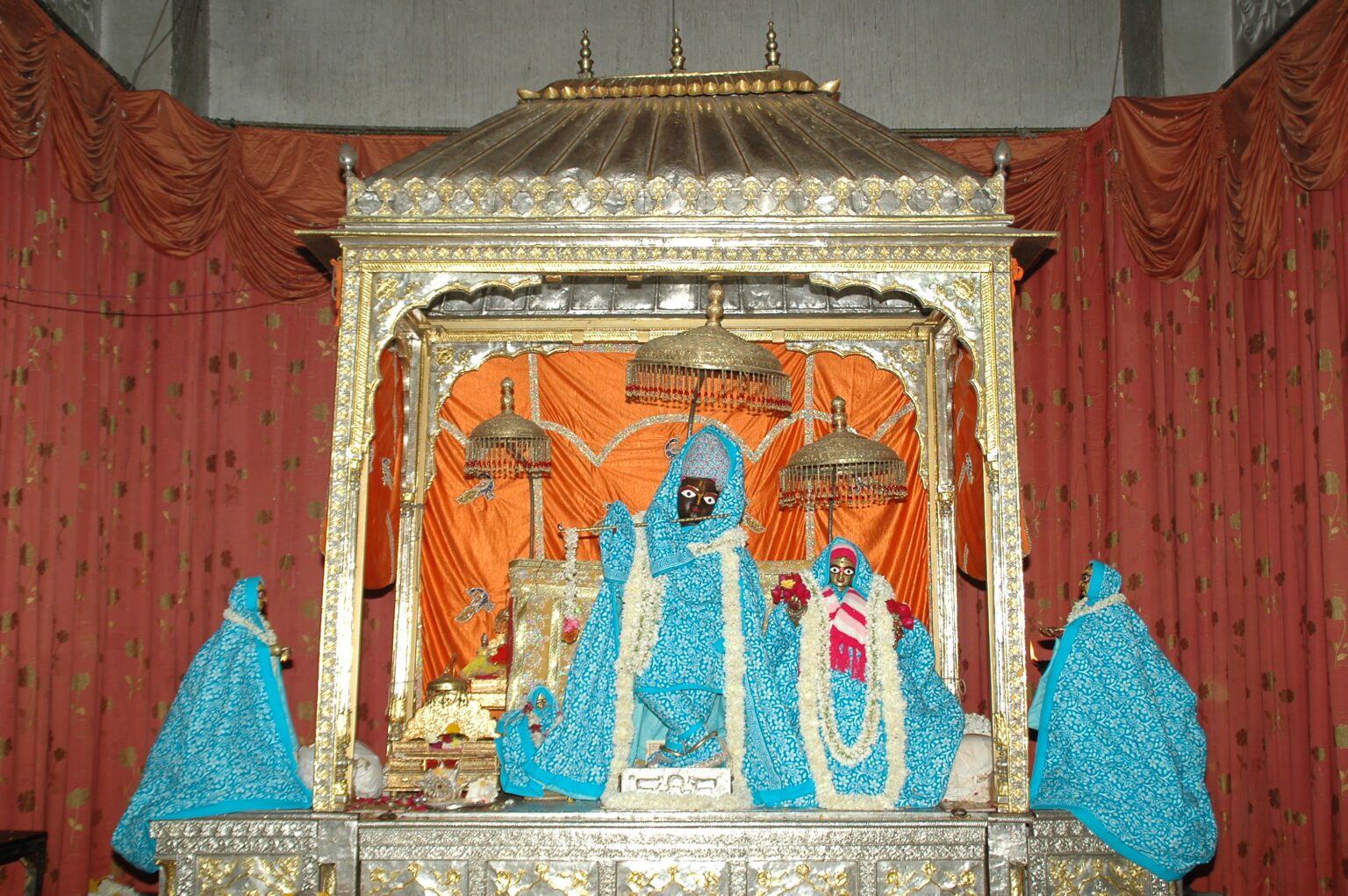
The temple observes eight jhanki (tableau) darshans throughout each day, beginning before dawn and concluding in the evening. The Mangla darshan opens at 5:00–5:15 AM, followed by Dhoop (7:45–9:00 AM), Shringar (9:30–10:15 AM), and Rajbhog (10:45–11:15 AM) in the morning hours. The afternoon and evening include Gwal (5:00–5:15 PM), Sandhya (5:45–6:45 PM), and Shayan (8:00–8:15 PM). Each darshan represents a different aspect of the deity's daily life and worship, allowing devotees to engage with the divine presence at multiple points throughout the day.
On Sundays and Ekadashi (the eleventh lunar day), the schedule adjusts to accommodate enhanced observance. The Mangla aarti and darshan begin at 4:30 AM rather than 5:00 AM, with the aarti itself performed at this earlier time. Dhoop darshan extends from 7:30–9:00 AM, Gwal from 4:45–5:15 PM, and Shayan from 7:45–8:15 PM. These modifications reflect the heightened devotional significance of these days within the Hindu calendar. Visitors planning their visit should confirm current timings with the temple, as schedules may vary seasonally or on special occasions.
Radha Ashtami: The Festival of Radharani's Appearance
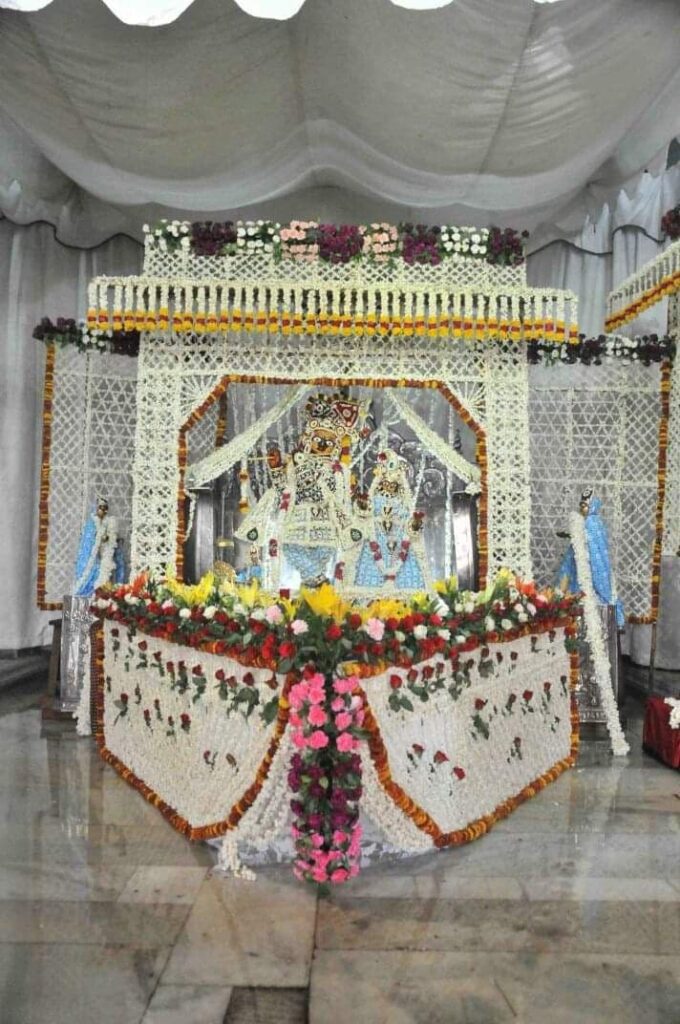
Radha Ashtami, celebrated on September 19, 2026, marks the appearance day of Shrimati Radharani and is observed at the temple with considerable devotion and festivity. The occasion features special shringar (adorning of the deity), elaborate decoration, and mahabhog (the deity's meal offering). Devotees gather in significant numbers to witness these celebrations, and those planning to attend are advised to arrive early, as darshan queues extend longer than on ordinary days. The festival underscores the temple's emphasis on Krishna-Radha worship and the central role of Radharani in the devotional life of the community.
Seva and Sponsorship Opportunities
The temple offers several ways for devotees to participate in service at the deity's lotus feet. These include sponsoring the Shrimad Bhagwat Saptah (a week-long recitation of the Bhagavata Purana, performed by the temple's own pandit), offering Chappan Bhog (a presentation of fifty-six food preparations), and sponsoring the daily poshak (the deity's attire). Additionally, seva opportunities are available at the adjoining Shri Kala Mahadev Ji temple, including Sahasra Ghat (thousand-pot ritual) and Rudra Abhishek (Shiva worship ritual). Seva bookings are arranged through WhatsApp messaging only at the designated contact number; calls and SMS are not accepted through this line.
Visiting Information and Practical Details
The temple is located at Thikana Mandir Shri Govind Dev Ji in Jaipur, Rajasthan. Visitors should plan their visit according to the darshan timings listed above, keeping in mind that schedules may shift seasonally. The temple maintains online live darshan facilities for those unable to visit in person, accessible through their official channels. Donations can be made online or through UPS payment methods. For specific inquiries regarding seva bookings, donations, or clarification on timings, contact the temple via WhatsApp at the provided number or email. Visitors are encouraged to confirm arrangements in advance, particularly for special occasions or festival days when crowds are larger and schedules may differ from the standard routine.
Recognition and Significance
The temple holds two Guinness World Records, reflecting its distinctive place within the broader landscape of Hindu worship and practice. This recognition speaks to the temple's commitment to maintaining its traditions and the scale of its observances. The temple's role as Jaipur's presiding deity and its continuous practice of eight daily darshans position it as a significant center of Krishna-Radha devotion in Rajasthan.
How to reach
You may also visit
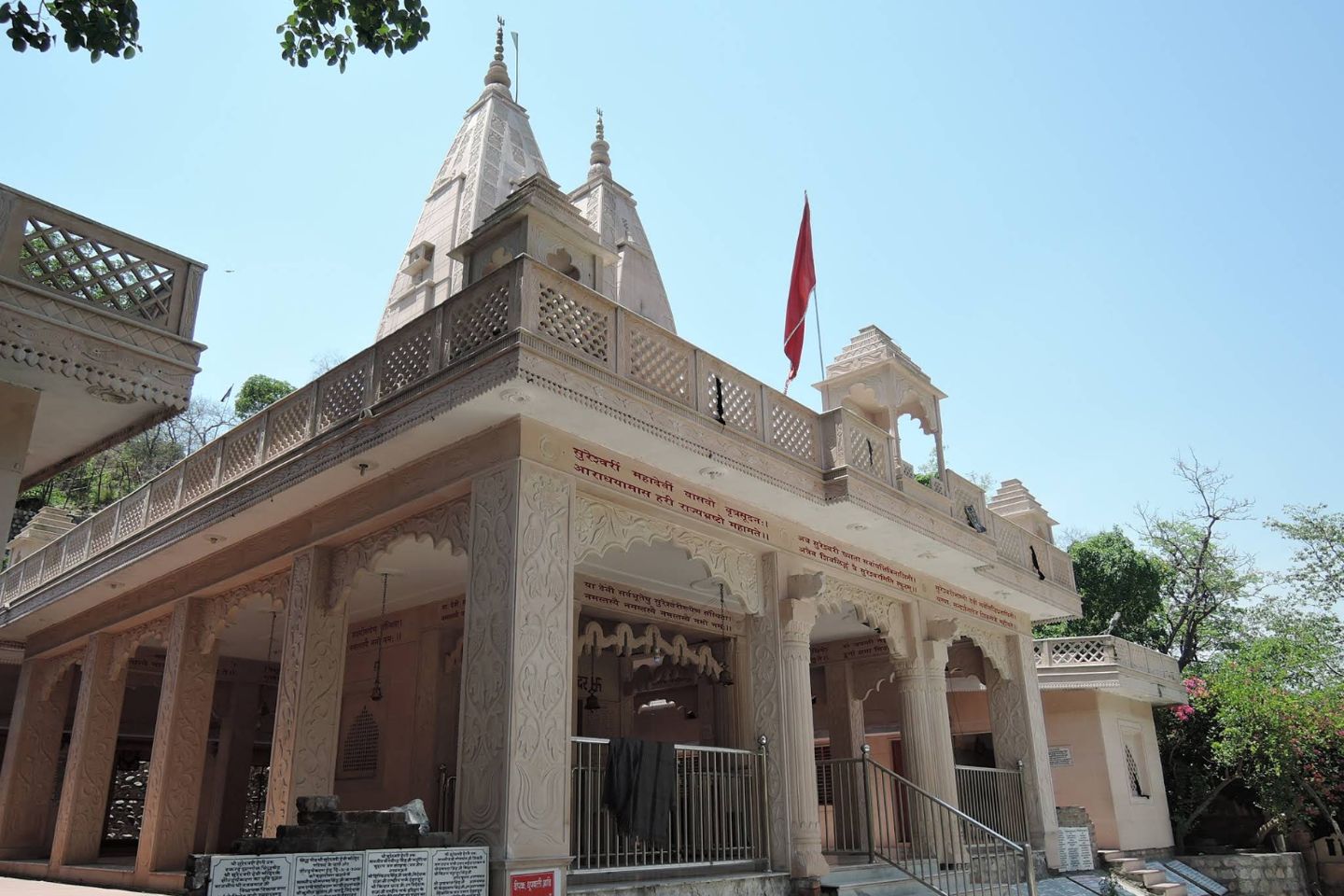
Sureshwari Devi Temple
Sureshwari Devi Temple in Haridwar is a forest shrine dedicated to the goddess, situated within the Ranipur Range area near Rajaji National Park, offering a secluded spiritual e…
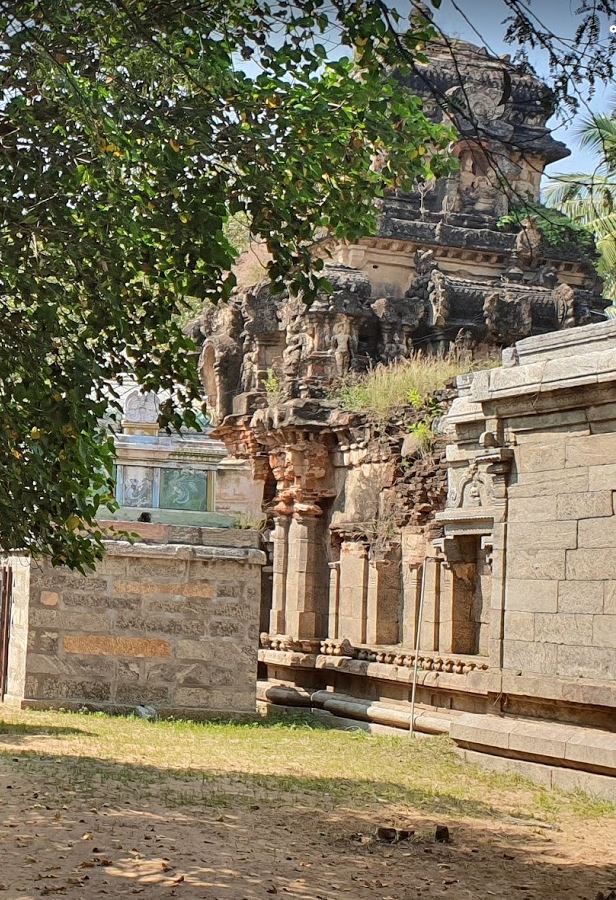
Agatheeswarar Temple, Karur
Agatheeswarar Temple in Thirumukkudalur, Karur district, is an ancient Hindu shrine dedicated to Shiva, situated at the sacred confluence of three rivers and believed to be over…

Shani Shingnapur
Shani Shingnapur is a renowned temple in Maharashtra dedicated to Lord Shani, featuring a self-emerged black stone idol worshipped under open sky. The temple is located in a uni…
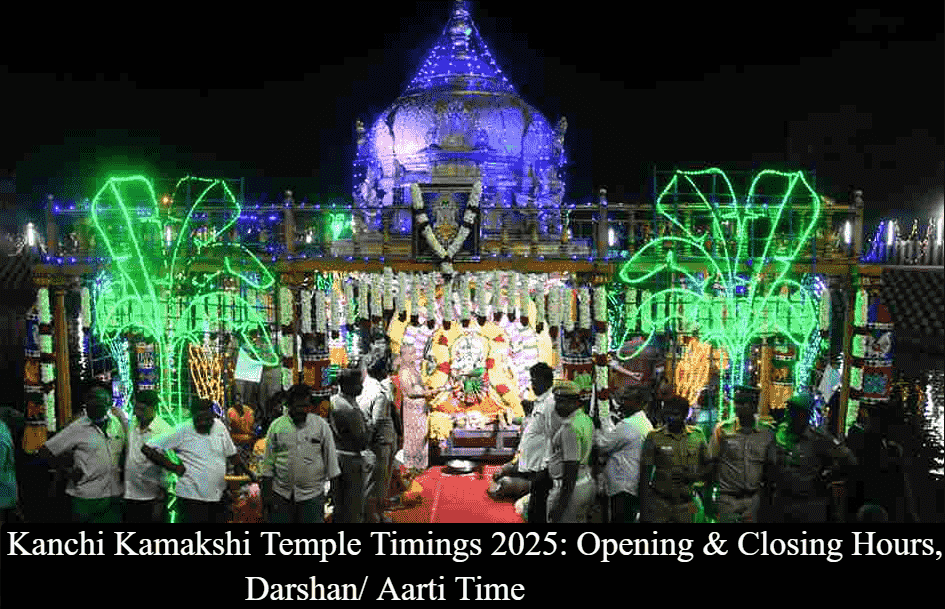
Kamaksha
Arulmigu Kamakshi Amman Temple in Mangadu, near Chennai, is dedicated to the goddess Kamakshi, an aspect of Adi Parashakti. According to legend, the goddess performed austeritie…
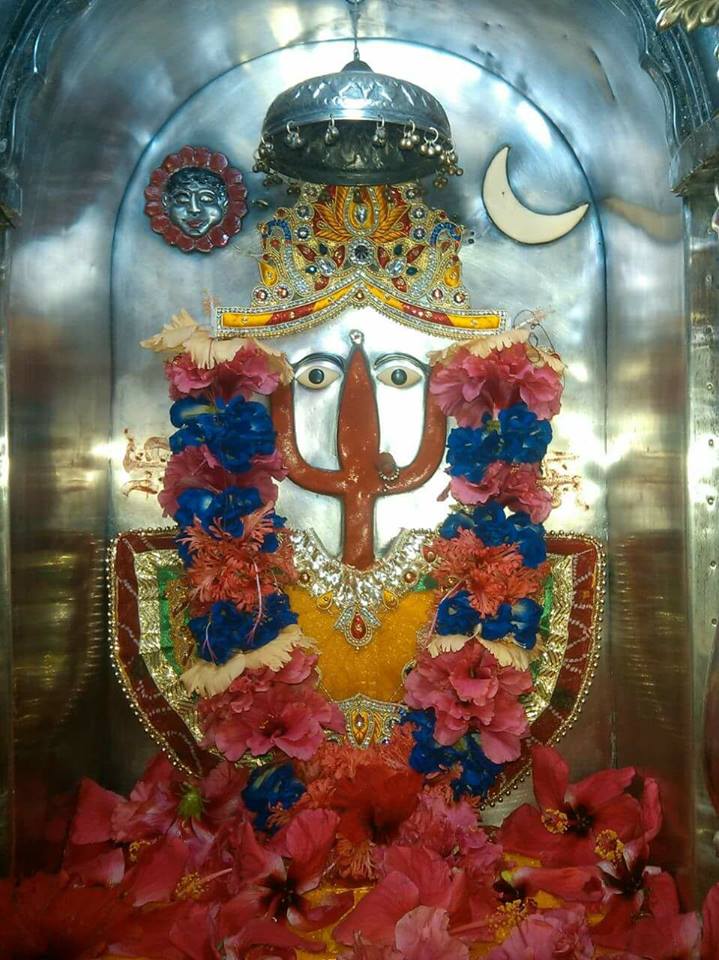
Guhaditya temple
Guhaditya temple in Dwarka is an ancient shrine dedicated to the sun deity, established over 150 years ago. Pilgrims enter through the Swarg Dwar (Gateway to Heaven) and exit vi…
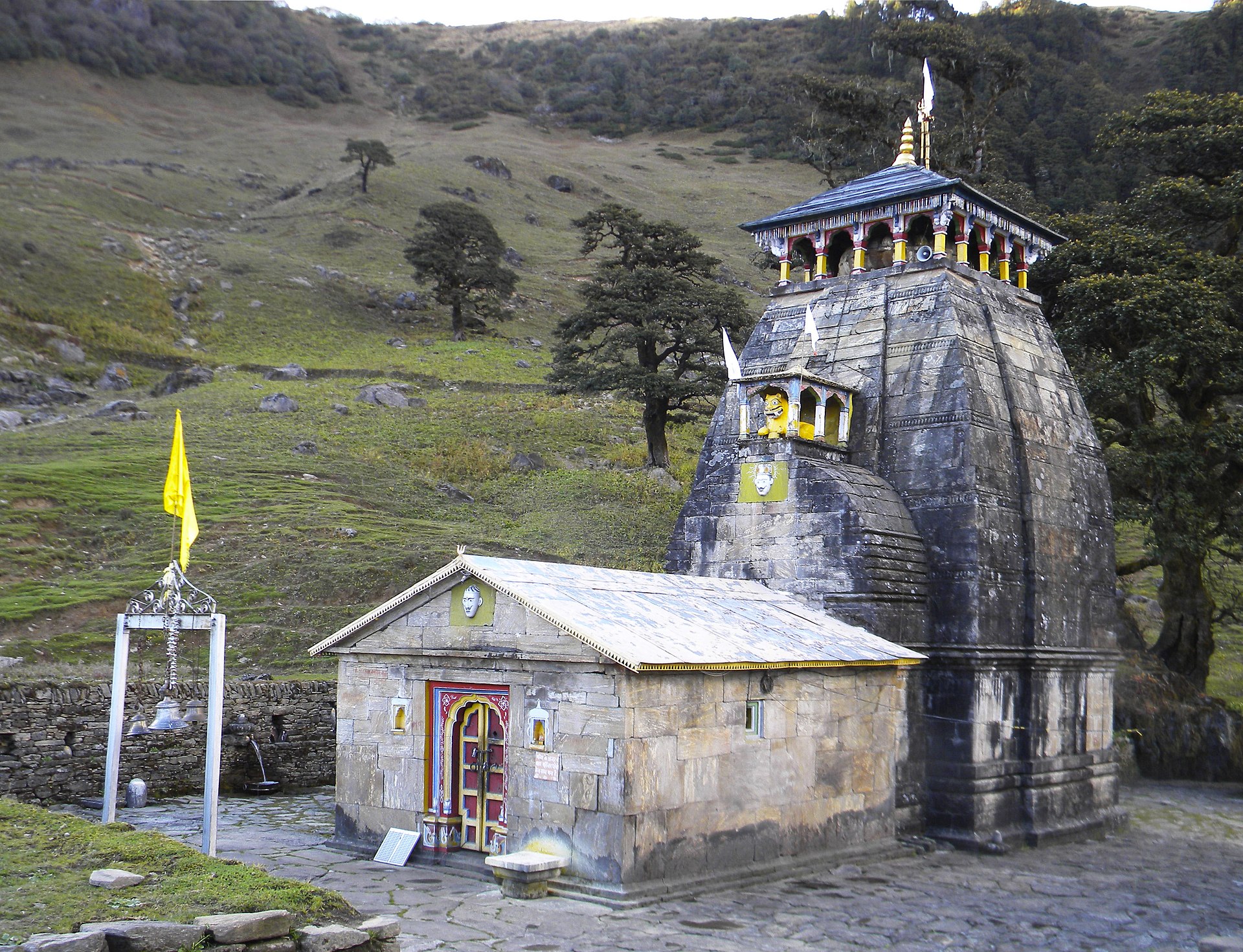
Madhyamaheshwar Temple
Madhyamaheshwar Temple is one of the five sacred Shiva shrines in the Panch Kedar pilgrimage circuit, located in the Garhwal Himalayas of Uttarakhand. Each temple in the circuit…