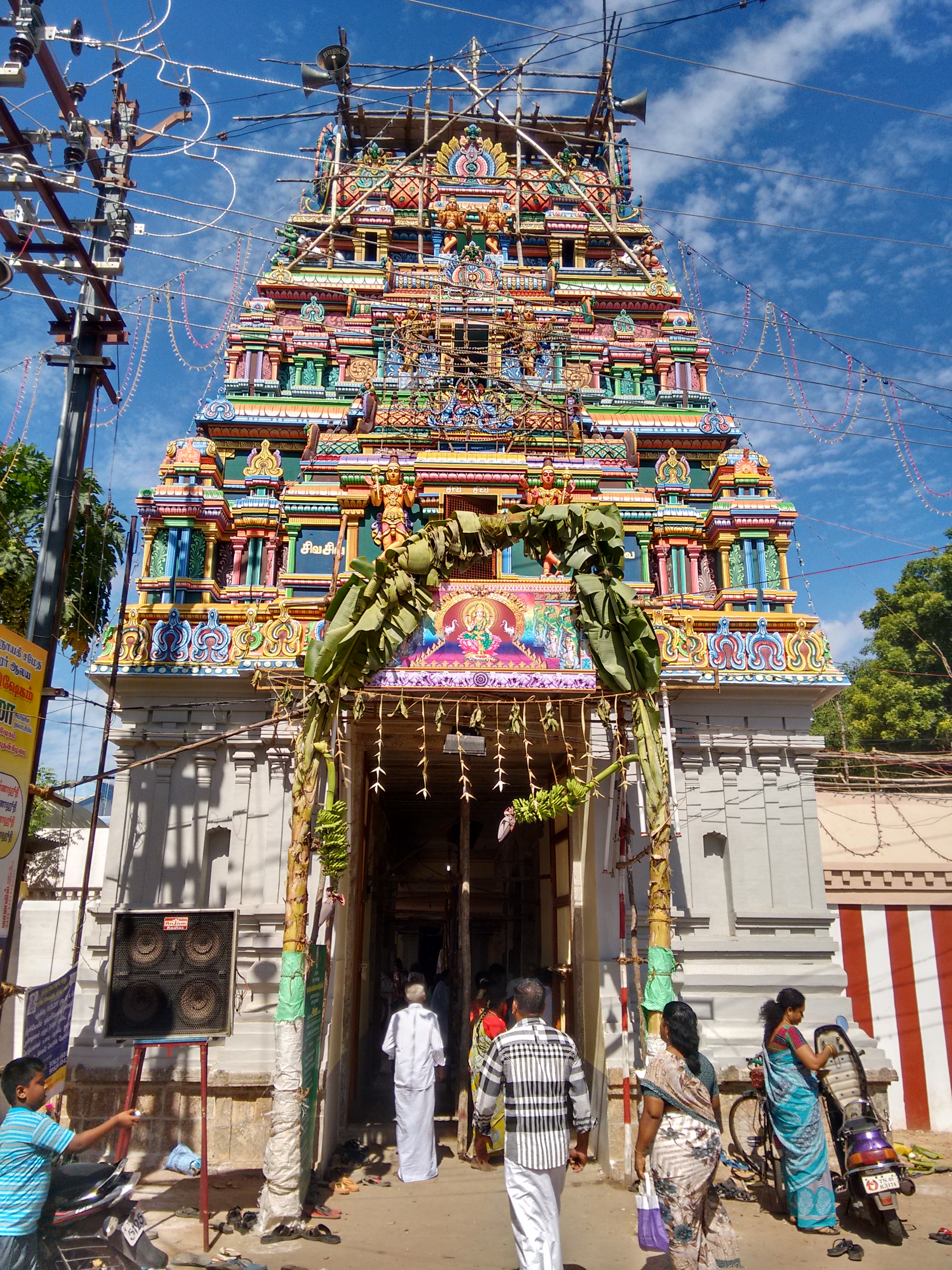
Gauthameswarar Temple, Kumbakonam
About Gauthameswarar Temple, Kumbakonam
October through March offers the most comfortable visiting conditions, as the cooler months make extended temple time more pleasant. Within this window, early morning visits between 6:00 and 8:00 AM typically draw fewer crowds, allowing for quieter darshan. Alternatively, the evening hours from 5:00 to 7:00 PM provide an opportunity to witness the Deeparadhanai lamp ceremony, a visually significant ritual that many visitors find spiritually engaging.
The afternoon break from noon to 4:00 PM should be avoided, as the temple remains closed during this period. Visitors planning a full day in Kumbakonam can use this interval to explore other temples or rest during the hottest hours.
Visiting Practicalities
Visitors should dress modestly when entering the temple, following the conventions observed across Hindu temples in Tamil Nadu. Footwear is typically removed before entering the sanctum. Temple etiquette calls for respectful behaviour during worship times, particularly during the scheduled poojas when priests conduct rituals.
The temple's location in Kumbakonam places it within a town that has developed basic visitor infrastructure. However, specific details about on-site facilities at Gauthameswarar Temple itself are not documented in available sources. Visitors are advised to carry water and plan meals accordingly, particularly if visiting during the warmer months or spending extended time in the temple complex.
Photography policies vary across temples; it is best to inquire with temple staff before photographing the sanctum or rituals. Mobile phones should be silenced or switched off during worship times as a mark of respect.
Shiva Worship in the Tamil Tradition
As a Shiva temple, Gauthameswarar follows the worship traditions centred on Shiva, one of the principal deities in Hindu practice. Temples dedicated to Shiva typically feature a lingam as the primary object of worship, representing the formless divine in concentrated form. Devotees offer flowers, water, and other traditional offerings during darshan and pooja times.
The temple's position within Kumbakonam connects it to the town's broader sacred geography. Kumbakonam itself holds significance in Hindu cosmology through its association with creation mythology, and the presence of multiple Shiva and Vishnu temples reinforces its status as a pilgrimage centre. Visitors to Gauthameswarar can easily extend their worship to other nearby temples, creating a more comprehensive temple circuit across the town.
Getting There
Kumbakonam is accessible by road and rail within Tamil Nadu's transport network. The town's central location in Thanjavur district makes it reachable from major cities in the region. Visitors should confirm current transport options and routes before travelling, as these details change seasonally and with infrastructure updates. Once in Kumbakonam, the temple's coordinates (10.954854, 79.379797) can guide visitors using GPS navigation or local directions.
How to reach
You may also visit
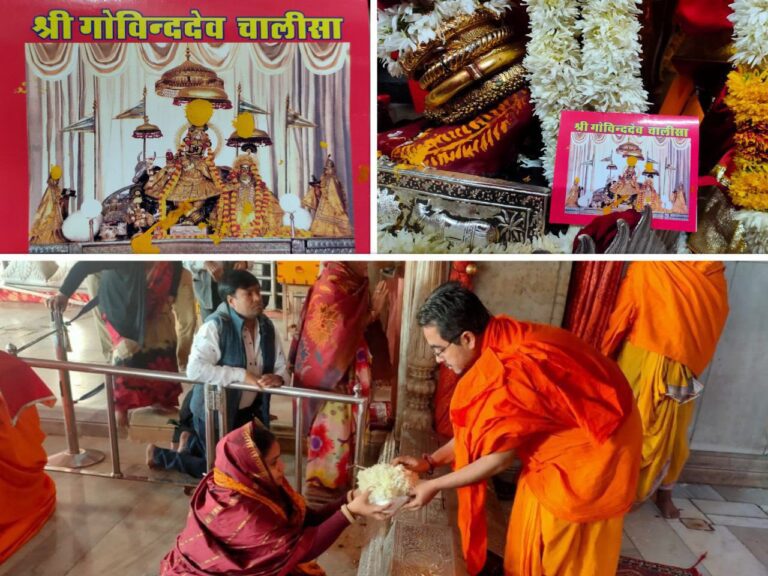
Kalyanji Temple
Kalyanji Temple in Jaipur's Chandpol Bazaar is approximately two centuries old and renowned for displaying the twenty-four avatars of Krishna, visible only twice yearly during Akha Teej and Patottsav festival.
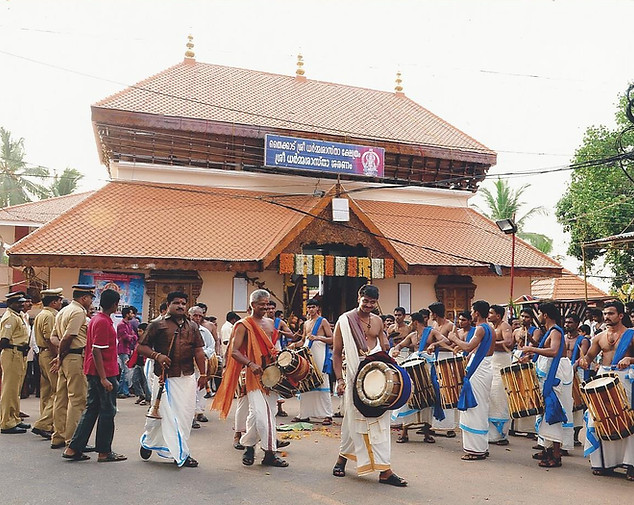
Sastha (Ayyappan) Temple
Sree Dharma Sastha Temple in Thycaud, Thiruvananthapuram, is a centuries-old shrine where the deity manifests as Dhanwanthari, the divine healer, holding the sacred blue lotus.

Govindarajaswamy Temple
Sri Govindarajaswamy Temple in Tirupati is an ancient Vaishnavaite shrine consecrated in 1130 AD by Saint Ramanuja, where the presiding deity rests in eternal Yoga Nidra on the serpent Adisesha.