
Ezhimala Narayan Kannur temple
About Ezhimala Narayan Kannur temple
The temple's documented history extends to 929 CE, when a stone inscription records an endowment by Mushika ruler Validhara Vikrama Rama. This inscription, carved on granite and still visible in the temple courtyard, documents a donation of land for maintaining a perpetual lamp (nanda vilakku) and food offerings to the deity. The inscription also references the Manigramam, an influential merchant guild appointed as guardian of the temple and its affairs—a significant detail revealing the role of merchant communities in temple administration during the medieval period.
A second inscription, dated to 1075 CE, is carved into the base of the central shrine. It records the renovation of the temple under Alupa king Kunda Alupa, including the construction of the deity's image and the central shrine itself, all executed in granite. Both inscriptions are written in old Malayalam using the Vattezhuthu script, with occasional Grantha characters. These medieval records make the temple an important archaeological site for understanding the region's history and the evolution of Kerala's temple institutions.
Architecture and Current State
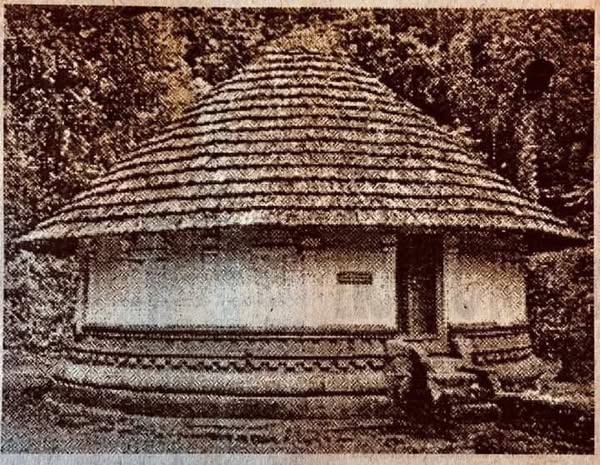
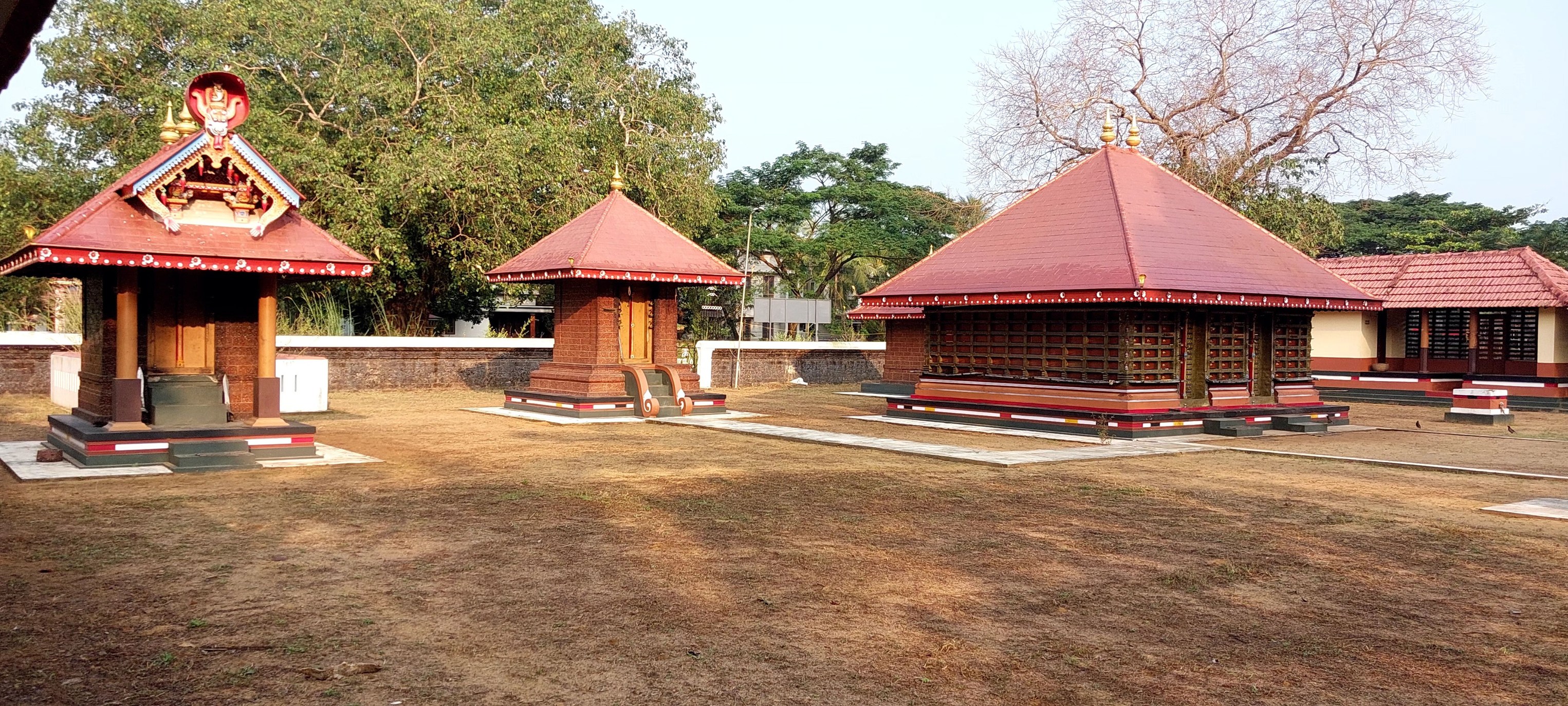
The central shrine (srikoyil) is constructed in a circular form with a roof of clay tiles. The temple's architectural style reflects the building practices of the 10th and 11th centuries, though much of the original structure has been lost. Many of the temple's stone images are now in damaged condition. The base of the Narasimha image contains only fragments of black stone. The Mahavishnu sculpture is broken, and the Bhuthatharīshvaran image lies fractured at ground level. The temple's roof has also been lost.
These damages are attributed to the military campaigns of Tipu Sultan in Malabar during the late 1700s. A stone slab inscribed in Vattezhuthu script remains visible on the right side of the temple's steps, serving as a valuable historical record of the region's ancient past. Despite its deteriorated condition, the temple continues to function as a place of worship and historical significance.
Kadalaattu Vavvu and Ancestral Rituals
The temple is particularly known for Kadalaattu Vavvu, a ritual observed during the Tulam month (October-November). During this period, devotees gather at the seashore in front of the temple for ritual bathing, water offerings to ancestors (tarpan), and other ancestral rites. The sea is understood within this tradition as a purifying force capable of cleansing sins. This seasonal observance draws families seeking to honour their deceased relatives through these coastal rituals, making the temple an important centre for ancestral veneration in the region.
Visiting the Temple
The temple is located at Ezhimala in Kannur district, Kerala, at coordinates 12.0564666, 75.187369. The best time to visit is during the Tulam month (October-November), when the Kadalaattu Vavvu rituals take place and the temple receives significant devotional activity. Visitors should be aware that many of the temple's structures and images are in a state of disrepair, and facilities may be limited. As with most Hindu temples, modest dress is appropriate, and visitors should remove footwear before entering the shrine. Specific darshan timings are not documented in available sources; it is advisable to contact the temple directly or check with local sources before planning a visit.
How to reach
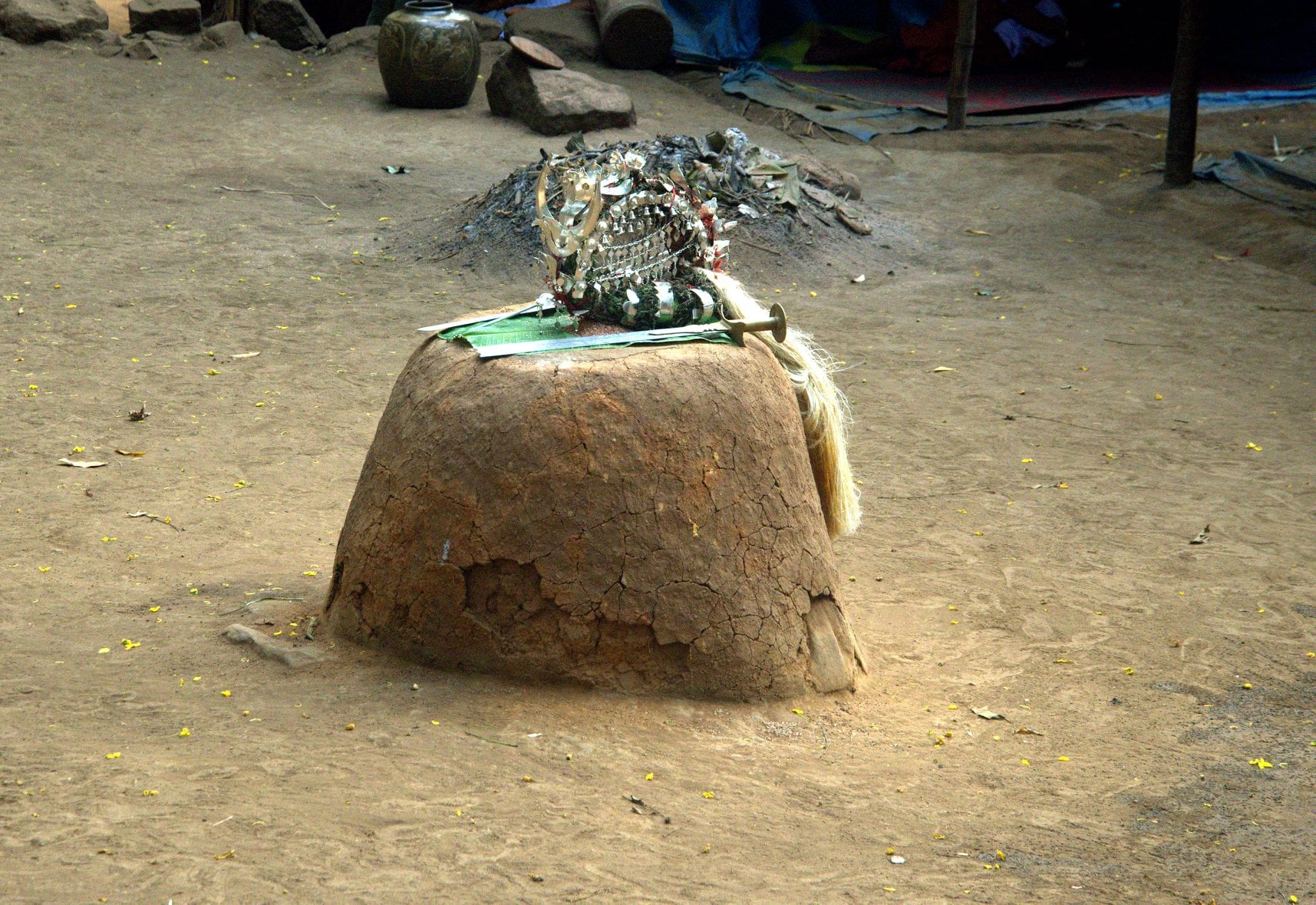
Temples near Ezhimala Narayan Kannur temple
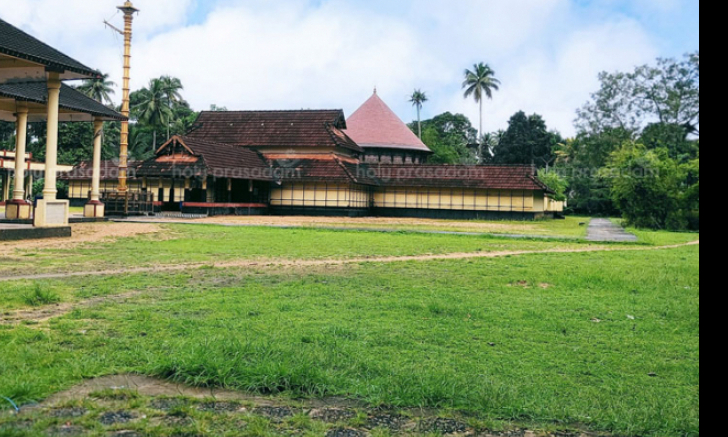
Tuluvannoor Sri Maha Vishnu Temple
Tuluvannoor Sri Maha Vishnu Temple is a Vishnu shrine located in Kannur District, Kerala, dedicated to Lord Vishnu.
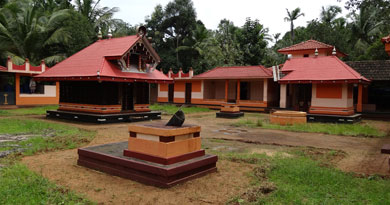
Thaayineri Sri Kurinji Kshetram
Thaayineri Sri Kurinji Kshetram is a sacred temple in Kannur, Kerala, renowned for its unique Kurinji grove and vibrant Theyyam festival performances held annually in February.

Cheruthazham Sree Kunninmathilakam Mahadeva Temple
Sree Kunninmathilakam Mahadeva Temple in Cheruthazham, Kannur, is an ancient shrine where Lord Shiva is worshipped in three distinct forms throughout the day—as Dakshinamoorthy…

Madai Vadukunda Shiva Temple
The Madai Vadukunda Shiva Temple stands on the elevated Madai Para plateau, believed constructed by Kolathiri Kings during the medieval period approximately 1,200 years ago. Thi…
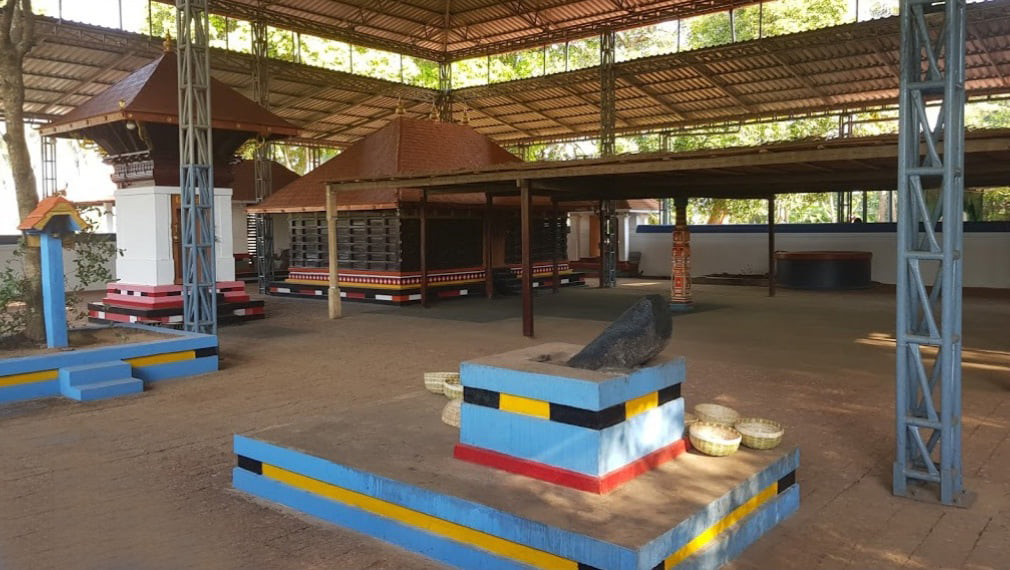
Thalayanneri shree poomaala bhagavathikkav
Thalayanneri Shree Poomala Bhagavathikkavu is a sacred shrine dedicated to Goddess Poomala Bhagavathi, located within the Annur Mahavishnu Temple complex in Payyanur, Kannur dis…
Payyakkal Bhagavathi Temple
Sree Payyakkal Bhagavathi Temple is an ancient shrine in Koyonkara, Kasaragod, maintained by the Mukaya fishing community and renowned for its elaborate Pattu Utsavam festival f…