Dwarbasini
About Dwarbasini
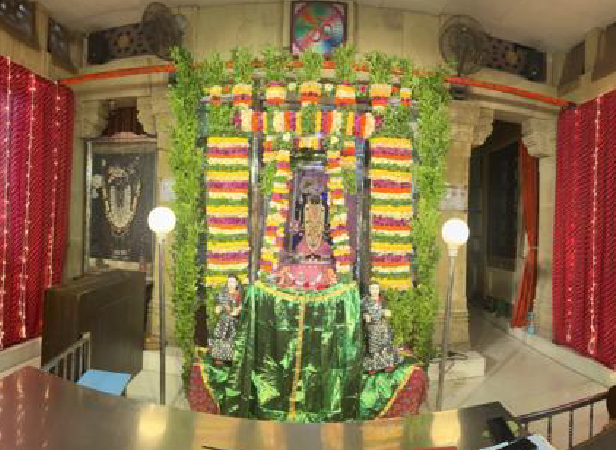
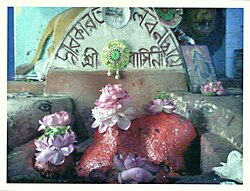
Unlike many Hindu temples where the deity is represented through anthropomorphic sculpture, Dwarbasini exists as a stone idol without a carved image—a form of worship that emphasizes the formless, transcendent nature of the divine. This aniconic representation invites devotees to perceive the goddess through faith and inner vision rather than through visual likeness. The temple itself occupies a significant location on the bank of the Dwarka River in Birbhum district, West Bengal, where the flowing waters create a natural sacred geography. The riverside setting connects the temple to the broader landscape of pilgrimage and spiritual practice that characterizes many Hindu sacred sites.
Historical Foundations
The temple was established in the 1990s, making it a relatively recent addition to the region's religious infrastructure. Local history records the figure of Raja Umacharan Roy (also known as Umeshcharan Sharma), grandson of the temple's first priest Triloke Sharma, who was a devoted worshipper of Dwarbasini. Roy's commitment to the goddess extended to material support—he donated lands intended to supply flowers, woods, rice, sweets, and milk for temple offerings at the village of Chandrapur. His life ended during the Santhal rebellion, a significant historical event that shaped the region's past. This history grounds the temple within both spiritual devotion and the lived experience of communities in Birbhum.
Worship and Daily Practice
As a Shakti temple dedicated to Durga, Dwarbasini follows the ritual patterns typical of goddess worship in Bengal and eastern India. Devotees approach the stone idol with offerings of flowers, food, and prayers, seeking the goddess's blessings and protection. The formless nature of the idol means that worship centers on faith, intention, and the sacred relationship between devotee and deity rather than on visual contemplation of a carved form. Temples of this tradition typically maintain daily puja (worship) schedules, though specific timings for Dwarbasini should be confirmed locally before visiting.
Visiting the Temple
The temple is located on the bank of the Dwarka River in Birbhum district, West Bengal. Visitors should dress modestly, as is customary at Hindu temples—women typically wear salwar kameez, sarees, or other conservative clothing, while men wear simple shirts and trousers or traditional dress. Shoes are generally removed before entering the inner sanctum. The riverside location means the temple may be subject to seasonal water levels; visitors planning trips during monsoon should check local conditions. For current information about darshan hours, specific rituals, and any facilities available, contact the temple directly or inquire locally in the Birbhum district.
Significance for the Region
Dwarbasini holds particular meaning for communities with historical ties to the area, especially those who maintain connections to Santhal and Pahria Mal traditions of worship. The goddess represents continuity with older patterns of devotion while also serving contemporary pilgrims seeking the blessings of Durga. The temple's location in Birbhum, a district with rich cultural and spiritual heritage, places it within a broader landscape of sacred sites and devotional communities. For visitors interested in regional expressions of Shakti worship and the intersection of goddess veneration with local history, Dwarbasini offers an authentic encounter with living Hindu practice.
How to reach
You may also visit
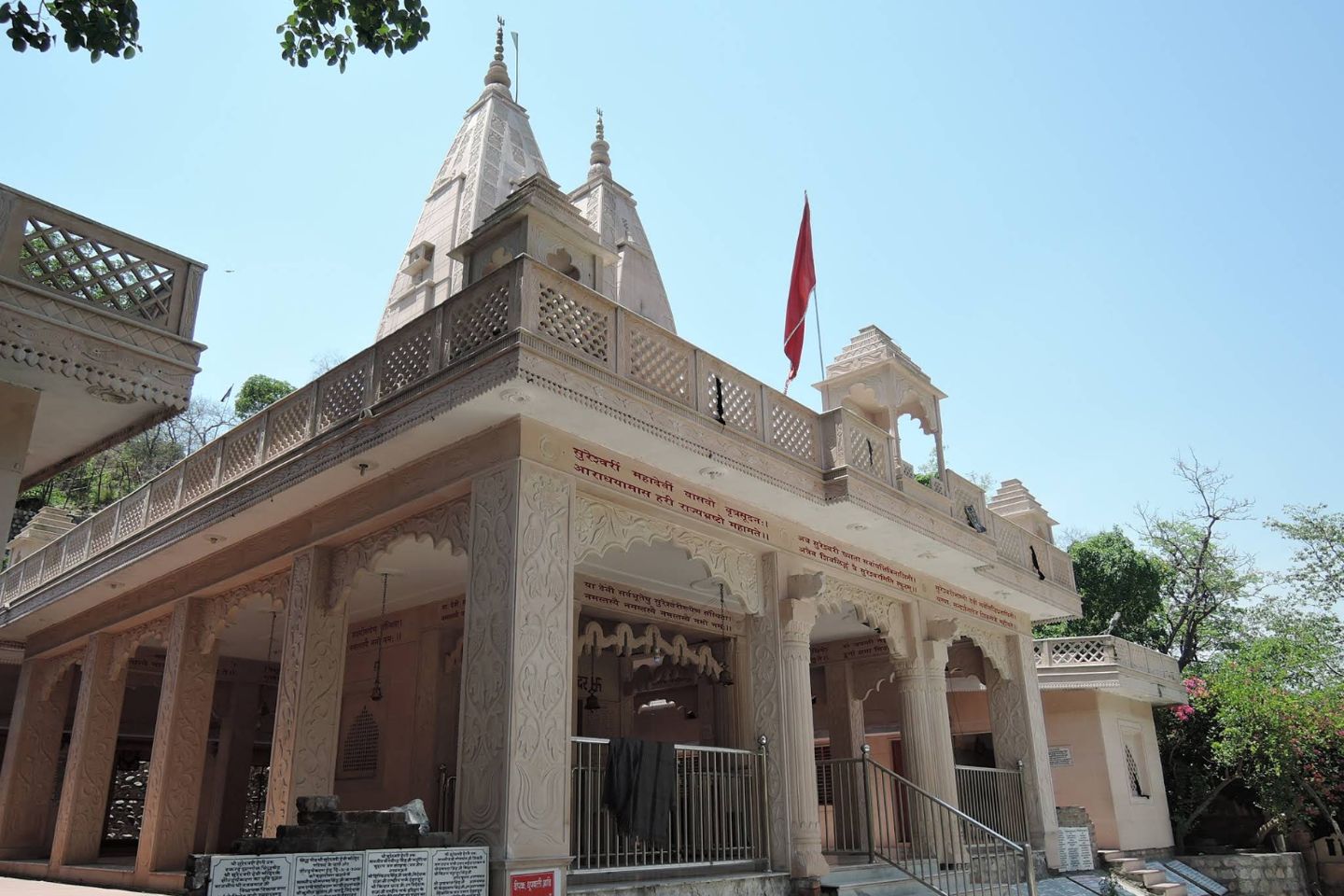
Sureshwari Devi Temple
Sureshwari Devi Temple in Haridwar is a forest shrine dedicated to the goddess, situated within the Ranipur Range area near Rajaji National Park, offering a secluded spiritual e…
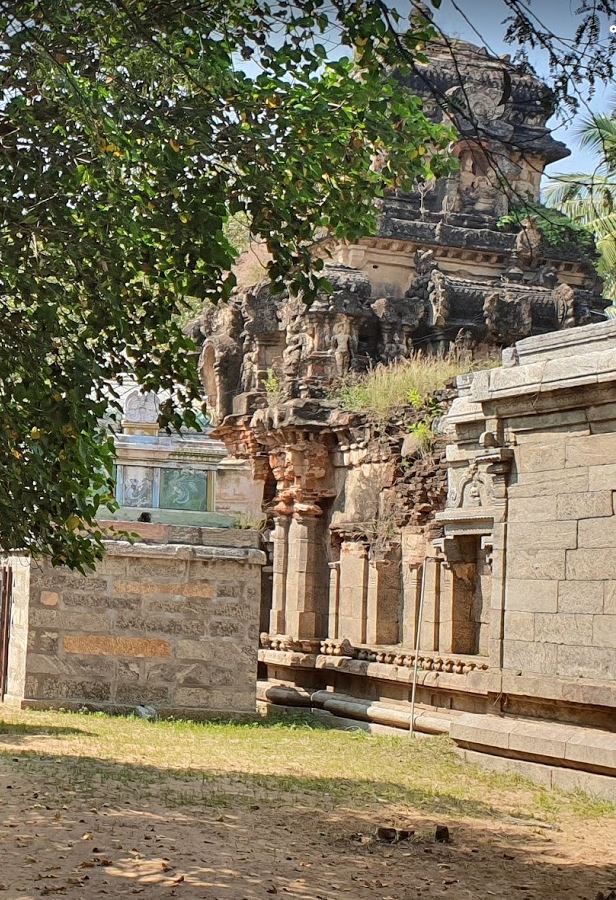
Agatheeswarar Temple, Karur
Agatheeswarar Temple in Thirumukkudalur, Karur district, is an ancient Hindu shrine dedicated to Shiva, situated at the sacred confluence of three rivers and believed to be over…

Shani Shingnapur
Shani Shingnapur is a renowned temple in Maharashtra dedicated to Lord Shani, featuring a self-emerged black stone idol worshipped under open sky. The temple is located in a uni…
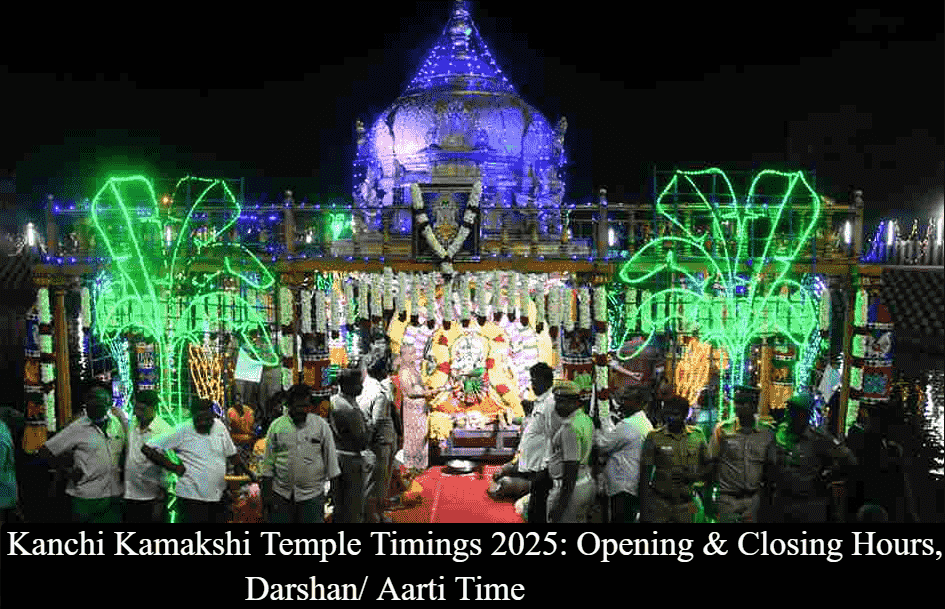
Kamaksha
Arulmigu Kamakshi Amman Temple in Mangadu, near Chennai, is dedicated to the goddess Kamakshi, an aspect of Adi Parashakti. According to legend, the goddess performed austeritie…
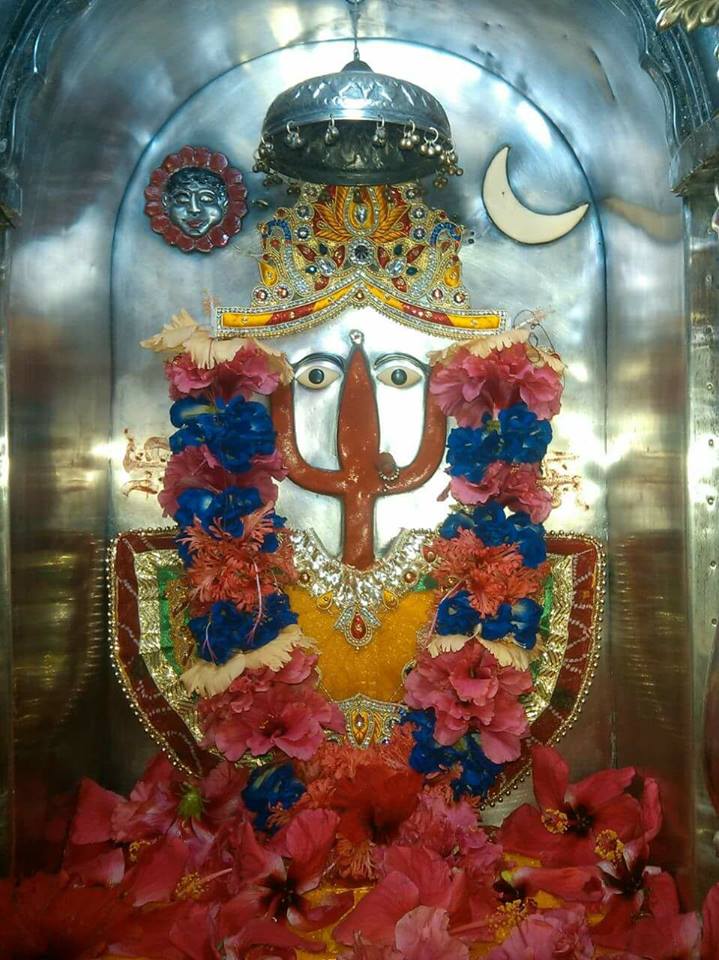
Guhaditya temple
Guhaditya temple in Dwarka is an ancient shrine dedicated to the sun deity, established over 150 years ago. Pilgrims enter through the Swarg Dwar (Gateway to Heaven) and exit vi…
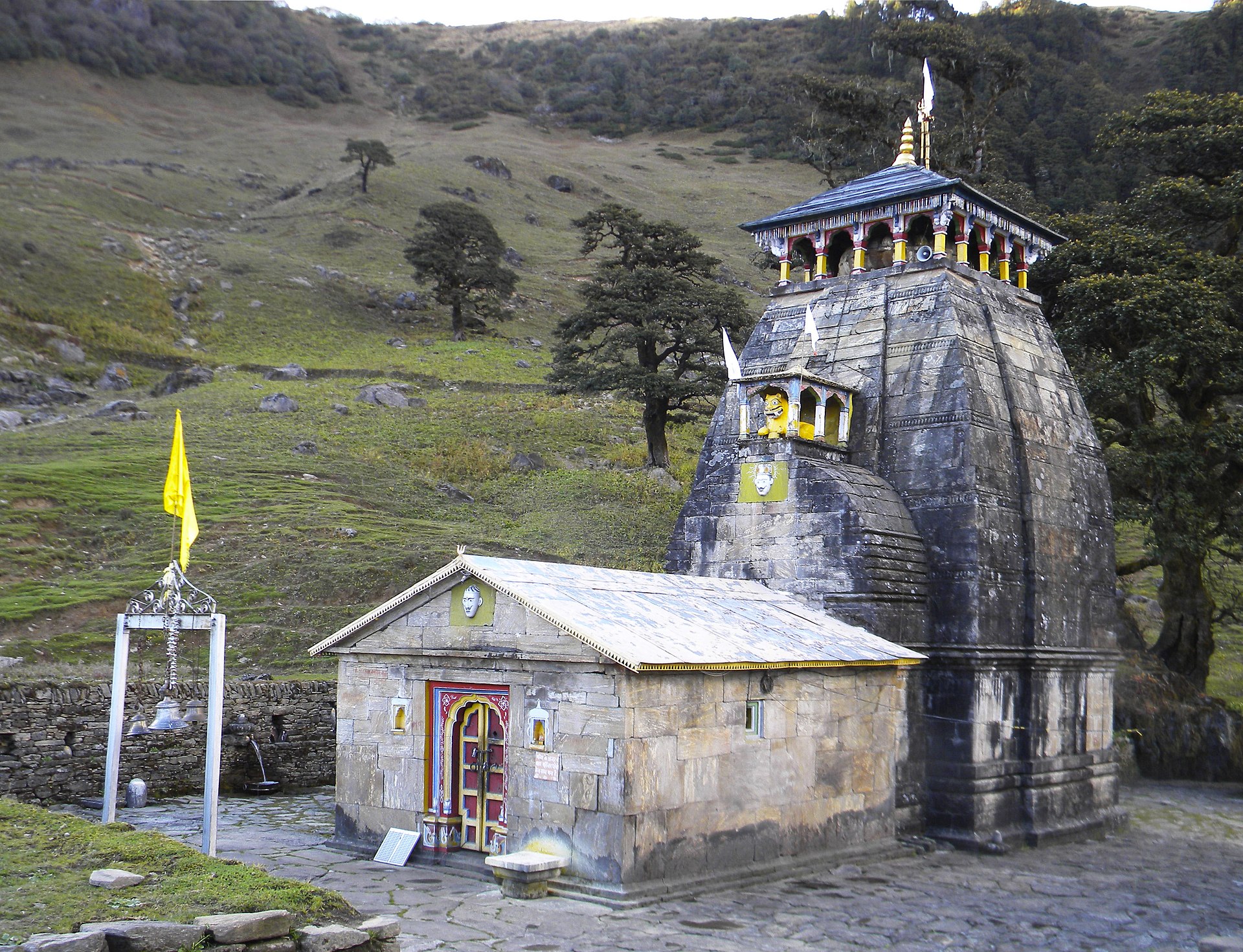
Madhyamaheshwar Temple
Madhyamaheshwar Temple is one of the five sacred Shiva shrines in the Panch Kedar pilgrimage circuit, located in the Garhwal Himalayas of Uttarakhand. Each temple in the circuit…