Devi Temple
About Devi Temple
Chamunda Devi is a fierce manifestation of the Divine Mother, known in Hindu tradition as a form of Shakti—the primordial feminine power. She is typically depicted as a warrior goddess, embodying both protection and the destruction of ignorance and evil. Temples dedicated to Chamunda draw devotees seeking her blessings for strength, courage, and spiritual liberation. The presence of such a shrine in Mathura, a city sacred to Krishna worship, reflects the broader Hindu understanding of the Divine Mother as present across all pilgrimage sites, complementing the devotional landscape of the region.
Location and Access
The temple is situated in Mathura, Uttar Pradesh, in northern India's Braj region. Mathura is well connected by road and rail to major cities including Delhi, Agra, and Lucknow. The temple's coordinates place it within the city proper. Visitors arriving by train can access Mathura Junction; those traveling by road will find the city accessible via national highways. From Delhi, Mathura is approximately 150 kilometres south. Once in the city, local transport—auto-rickshaws, taxis, or guides familiar with temple locations—can direct you to the shrine.
Worship and Darshan
As a Shakti temple, Chamunda Devi Temple follows the ritual patterns common to goddess shrines across North India. Devotees typically visit to receive darshan—direct sight of the deity—and to offer prayers for protection and spiritual progress. The specific timings of daily worship, the nature of offerings accepted, and the protocols for approaching the sanctum should be confirmed locally upon arrival, as these details vary by temple management and season. It is customary to dress modestly when visiting Hindu temples; women often wear salwar kameez or sarees, while men wear simple clothing. Removing shoes before entering the inner sanctum is standard practice.
Visiting Mathura's Sacred Sites
Mathura itself is a major pilgrimage destination, home to numerous temples and sites associated with Krishna's life and teachings. A visit to Chamunda Devi Temple can be combined with other shrines in the city as part of a broader spiritual journey. Many pilgrims structure multi-day visits to explore the region's religious heritage, and tour operators in Mathura offer packages connecting various temples and sacred locations. The city's significance as a pilgrimage center means that basic facilities for visitors—accommodation, food, and guidance—are readily available.
Practical Information for Visitors
Before visiting, confirm current opening hours and any restrictions that may apply, as these can change seasonally or due to local circumstances. Photography policies vary by temple; it is respectful to ask permission before photographing the deity or inner sanctum. Carry modest amounts of cash for offerings, though many temples now accept digital payments. The climate in Mathura can be hot, particularly from April to June, so plan your visit accordingly and bring water. If you have specific dietary requirements or accessibility needs, contact local temple authorities or tour operators in advance to arrange appropriate support.
The Broader Pilgrimage Context
Mathura's status as a sacred city draws millions of devotees annually, particularly during major Hindu festivals. The presence of Chamunda Devi Temple within this landscape reflects the integration of goddess worship into the region's spiritual life. Whether you visit as part of a dedicated pilgrimage or as one stop within a broader tour of North India's religious sites, the temple offers an opportunity to engage with one of Hinduism's most powerful divine forms and to participate in the living tradition of worship that has sustained these sacred spaces for generations.
How to reach
Temples near Devi Temple
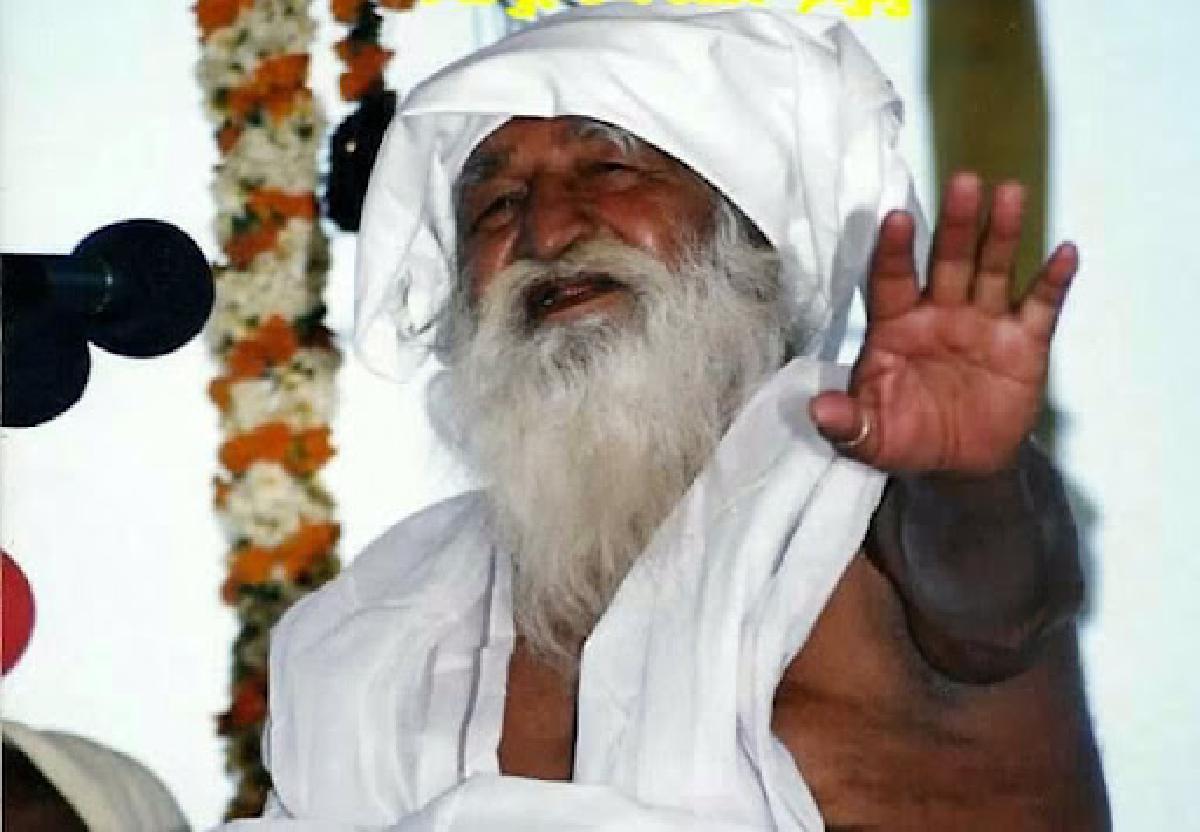
Baba Jai Guru Dev Shanti Sthal
A spiritual ashram in Mathura dedicated to the teachings of Baba Jaigurudev, emphasizing Nam Yog Sadhana and the guidance of a Perfect Living Master for soul liberation.
Shri Prachin Hanuman Mandir
Shri Prachin Hanuman Mandir is an ancient temple dedicated to Lord Hanuman located in Vrindavan. Specific details about this particular temple are not available in the provided…
Durga Mandir
Durga Mandir in Vrindavan is a temple dedicated to the goddess Durga, though specific details about this particular shrine remain limited in available sources.
Radha Nagar Gurudwara
Insufficient information available to provide accurate details about Radha Nagar Gurudwara in Mathura.
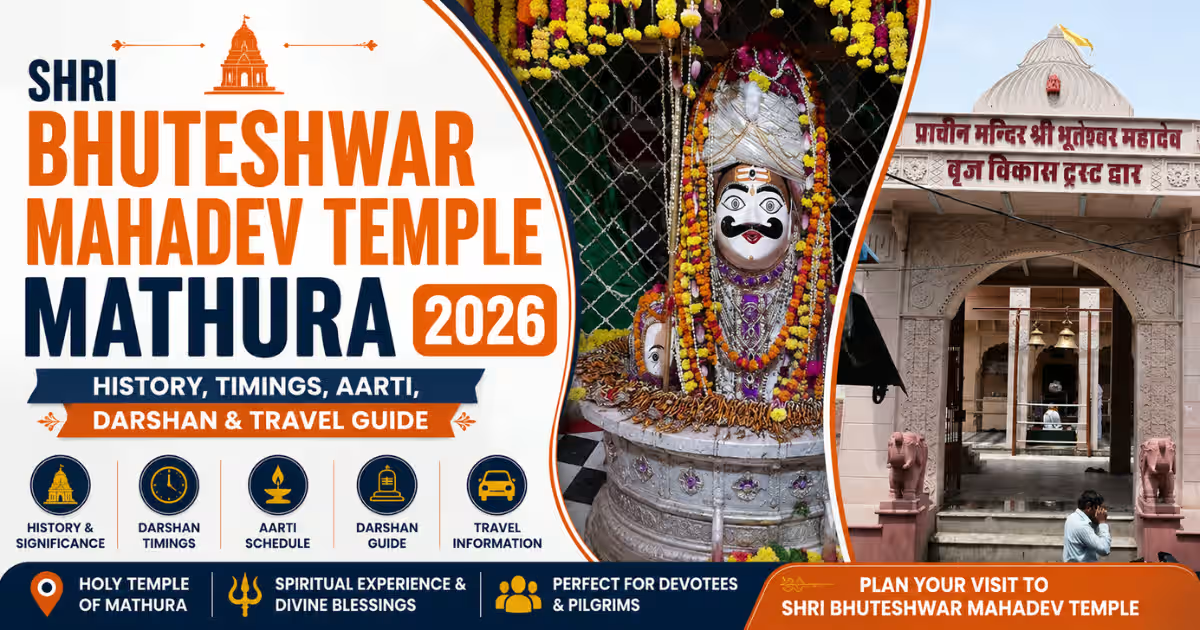
Shri Bhuteshwar Mahadev Temple
Shri Bhuteshwar Mahadev Temple is an ancient Shiva shrine in Mathura revered as one of the four guardian deities protecting the holy city, with Shiva worshipped here as Bhuteshw…
Shri Krishna Janmasthan Temple, Mathura
Shri Krishna Janmasthan Temple in Mathura marks the sacred birthplace of Lord Krishna, housing the Garbh Griha prison cell where Krishna was born according to Hindu tradition.