Deulghata
About Deulghata
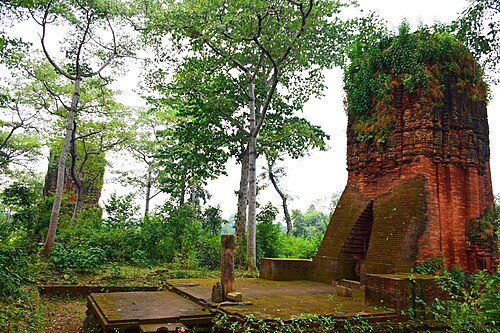
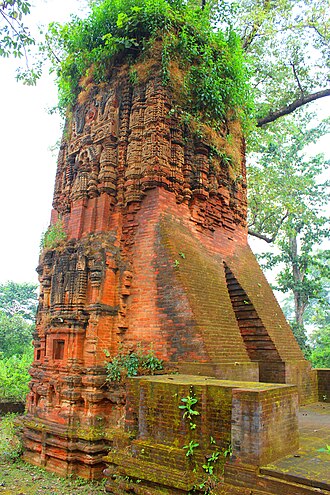
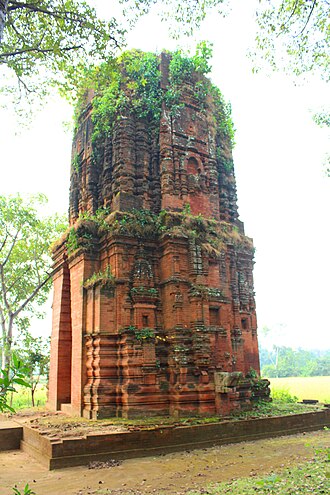
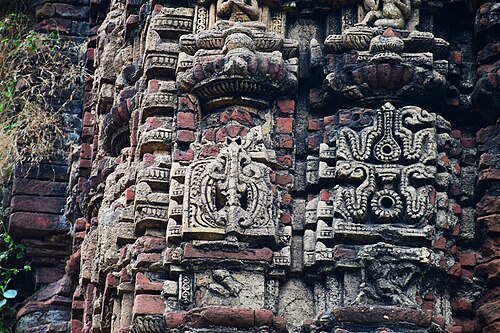
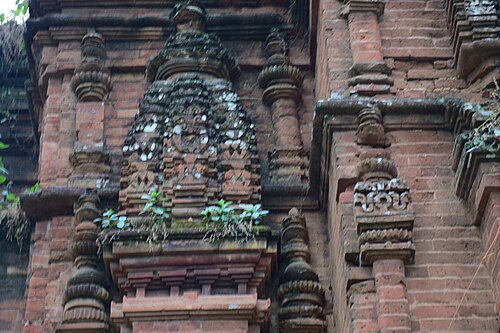
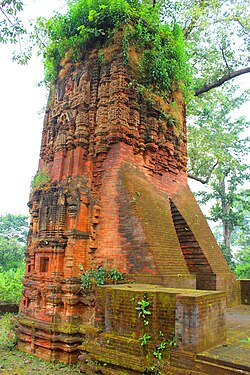
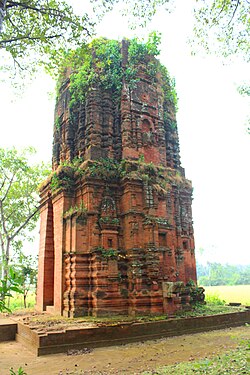
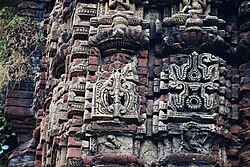
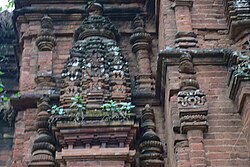
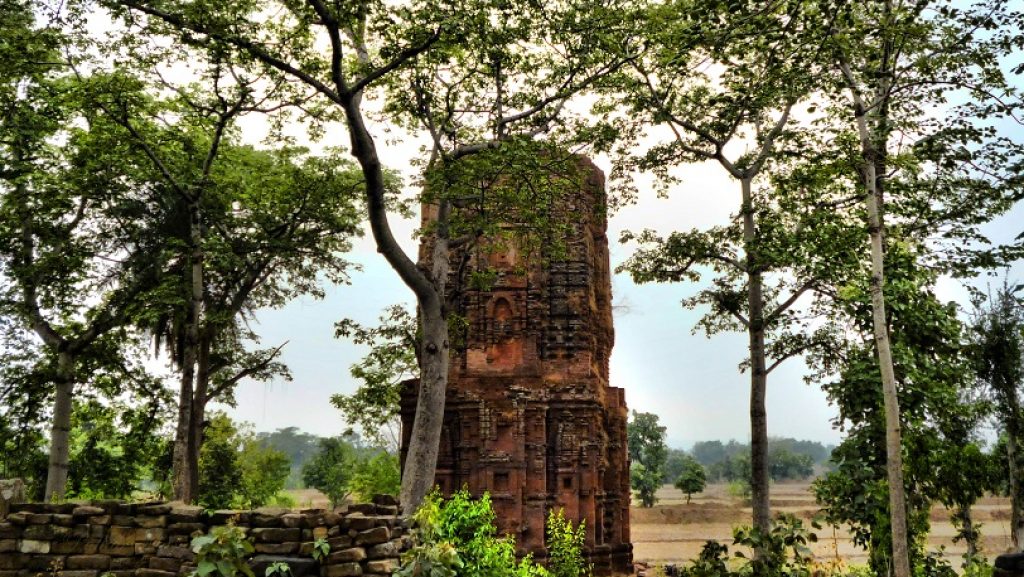
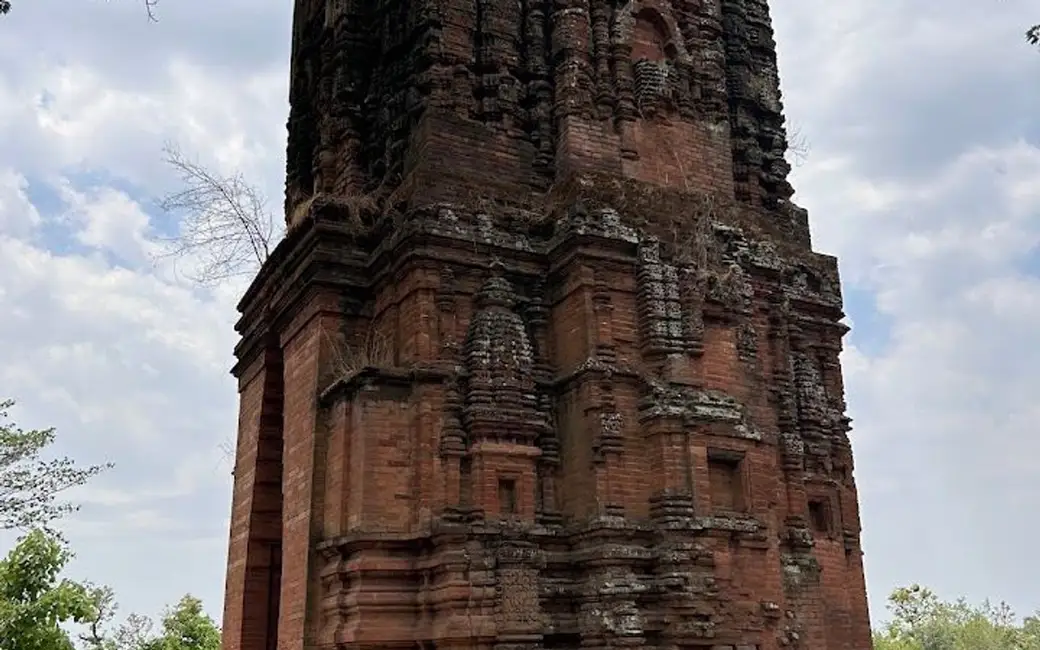
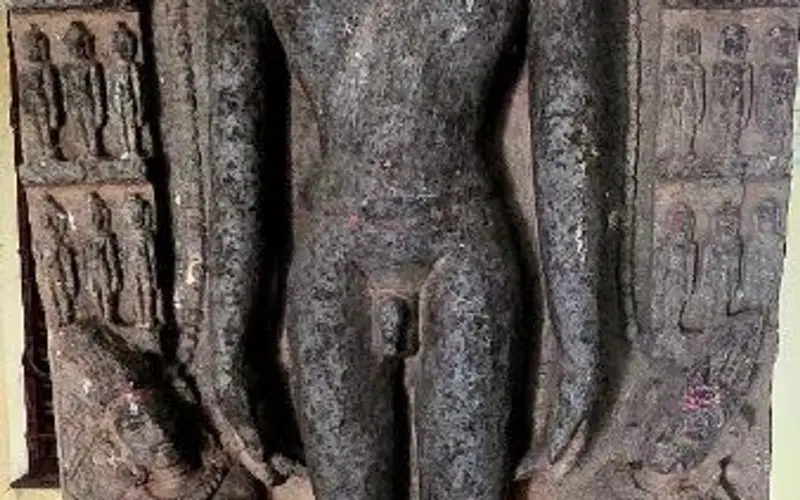
The temples at Deulghata display the Nagara style of North Indian architecture, characterized by distinctive structural elements and ornamentation. The site is believed to originate from the Chola period, with construction attributed to the Pala and Sena dynasties, though the identity of the original builders remains uncertain. The ruins of approximately fifteen temples survive at the location, with stucco decoration forming a notable feature of their design. The skilled stonework and carved idols visible among the remains provide evidence of the craftsmanship and artistic sophistication of these historical periods.
Visiting Hours and Best Times
The temple complex is accessible throughout the day and night, remaining open from midnight to 11:59 PM. However, visitors are advised to plan their visits between 6:00 AM and 6:00 PM for a more structured experience. The optimal times for visiting are early morning between 5:00 AM and 8:00 AM, or the morning hours until noon, when the atmosphere is most tranquil. The winter season from November to February offers the most pleasant conditions for exploration and worship.
Darshan and Worship Practices
Darshan at Deulghata is offered free of charge, with no entry fee required to access the temple complex. Poojas and rituals are conducted in Bengali and Sanskrit, providing visitors with an authentic spiritual experience rooted in local and classical traditions. The riverside setting creates a serene environment conducive to meditation and prayer. Devotees and heritage enthusiasts alike find the site suitable for both religious observance and historical appreciation.
The River Setting and Atmosphere
The location on the banks of the Kangsabati River contributes significantly to the character of Deulghata. The natural surroundings, combined with the ancient stonework, create a distinctive atmosphere. Tree branches have grown around and through many of the temple entrances over centuries, lending an evocative quality to the ruins and emphasizing the passage of time. This intertwining of nature and architecture serves as a tangible reminder of the temples' age and enduring presence in the landscape.
How to Reach Deulghata
The nearest major airport is Netaji Subhas Chandra Bose International Airport in Kolkata, approximately 250 kilometers from Purulia. From Kolkata, visitors can travel by bus or train to reach Purulia town. By rail, the journey from Kolkata to Purulia covers 322 kilometers and typically takes a minimum of 5 hours and 25 minutes. Several trains operate this route regularly, including the Chakradharpur Express, Rupasibangla Express, and Howrah-Purulia Express. Purulia Railway Station, managed by South Eastern Railways, serves as the main rail terminus. By road, Purulia is well connected to Kolkata and surrounding towns including Bankura, Asansol, Bokaro, and Jamshedpur. From Purulia town, Deulghata near Boram village in Arsha PS is accessible by local transport.
What to Know Before Visiting
Visitors should be prepared for the ruins-based nature of the site; while the temples are historically significant, they exist largely as archaeological remains rather than fully intact structures. Comfortable walking shoes are recommended, as exploration involves navigating uneven terrain among the temple ruins. The riverside location means the area can be damp, particularly during or after rain. Modest dress is appropriate when visiting a Hindu temple site. The site's heritage status means visitors should treat the ruins with respect and care, avoiding damage to carved elements or structural remains.
How to reach




You may also visit
Sureshwari Devi Temple
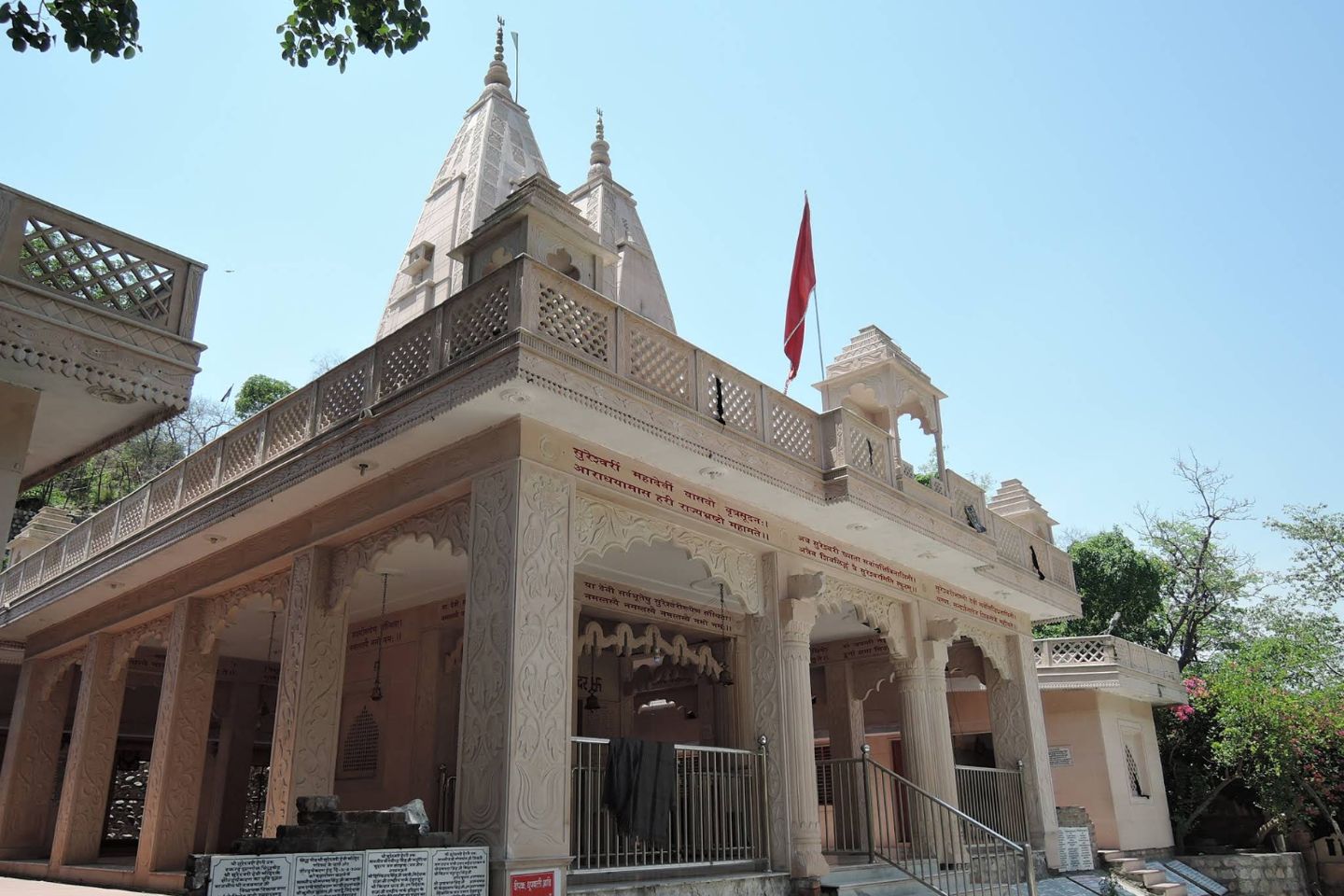
Sureshwari Devi Temple in Haridwar is a forest shrine dedicated to the goddess, situated within the Ranipur Range area near Rajaji National Park, offering a secluded spiritual e…
Agatheeswarar Temple, Karur
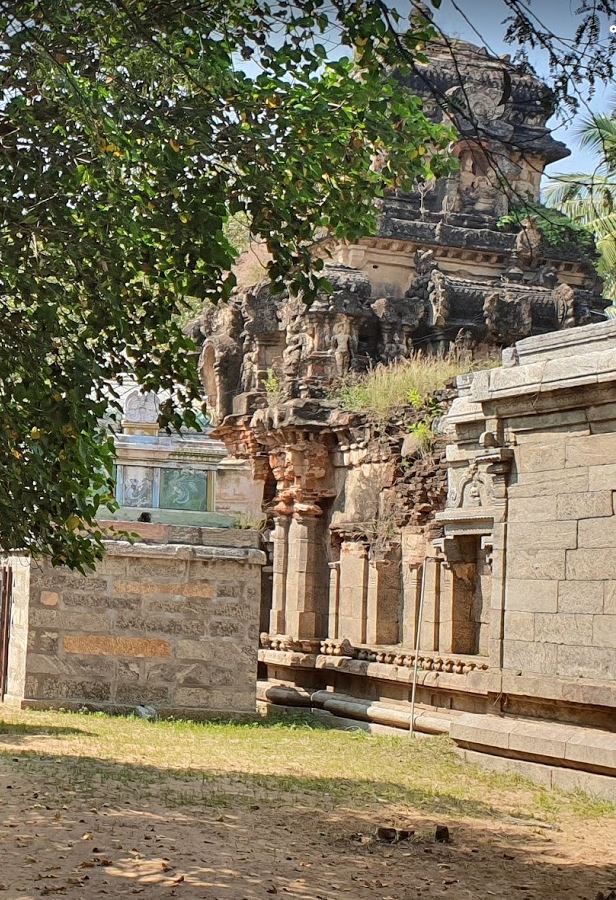
Agatheeswarar Temple in Thirumukkudalur, Karur district, is an ancient Hindu shrine dedicated to Shiva, situated at the sacred confluence of three rivers and believed to be over…

Shani Shingnapur
Shani Shingnapur is a renowned temple in Maharashtra dedicated to Lord Shani, featuring a self-emerged black stone idol worshipped under open sky. The temple is located in a uni…
Kamaksha
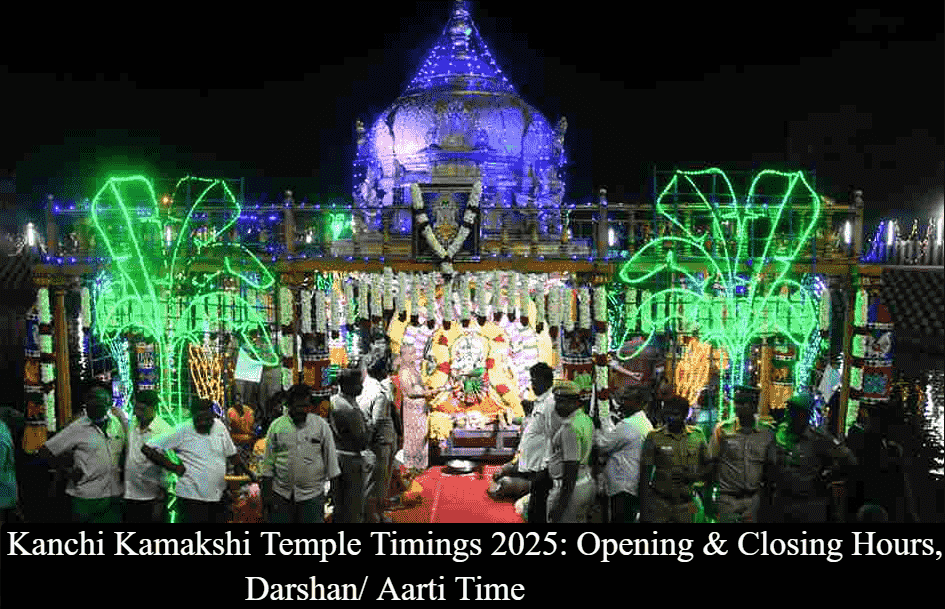
Arulmigu Kamakshi Amman Temple in Mangadu, near Chennai, is dedicated to the goddess Kamakshi, an aspect of Adi Parashakti. According to legend, the goddess performed austeritie…
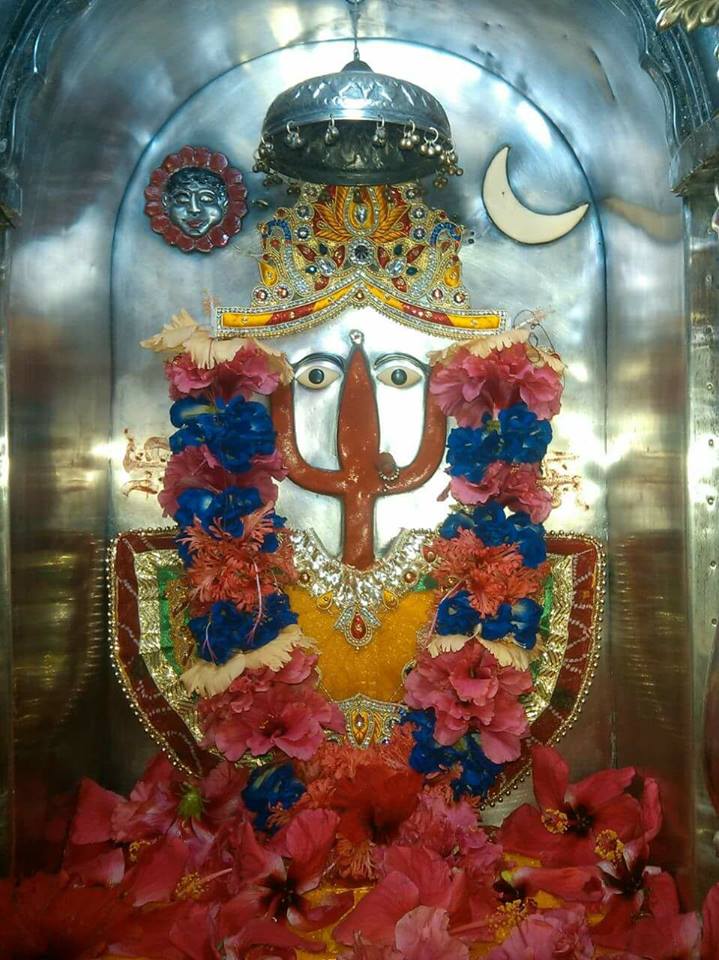
Guhaditya temple
Guhaditya temple in Dwarka is an ancient shrine dedicated to the sun deity, established over 150 years ago. Pilgrims enter through the Swarg Dwar (Gateway to Heaven) and exit vi…
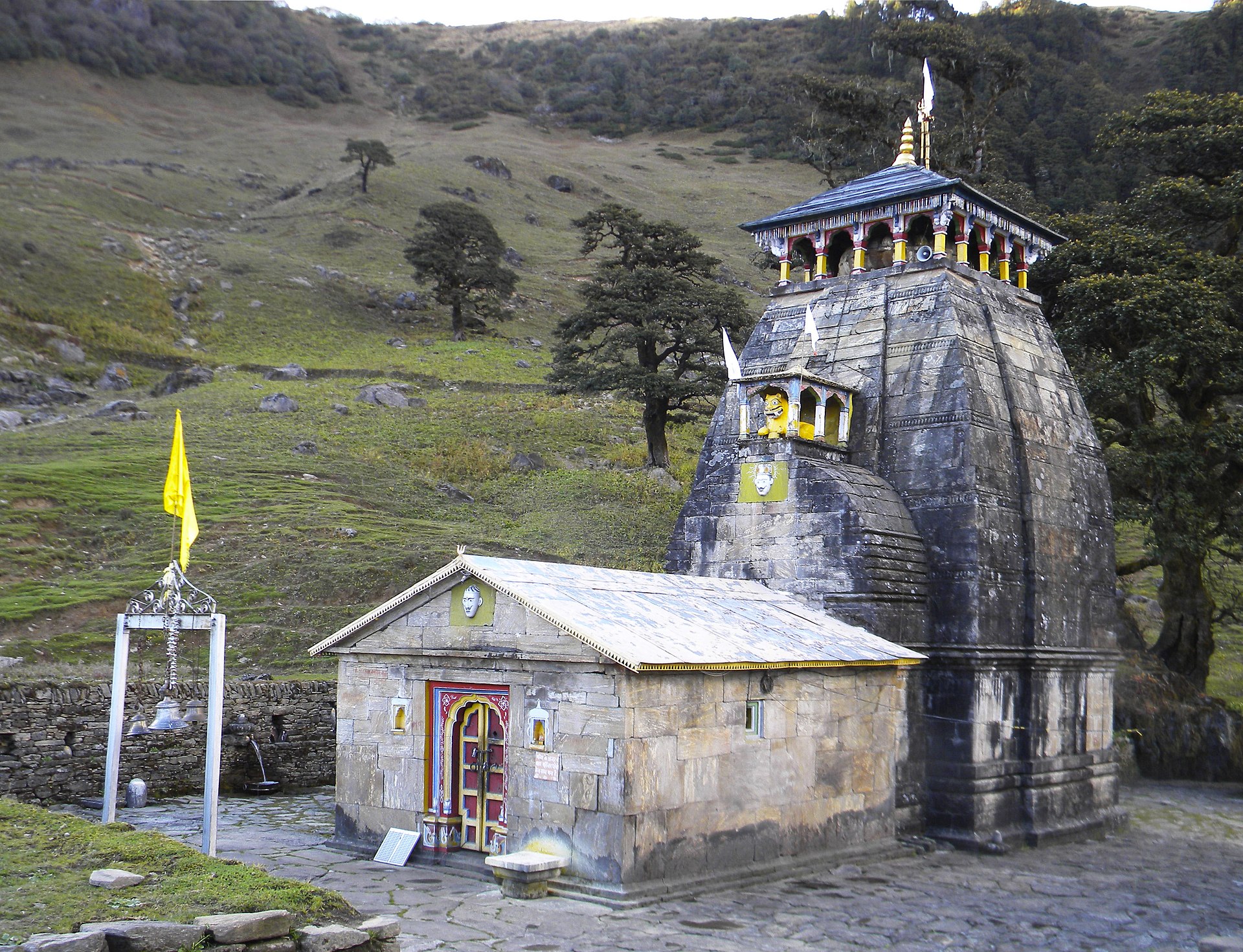
Madhyamaheshwar Temple
Madhyamaheshwar Temple is one of the five sacred Shiva shrines in the Panch Kedar pilgrimage circuit, located in the Garhwal Himalayas of Uttarakhand. Each temple in the circuit…