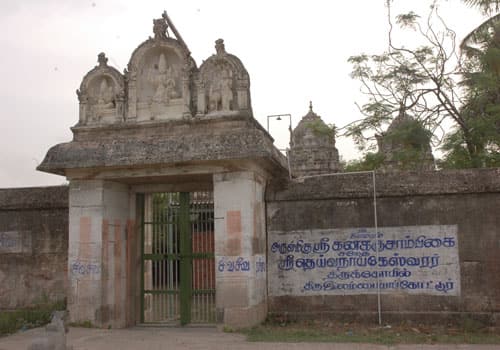
Deivanayaka Easwarar Temple
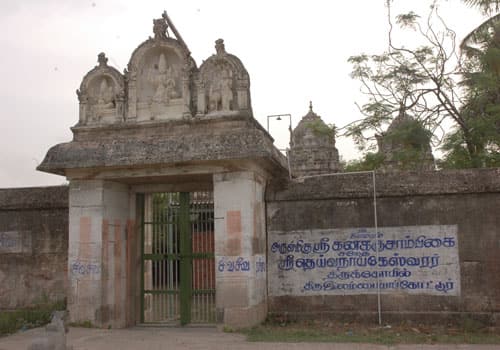
About Deivanayaka Easwarar Temple
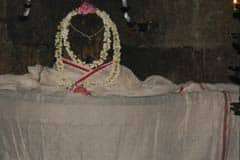
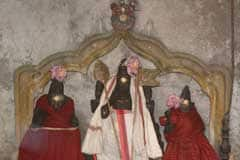
According to temple tradition, Lord Shiva once journeyed through this place, which was then a dense forest of jasmine trees. As He passed, Lord Vinayaka deliberately broke the axle of His chariot as a test of devotion. Lord Vishnu intervened to prevent the chariot from falling. The kondrai garland adorning Shiva's neck fell to the ground and became a self-manifested lingam at this spot.
The saint Tirugnana Sambandar, while travelling through the region, encountered Shiva in the form of an old man, who asked the saint to sing hymns in praise of the Lord present there. When the saint could not perceive the shrine, Shiva appeared again, this time as a cow, to guide him to the sacred place. Moved by this grace, Sambandar composed verses celebrating the temple, securing its place in the Tevaram canon as the thirteenth shrine in the Thondaimandalam region to receive such honour.
Daily Worship and Darshan
The temple opens for darshan from 6:00 a.m. to 12:00 p.m. in the morning and from 4:00 p.m. to 8:00 p.m. in the evening. Visitors are advised to contact the temple priests in advance to ensure proper darshan arrangements. Photography is not permitted within the temple premises.
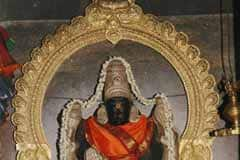
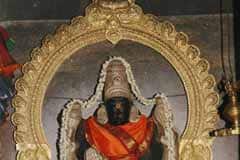
A distinctive daily practice at this temple is the performance of Cow Puja (Gopuja), honouring the bovine form through which Shiva once revealed Himself. The temple is noted for three principal attributes: the glory of the deity, the sanctity of the land, and the sacred waters. Rice is offered as nivedhana (temple food offering). The goddess faces south from her position on the Sri Chakra Peeta. Those who believe themselves affected by adverse planetary influences, particularly those of Jupiter, seek worship of Yoga Dakshinamurthy with ritual bathing and prayers.
Sacred Waters and Spiritual Significance
The temple's theertham (sacred water tank) is known as Mallika Pushkarini, named after the jasmine trees that once covered the landscape. According to temple belief, bathing in these waters is said to relieve the soul from the cycle of birth and death. The thala virutcham, or sacred tree, is the Mara Mallikai—the jasmine—connecting the temple's present form to its ancient forest setting.
The Mallika Pushkarini holds particular significance in another legend: the moon deity, Chandra, is said to have bathed in these waters and found relief from a curse inflicted by Daksha. This association links the temple to broader mythological narratives within the Shaiva tradition.
Festivals and Observances
The temple celebrates several festivals throughout the year. Maha Shivaratri, observed in February or March, is a major observance. Arudra Darshan, falling in December or January, and Tirukarthikai, in November or December, are also marked. Additionally, the temple observes Jupiter transit days (Guru Peyarchi) as occasions for special worship. These festivals draw devotees seeking blessings and spiritual renewal.
Visiting Information
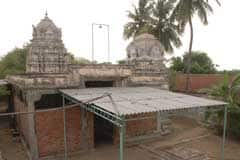
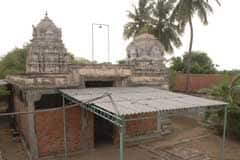
The best time to visit is between October and March, when the climate is more comfortable for pilgrimage. Weekday mornings are quieter than weekends and festival days, offering a more contemplative experience. The temple can be reached at Sri Deivanayaka Easwarar Temple, Tiru Ilambayankattoor, Kanchipuram district, Tamil Nadu. Contact numbers are available through local temple directories for advance inquiries about darshan and rituals.
Visitors should dress modestly, as is customary at Hindu temples. Remove footwear before entering the sanctum. It is respectful to observe silence in the inner shrine areas and to follow any instructions given by temple staff regarding the order of worship and movement through the temple.
How to reach
Temples near Deivanayaka Easwarar Temple

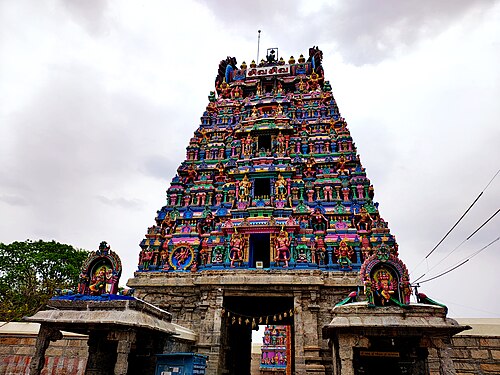
Jalantheeswarar Temple
Jalantheeswarar Temple in Thakkolam, Vellore district, is a 7th-century Shiva shrine revered in the Tevaram hymns and recognized as one of the 275 Paadal Petra Sthalams.
Sri Vadaranyeswarar Temple
Sri Vadaranyeswarar Temple in Thiruvalangadu is a 12th-century Chola-era shrine dedicated to Lord Shiva, recognized as one of the 275 Paadal Petra Sthalams and home to the sacre…

Adikesava Perumal temple, Sriperumpudur
Adikesava Perumal Temple in Sriperumbudur is a revered Vaishnavite shrine dedicated to Lord Vishnu, historically significant as the birthplace of Sri Ramanujacharya, the philoso…
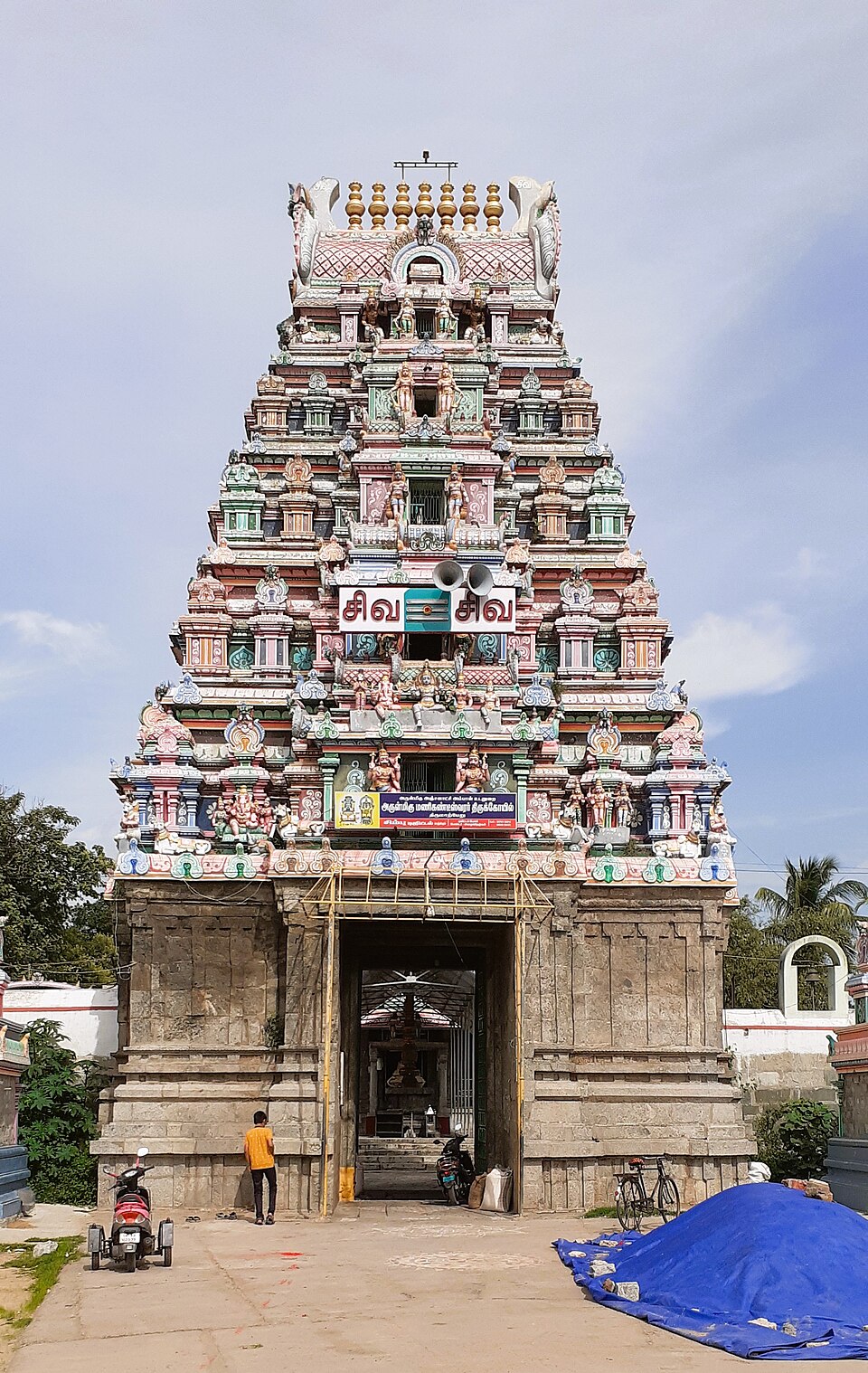
Thirumarperu
Thirumarperu, also known as Manikandeswarar Temple, is a 9th-century Dravidian-style shrine in Tirumalpur, Tamil Nadu, dedicated to Shiva as Manikandeswarar and Parvathi as Karu…
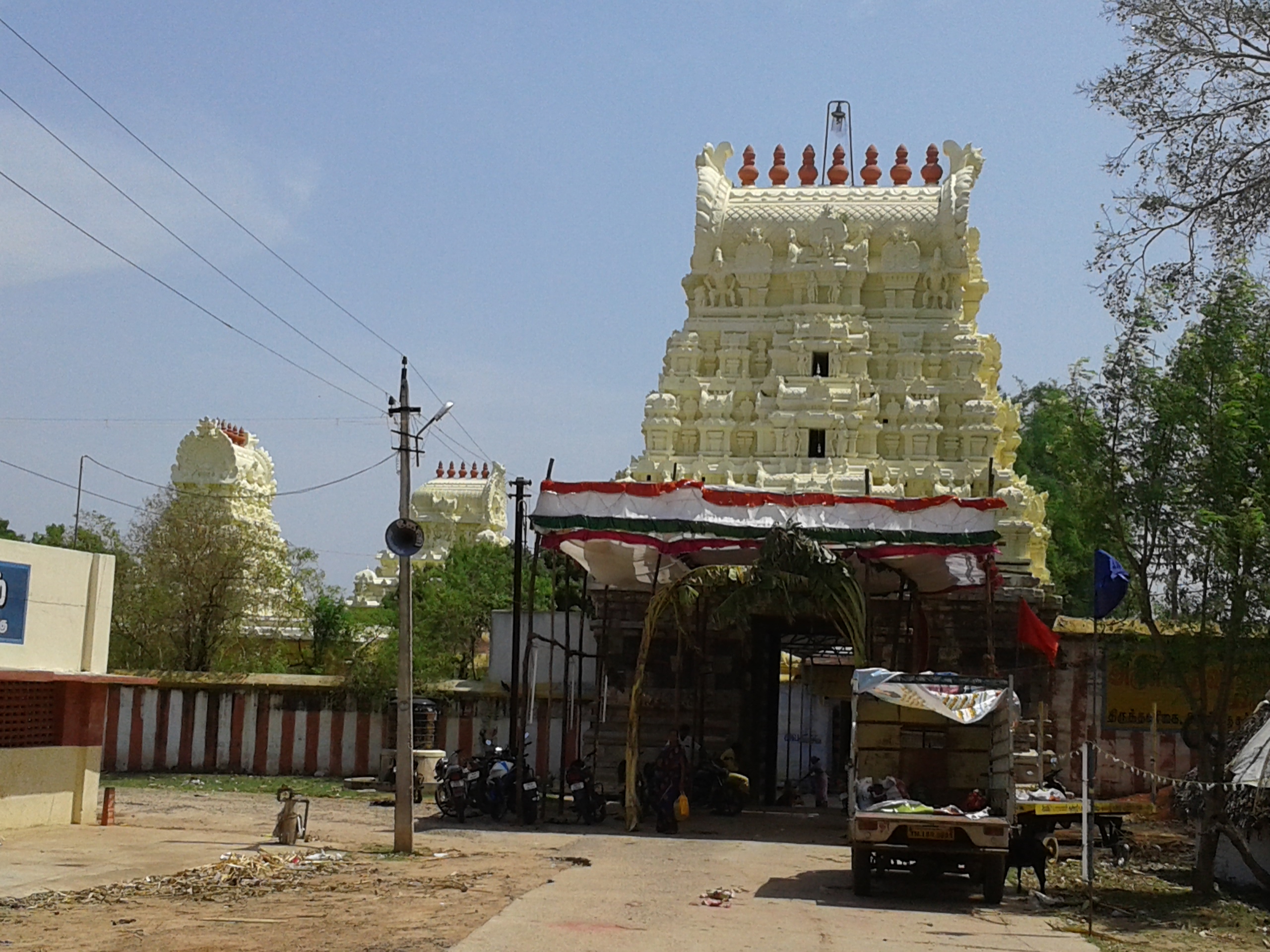
Vaseeswarar Temple
Vaseeswarar Temple is a 7th-century Hindu shrine dedicated to Shiva, located on the southern banks of Poondi reservoir in Thirupasoor village, Tiruvallur district, Tamil Nadu. T…

Veeraraghava Swamy Temple
Veeraraghava Swamy Temple in Tiruvallur is one of the 108 Divya Desams dedicated to Vishnu, where the deity reclines on Adisesha in the Tamil architectural style and is revered…