Dakshineswar Kali
About Dakshineswar Kali
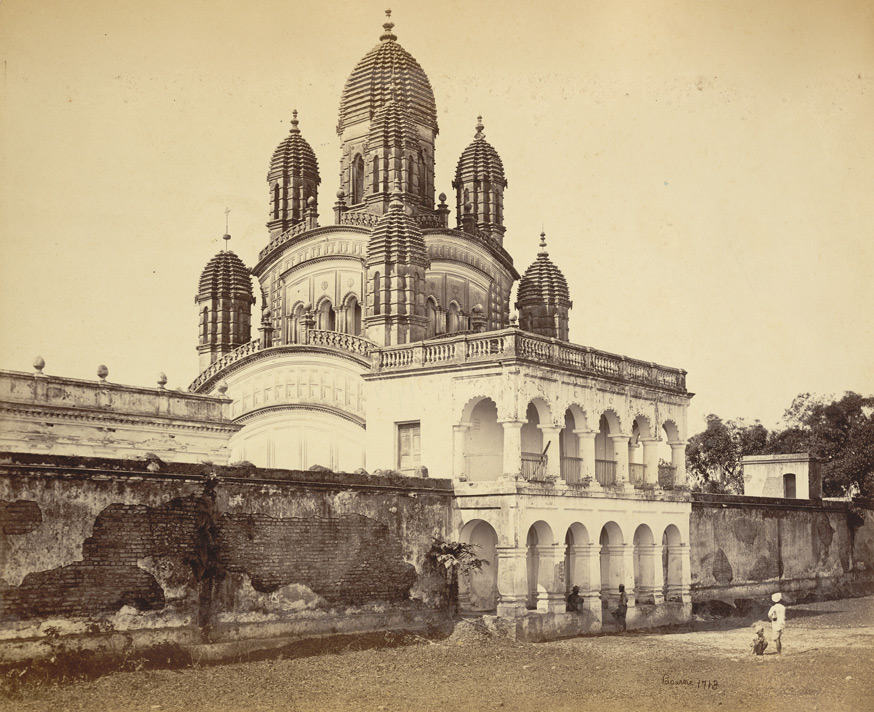
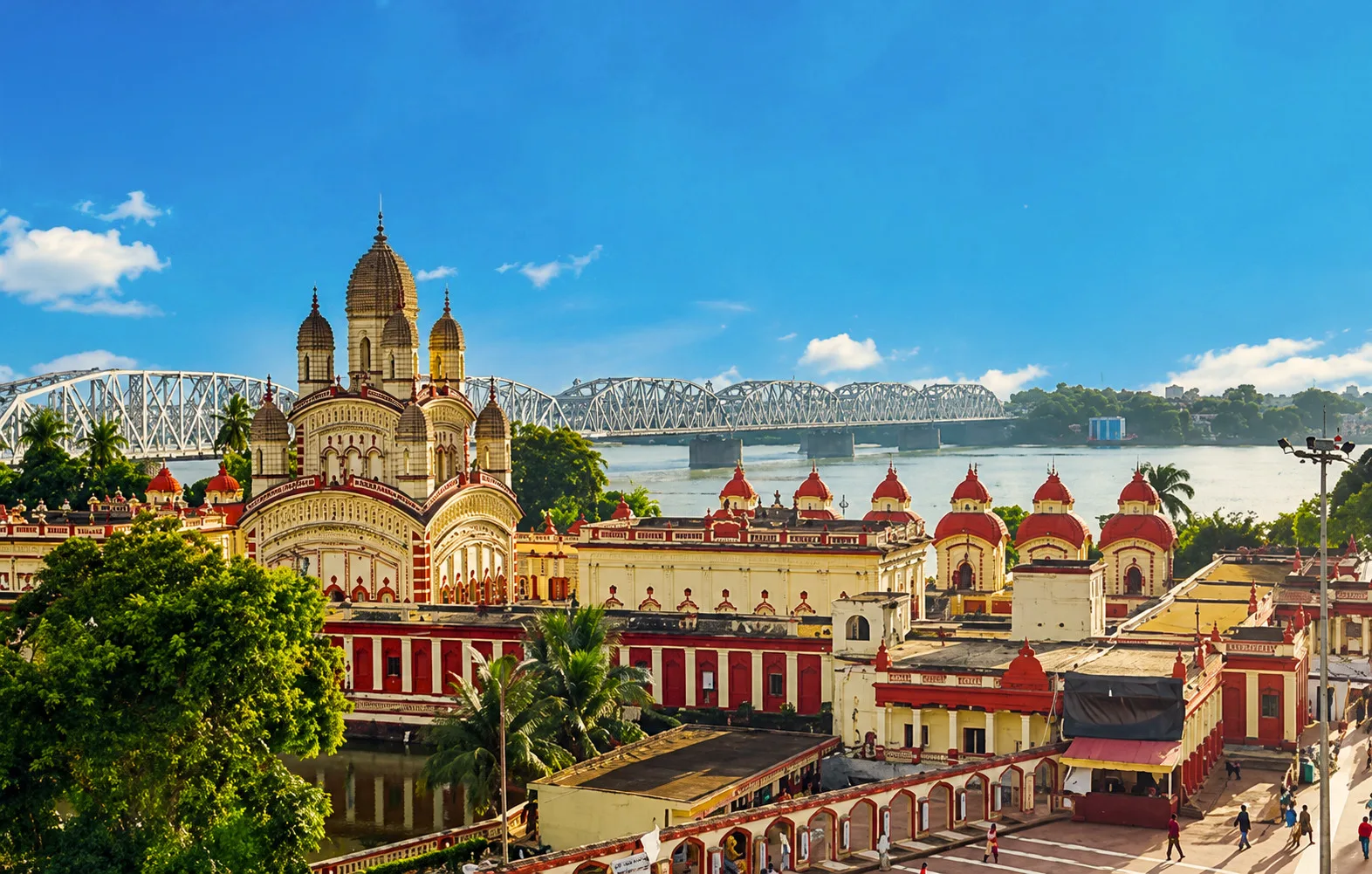
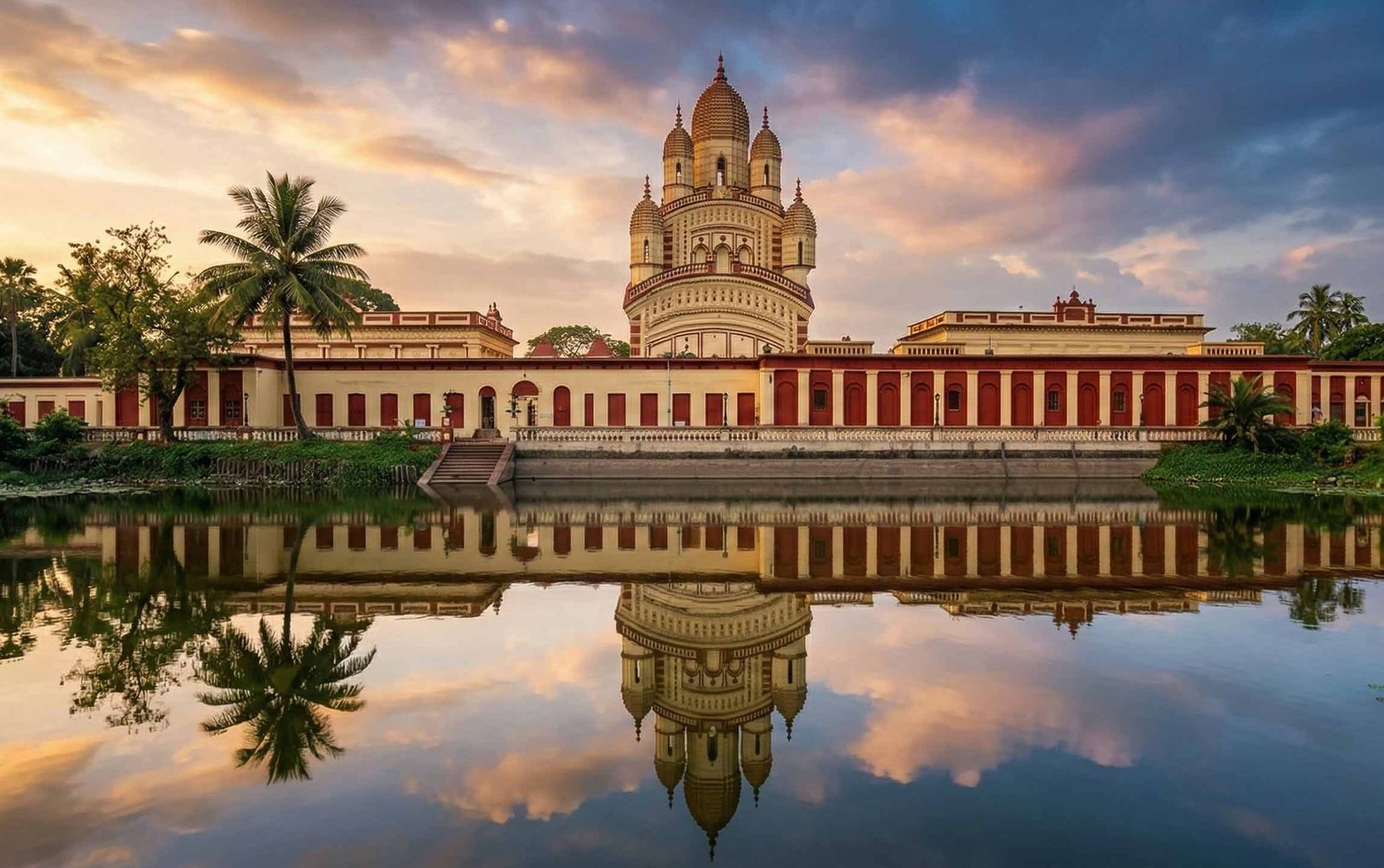
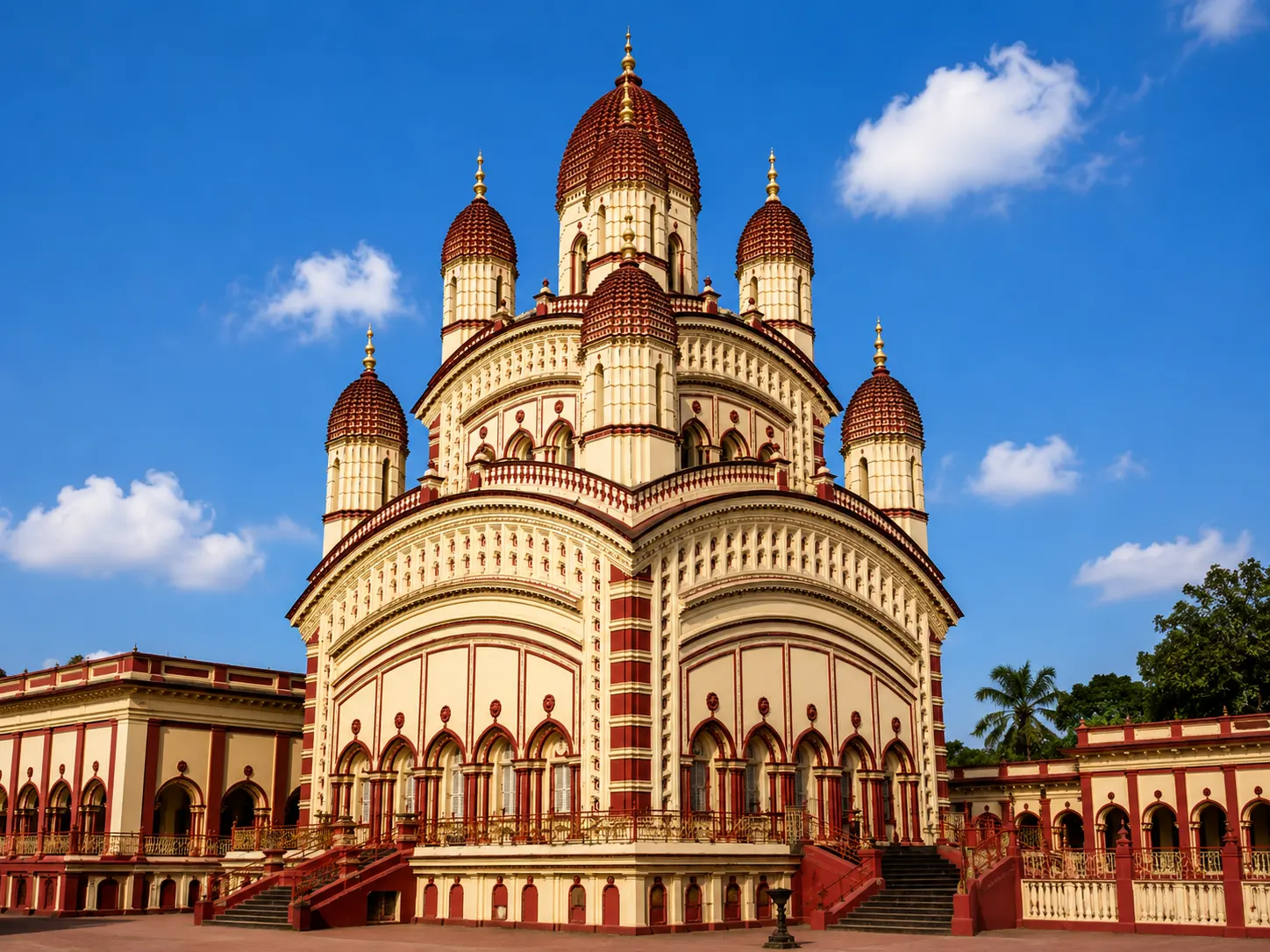
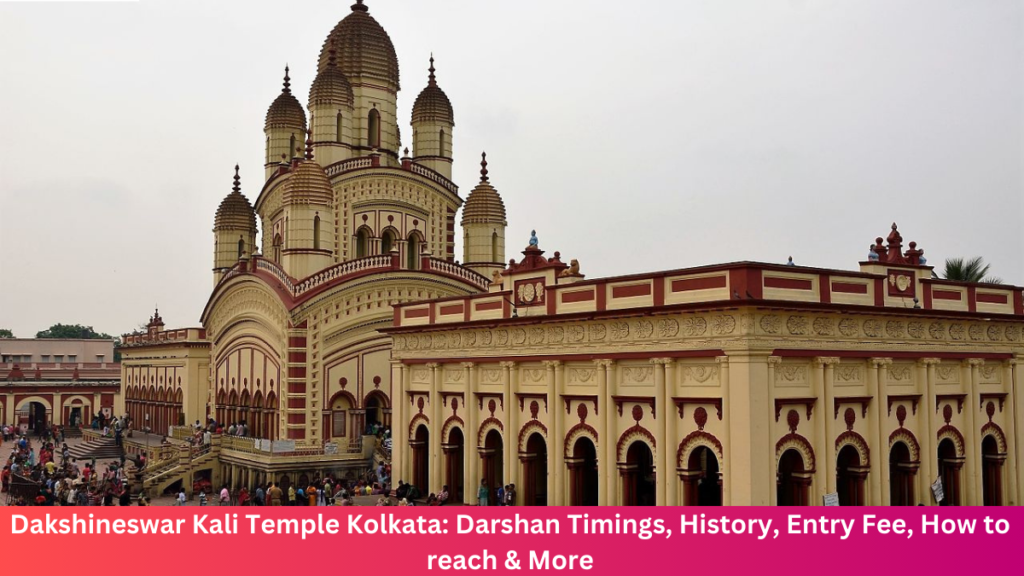
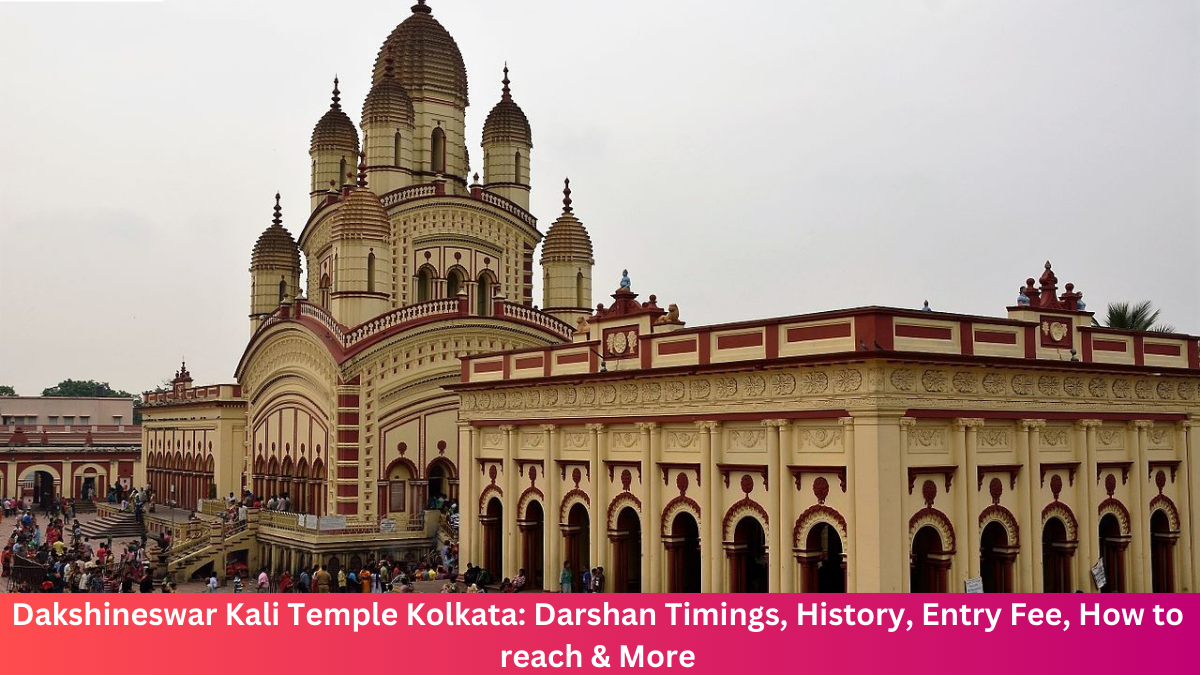
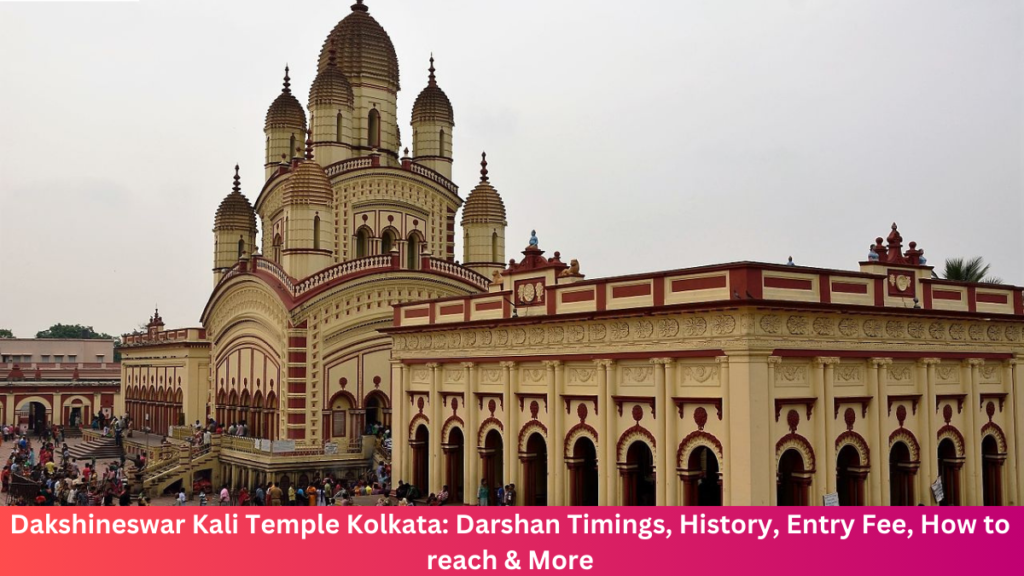
The temple exemplifies the navaratna architectural style, a classical form that features nine towers arranged in a distinctive pattern. This design reflects the artistic and cultural heritage of Bengal, creating a structure that commands attention from the river and surrounding landscape. The architectural approach integrates traditional Hindu temple principles with regional Bengali aesthetics, making the building itself an expression of devotion.
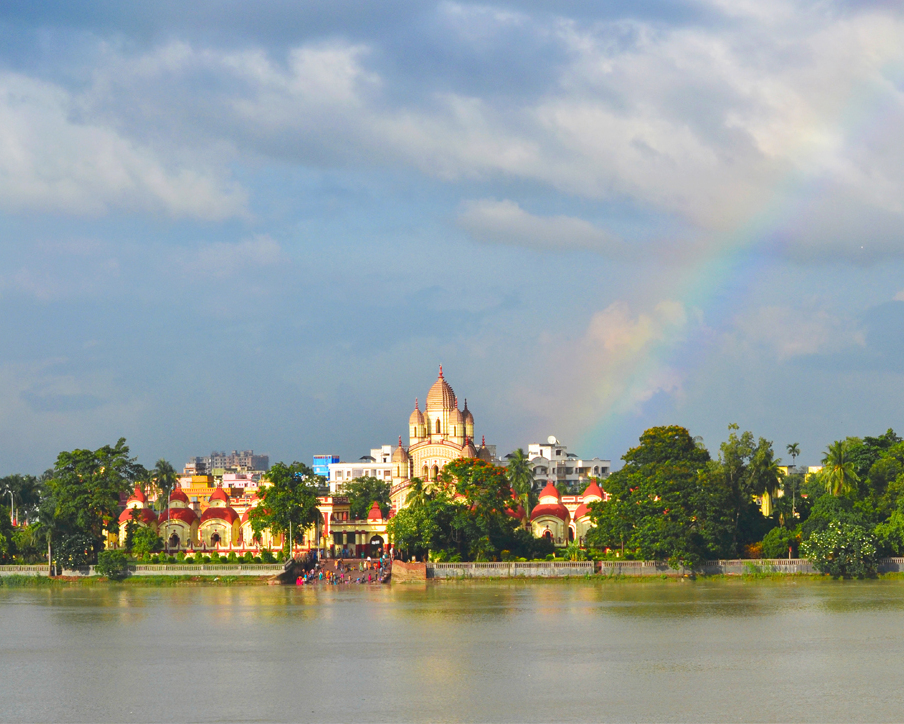
The riverside location adds to the temple's character, offering visitors views across the Hooghly while they move through the sacred spaces. The navaratna configuration is not merely decorative but carries symbolic weight within Hindu temple architecture, representing cosmic and spiritual principles central to worship.
Daily Darshan and Worship
The temple opens at 5:30 AM throughout the year, remaining accessible until 11:00 PM during both summer and winter months. This extended schedule allows devotees to visit according to their own rhythms and circumstances. There is no entry fee to visit the temple, making it accessible to all who wish to pay their respects.
Visitors typically spend between one and two hours at the temple to experience the spiritual environment fully. Decent clothing is expected of all who enter, a standard practice at Hindu temples that reflects respect for the sacred space and the deity worshipped. The temple functions as an active place of worship daily, with rituals and ceremonies forming the rhythm of temple life.
Festivals and Sacred Observances
Dakshineswar observes major festivals with particular reverence. Navaratri, the nine-night festival honouring the Goddess in her various forms, draws significant numbers of devotees. Kali Puja, celebrated during Diwali, represents another occasion of heightened worship and ritual activity. The Kalpataru Festival also features among the temple's important observances, each bringing its own character and spiritual focus to the sacred space.
The winter months, particularly October through March, are considered the best time to visit. During this season, the climate is more comfortable for pilgrimage, and the festivals aligned with this period create an atmosphere of heightened devotional energy.
Visiting the Temple: Practical Information
Dakshineswar Kali Temple maintains consistent hours year-round: 5:30 AM to 11:00 PM. No entry fee is charged, though visitors are welcome to make offerings according to their means and inclination. Modest dress is required—this means covering shoulders and knees, a basic courtesy observed across Hindu temples.
The temple's location on the Hooghly River's eastern bank in Dakshineswar, Kolkata, places it within reach of the city's transport networks. Visitors should plan for one to two hours to move through the temple spaces and complete their darshan without rushing. The spiritual atmosphere benefits from an unhurried approach, allowing time to absorb the environment and engage with the practice of worship.
Approaching the Goddess
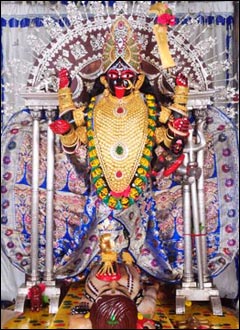
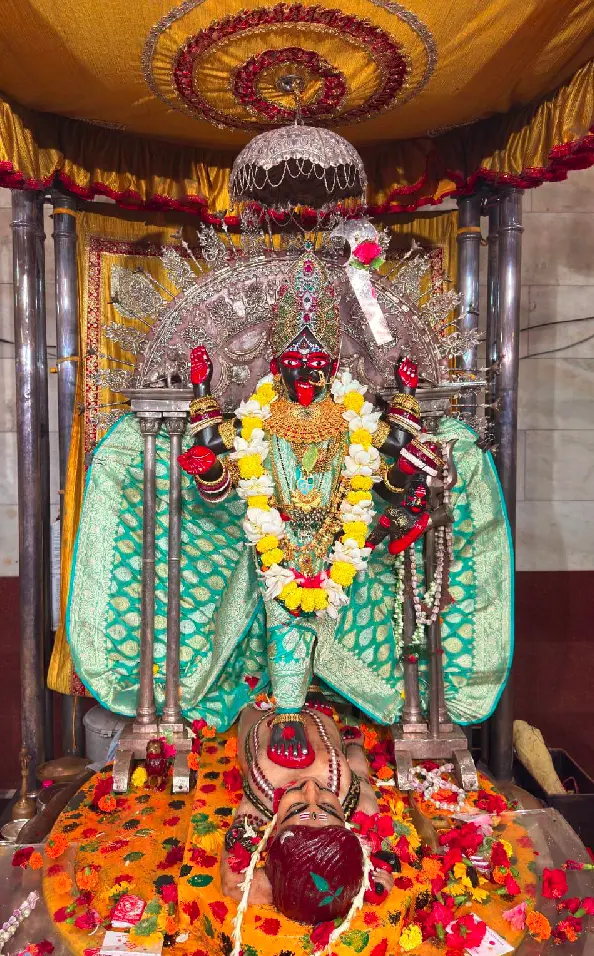
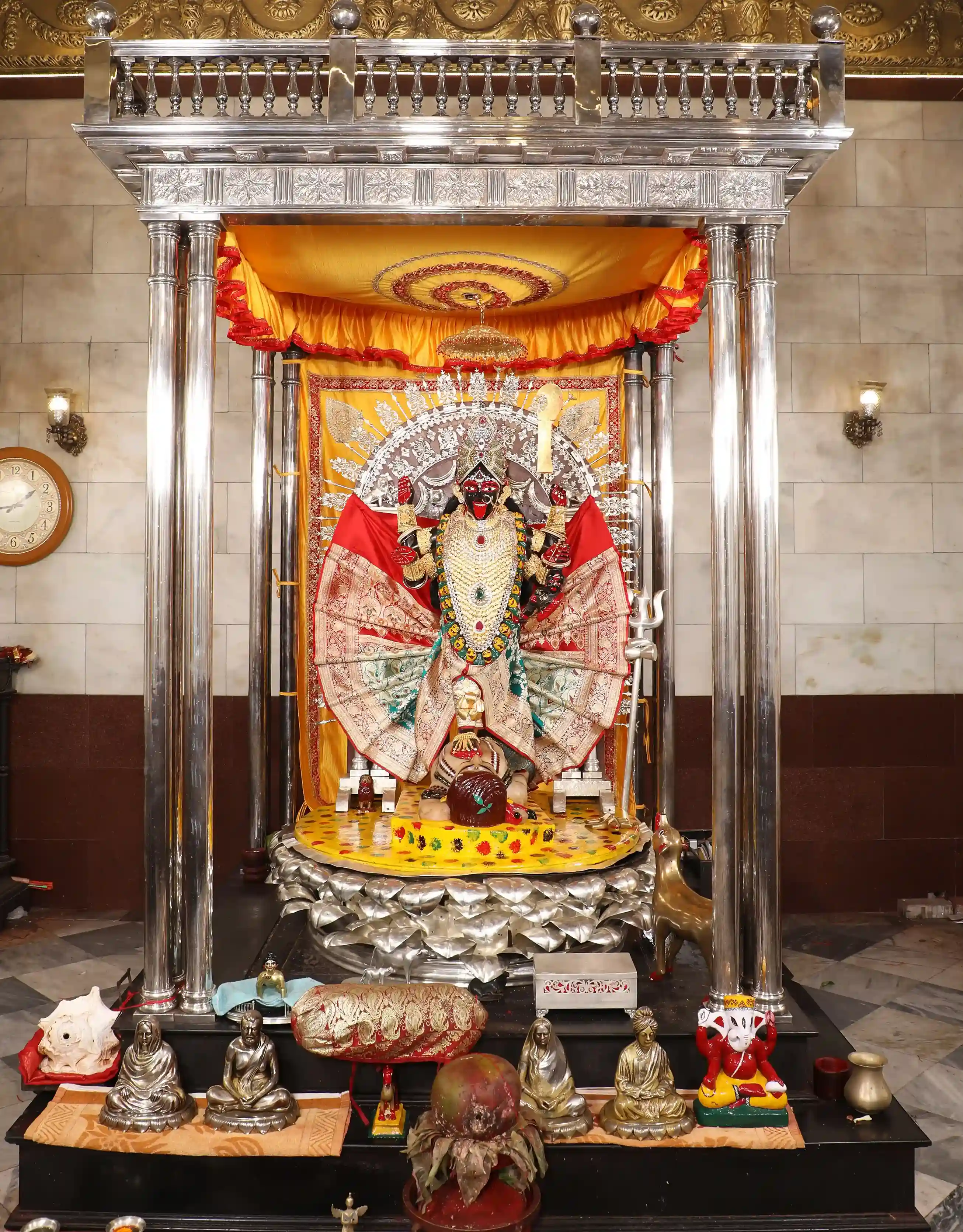
Visitors to Kali temples typically approach the deity with awareness that this form of the Goddess represents both fierce protection and ultimate liberation. Kali's iconography—often depicting her in dynamic, powerful poses—reflects her role as a force that destroys ignorance and ego. Devotional practice here emphasizes sincere intention and respectful conduct rather than elaborate ritual knowledge.
Those unfamiliar with temple customs should observe how other devotees move through the space, offer flowers or other permitted items if desired, and maintain a quiet, meditative demeanor. The temple community welcomes genuine seekers regardless of background, though visitors should approach the sacred space with the reverence it commands.
How to reach

Temples near Dakshineswar Kali
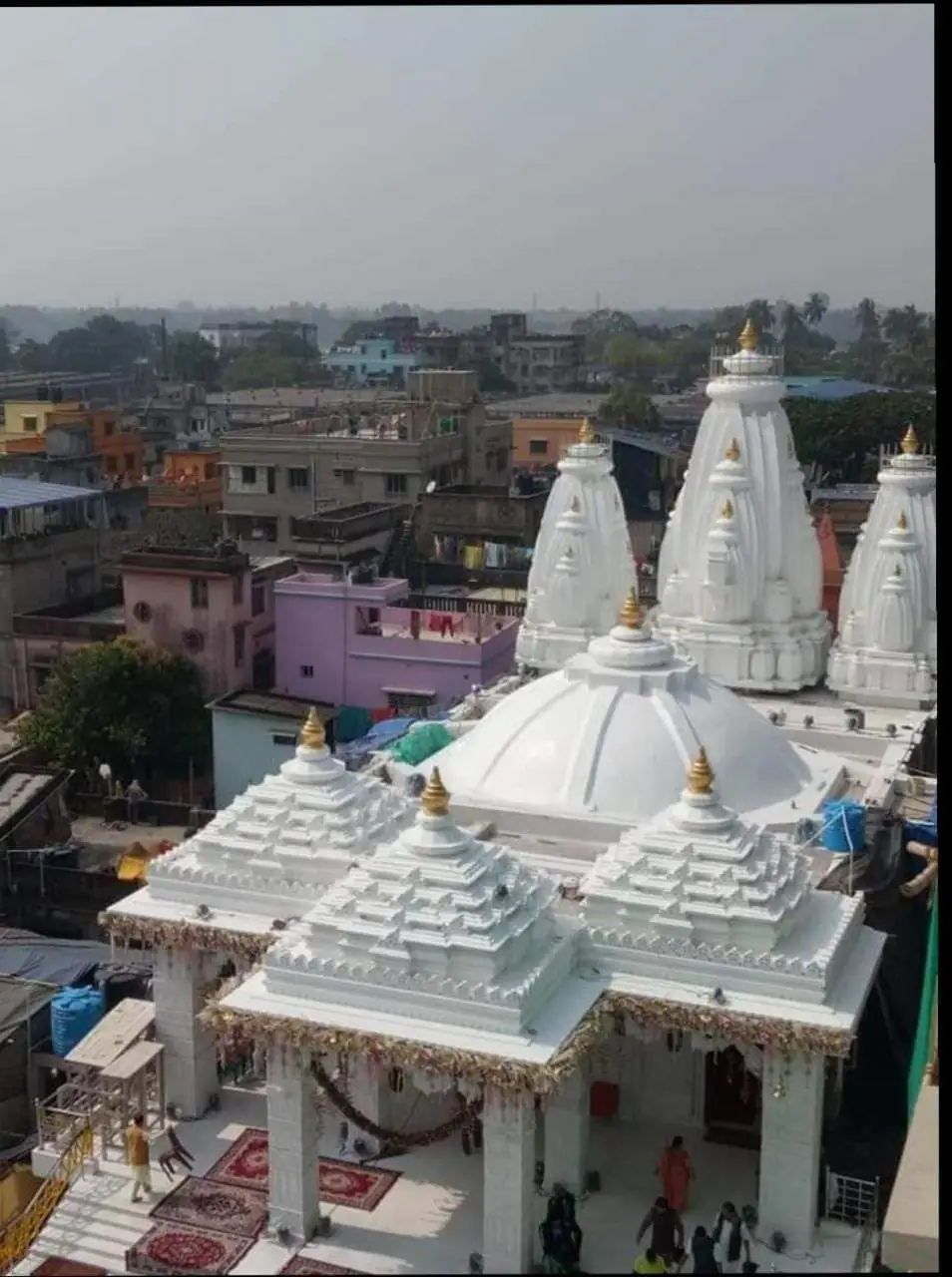
Shree Shyam Mandir Alambazar
Shree Shyam Mandir Alambazar, located in North Kolkata, is a temple dedicated to Khatu Shyam (Baba Shyam), known as the ultimate support of the helpless. Established in 2020, it…
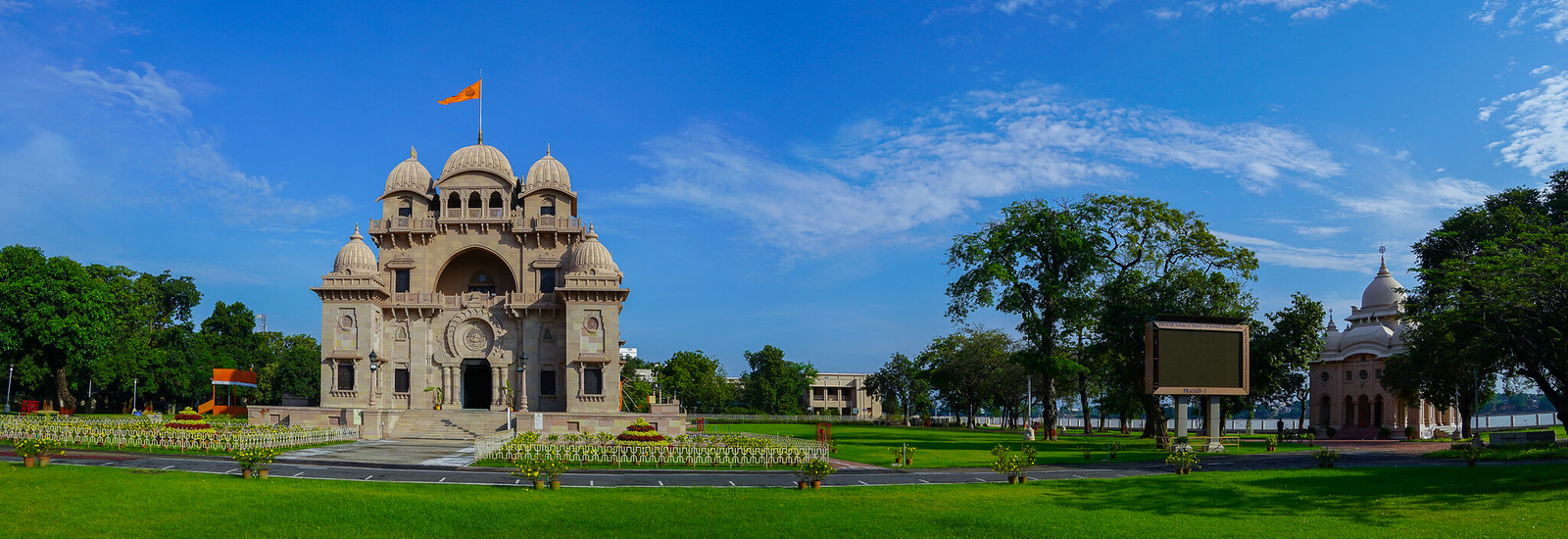
Belur Math
Belur Math serves as the headquarters of the Ramakrishna Math and Ramakrishna Mission, established by Swami Vivekananda in 1898. The temple is renowned for its distinctive archi…
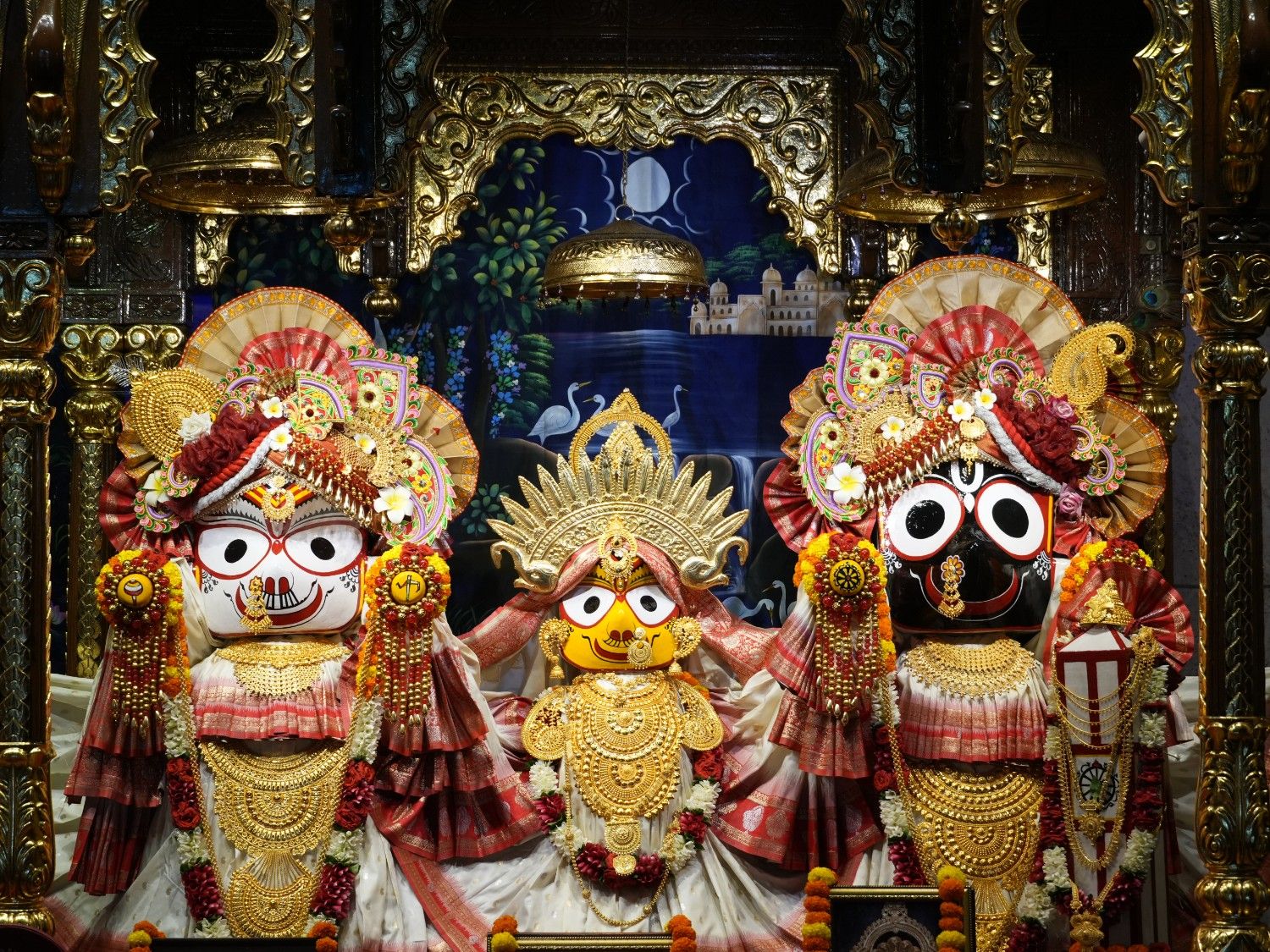
Lichubagan Radha Krishna Temple
Lichubagan Radha Krishna Temple in Kolkata is an ISKCON center dedicated to Sri Radha Krishna worship, established in 1970 and located in the Minto Park area near Birla High Sch…
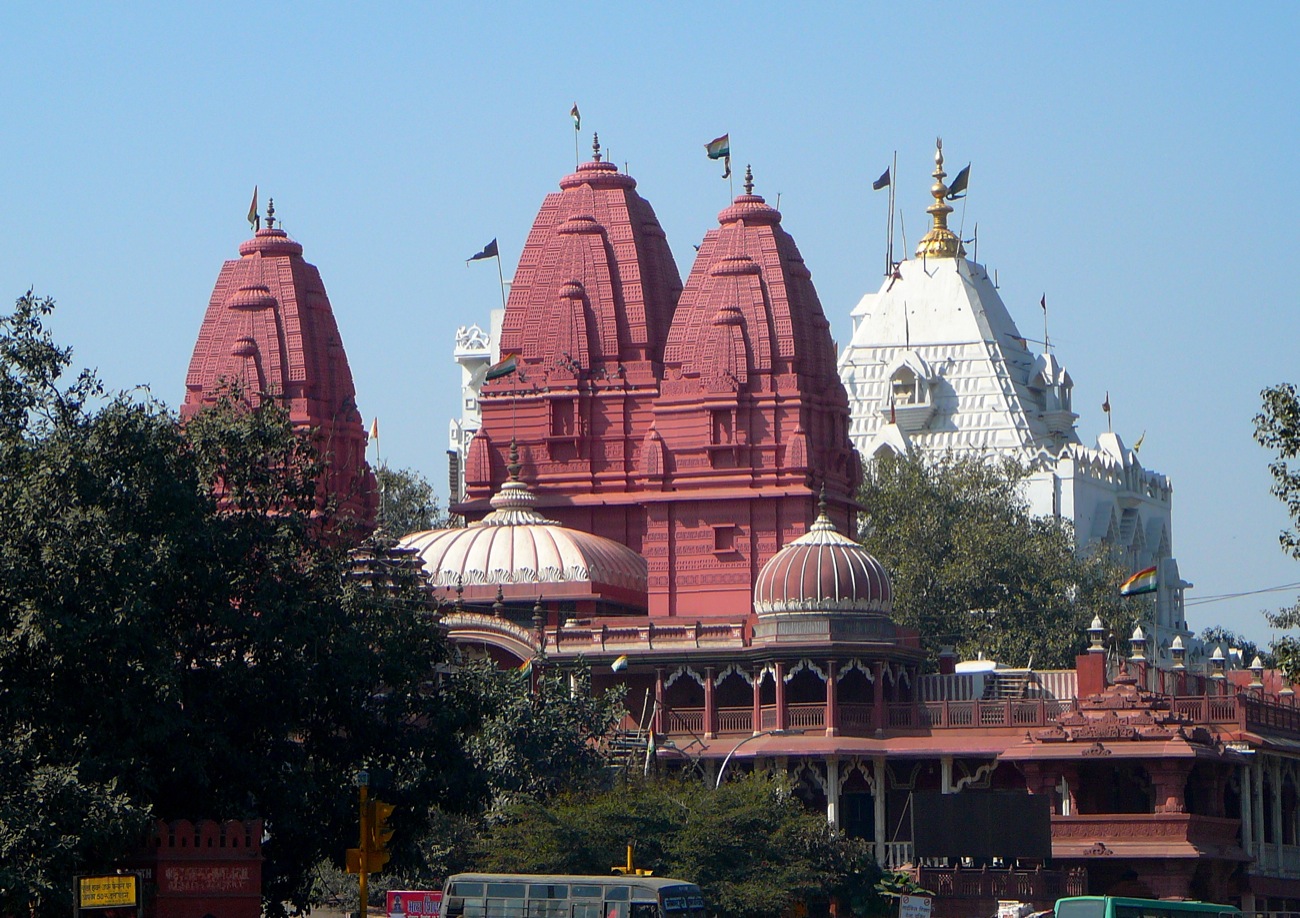
Lal Mandir
Lal Mandir is a prominent Hindu temple located in the Shobhabazar area of Kolkata, West Bengal, known for its beautiful red architecture and regular worship by devotees from acr…
Thanthania Kalibari
Thanthania Kalibari is an ancient Bengali-style temple in North Kolkata dedicated to Goddess Siddheswari, a fierce form of Goddess Kali, serving as a center for tantric spiritua…

Ram Mondir
Ram Mondir in Kolkata is a newly established temple dedicated to Lord Ram, offering daily darshan and evening aarti services to devotees throughout the city.