Dah Parvatiya
About Dah Parvatiya
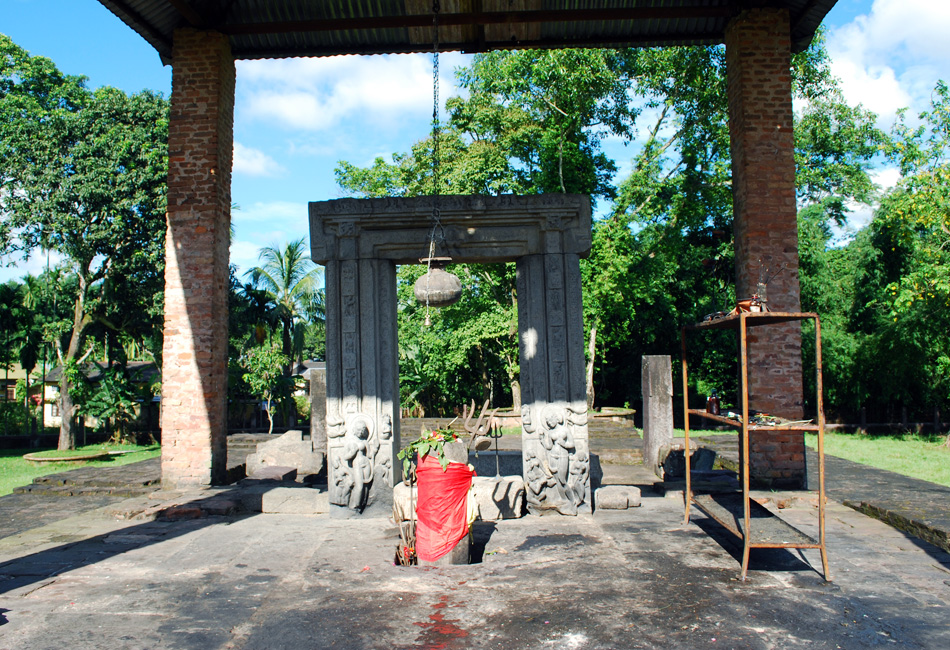
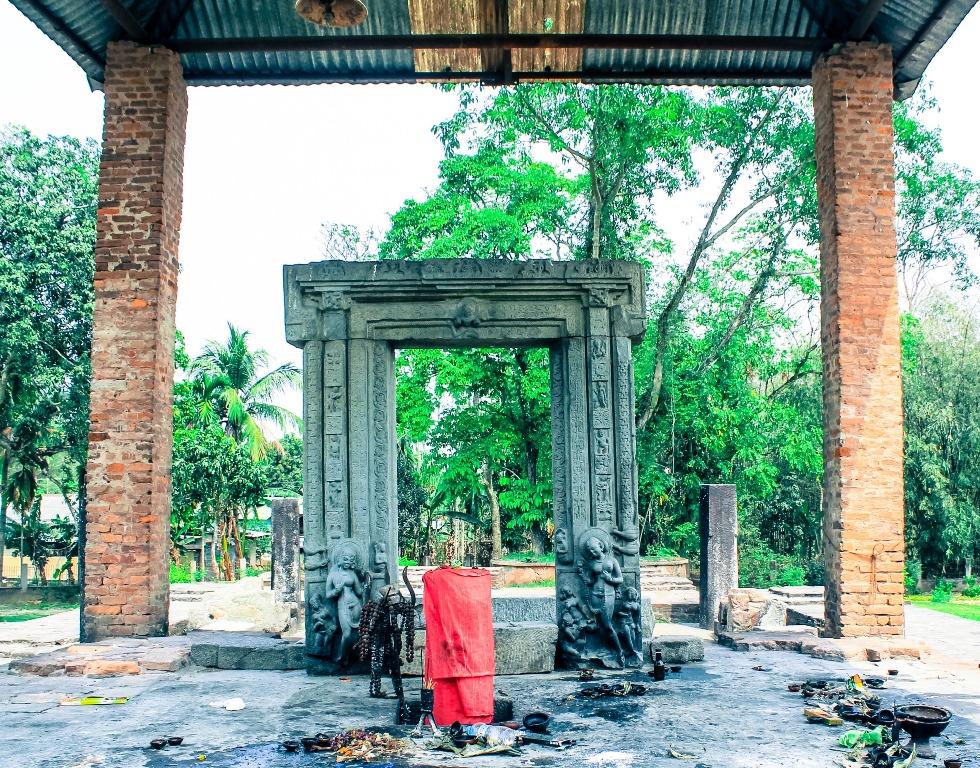
The temple's history is written in its very stones. Beneath the visible remains lie the foundations of an earlier Shiva temple constructed during the Ahom period, when brick was the primary building material. Over time, a new stone temple was built atop these earlier ruins, creating a palimpsest of religious devotion spanning centuries. This pattern of rebuilding reflects both the continuity of worship at the site and the changing architectural practices and available resources of successive periods.
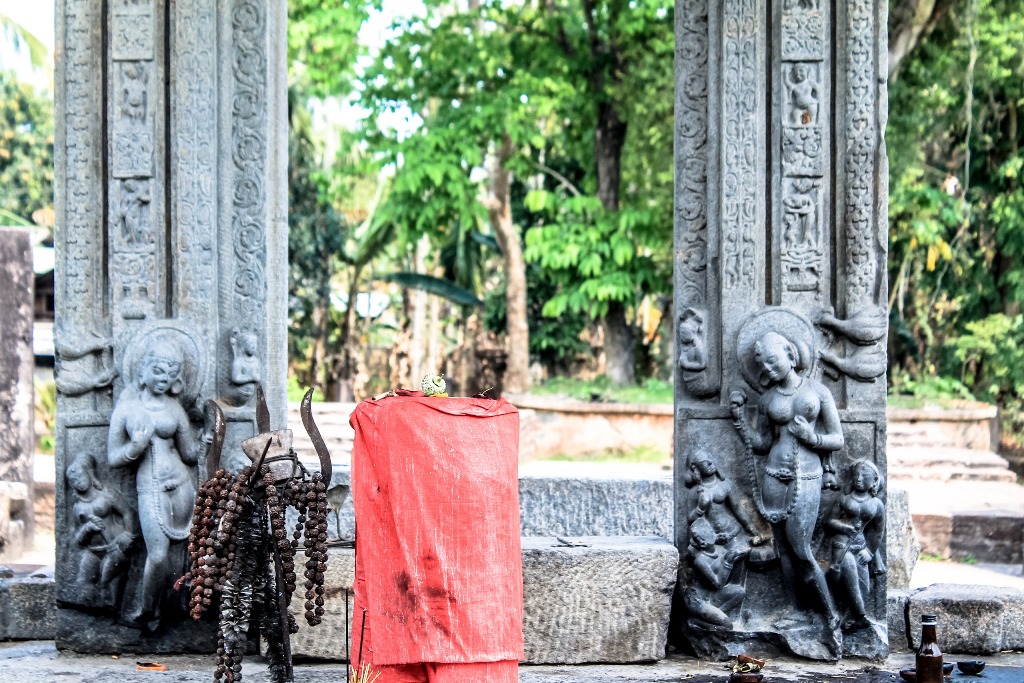
The 6th-century stone construction represents the Gupta period's influence on temple architecture in the region, a time when Hindu temple building reached new heights of sophistication across India. The carved doorjambs and lintel that survive from this era demonstrate the decorative vocabulary and structural knowledge of craftsmen working in stone during this formative period of Indian temple architecture.
The Temple's Sacred Character
The temple is dedicated to Shiva, one of the principal deities of Hinduism, worshipped in his manifestation as the supreme lord. Shiva temples typically serve as centers for meditation and ritual worship, with the deity represented in the inner sanctum. The presence of Vishnu alongside Shiva at this site reflects a syncretic tradition where multiple aspects of the divine are honored within a single sacred space—a practice not uncommon in Hindu temples across India.
For devotees visiting Dah Parvatiya, the temple offers a place of spiritual significance rooted in centuries of continuous worship. The antiquity of the site itself adds to its sanctity, as ancient temples are often regarded as particularly powerful places of divine presence.
Visiting Information and Practical Details
The temple is open daily from 6:00 AM to 9:00 PM, allowing visitors flexibility in timing their visit. The site welcomes visitors throughout the year, with no particular season being restricted. When visiting a Shiva temple, modest dress is customary—clothing that covers shoulders and knees shows respect for the sacred space. Visitors should remove footwear before entering the inner sanctum, as is standard practice in Hindu temples.
The archaeological significance of Dah Parvatiya means that visitors may encounter both active worship and the physical remains of ancient structures. The carved stone elements, particularly the door frame from the 6th century, are important historical artifacts that should be treated with care and respect.
Reaching Dah Parvatiya
The temple is located in Dah Parvatiya village, west of Tezpur in Sonitpur district, Assam. Tezpur is well connected by road and rail to other parts of Assam and northeastern India. From Tezpur town, the village is accessible by local transport. Visitors planning to reach the site should inquire locally for current directions and transport options, as facilities in smaller villages can vary.
A Living Monument to Ancient Faith
Dah Parvatiya represents more than an archaeological curiosity—it is an active place of worship where the ancient and the contemporary intersect. The temple's survival through centuries of change, its rebuilding and adaptation, and its continued use by devotees testify to the enduring power of sacred spaces in Hindu tradition. For those interested in Assam's religious heritage, early medieval Indian architecture, or the history of Shiva worship in the region, this temple offers both spiritual significance and historical depth.
How to reach
You may also visit
Sureshwari Devi Temple
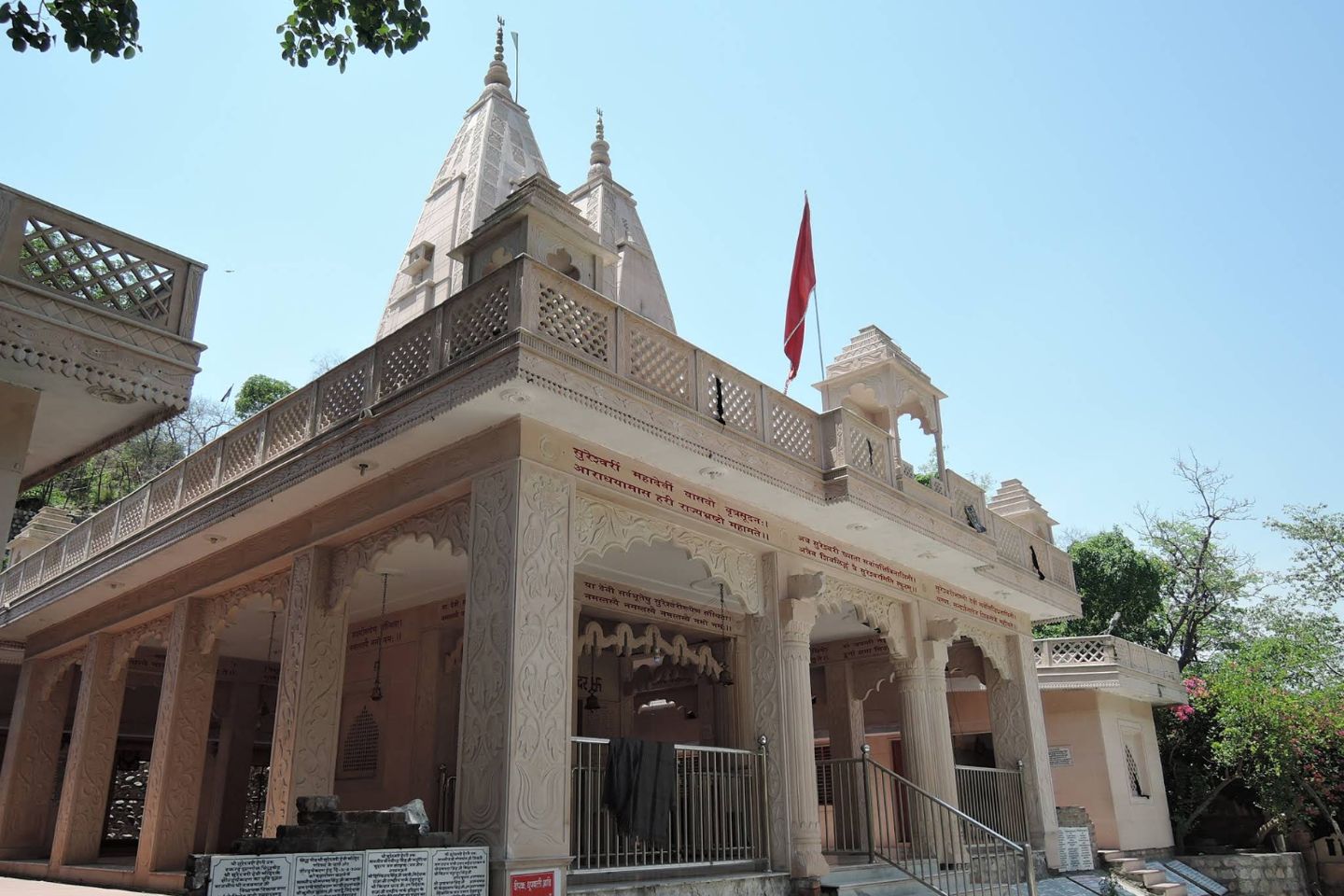
Sureshwari Devi Temple in Haridwar is a forest shrine dedicated to the goddess, situated within the Ranipur Range area near Rajaji National Park, offering a secluded spiritual e…
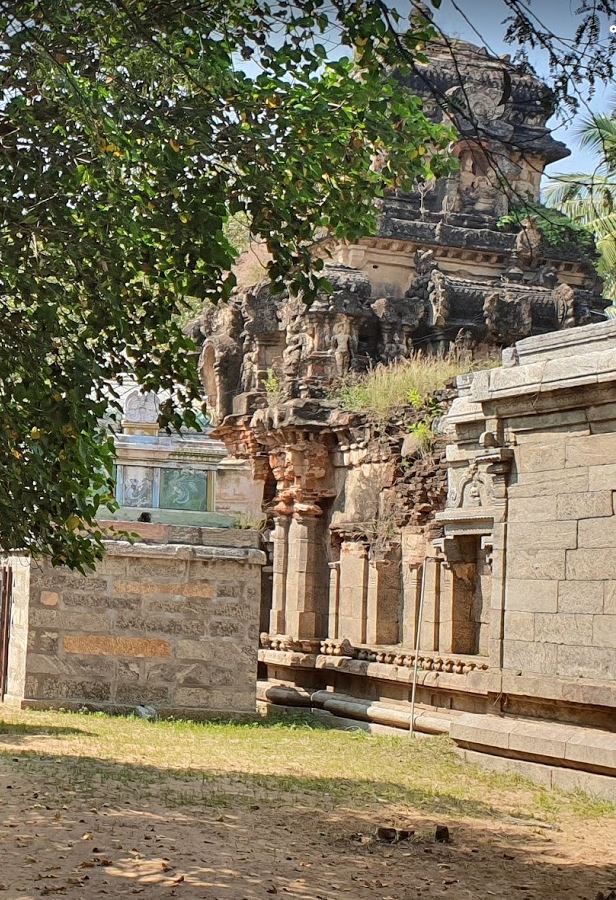
Agatheeswarar Temple, Karur
Agatheeswarar Temple in Thirumukkudalur, Karur district, is an ancient Hindu shrine dedicated to Shiva, situated at the sacred confluence of three rivers and believed to be over…

Shani Shingnapur
Shani Shingnapur is a renowned temple in Maharashtra dedicated to Lord Shani, featuring a self-emerged black stone idol worshipped under open sky. The temple is located in a uni…
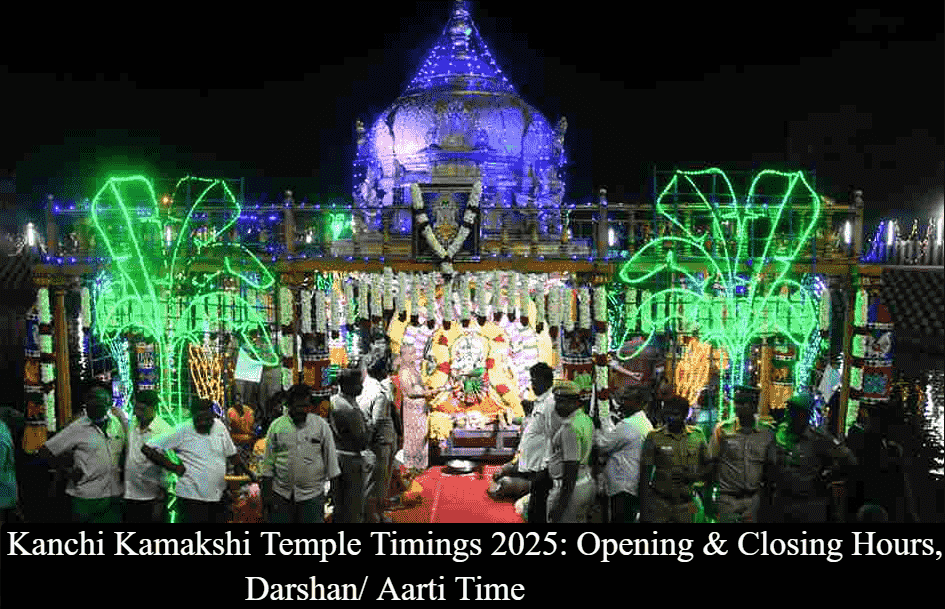
Kamaksha
Arulmigu Kamakshi Amman Temple in Mangadu, near Chennai, is dedicated to the goddess Kamakshi, an aspect of Adi Parashakti. According to legend, the goddess performed austeritie…
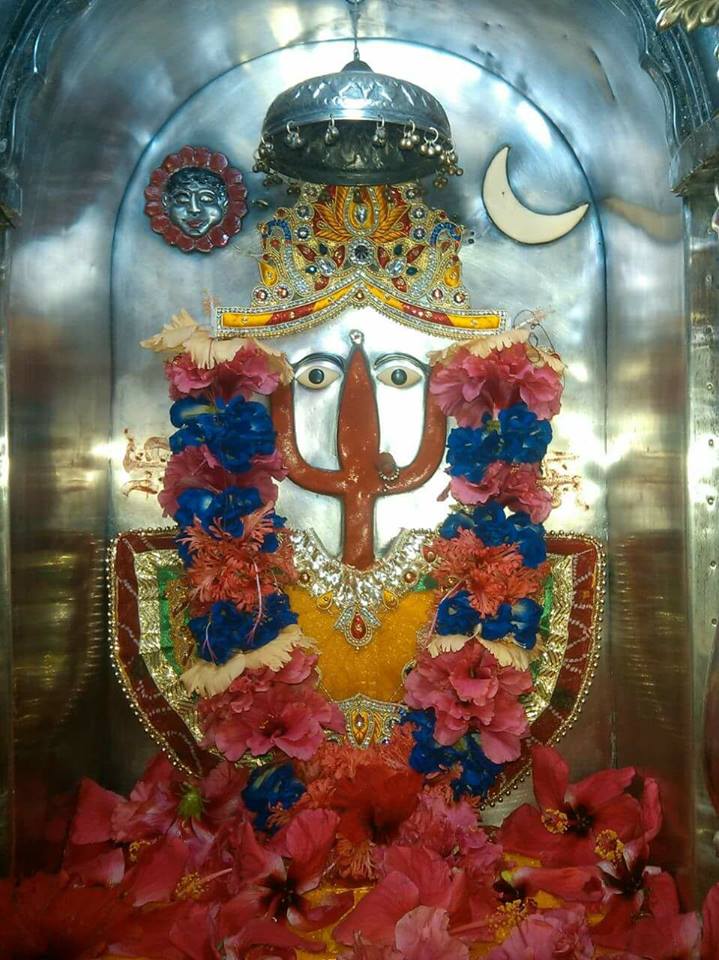
Guhaditya temple
Guhaditya temple in Dwarka is an ancient shrine dedicated to the sun deity, established over 150 years ago. Pilgrims enter through the Swarg Dwar (Gateway to Heaven) and exit vi…
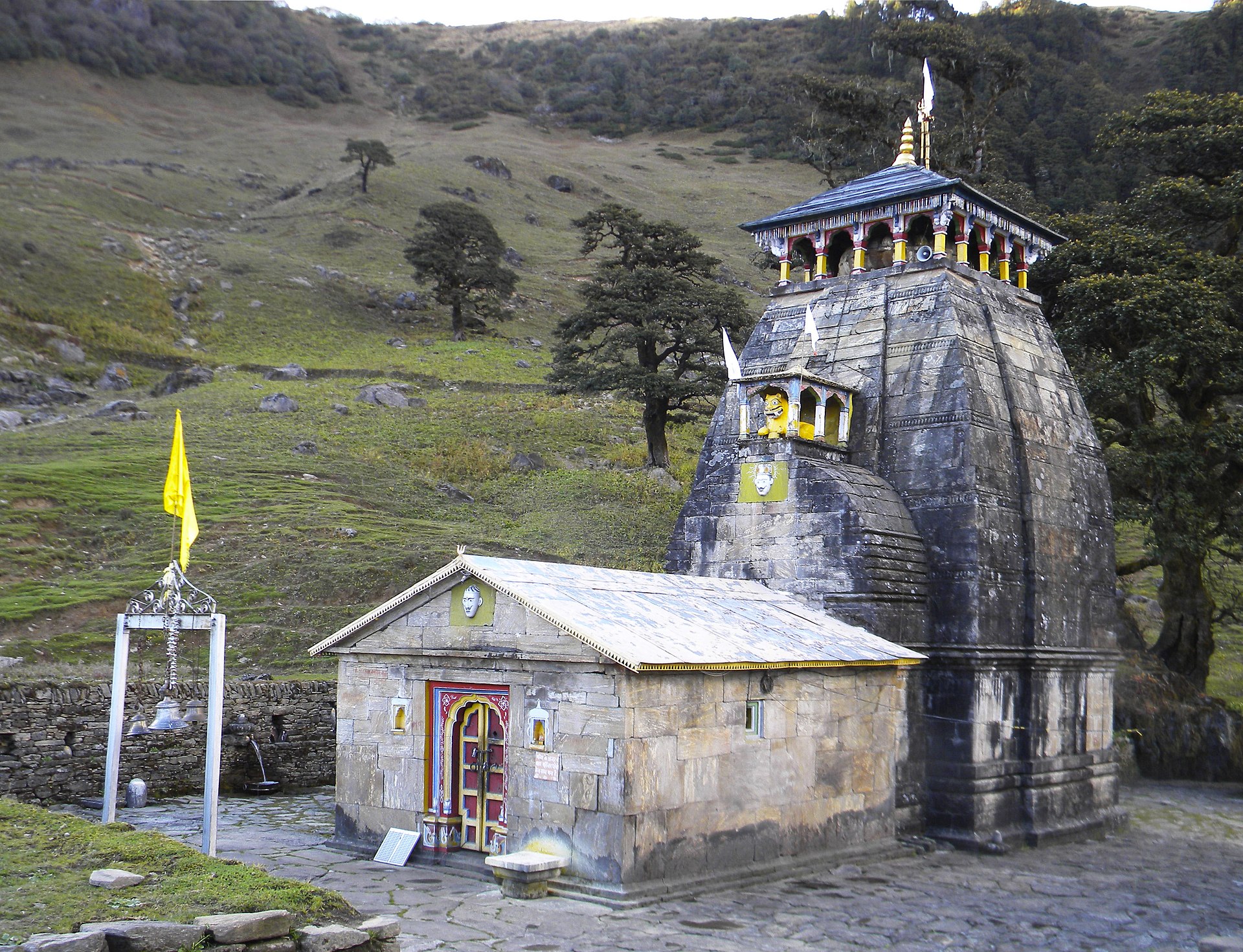
Madhyamaheshwar Temple
Madhyamaheshwar Temple is one of the five sacred Shiva shrines in the Panch Kedar pilgrimage circuit, located in the Garhwal Himalayas of Uttarakhand. Each temple in the circuit…