Chaurasi Khamba Mosque
About Chaurasi Khamba Mosque
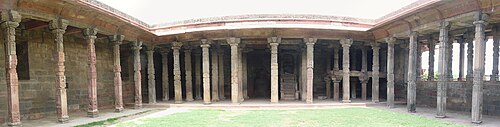
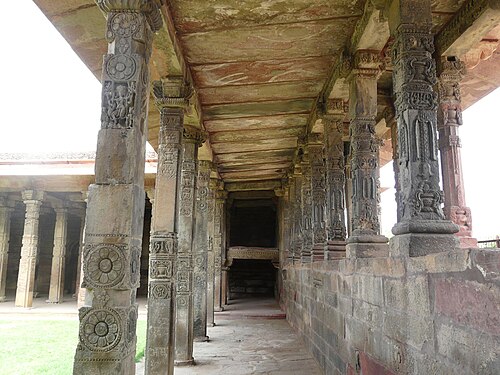
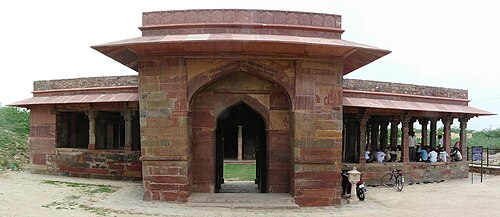
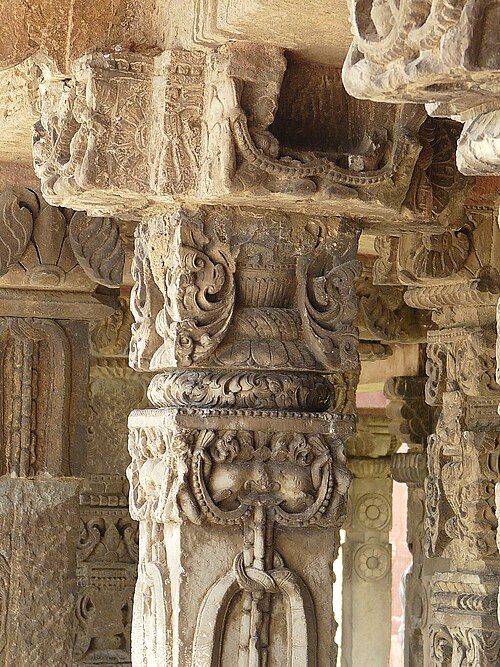
The temple is constructed from red sandstone, its pillars intricately etched with scenes from Krishna's Bal Leela—his childhood pastimes. This architectural approach transforms the building itself into a visual narrative, allowing visitors to read the stories of Krishna's youth through carved detail. The current structure reflects centuries of continuity, having endured through periods of historical upheaval while maintaining its essential character and spiritual purpose.
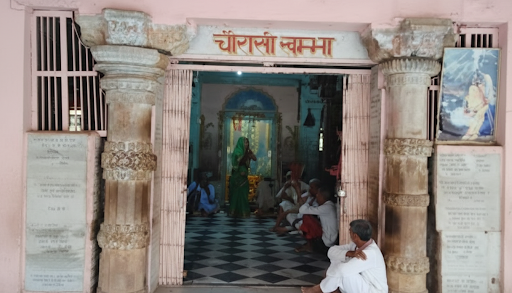
The 84 pillars are the temple's defining feature, each contributing to both the structural integrity and symbolic meaning of the complex. Their arrangement and ornamentation represent a deliberate fusion of practical architecture and devotional expression, creating a space where form and faith are inseparable.
Daily Worship and Darshan
The temple opens for darshan at 6:00 AM and remains accessible until 6:00 PM. Two formal aartis (ritual worship ceremonies) structure the day: the morning aarti begins at 7:00 AM, and the evening aarti takes place at 6:00 PM. These ceremonies mark the principal moments of collective worship, though individual darshan is available throughout the open hours.
The early morning period between 6:00 and 7:00 AM offers the quietest conditions for visiting, allowing devotees to experience the temple with minimal crowds. The peak hours—at opening time and during the evening aarti—draw larger numbers of worshippers, so planning your visit outside these windows will provide a more contemplative experience.
Visitor Guidelines and Etiquette
Visitors should observe several important protocols while at the temple. Shoes must be removed before entering the premises. Dress should be modest, avoiding shorts, sleeveless garments, and other revealing clothing. Leather items, including belts and bags, may not be permitted inside. Mobile phones and cameras are strictly prohibited within the temple grounds, a rule designed to preserve the sanctity of the space and protect the meditative experience of worshippers.
The temple operates a queue system during busy periods; maintaining decorum and following the established flow ensures a respectful experience for all visitors. These guidelines reflect standard practice across temples in the Braj region and are intended to uphold the spiritual atmosphere of the site.
Visiting During Major Festivals
Janmashtami, celebrating Krishna's birth, and Nandotsav, marking the joy of Krishna's arrival in Nanda's household, draw significantly increased numbers of pilgrims to Gokul. During these festivals, crowds intensify considerably, and the usual darshan experience changes substantially. If you prefer a quieter visit, these festival periods should be avoided. For those wishing to participate in festival celebrations, advance planning and patience with crowded conditions are essential.
Getting There and Practical Information
Chaurasi Khamba is located in Gokul, within Mathura district in Uttar Pradesh. The temple sits within the broader Braj Dham pilgrimage circuit, making it accessible as part of a larger devotional journey through the region. Mathura itself serves as a major hub for Krishna pilgrimage, with established transport connections to other cities in northern India.
Before visiting, confirm current darshan timings, as schedules may occasionally shift. The temple's location within a sacred pilgrimage region means that visiting during off-peak seasons and early morning hours will provide the most peaceful darshan experience.
How to reach
You may also visit
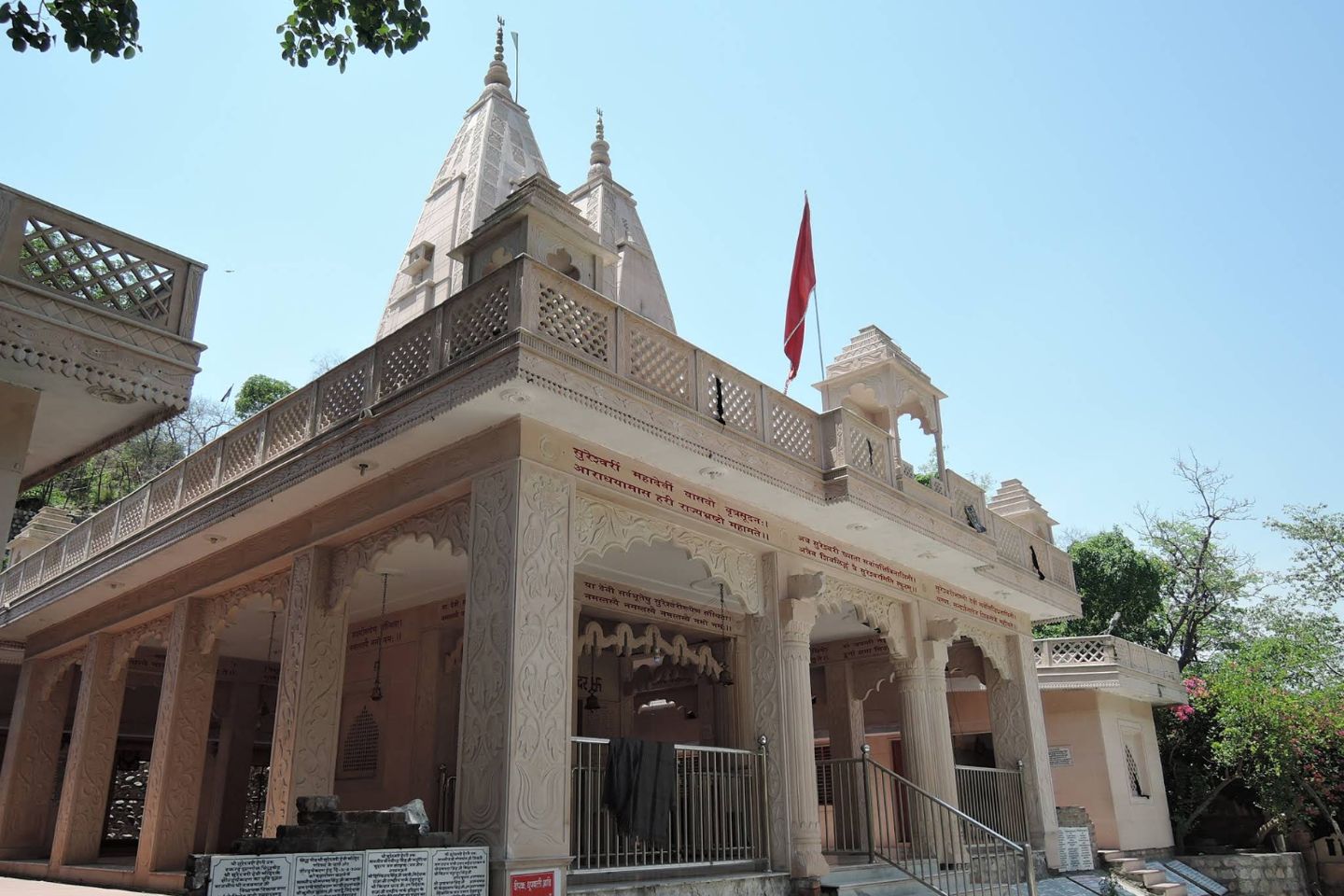
Sureshwari Devi Temple
Sureshwari Devi Temple in Haridwar is a forest shrine dedicated to the goddess, situated within the Ranipur Range area near Rajaji National Park, offering a secluded spiritual e…
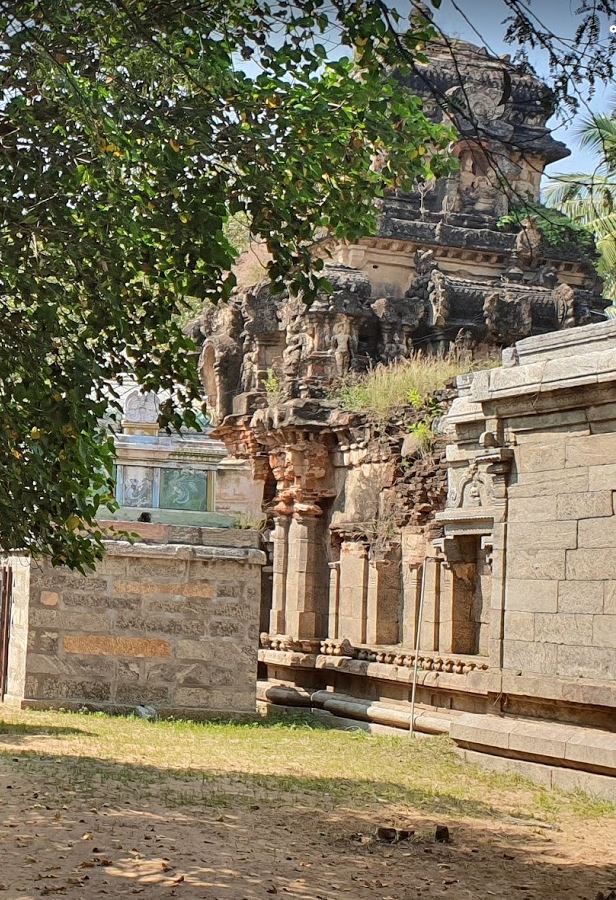
Agatheeswarar Temple, Karur
Agatheeswarar Temple in Thirumukkudalur, Karur district, is an ancient Hindu shrine dedicated to Shiva, situated at the sacred confluence of three rivers and believed to be over…

Shani Shingnapur
Shani Shingnapur is a renowned temple in Maharashtra dedicated to Lord Shani, featuring a self-emerged black stone idol worshipped under open sky. The temple is located in a uni…
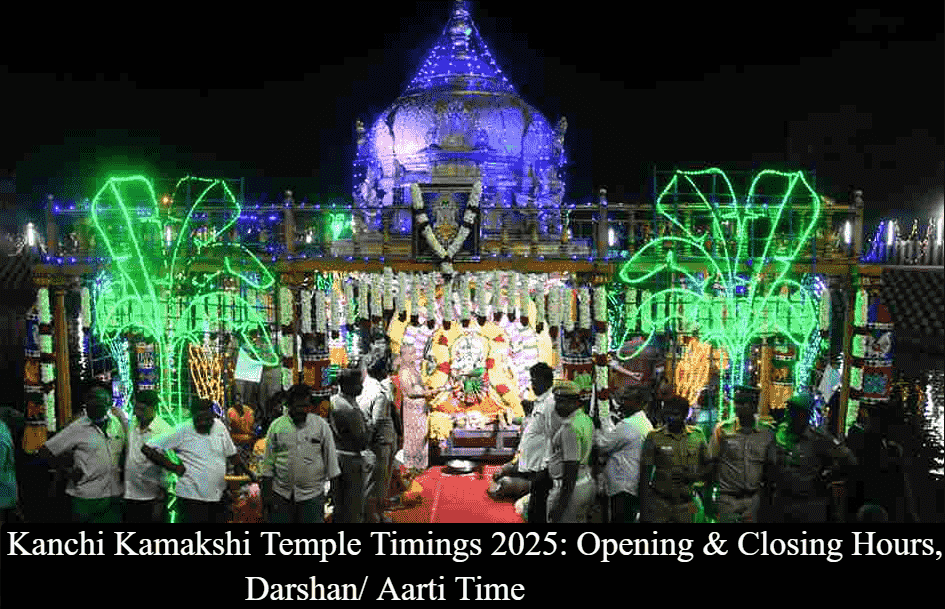
Kamaksha
Arulmigu Kamakshi Amman Temple in Mangadu, near Chennai, is dedicated to the goddess Kamakshi, an aspect of Adi Parashakti. According to legend, the goddess performed austeritie…
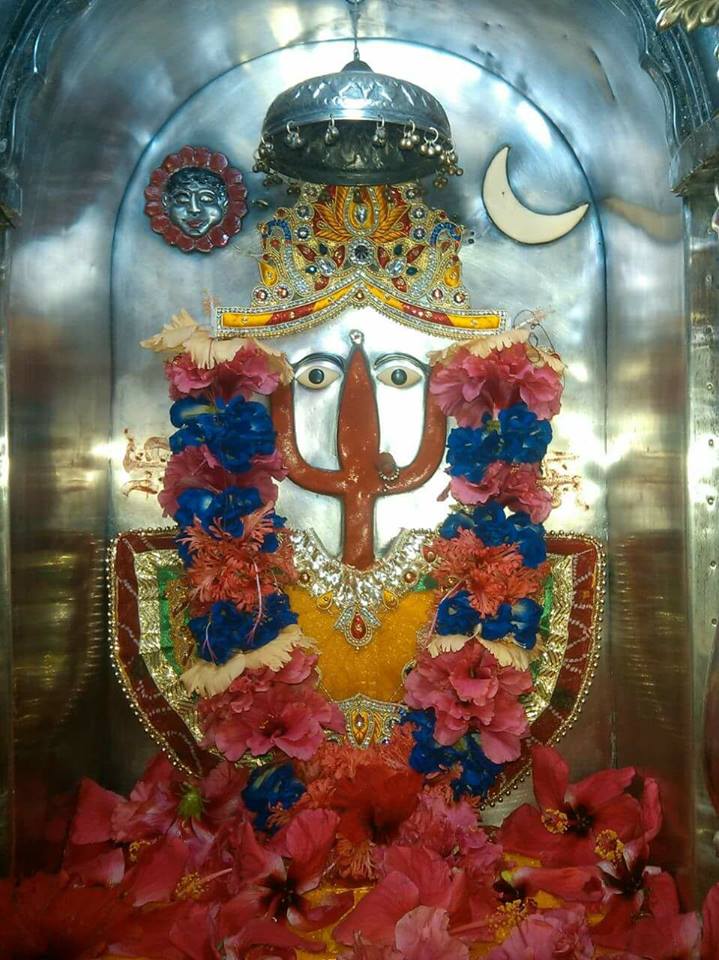
Guhaditya temple
Guhaditya temple in Dwarka is an ancient shrine dedicated to the sun deity, established over 150 years ago. Pilgrims enter through the Swarg Dwar (Gateway to Heaven) and exit vi…
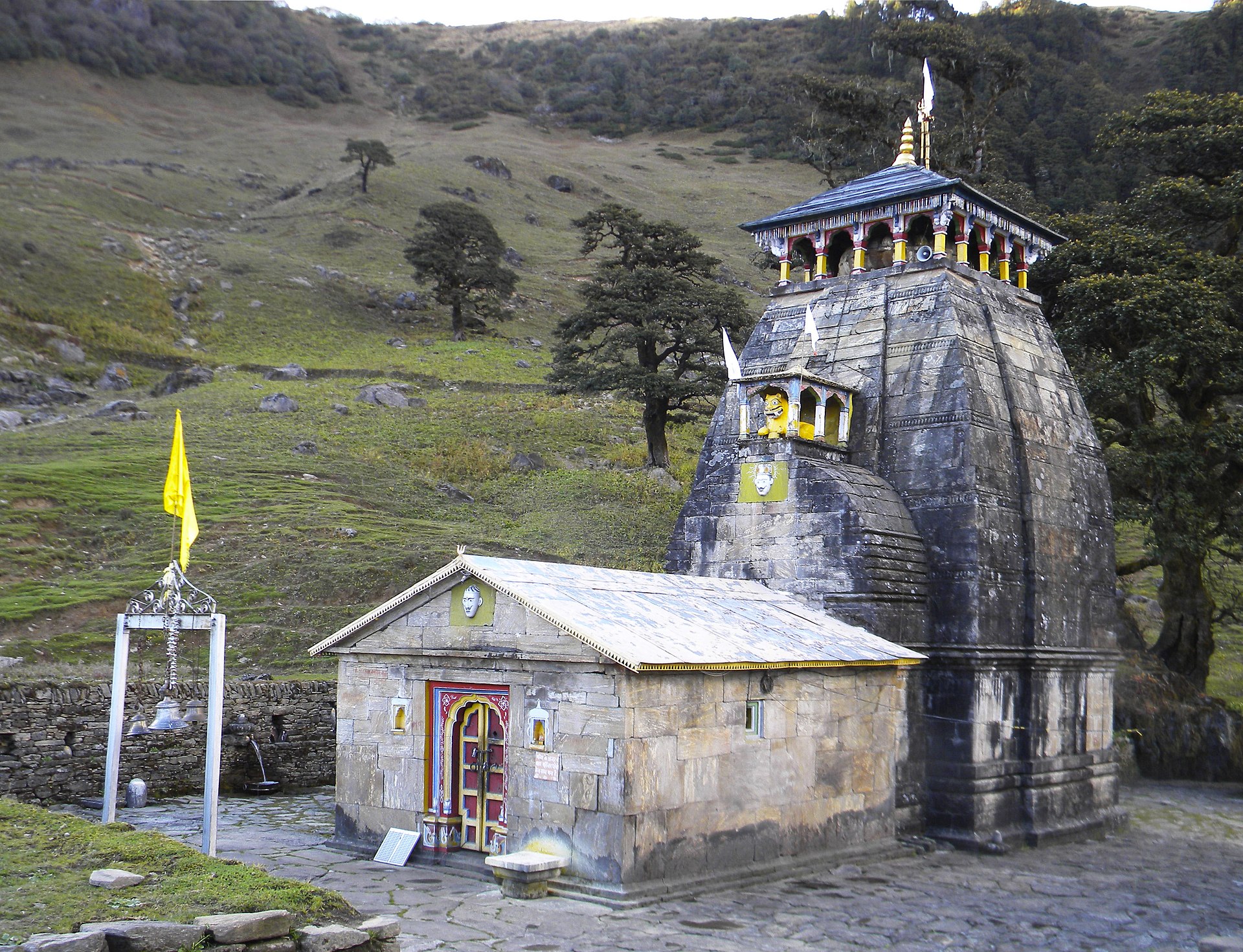
Madhyamaheshwar Temple
Madhyamaheshwar Temple is one of the five sacred Shiva shrines in the Panch Kedar pilgrimage circuit, located in the Garhwal Himalayas of Uttarakhand. Each temple in the circuit…