Chaubara Dera No. 1
About Chaubara Dera No. 1
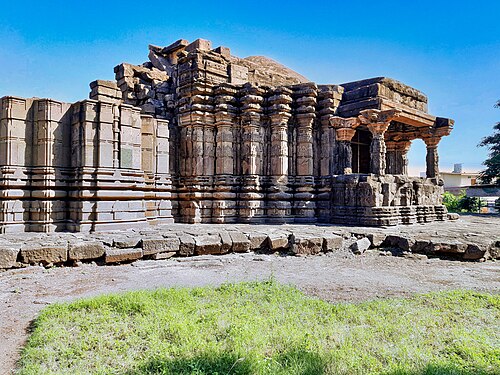
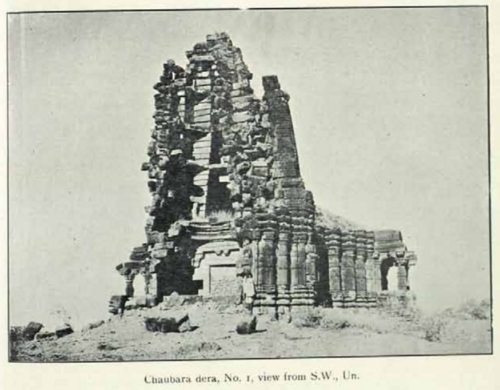
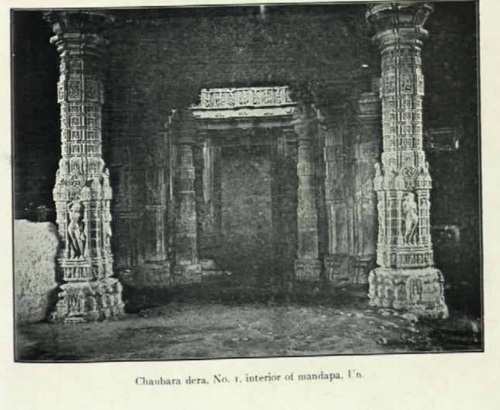
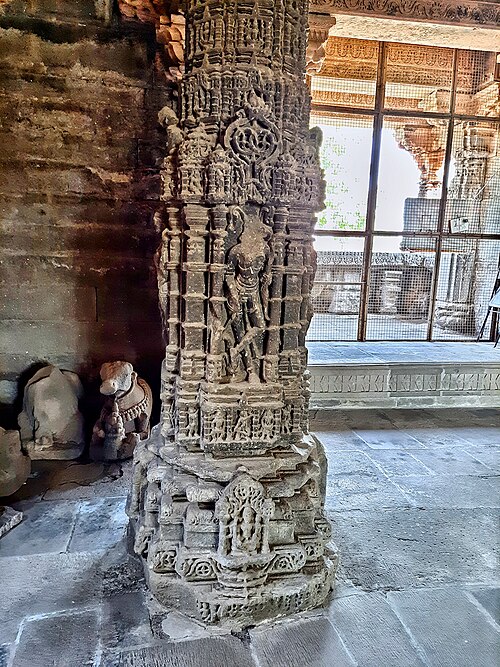
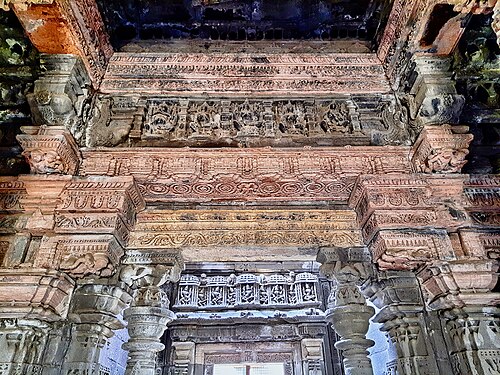
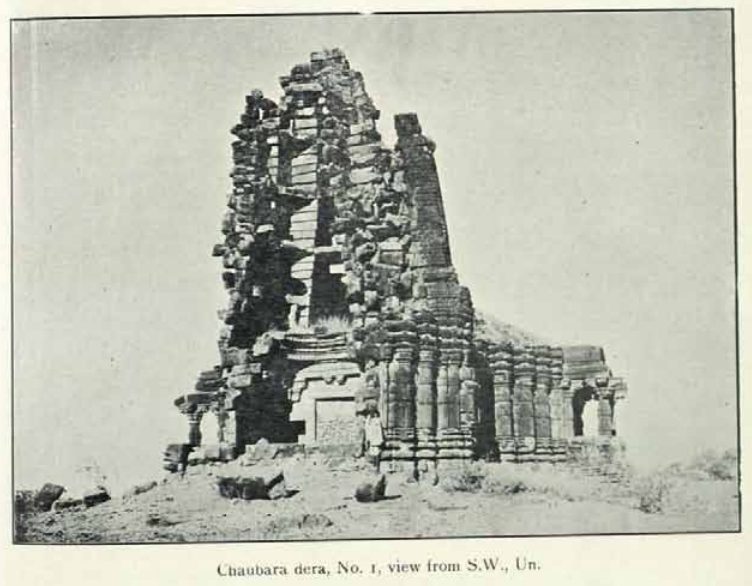
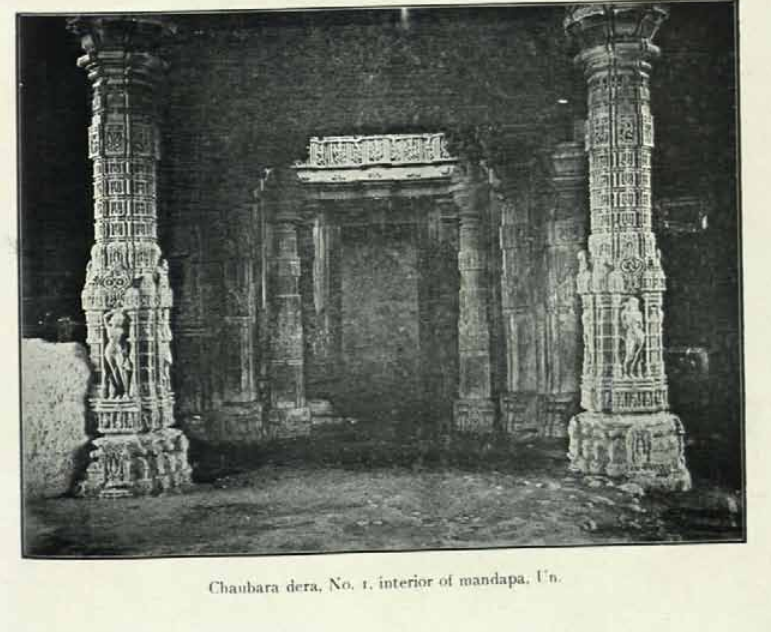
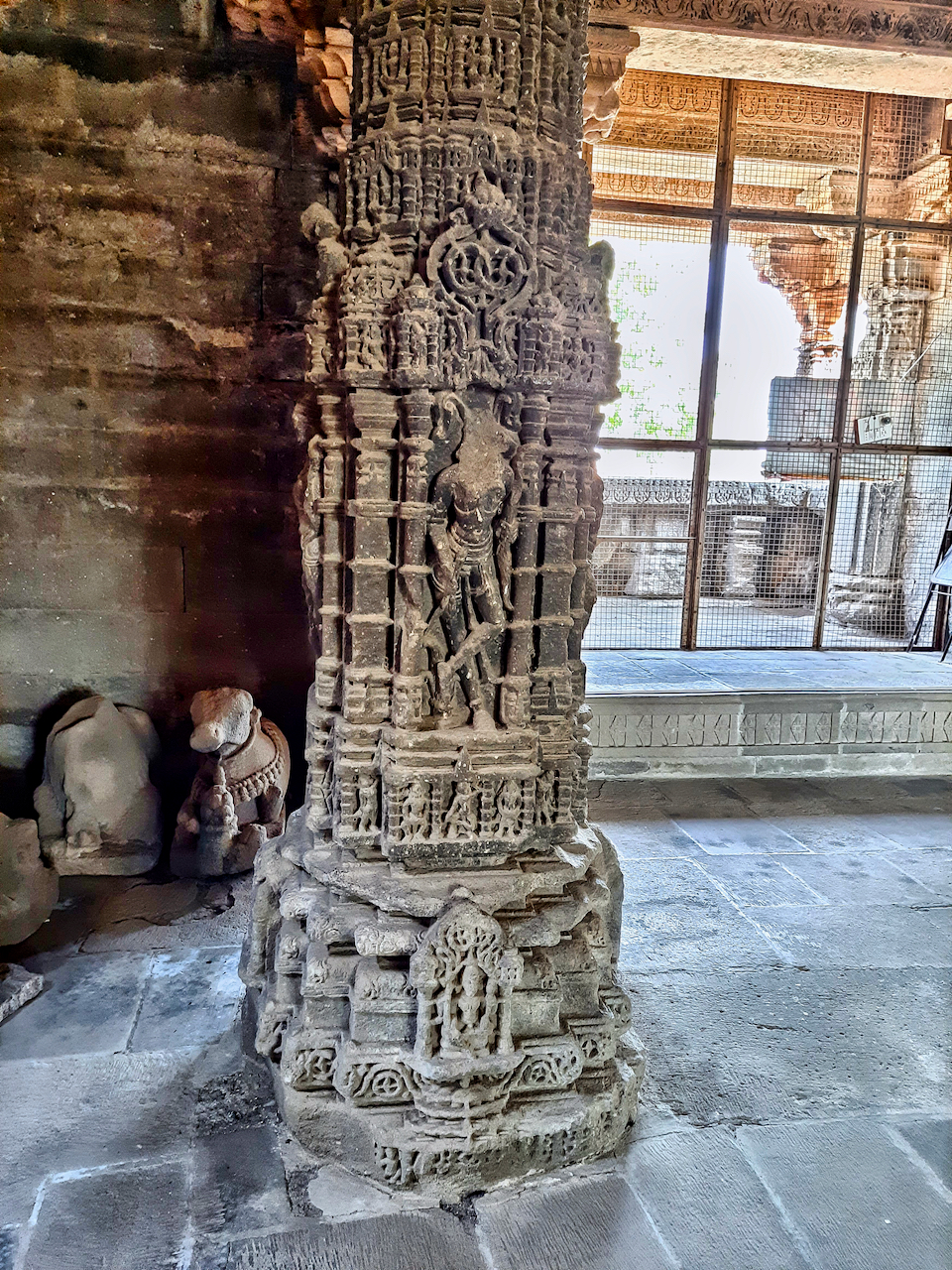
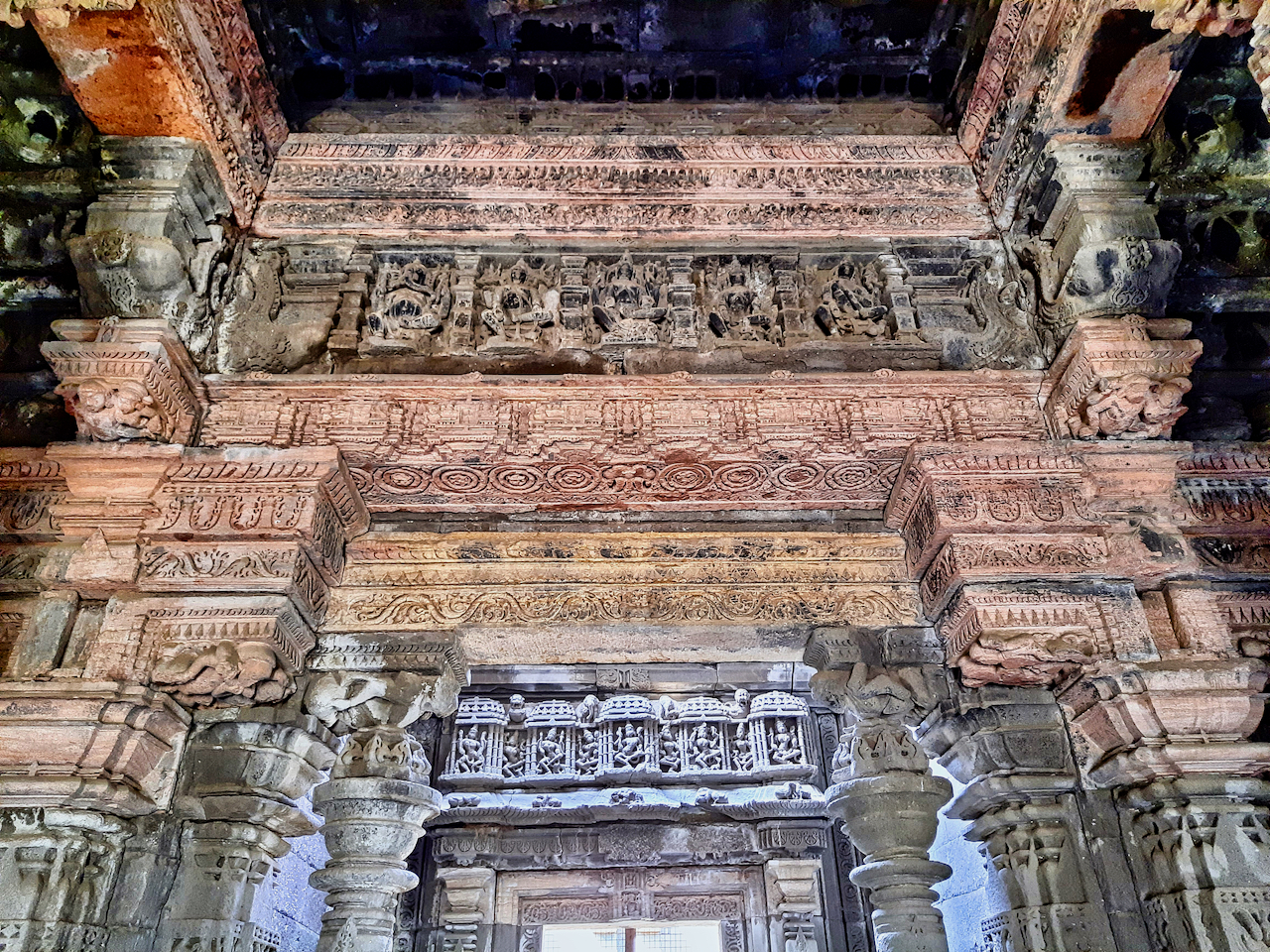
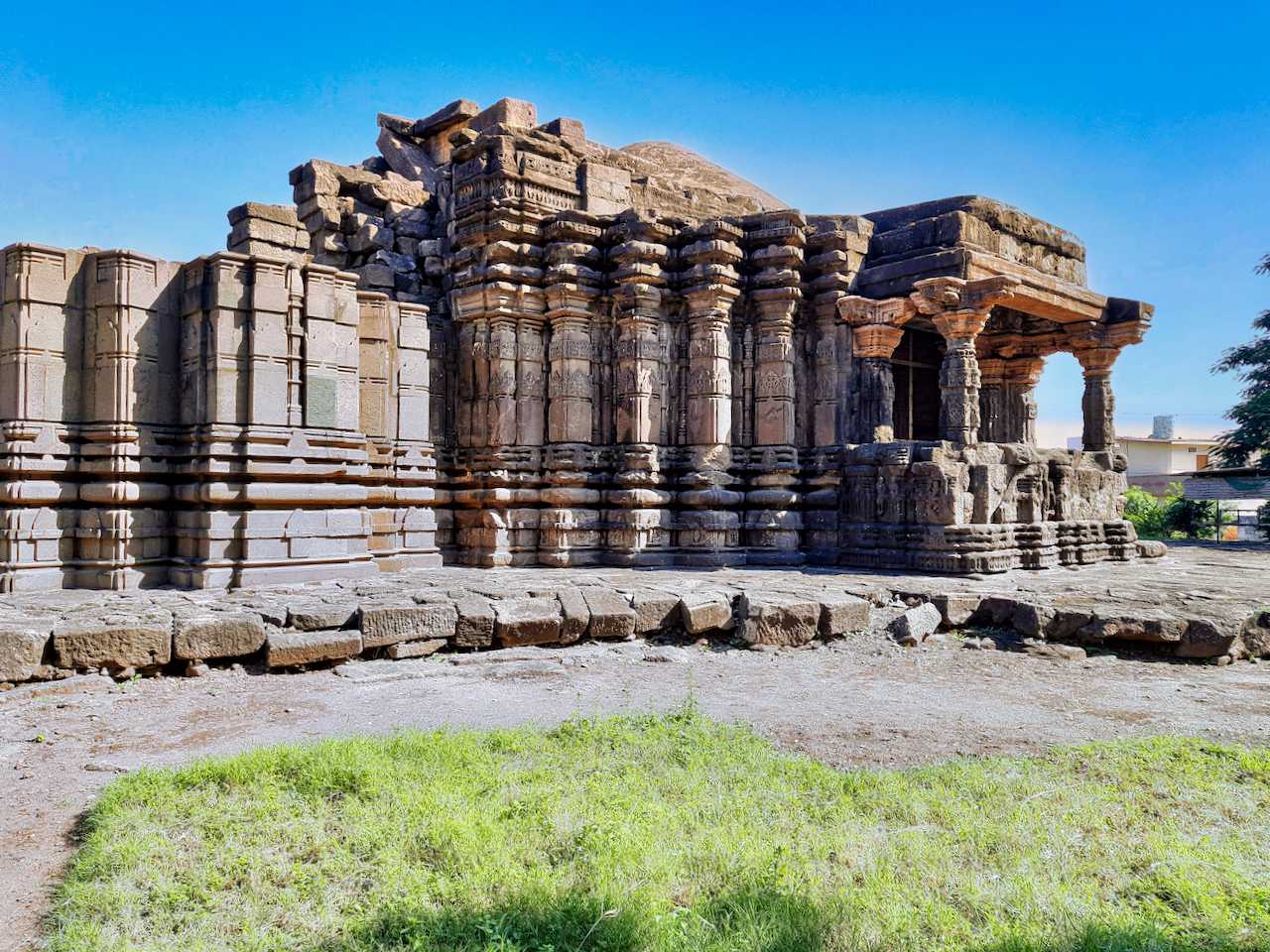
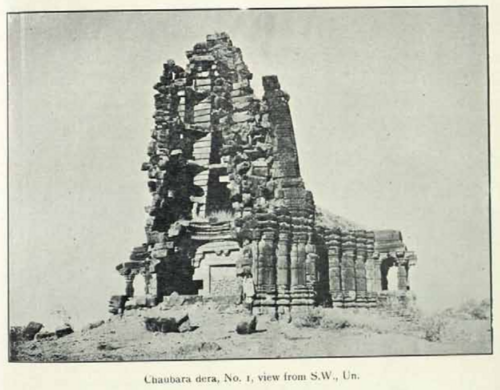
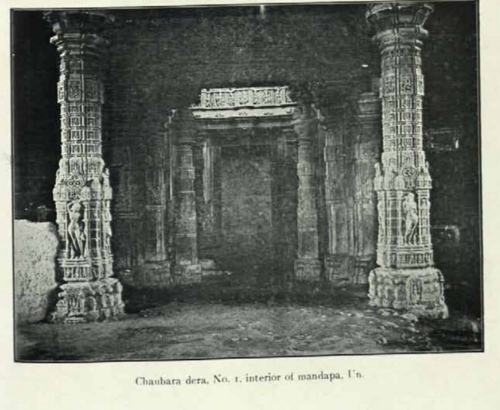
Built from local sandstone using dry masonry techniques, Chaubara Dera No. 1 displays the structural conventions of Paramara-period temple design. The building is oriented to the east, with its primary entrance through a porch on the eastern facade, flanked by two smaller porches on the sides. The interior plan follows a traditional arrangement: a square pillared hall (mandapa), a rectangular ante-chamber (antarala), and a square sanctum (garbhagriha). The temple's most distinctive feature—its shikhara, or tower—has been completely destroyed, leaving only the lower portions of the structure standing today. A smaller temple occupies the same platform, adding to the complexity of the site. The loss of both the shikhara and the main deity has fundamentally altered the temple's appearance and function over the centuries.
Deity and Religious Significance
The identity of the primary deity has been lost to time, but the abundance of Shaivite imagery throughout the temple suggests it was originally dedicated to Shiva. This iconographic evidence, combined with the temple's prominence during the Paramara period, indicates it held considerable religious importance within its region. The inscriptions discovered within the structure attest to its role as a centre of learning, suggesting it may have served not only as a place of worship but also as a site of scholarly and spiritual instruction during its period of active use.
Current Condition and Visitor Experience
Visitors should approach this site with realistic expectations. The temple is substantially ruined, with the sanctum destroyed and the superstructure largely gone. What remains are the foundational elements and lower structural components, offering insight into Paramara-period construction methods and spatial planning rather than an intact devotional space. The dry masonry technique is visible in the stonework, and the pillared hall retains enough of its form to convey the original architectural vision. The site functions more as an archaeological monument than as an active place of worship, though its historical and architectural significance makes it valuable for those interested in medieval Hindu temple design and the Paramara dynasty's cultural legacy.
Inscriptions and Learning
An inscription within the temple provides crucial evidence of its historical importance. This record mentions Udayaditya and establishes that the temple served as a centre of learning during the Paramara period. Such inscriptions are often the primary documentary sources for understanding the patronage, dating, and function of medieval temples, and this one has been instrumental in scholarly reconstruction of the site's history. The presence of such inscriptions suggests the temple was not merely a devotional site but a place where religious and intellectual pursuits intersected.
Access and Practical Information
Chaubara Dera No. 1 is located in the village of Un, Madhya Pradesh, at coordinates 21°49′18″N 75°27′16″E. The site is part of a cluster of ruined temples in the village, and visitors interested in medieval Paramara architecture will find multiple structures worth examining. No current information is available regarding formal visiting hours, entry fees, or facilities at the site. Visitors should plan accordingly, bringing water and sun protection, as the ruins offer minimal shelter. The site's ruined condition means sturdy footwear is advisable. Local enquiry in Un village will be necessary to locate the temple and understand current access conditions. Those travelling to the region should combine a visit here with other Paramara-period monuments in Madhya Pradesh to gain a fuller understanding of the dynasty's architectural and cultural achievements.
How to reach
You may also visit
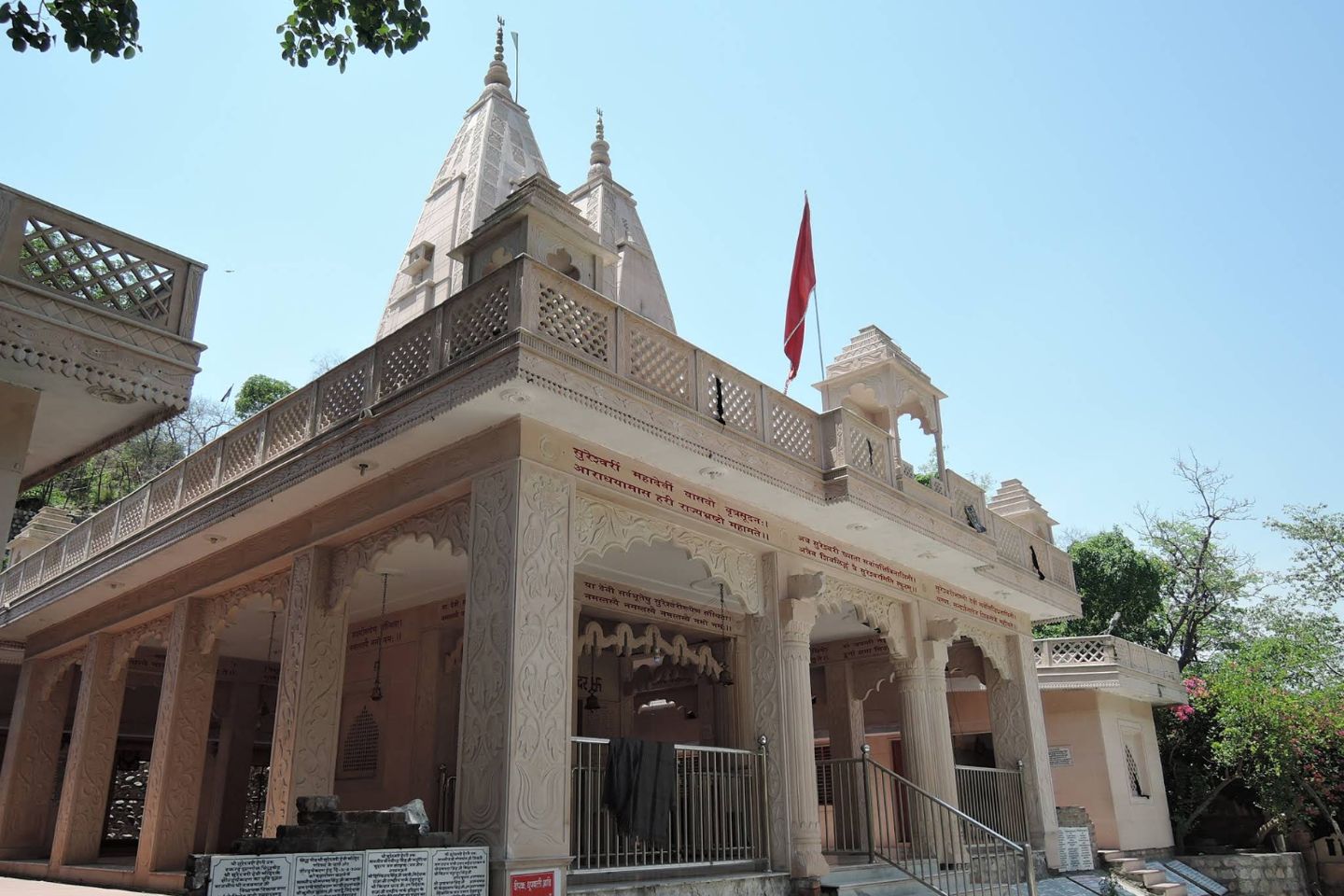
Sureshwari Devi Temple
Sureshwari Devi Temple in Haridwar is a forest shrine dedicated to the goddess, situated within the Ranipur Range area near Rajaji National Park, offering a secluded spiritual e…
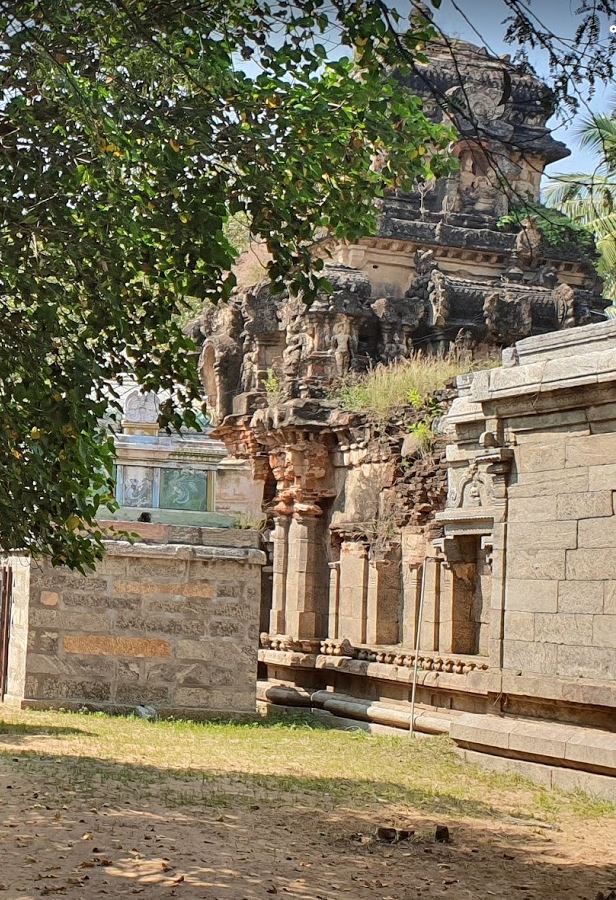
Agatheeswarar Temple, Karur
Agatheeswarar Temple in Thirumukkudalur, Karur district, is an ancient Hindu shrine dedicated to Shiva, situated at the sacred confluence of three rivers and believed to be over…

Shani Shingnapur
Shani Shingnapur is a renowned temple in Maharashtra dedicated to Lord Shani, featuring a self-emerged black stone idol worshipped under open sky. The temple is located in a uni…
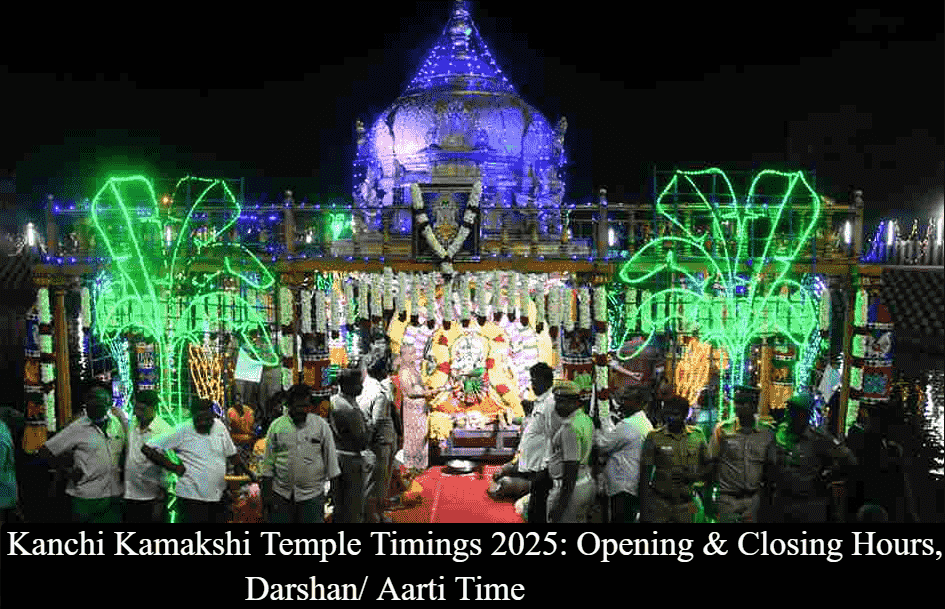
Kamaksha
Arulmigu Kamakshi Amman Temple in Mangadu, near Chennai, is dedicated to the goddess Kamakshi, an aspect of Adi Parashakti. According to legend, the goddess performed austeritie…
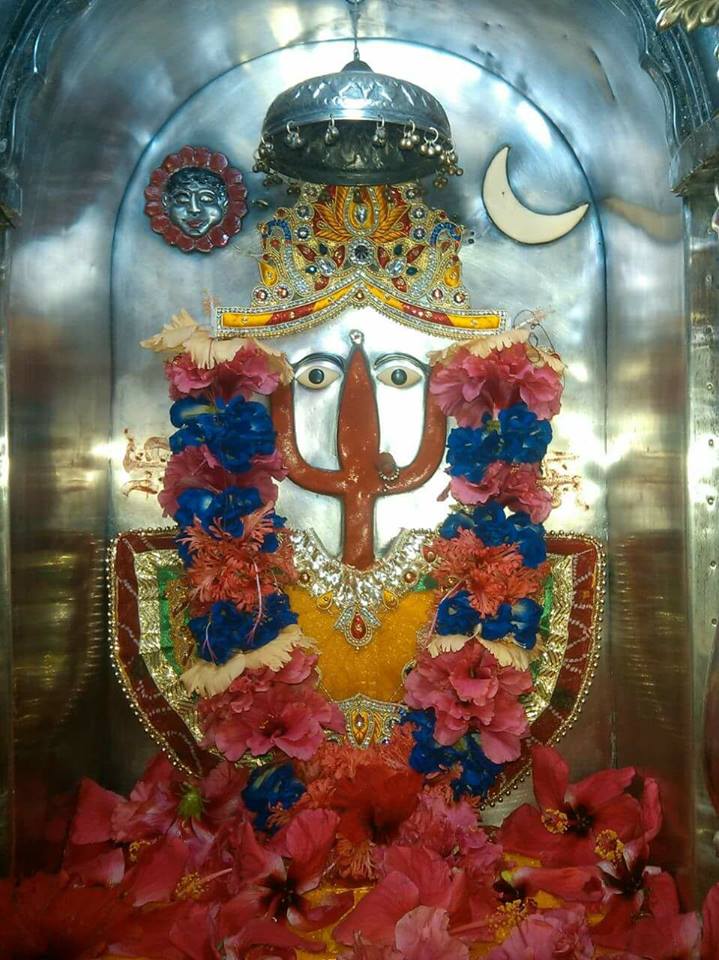
Guhaditya temple
Guhaditya temple in Dwarka is an ancient shrine dedicated to the sun deity, established over 150 years ago. Pilgrims enter through the Swarg Dwar (Gateway to Heaven) and exit vi…
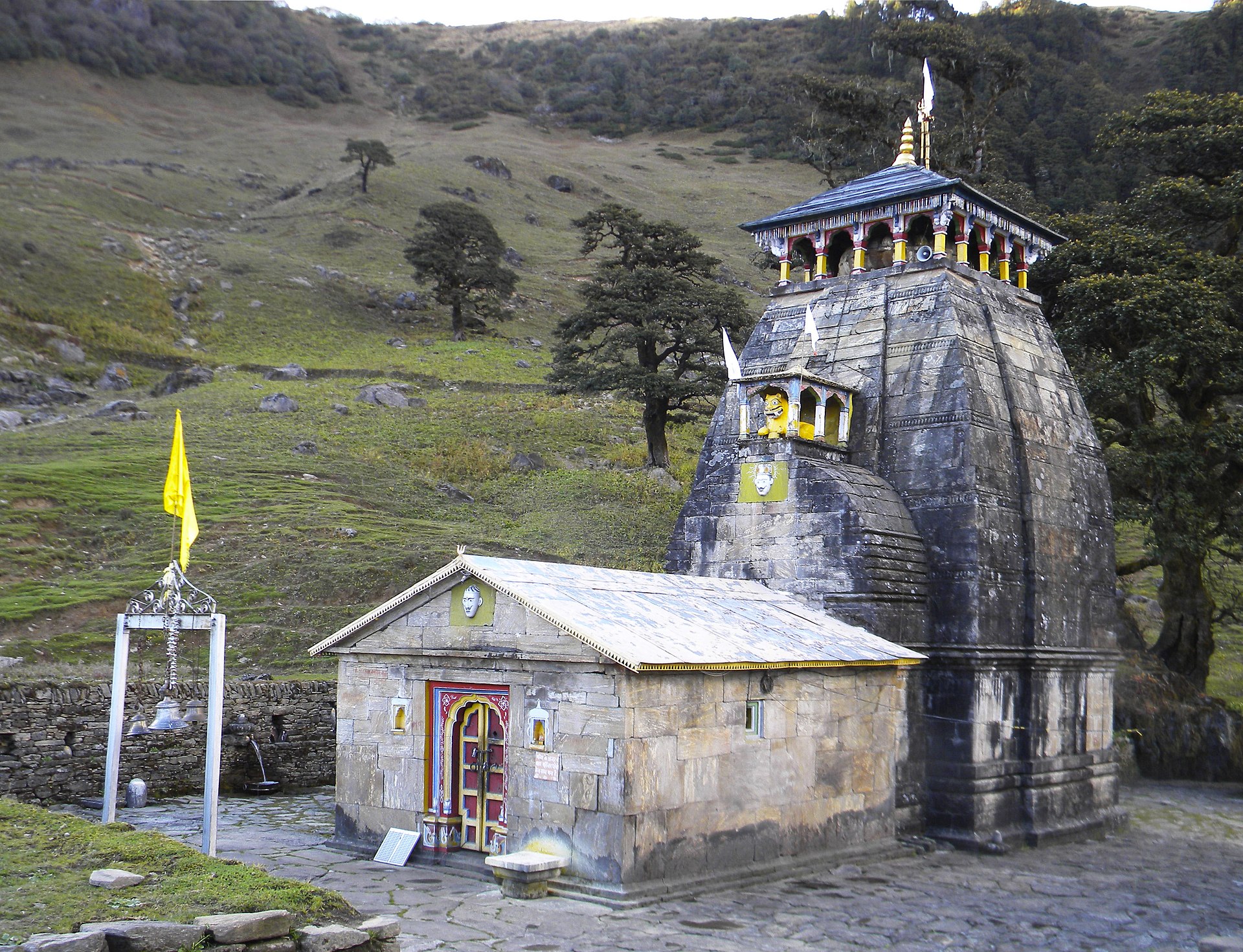
Madhyamaheshwar Temple
Madhyamaheshwar Temple is one of the five sacred Shiva shrines in the Panch Kedar pilgrimage circuit, located in the Garhwal Himalayas of Uttarakhand. Each temple in the circuit…