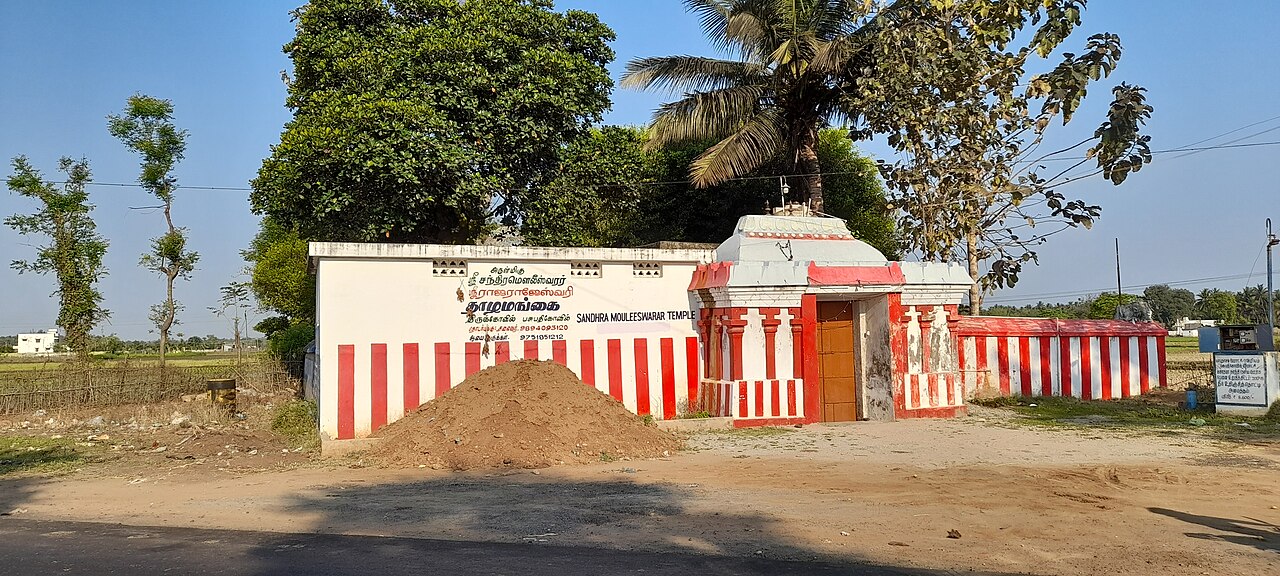
Chandramouleesvarar Temple, Thazhamangai
About Chandramouleesvarar Temple, Thazhamangai
The primary festival observed at the temple is Maha Shivaratri, the great night dedicated to Shiva, which draws devotees for special worship and ritual observance. Temples of this tradition typically mark this occasion with extended prayers, offerings, and meditative practices honouring the deity. The temple grounds come alive during such festivals with traditional music, decorations, and devotional activities reflecting the region's cultural heritage.
On ordinary days, the gentle sounds of temple bells and the sight of oil lamps create a contemplative atmosphere for those visiting for personal worship and spiritual reflection.
Visiting Hours and Practical Information
The temple is open on a limited schedule. Monday through Wednesday, darshan (viewing of the deity) is available from 06:00 to 11:00 in the morning, and again from 16:00 to 20:30 in the evening. Visitors should plan their visit within these windows. The temple's restricted timings suggest it may be a smaller shrine with limited staffing, so flexibility in scheduling is advisable.
Visitors to Shiva temples typically observe modest dress—covering shoulders and knees is customary. Removing footwear before entering the sanctum is standard practice. Photography policies vary by temple; it is respectful to ask permission before photographing the deity or inner sanctum. Many temples request that visitors refrain from pointing feet toward the deity or turning one's back to the sanctum.
Location and Access
The temple is situated in Thazhamangai village on the main road connecting Thanjavur and Kumbakonam, two major towns in the region. The coordinates are 10.883645°N, 79.175695°E. This positioning on a primary route makes the shrine accessible to those travelling between these towns. Visitors arriving by car or bus can locate the temple using these coordinates or by asking locally in the village. The exact facilities for parking or accommodation have not been documented in available sources, so enquiring locally upon arrival is recommended.
What to Expect
This is an ancient shrine with deep roots in the local community rather than a large pilgrimage complex. The spiritual atmosphere centres on the worship of Shiva and the goddess, with the river location adding to the natural sanctity of the setting. Visitors should approach with the reverence appropriate to a place of active worship, understanding that the temple serves the devotional needs of local worshippers as well as visiting pilgrims. The limited opening hours reflect the temple's character as a neighbourhood shrine maintained by the community.
How to reach
You may also visit
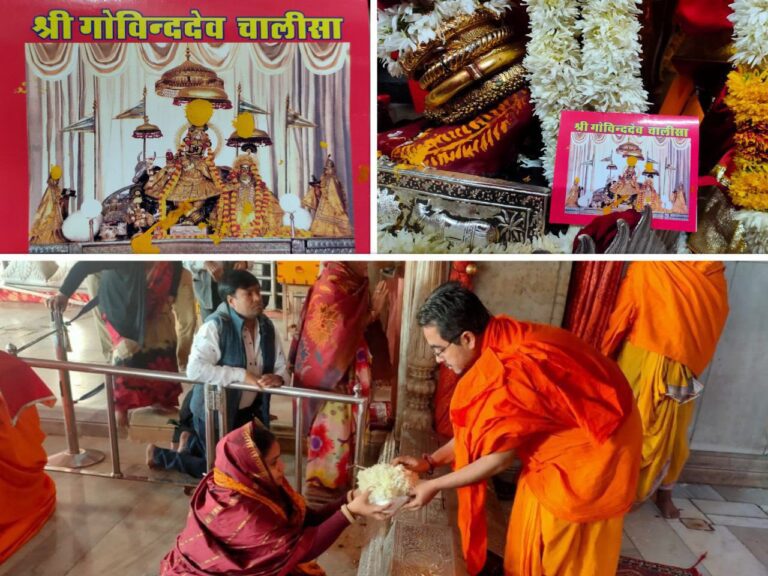
Kalyanji Temple
Kalyanji Temple in Jaipur's Chandpol Bazaar is approximately two centuries old and renowned for displaying the twenty-four avatars of Krishna, visible only twice yearly during Akha Teej and Patottsav festival.
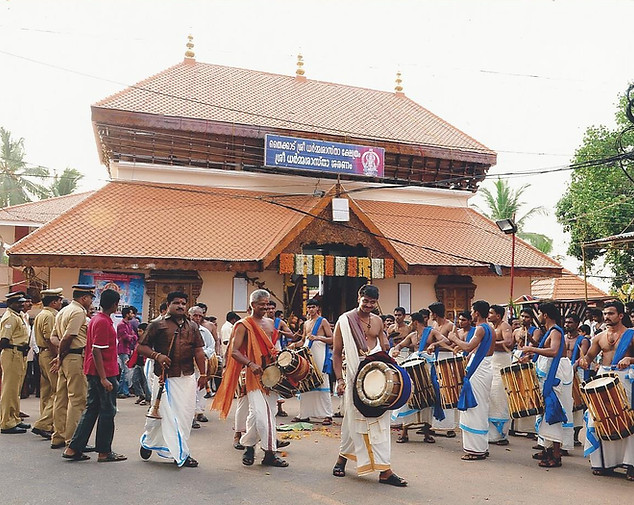
Sastha (Ayyappan) Temple
Sree Dharma Sastha Temple in Thycaud, Thiruvananthapuram, is a centuries-old shrine where the deity manifests as Dhanwanthari, the divine healer, holding the sacred blue lotus.
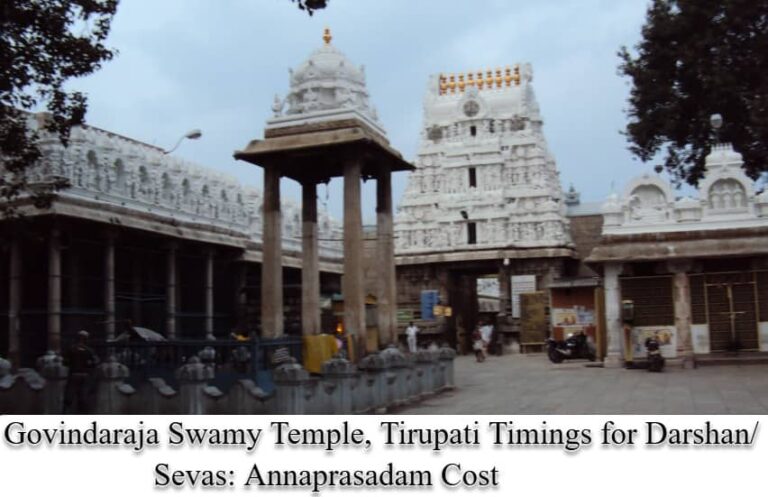
Govindarajaswamy Temple
Sri Govindarajaswamy Temple in Tirupati is an ancient Vaishnavaite shrine consecrated in 1130 AD by Saint Ramanuja, where the presiding deity rests in eternal Yoga Nidra on the serpent Adisesha.