Chandrabadani Devi
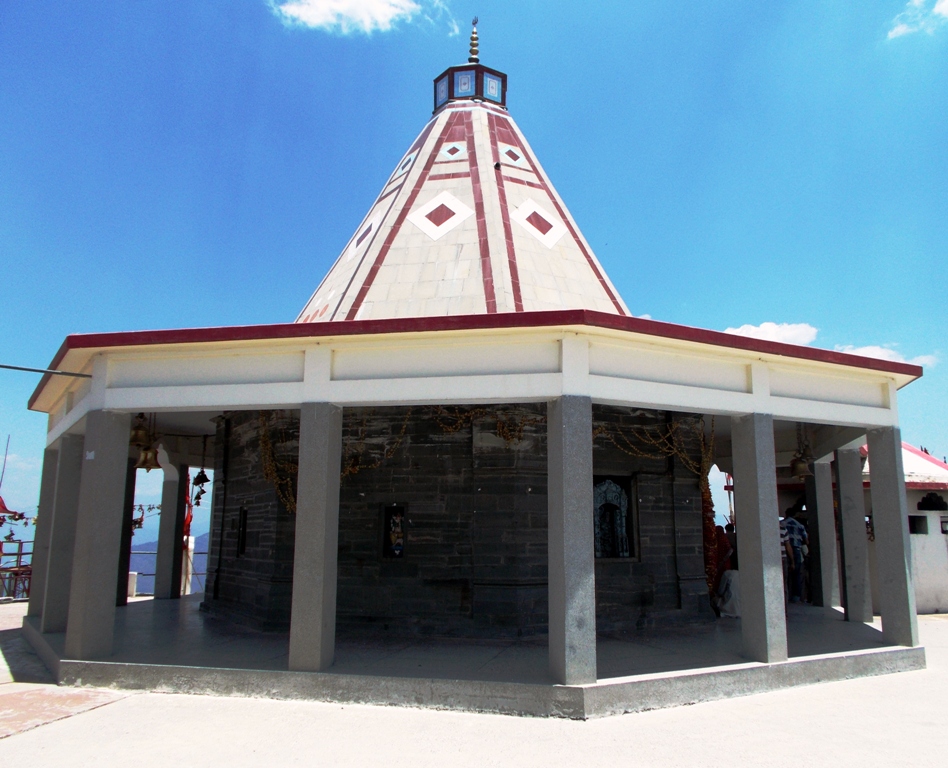
About Chandrabadani Devi
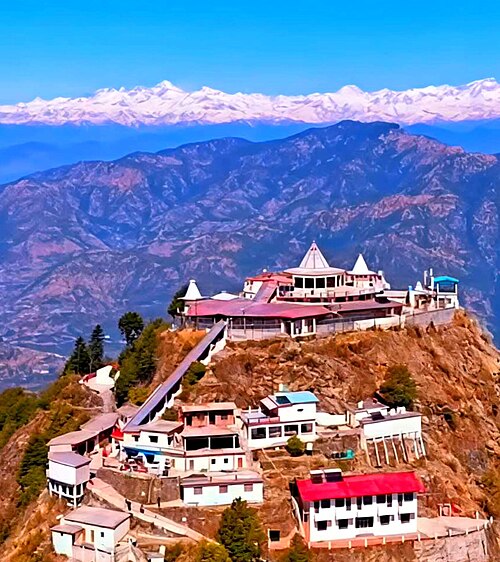
The temple lies approximately 10 kilometres north of Kandi Khal, a point on the Devaprayag-Kirti Nagar route. The village of Sabdarkhal serves as the nearest settlement. The journey to the temple involves trekking up the mountain; visitors should be prepared for the altitude and terrain. The best season for visiting is June through October, when weather conditions are most stable. The monsoon season should be avoided due to heavy rainfall and associated hazards on mountain paths.
Photography is not permitted within the temple premises. Hindi and English are spoken in the area. Visitors should carry adequate water and provisions, as facilities on the mountain are limited. Sturdy footwear suitable for mountain terrain is essential.
The Sacred Geometry of Worship
The Shri-yantra that forms the deity's representation is a traditional symbol in Hindu worship, particularly in Shakti traditions. The yantra's geometric patterns are understood to embody divine principles and serve as a meditation focus. This form of worship, centred on sacred geometry rather than sculptural representation, reflects practices found across various Hindu temples dedicated to the goddess.
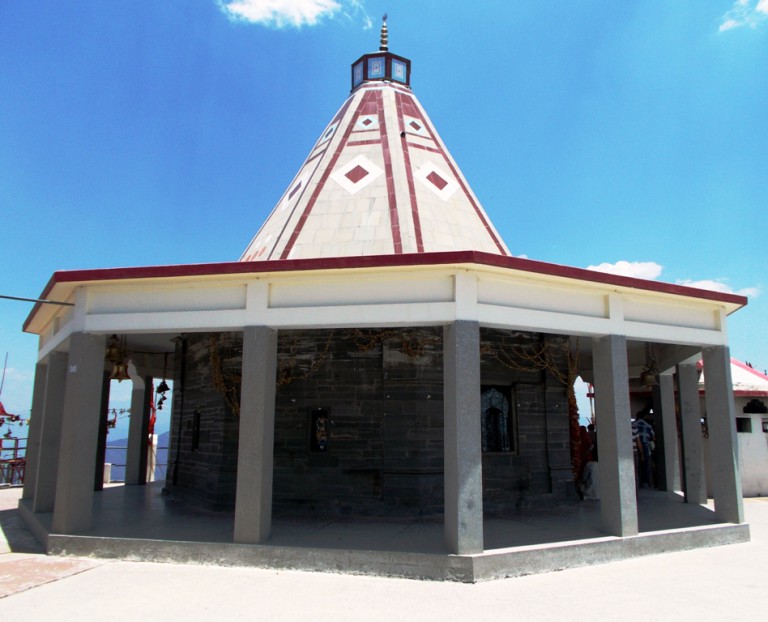
The simplicity of the temple structure and its reliance on the yantra rather than elaborate iconography suggests a tradition of direct, unadorned devotion. Pilgrims approach the sacred symbol to offer prayers and receive darshan—the blessing of witnessing the divine presence.
Rituals and Darshan
The temple facilitates various ritual services for devotees. These include abhishek (ritual bathing of the deity), puja (worship ceremonies), and specialized observances addressing specific spiritual concerns. Visitors typically approach the sanctum to view the Shri-yantra and make offerings. The specific darshan timings should be confirmed locally, as mountain temples sometimes adjust schedules based on weather and seasonal conditions.
Those wishing to perform particular pujas or rituals should inquire about availability and procedures upon arrival or through local temple contacts. The mountain location means that services may be more limited than at larger, lower-altitude temples.
The Shakti Peeth Tradition
Chandrabadni Devi temple belongs to the broader tradition of Shakti Peeths—sacred sites dedicated to the goddess throughout the Indian subcontinent. These temples form part of an ancient network of pilgrimage destinations centred on goddess worship. The Uttarakhand region contains several such sites, reflecting the state's significance within Shakti traditions.
The temple's position in the high Himalayas connects it to the sacred geography of this region, where mountains themselves are understood as manifestations of divine power. Pilgrims visiting Chandrabadni often do so as part of broader journeys through Uttarakhand's temple network.
Visiting Considerations
The mountain location demands that visitors come prepared. The trek to the temple requires reasonable physical fitness and appropriate clothing for high-altitude conditions. Weather can change rapidly; even during the recommended visiting season, visitors should carry rain protection and warm layers. The altitude may affect some visitors; those with health concerns should assess their fitness before undertaking the journey.
Accommodation options in nearby settlements should be arranged in advance. The temple itself is very small, and facilities for visitors are minimal. Respectful behaviour—including modest dress and quiet demeanour—is expected. Offerings of flowers, incense, or coconut are typically made at goddess temples, though visitors should confirm current practices locally.
How to reach
You may also visit
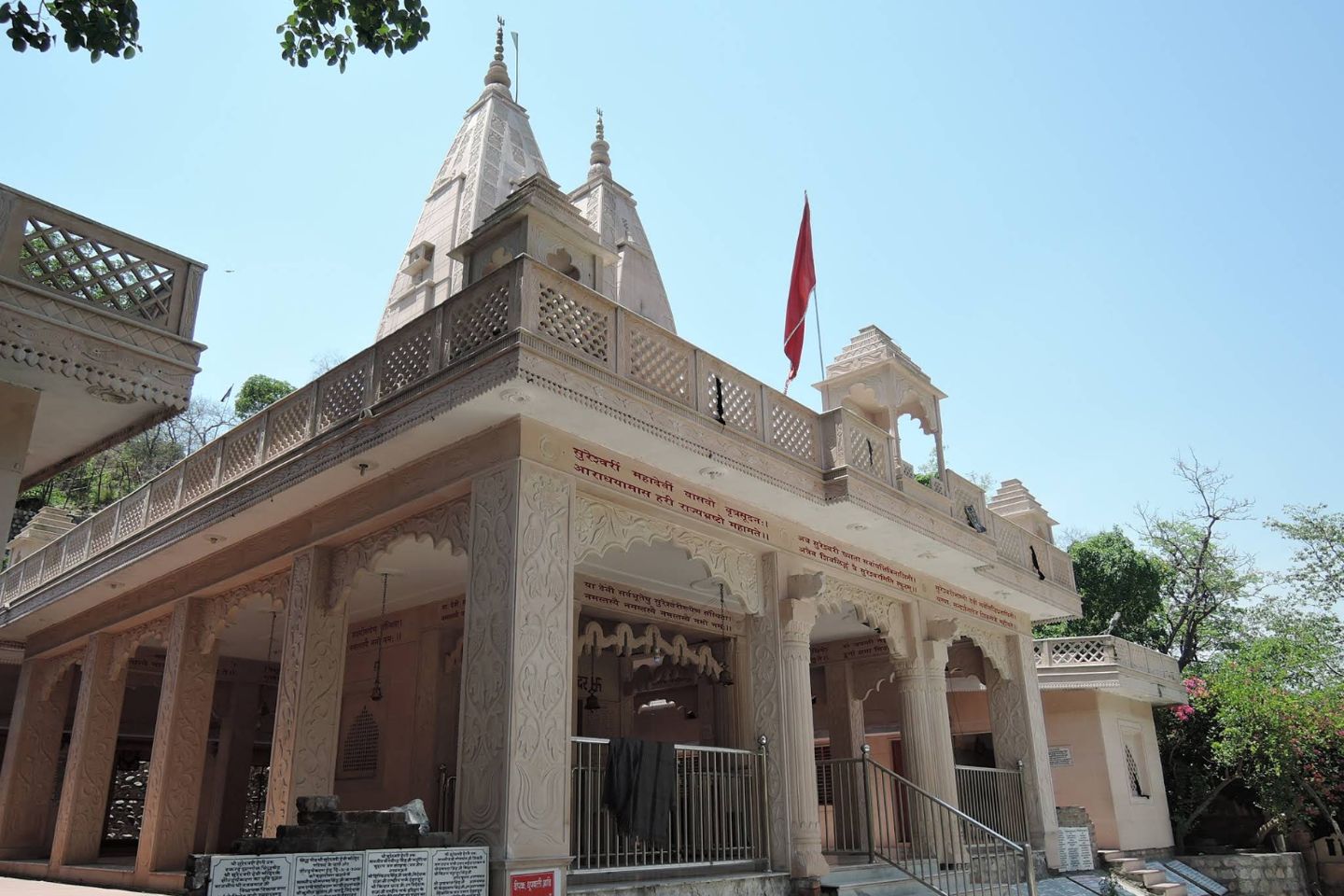
Sureshwari Devi Temple
Sureshwari Devi Temple in Haridwar is a forest shrine dedicated to the goddess, situated within the Ranipur Range area near Rajaji National Park, offering a secluded spiritual e…
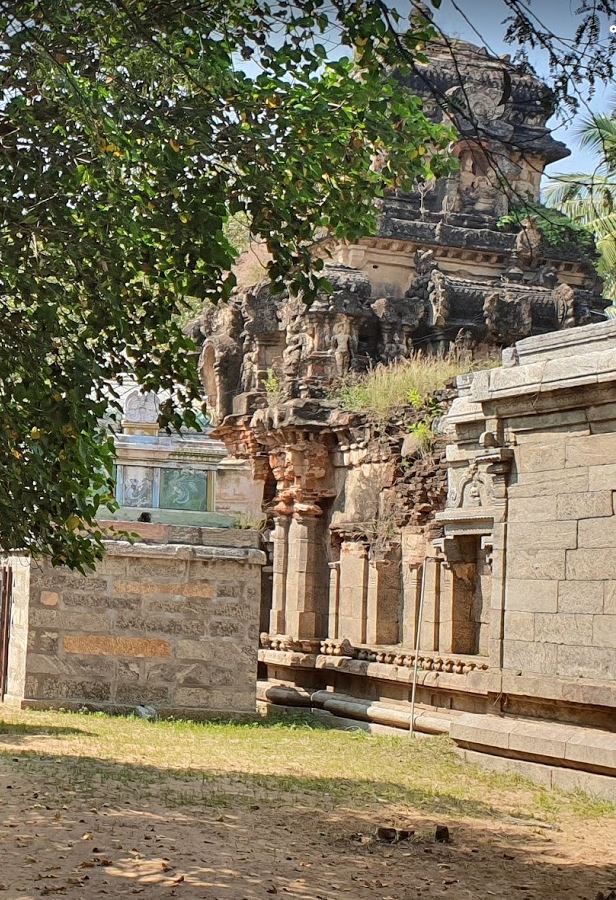
Agatheeswarar Temple, Karur
Agatheeswarar Temple in Thirumukkudalur, Karur district, is an ancient Hindu shrine dedicated to Shiva, situated at the sacred confluence of three rivers and believed to be over…

Shani Shingnapur
Shani Shingnapur is a renowned temple in Maharashtra dedicated to Lord Shani, featuring a self-emerged black stone idol worshipped under open sky. The temple is located in a uni…
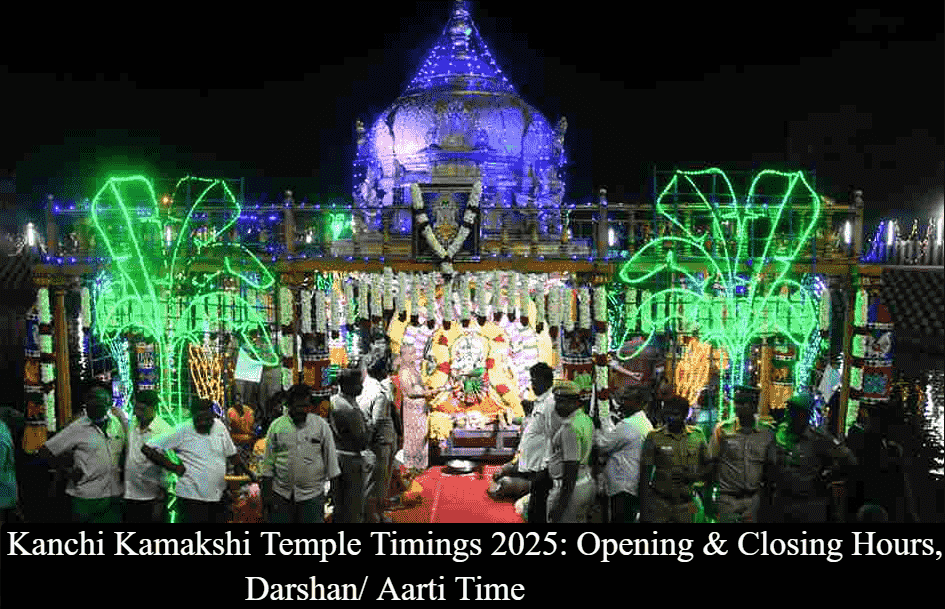
Kamaksha
Arulmigu Kamakshi Amman Temple in Mangadu, near Chennai, is dedicated to the goddess Kamakshi, an aspect of Adi Parashakti. According to legend, the goddess performed austeritie…
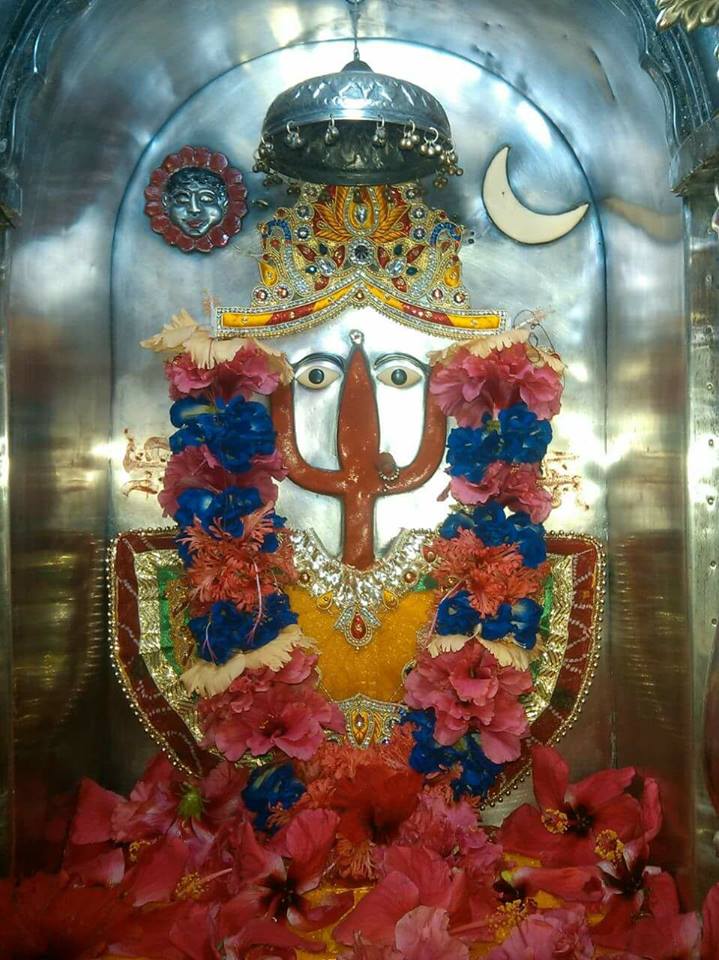
Guhaditya temple
Guhaditya temple in Dwarka is an ancient shrine dedicated to the sun deity, established over 150 years ago. Pilgrims enter through the Swarg Dwar (Gateway to Heaven) and exit vi…
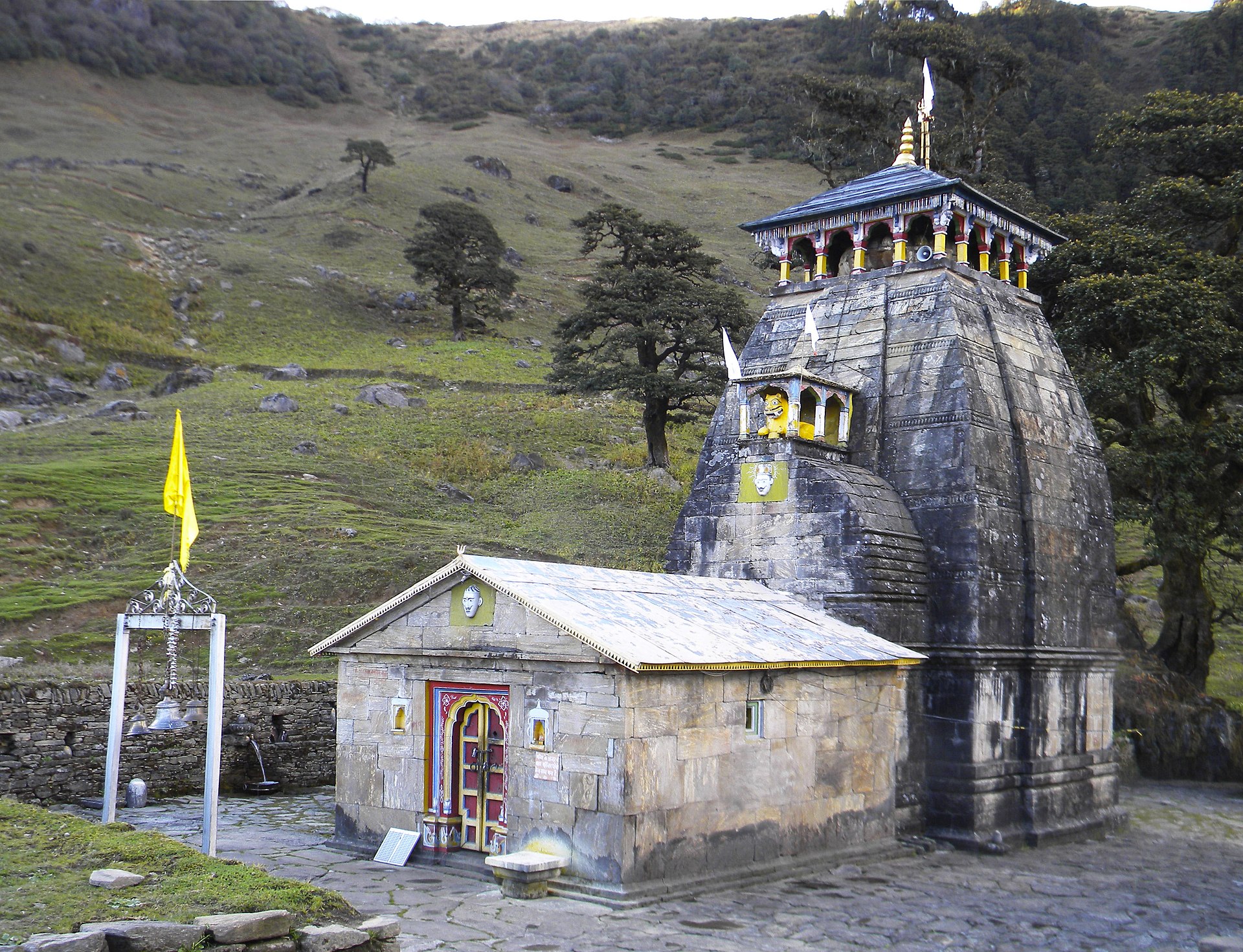
Madhyamaheshwar Temple
Madhyamaheshwar Temple is one of the five sacred Shiva shrines in the Panch Kedar pilgrimage circuit, located in the Garhwal Himalayas of Uttarakhand. Each temple in the circuit…