Candi of Indonesia
About Candi of Indonesia
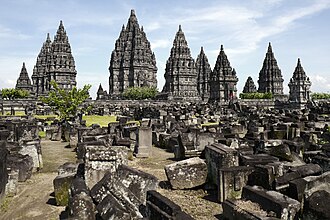
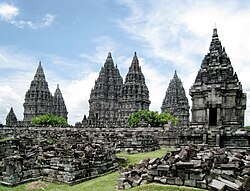
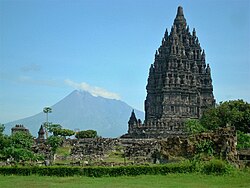
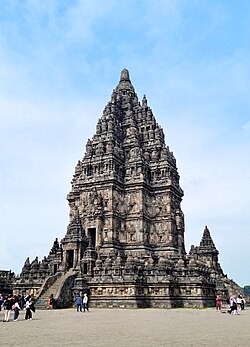
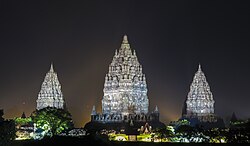
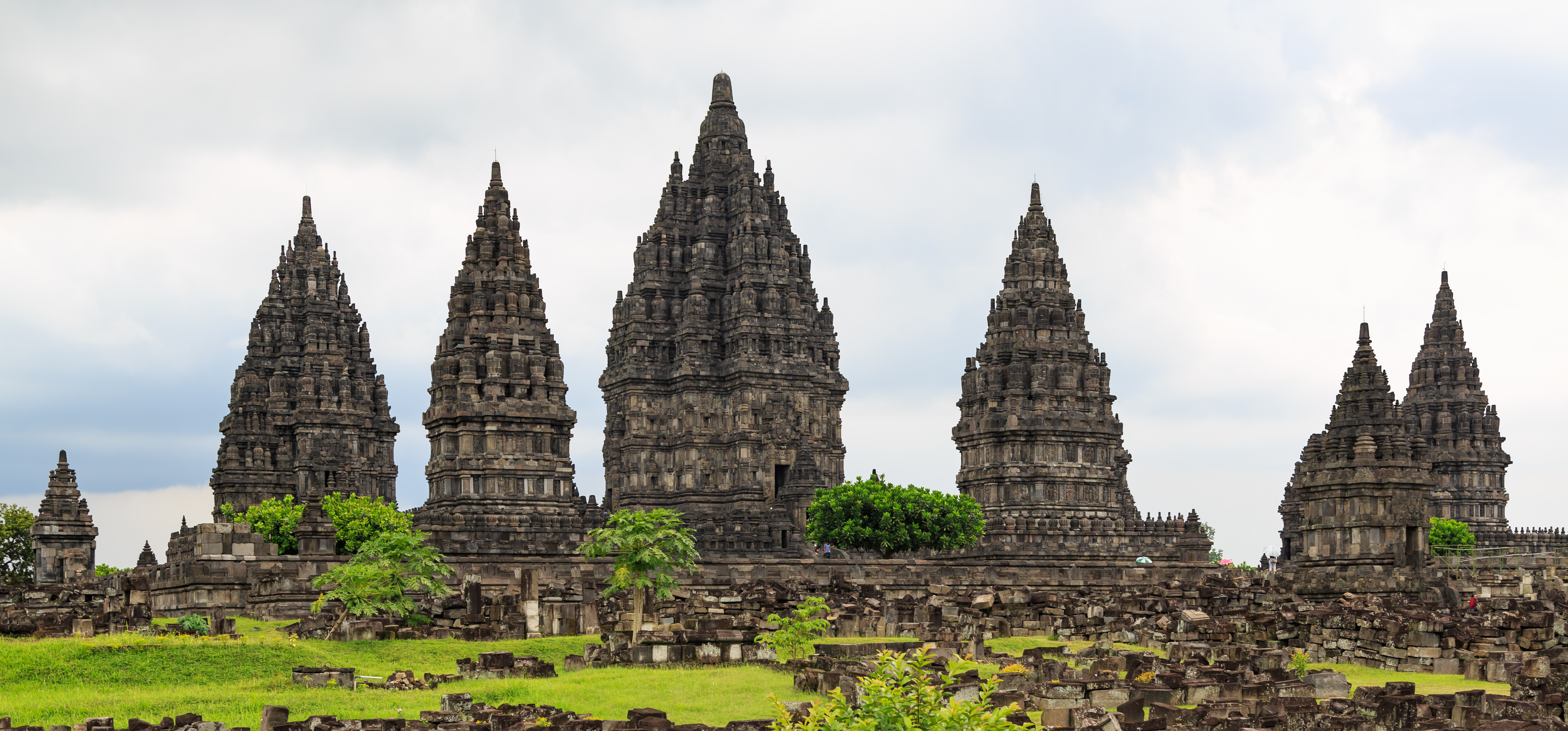
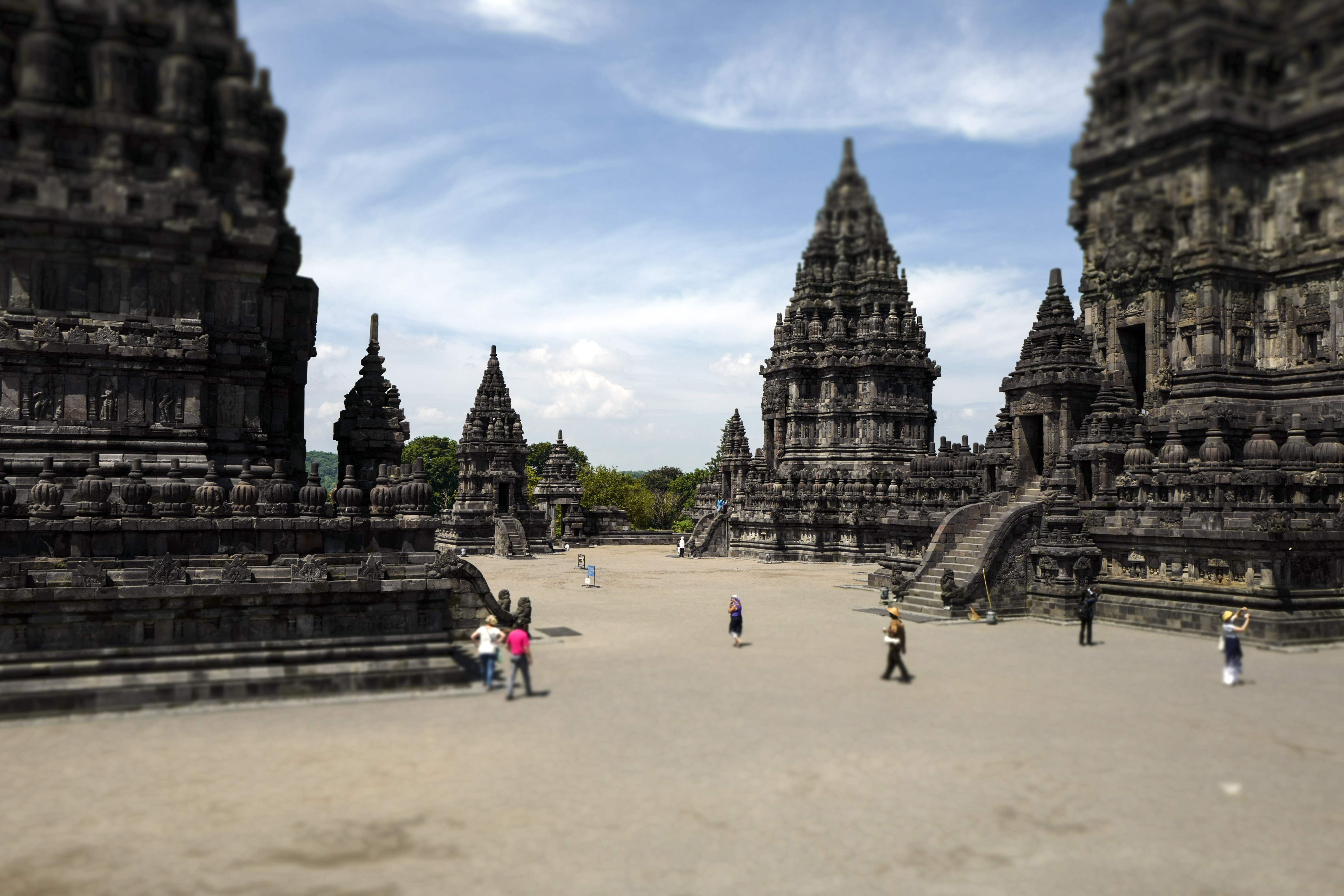
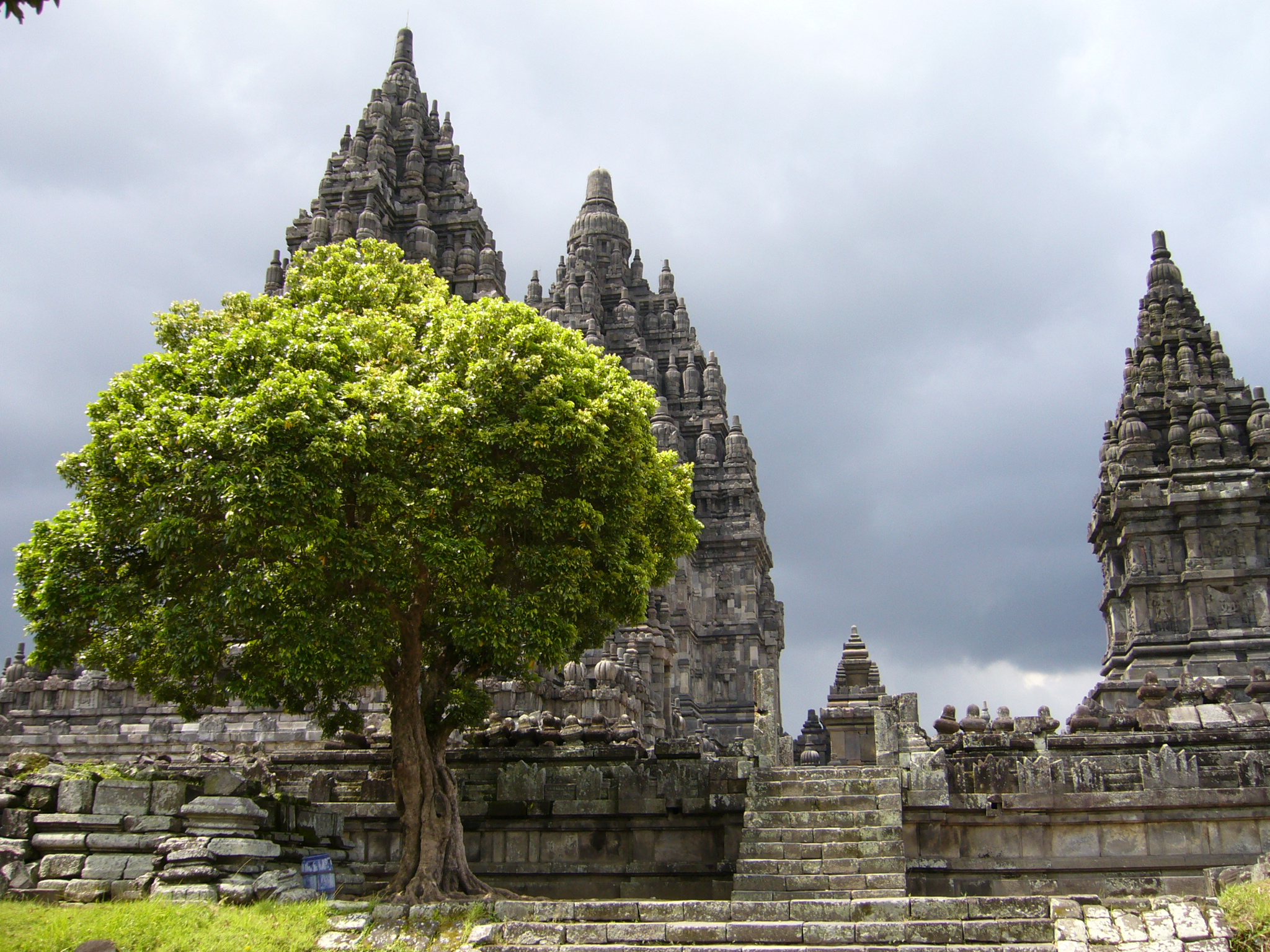
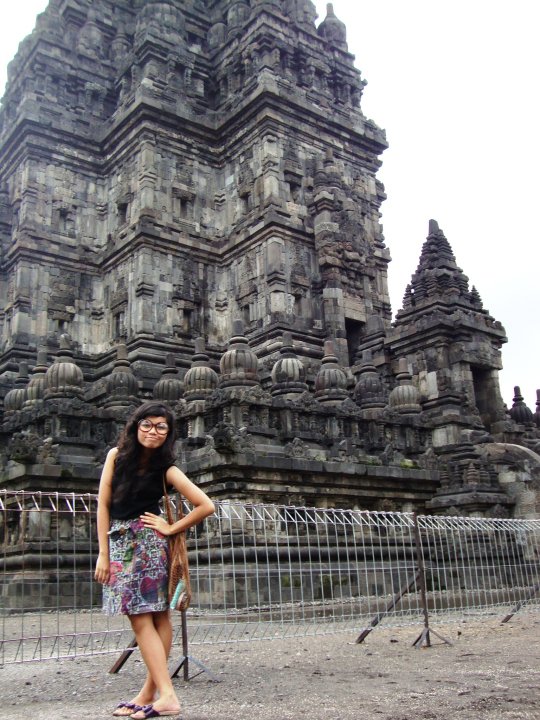
The temple's defining feature is its arrangement of towering candi structures—the distinctive pointed shrines characteristic of Hindu temple architecture in medieval Java. The reliefs adorning the complex depict scenes from the Ramayana, the great Sanskrit epic, rendered in the artistic vocabulary of Javanese tradition. These carved narratives serve both as decoration and as a visual teaching of dharmic principles, allowing devotees and visitors to encounter the epic's moral lessons through stone.
The scale and precision of the 9th-century construction demonstrate sophisticated architectural knowledge and considerable resources. The complex was designed to be viewed and traversed, with the arrangement of shrines and reliefs guiding the eye and the body through sacred space.
Visiting Hours and Access
The temple is open daily from 06:00 to 17:00. Visitors may purchase entrance tickets at the site; a sarong is provided at the entrance as a mark of respect. The grounds are accessible on foot, and comfortable walking shoes are recommended given the terrain and the distance between structures.
Prambanan lies approximately 30 to 45 minutes northeast of central Yogyakarta by road. It is reachable via the Trans Jogja bus system, by taxi, or as part of a day trip often combined with a visit to Borobudur, another major temple complex in the region. Yogyakarta's main railway station (Tugu) and the nearby Brambanan station both offer connections; Yogyakarta International Airport and the closer Adisutjipto Airport serve the region.
Dress and Conduct
Modest dress is appropriate both for the tropical heat and as a gesture of respect at this sacred site. A sarong is provided at the entrance for those who wish to wear one. Comfortable footwear is essential for walking the temple grounds. Visitors should move through the complex with awareness of its religious significance, particularly if Hindu ceremonies or prayers are taking place.
The Ramayana Ballet and Seasonal Performances
From May to October—the dry season—Prambanan hosts the Ramayana Ballet, a spectacular open-air dance-drama performed against the floodlit Shiva temple. This signature cultural event stages the Ramayana epic in Javanese theatrical tradition, allowing audiences to experience the ancient narrative through movement, music, and the dramatic backdrop of the illuminated candi towers. The performances typically occur on Tuesday, Thursday, and Saturday evenings, with an alternative presentation (Roro Jonggrang) held on Friday in an amphitheater or indoor venue. This season also offers the clearest skies for viewing the temple's architecture and reliefs.
Hindu Observances and Festivals
Prambanan holds particular significance for Indonesia's Hindu community during Nyepi, the Balinese Hindu New Year observed in March. Around this time, devotees gather at the complex for prayers and ritual observances. Tawur Agung Kesanga, a purification ceremony held on the eve of Nyepi, draws Hindu worshippers to the temple grounds—one of the few occasions of organized Hindu ritual at the monument. These observances represent a continuing thread of devotion at this 9th-century site, maintaining the spiritual purpose for which it was built.
Planning Your Visit
The dry season from May to October offers the best conditions for visiting: clear skies, comfortable temperatures for walking, and the opportunity to attend the Ramayana Ballet performances if desired. Allow several hours to walk the grounds and view the reliefs and shrines. Bring water and sun protection. If you wish to participate in or observe Hindu ceremonies, inquire at the entrance about timing, as special observances occur primarily around Nyepi in March. The temple can be visited as a standalone destination or combined with nearby Borobudur and Ratu Boko Palace to form a fuller picture of the region's religious heritage.
How to reach
You may also visit
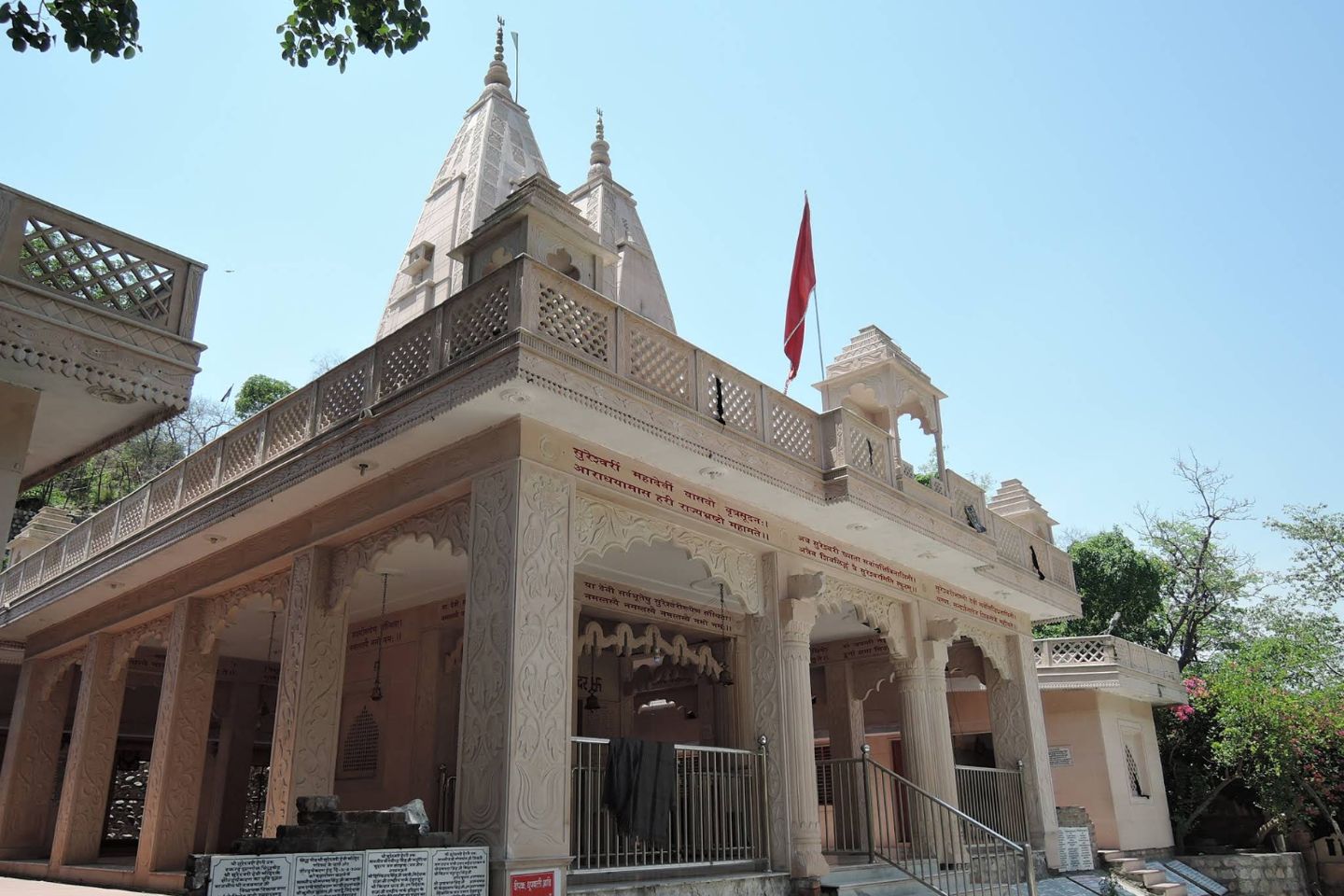
Sureshwari Devi Temple
Sureshwari Devi Temple in Haridwar is a forest shrine dedicated to the goddess, situated within the Ranipur Range area near Rajaji National Park, offering a secluded spiritual e…
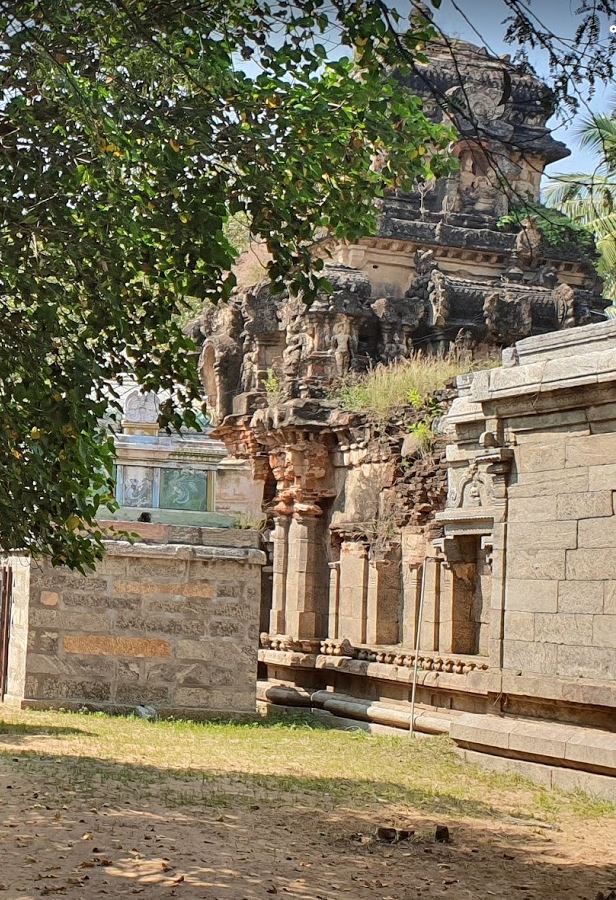
Agatheeswarar Temple, Karur
Agatheeswarar Temple in Thirumukkudalur, Karur district, is an ancient Hindu shrine dedicated to Shiva, situated at the sacred confluence of three rivers and believed to be over…

Shani Shingnapur
Shani Shingnapur is a renowned temple in Maharashtra dedicated to Lord Shani, featuring a self-emerged black stone idol worshipped under open sky. The temple is located in a uni…
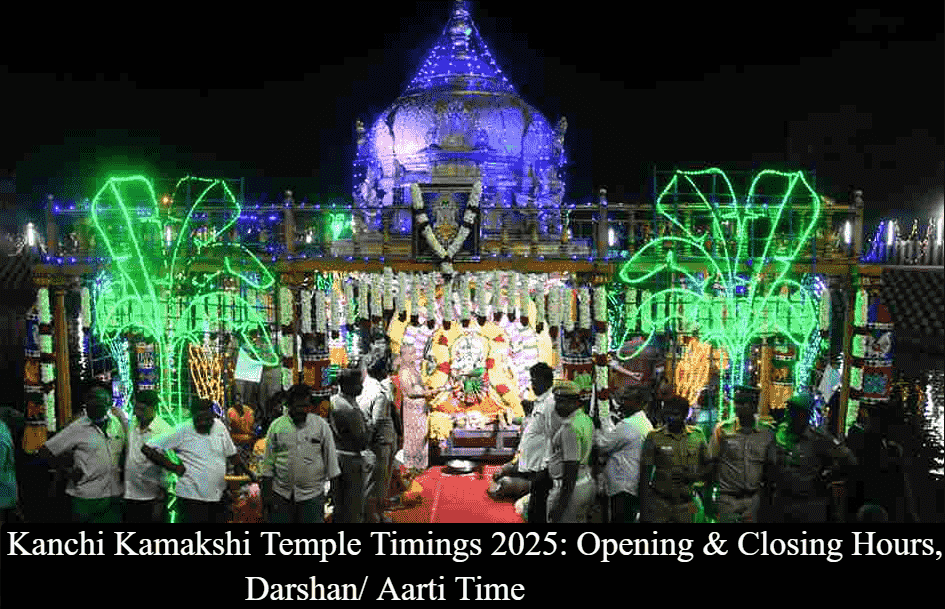
Kamaksha
Arulmigu Kamakshi Amman Temple in Mangadu, near Chennai, is dedicated to the goddess Kamakshi, an aspect of Adi Parashakti. According to legend, the goddess performed austeritie…
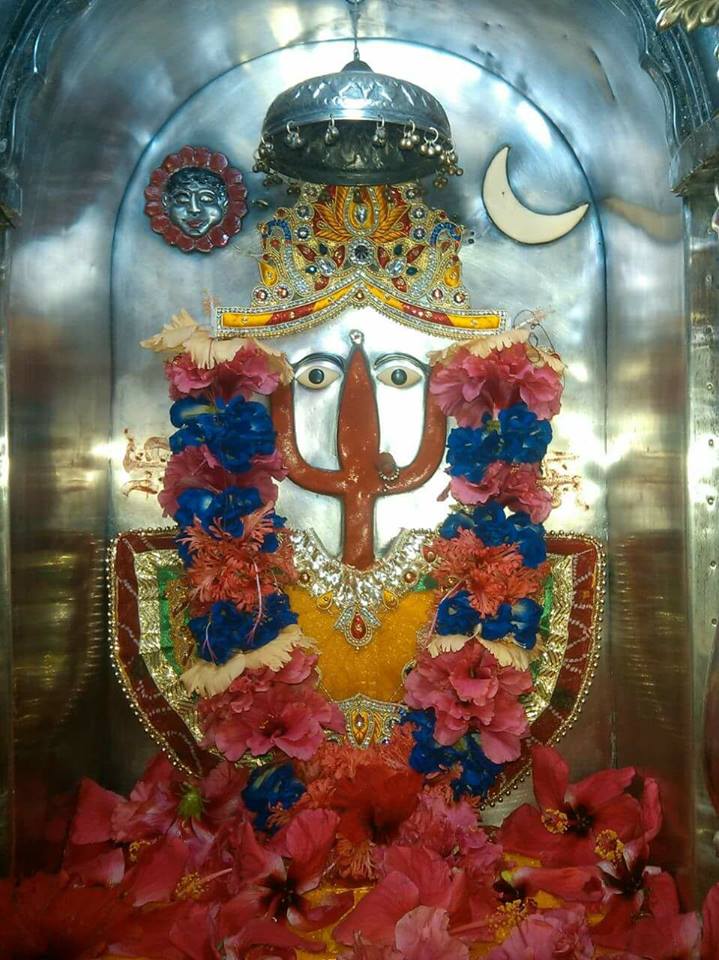
Guhaditya temple
Guhaditya temple in Dwarka is an ancient shrine dedicated to the sun deity, established over 150 years ago. Pilgrims enter through the Swarg Dwar (Gateway to Heaven) and exit vi…
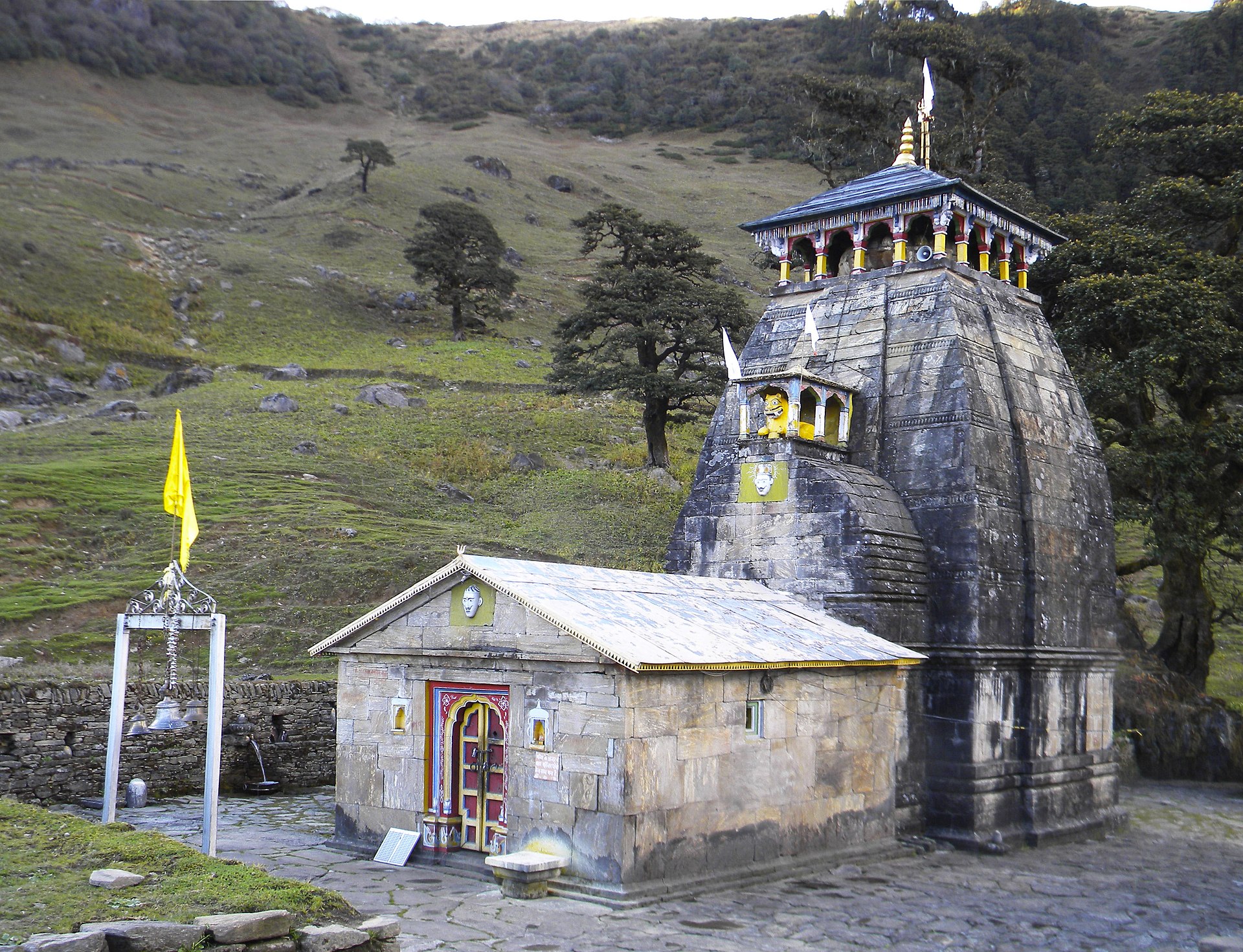
Madhyamaheshwar Temple
Madhyamaheshwar Temple is one of the five sacred Shiva shrines in the Panch Kedar pilgrimage circuit, located in the Garhwal Himalayas of Uttarakhand. Each temple in the circuit…