Candi Kethek
About Candi Kethek
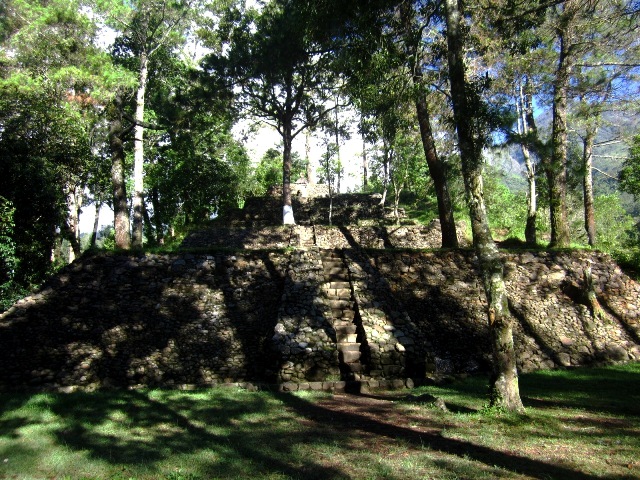
Candi Kethek stands in Anggrasmanis village within Gumeng subdistrict, Jenawi district, in Karanganyar Regency, Central Java, Indonesia. The temple was established during the 15th to 16th century, a period of significant Hindu temple construction in the region. Its pyramid structure reflects architectural traditions associated with Hindu sacred spaces in Central Java, and its location near Mount Lawu connects it to the spiritual geography of the area. The identity of the primary deity worshipped here is not recorded in available sources, which limits detailed understanding of the specific devotional practices historically centered at this site.
Architecture and Structure
The temple's pyramid form distinguishes it architecturally and suggests connections to broader Hindu temple-building traditions of medieval Central Java. This structural style would have served both aesthetic and ritual purposes, with the ascending levels typically representing cosmic or spiritual ascent. The temple's age—now spanning nearly five centuries—means that its original architectural details and any decorative elements may have been subject to weathering, restoration, or modification over time. Visitors should approach the site with awareness that what remains today reflects both the builders' original vision and the effects of centuries of exposure to the tropical climate of Central Java.
Location and Access
The temple is situated in a rural village setting within the Karanganyar Regency. The proximity to Mount Lawu, a significant geographical and spiritual landmark in Central Java, positions the temple within a landscape of religious importance. Visitors traveling to Candi Kethek should plan their journey to Anggrasmanis village in Gumeng subdistrict as their destination. Local transportation options and road conditions in this area should be confirmed before travel, as rural temple sites in Central Java may have limited public transport connections. Those traveling from major cities in Central Java should allow time for the journey to this village location.
Visiting the Temple
Specific information about darshan hours, daily rituals, or formal worship schedules at Candi Kethek is not available from documented sources. Visitors should approach the site respectfully, as would be appropriate at any Hindu temple. Modest dress is generally expected at Hindu sacred spaces. Since the temple dates to the 15th-16th century and is located in a village setting, facilities for visitors may be minimal or absent. Those planning a visit should bring water and any necessary supplies, and should be prepared for a rural environment. It would be wise to inquire locally about current conditions, accessibility, and any protocols for visiting before arrival.
Historical Significance
The temple's establishment during the 15th to 16th century places it within a period of Hindu cultural presence in Central Java. This era saw the construction of numerous temples across the region, reflecting the religious life of Hindu communities in Java during the late medieval period. Candi Kethek represents a surviving example of this heritage, though detailed historical records about its founding, patronage, or specific religious functions have not been preserved in widely accessible sources. The temple's continued existence makes it a tangible connection to this historical period.
Practical Considerations
Visitors should recognize that Candi Kethek is a rural, historical site rather than a major pilgrimage center with developed infrastructure. There is no recorded information about accommodation, food services, or other visitor amenities at or near the temple. The site's age and village location mean that preservation conditions may vary, and some structural elements may show signs of age. Photography policies and any restrictions on entry are not documented. Visitors are advised to treat the site with the reverence appropriate to a Hindu sacred space and to respect any local customs or practices they encounter. Checking with local authorities or village contacts before visiting would help ensure a respectful and informed visit.
How to reach
You may also visit
Sureshwari Devi Temple
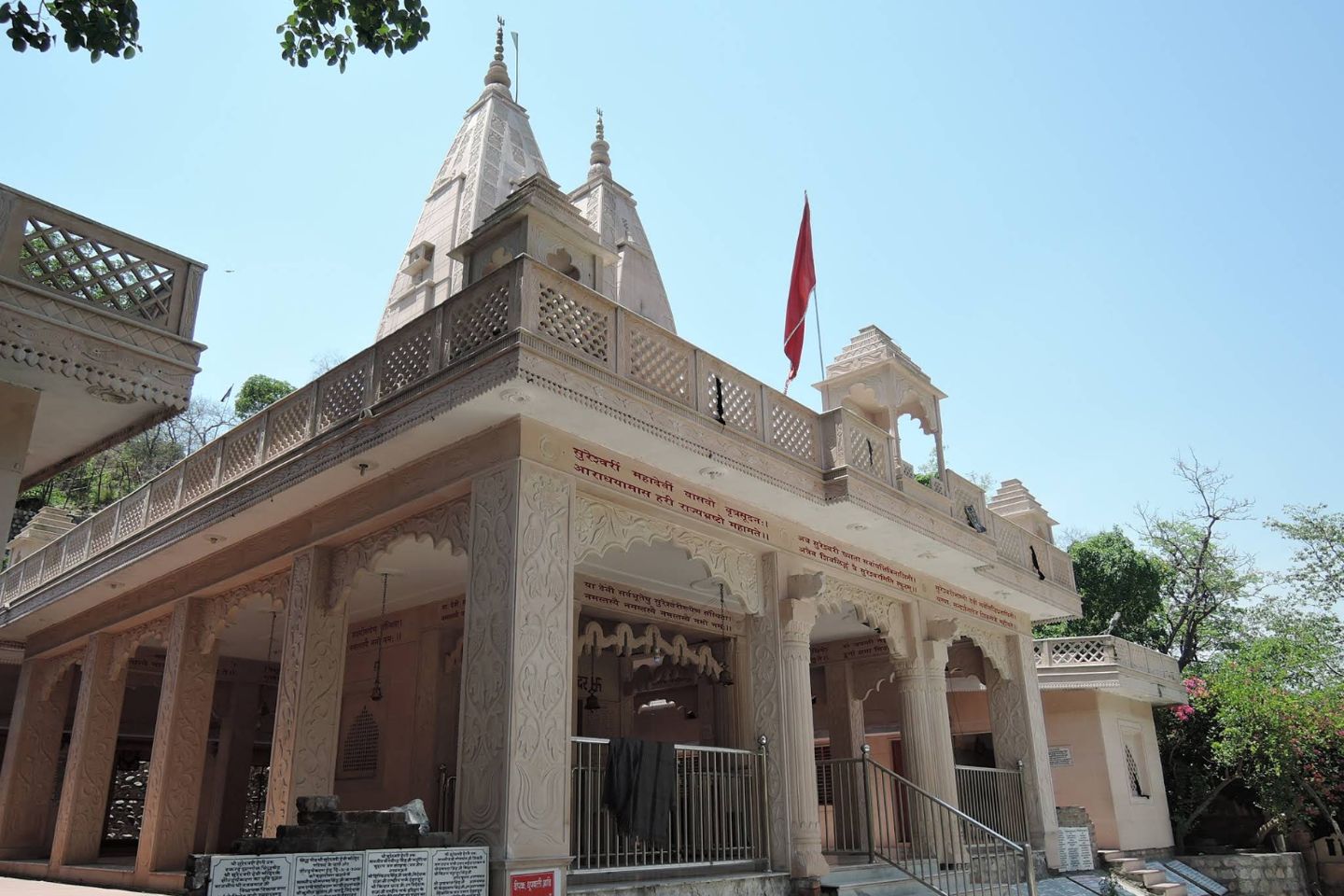
Sureshwari Devi Temple in Haridwar is a forest shrine dedicated to the goddess, situated within the Ranipur Range area near Rajaji National Park, offering a secluded spiritual e…
Agatheeswarar Temple, Karur
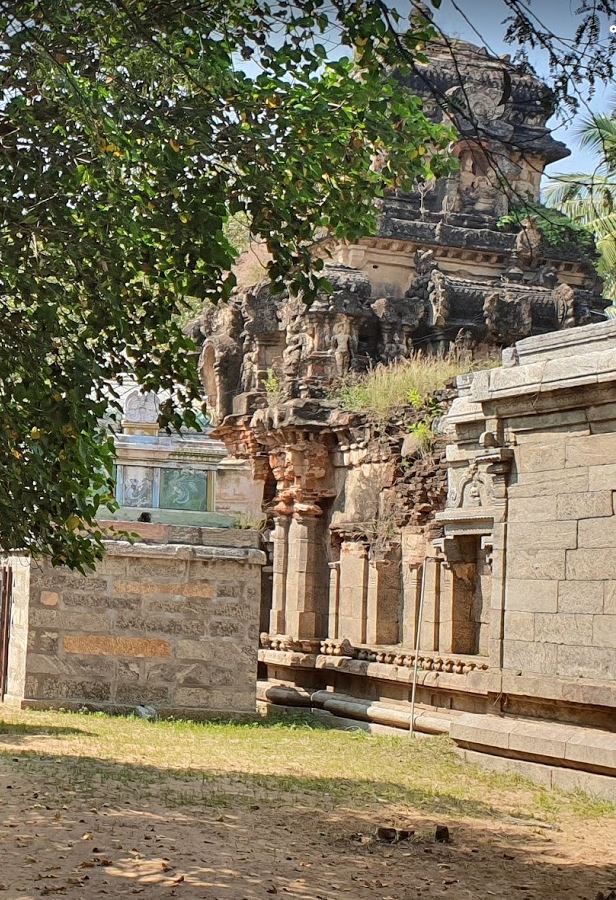
Agatheeswarar Temple in Thirumukkudalur, Karur district, is an ancient Hindu shrine dedicated to Shiva, situated at the sacred confluence of three rivers and believed to be over…

Shani Shingnapur
Shani Shingnapur is a renowned temple in Maharashtra dedicated to Lord Shani, featuring a self-emerged black stone idol worshipped under open sky. The temple is located in a uni…
Kamaksha
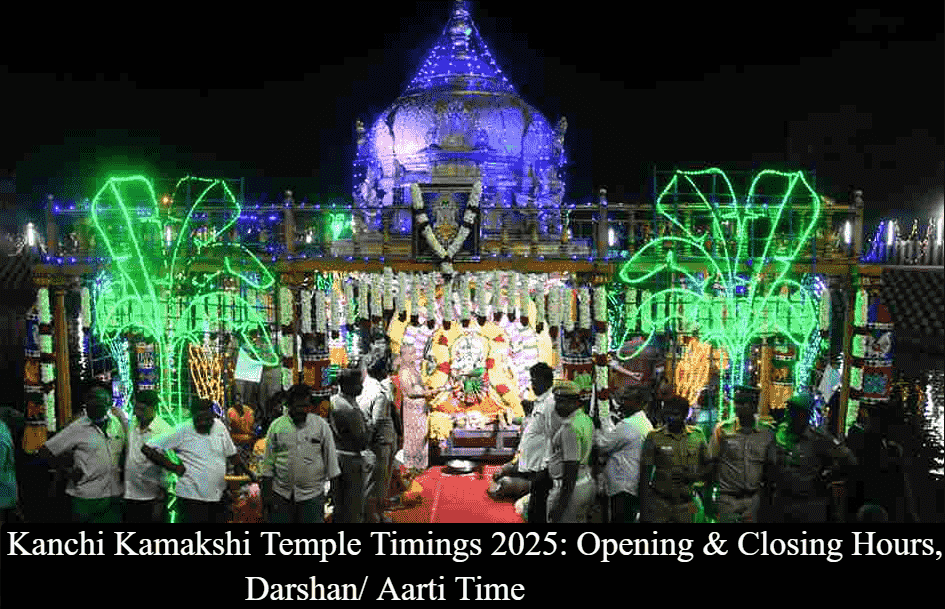
Arulmigu Kamakshi Amman Temple in Mangadu, near Chennai, is dedicated to the goddess Kamakshi, an aspect of Adi Parashakti. According to legend, the goddess performed austeritie…
Guhaditya temple
Guhaditya temple in Dwarka is an ancient shrine dedicated to the sun deity, established over 150 years ago. Pilgrims enter through the Swarg Dwar (Gateway to Heaven) and exit vi…
Madhyamaheshwar Temple
Madhyamaheshwar Temple is one of the five sacred Shiva shrines in the Panch Kedar pilgrimage circuit, located in the Garhwal Himalayas of Uttarakhand. Each temple in the circuit…