Bhringesvara Siva Temple
About Bhringesvara Siva Temple
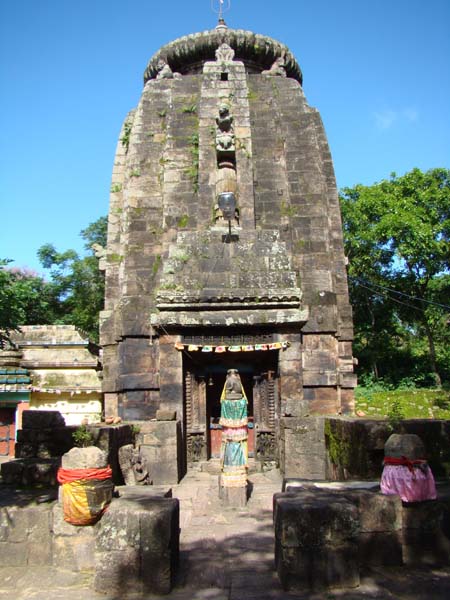
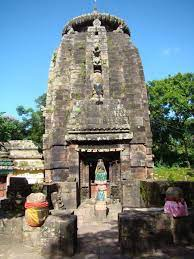
The temple occupies a significant geographical location on the foothills of Dhauli, overlooking the left bank of the Daya River in the southeastern outskirts of Bhubaneswar. This riverside setting in the Dhauli region places the temple within a landscape of historical and spiritual importance to Odisha. The natural topography—the river, the hills, and the open platform—creates a setting that has drawn devotees for over a millennium.
The village of Khatuapada, where the temple stands, remains a small settlement, allowing visitors to experience the temple within a relatively undisturbed rural context rather than an urban temple complex.
Visiting Hours and Practical Information
The temple is open daily from 06:00 to 21:00, providing a full day of access for darshan. Photography is not permitted within the temple premises. Visitors should dress modestly, as is customary at Hindu temples; removing footwear before entering the sanctum is standard practice. The early morning hours typically offer a quieter atmosphere for worship and reflection.
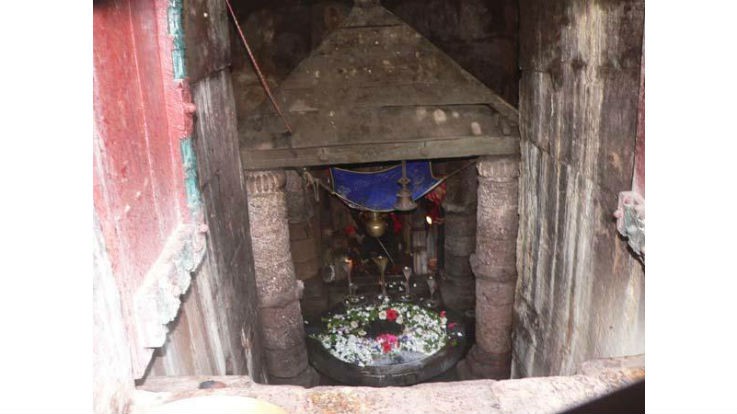
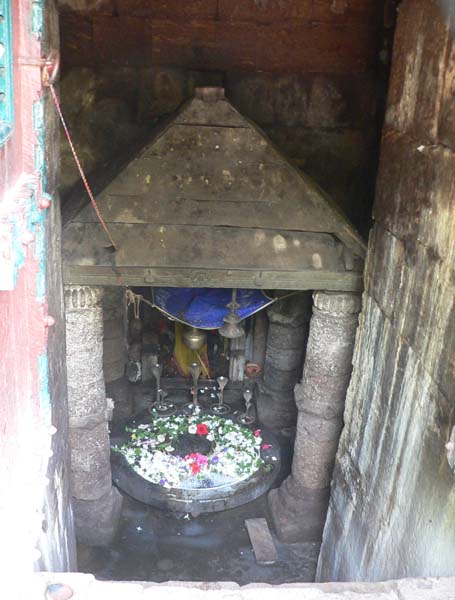
No specific information about prasad distribution, ablution rituals, or other daily ceremonies at this particular temple is documented in available sources. Visitors planning their visit should be prepared for a simple, unadorned worship space focused on the yoni pitha itself rather than elaborate ritual performances or facilities.
Location and Access
The temple is situated in Khatuapada village on the southeastern outskirts of Bhubaneswar, Odisha's capital city. The coordinates are 22.19916667°N, 85.83777778°E. Bhubaneswar is well connected by road and rail, and the temple's location on the city's outskirts makes it accessible by local transport. Visitors traveling from central Bhubaneswar should allow time for the journey to this peripheral location. The proximity to the Daya River and Dhauli foothills may be of interest to those exploring the broader archaeological and natural heritage of the region.
A Temple of Antiquity
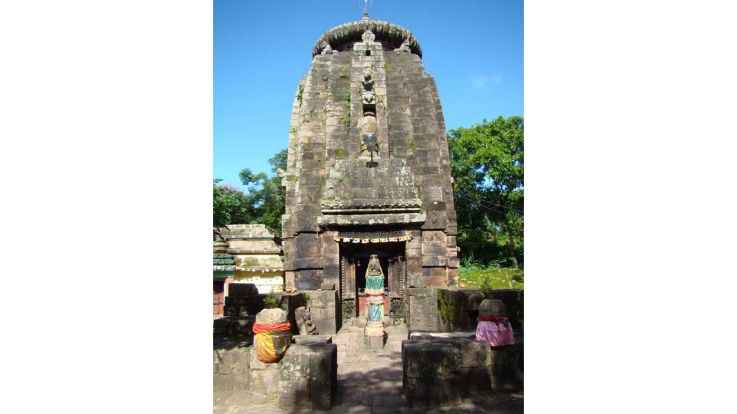
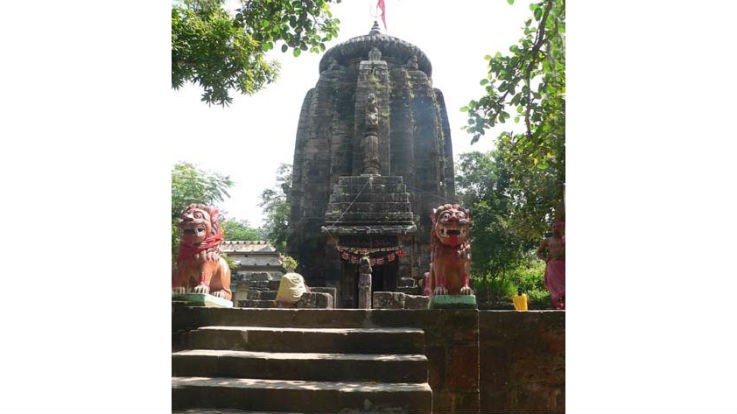
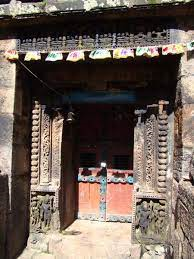
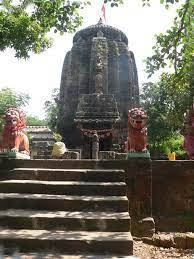
Bhringesvara represents an important survival of 8th-century Odishan temple architecture and early Hindu worship practices. Its yoni pitha form of Shiva devotion, its sandstone construction, and its riverside setting combine to create a site of genuine historical significance. For visitors interested in medieval Indian architecture, the development of Kalinga temple design, or the diverse forms of Shiva worship across Hindu tradition, this temple offers direct encounter with these themes. The site's protection as an archaeological monument reflects its value to understanding Odisha's religious and cultural heritage.
How to reach
You may also visit
Kalyanji Temple
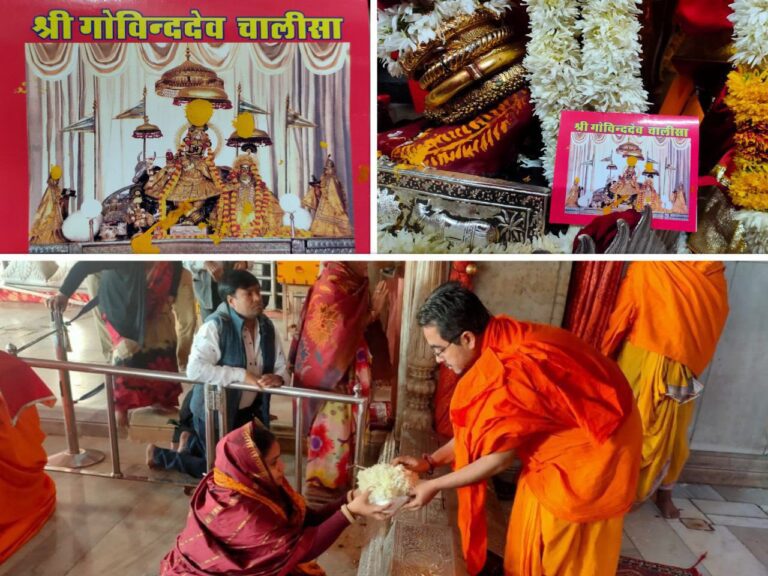
Kalyanji Temple in Jaipur's Chandpol Bazaar is approximately two centuries old and renowned for displaying the twenty-four avatars of Krishna, visible only twice yearly during Akha Teej and Patottsav festival.
Sastha (Ayyappan) Temple
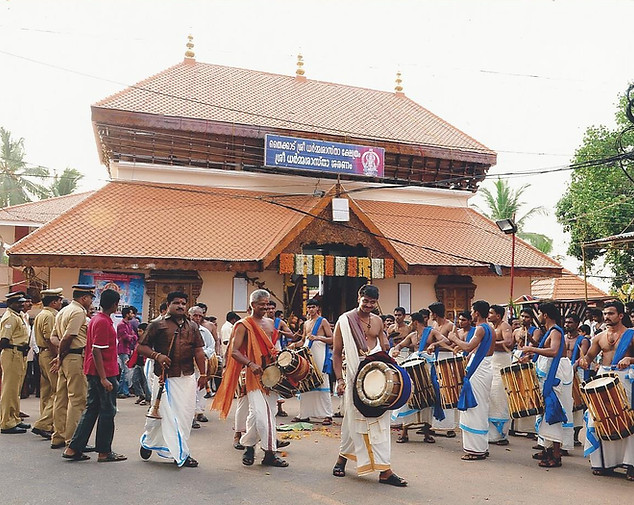
Sree Dharma Sastha Temple in Thycaud, Thiruvananthapuram, is a centuries-old shrine where the deity manifests as Dhanwanthari, the divine healer, holding the sacred blue lotus.
Govindarajaswamy Temple
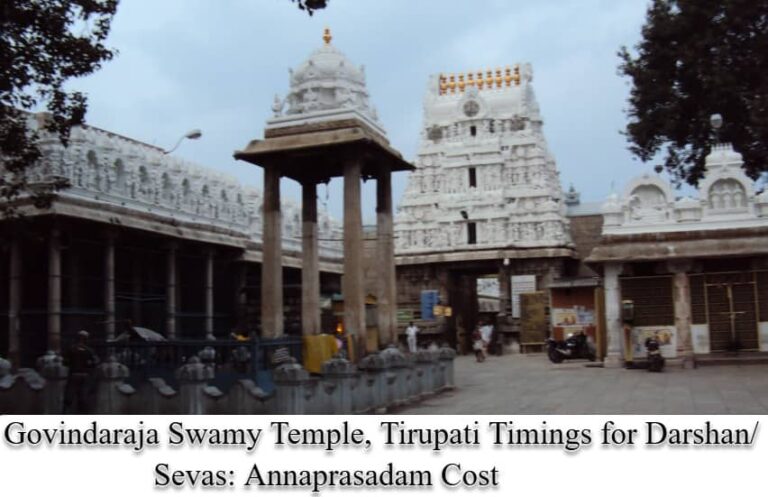
Sri Govindarajaswamy Temple in Tirupati is an ancient Vaishnavaite shrine consecrated in 1130 AD by Saint Ramanuja, where the presiding deity rests in eternal Yoga Nidra on the serpent Adisesha.