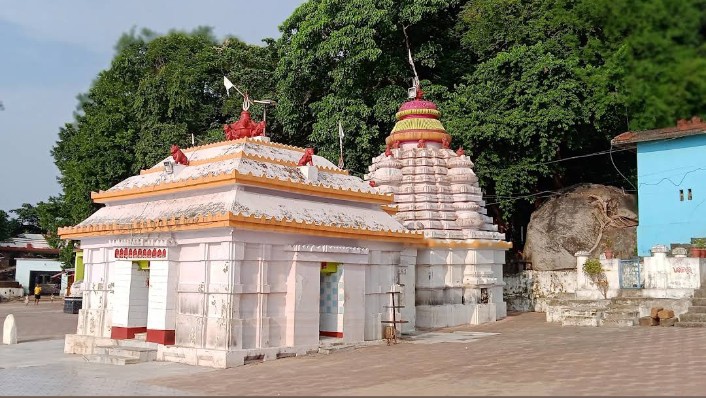
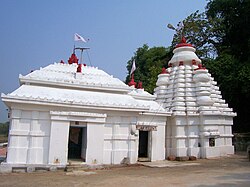
Bhattarika Temple
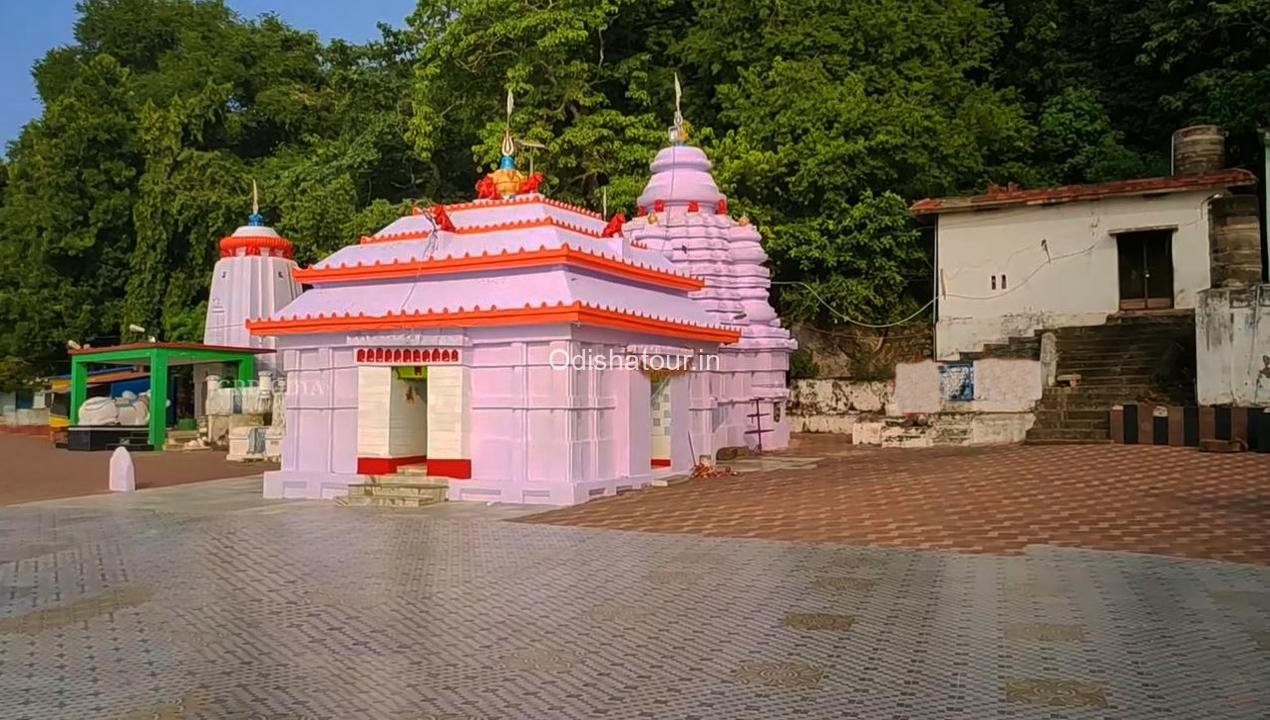
About Bhattarika Temple
The temple opens for darshan twice daily: from 05:00 to 13:00 in the morning, and from 15:00 to 19:00 in the afternoon. During peak seasons, wait times for darshan can extend from 30 minutes to an hour. Arriving early in the morning typically offers a more peaceful experience with shorter queues.
Daily puja rituals are performed at the temple, though specific details of the worship schedule beyond darshan hours are not fully documented in available sources. Visitors should plan their visit around the published darshan timings to ensure access to the sanctum.
Major Festivals and Observances
Three significant festivals are celebrated at Bhattarika Temple throughout the year. Pana Sankranti is observed in April, Akshaya Tritiya in May, and Dussehra in October. Dussehra is the principal festival, drawing large numbers of devotees, particularly on Maha Asthami. During Dussehra celebrations, buffalo sacrifices are performed as an offering to the deity—a practice that reflects traditional worship at this Shakti Pitha and which visitors sensitive to animal sacrifice should be aware of when planning their visit.
Winter and spring seasons also see increased visitation, with many visitors drawn to the temple for both spiritual purposes and to enjoy the natural beauty of the surrounding landscape during these more temperate months.
Best Times to Visit
The optimal period for visiting Bhattarika Temple extends from August through February. These months avoid the intense summer heat that characterizes the region during other seasons, while offering pleasant weather and clear views of the surrounding landscape. Winter and spring are particularly noted for their scenic appeal, making the riverbank setting especially rewarding during these months.
Summer heat and the monsoon season are best avoided, as they can make the climb to the temple uncomfortable and may affect accessibility.
Visitor Etiquette and Practical Information
As a Hindu temple dedicated to the goddess, visitors should observe standard temple etiquette: remove footwear before entering the sanctum, dress modestly, and maintain respectful behavior within the sacred space. Photography policies may vary; it is advisable to inquire at the temple regarding any restrictions.
The temple is situated approximately 10 kilometers from Badamba and about 82 kilometers from Cuttack town. Nearby attractions include Dabarkhola Waterfall and Deojhar Waterfall, which lie at some distance from the temple and can be incorporated into a broader pilgrimage itinerary. The temple's location within Cuttack district makes it accessible as part of a wider exploration of Odisha's sacred sites, including destinations such as Puri, Bhubaneswar, and Konark.
How to reach

You may also visit
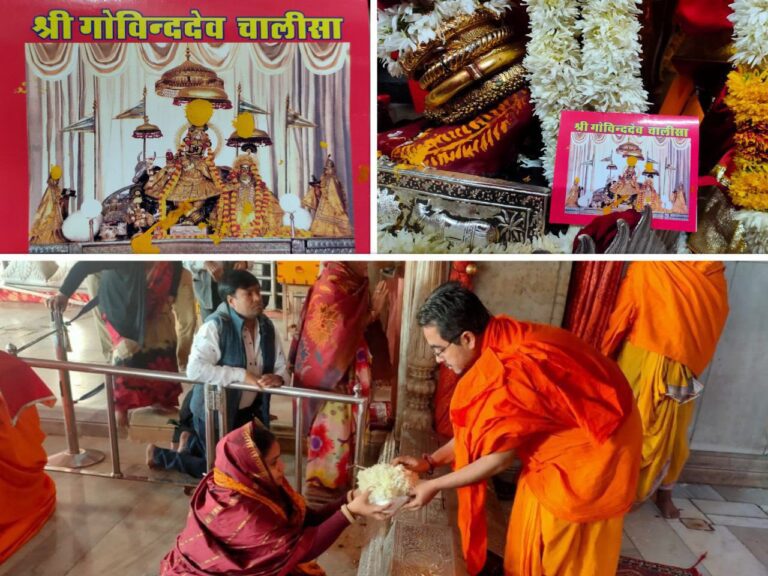
Kalyanji Temple
Kalyanji Temple in Jaipur's Chandpol Bazaar is approximately two centuries old and renowned for displaying the twenty-four avatars of Krishna, visible only twice yearly during Akha Teej and Patottsav festival.
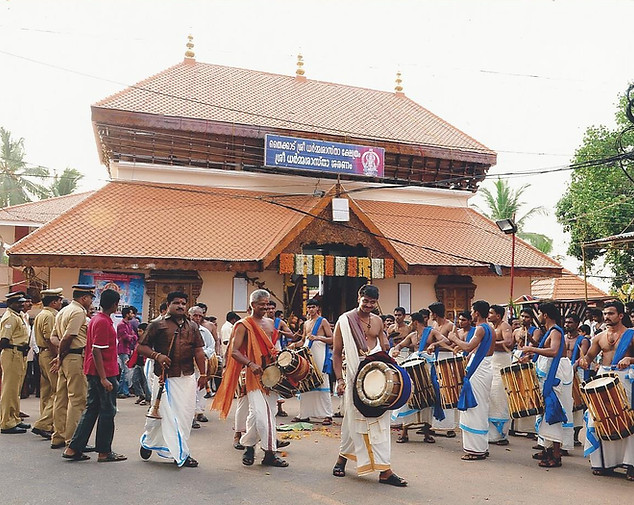
Sastha (Ayyappan) Temple
Sree Dharma Sastha Temple in Thycaud, Thiruvananthapuram, is a centuries-old shrine where the deity manifests as Dhanwanthari, the divine healer, holding the sacred blue lotus.
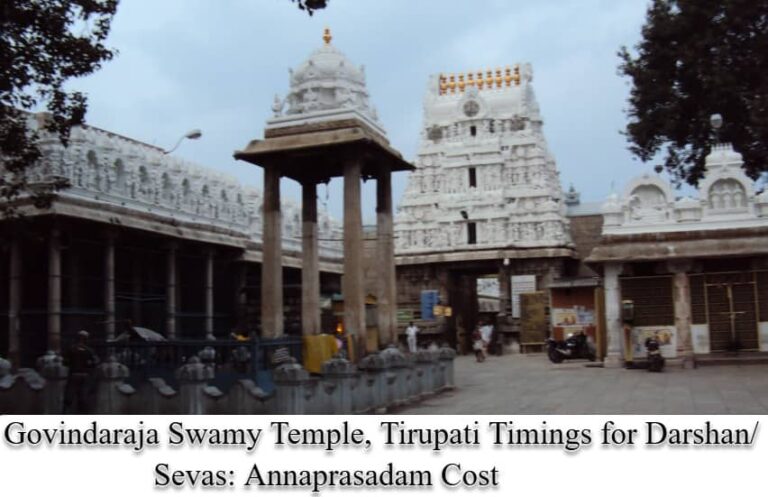
Govindarajaswamy Temple
Sri Govindarajaswamy Temple in Tirupati is an ancient Vaishnavaite shrine consecrated in 1130 AD by Saint Ramanuja, where the presiding deity rests in eternal Yoga Nidra on the serpent Adisesha.