Bezor Doul
About Bezor Doul
The temple's origins reach back to the 13th century, making it an ancient structure by the standards of most Indian religious buildings. Over the centuries, it has been shaped by successive generations of patrons and builders. The sabhamandap, or assembly hall, was constructed in the 18th century by Nana Phadnavis, a significant historical figure in the region. The shikhara, the temple's distinctive tower, was also built during this period under Phadnavis's patronage, representing a major architectural intervention that gave the temple much of its current form.
The temple displays the Nagara style of architecture, a classical Hindu building tradition. The structure itself is described as modest yet graceful, combining older elements with later additions. The craftsmanship reflects the skills of ancient sculptors, though the temple has been modified and maintained across the centuries. The great Maratha ruler Shivaji is recorded as having made endowments to support the temple's worship services, underscoring its importance to regional rulers. A large bell, one of five taken from Vasai Fort after a military victory against the Portuguese, was later offered to the temple, and remains part of its material heritage.
Daily Worship and Darshan
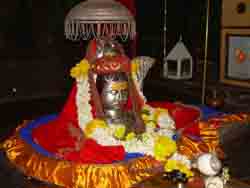
The temple opens at 5:00 AM and remains accessible until 9:30 PM, accommodating both early morning pilgrims and those visiting in the evening. The abhisheka—ritual bathing of the deity—takes place between 5:30 AM and 12:00 PM, with multiple ceremonies throughout this window. These are the primary ritual moments when devotees gather to witness the sacred rites performed by the temple's priests.
Visitors should plan their visit around these timings if they wish to participate in or observe the abhisheka. The early morning hours are traditionally considered especially auspicious for darshan, the viewing of the deity. Those unable to visit in person may access live streams of the temple's rituals through online platforms, allowing remote participation in the worship.
The Sacred Landscape
Bhimashankar's location within a wildlife sanctuary adds another dimension to a visit. The Sahyadri hills surrounding the temple are part of the Western Ghats, a region of exceptional biodiversity. The area is home to a variety of birds, animals, insects, and plants. The Malabar Giant Squirrel, known locally as "Shekaru," inhabits the deep forests nearby. This natural richness makes the temple a destination not only for pilgrims but also for those interested in trekking and wildlife observation, combining spiritual practice with engagement with the natural world.
The temple also marks the source of the river Bhima, a waterway of significance in the region's geography and mythology.
Reaching the Temple
The temple is situated 50 kilometres northwest of Khed and 125 kilometres from Pune, positioned in the ghat region of the Sahyadri hills. The journey involves travel through mountainous terrain. Visitors should plan for the distance and elevation when arranging transportation. The temple's remote location means that accommodation and facilities are available in the immediate area, though visitors may wish to arrange lodging in advance, particularly during peak pilgrimage seasons.
Visiting Practicalities
Temples dedicated to Shiva typically follow conventions regarding dress and conduct. Visitors should dress modestly and respectfully. The temple's long daily hours—from early morning through evening—allow flexibility in planning a visit. Those wishing to participate in specific rituals should arrive during the abhisheka window. The approximately 150 stairs leading to the temple should be considered when planning a visit, particularly for those with mobility concerns.
How to reach
You may also visit
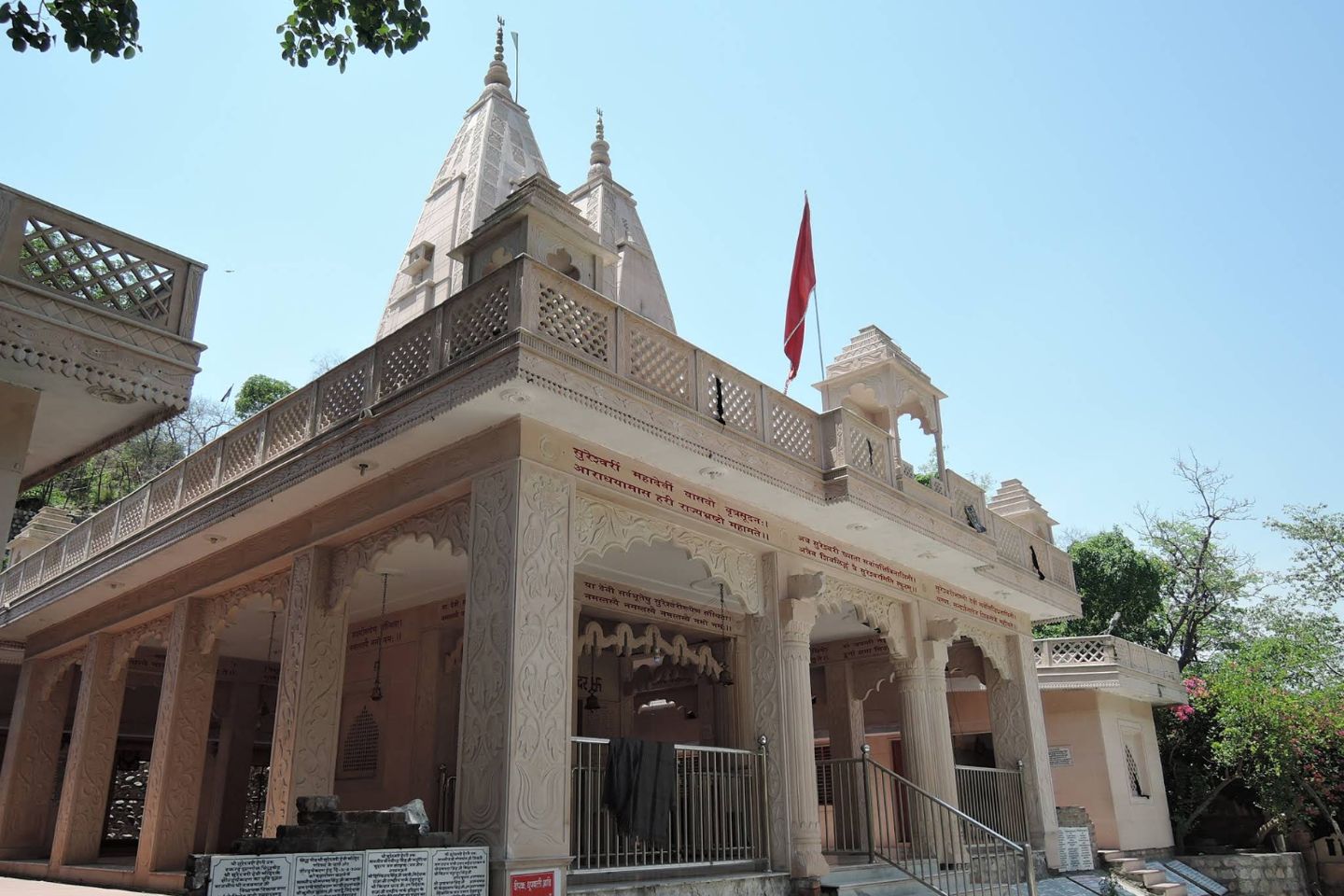
Sureshwari Devi Temple
Sureshwari Devi Temple in Haridwar is a forest shrine dedicated to the goddess, situated within the Ranipur Range area near Rajaji National Park, offering a secluded spiritual e…
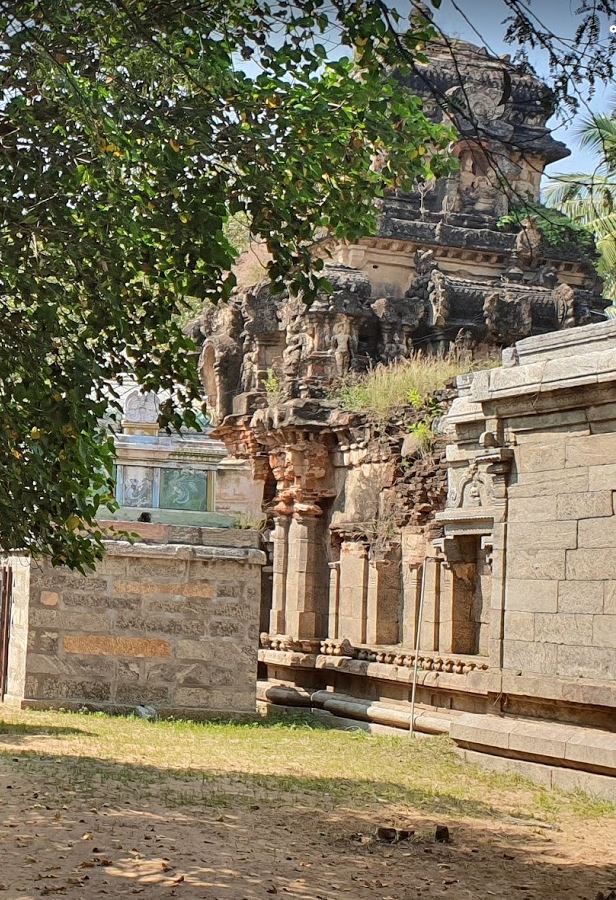
Agatheeswarar Temple, Karur
Agatheeswarar Temple in Thirumukkudalur, Karur district, is an ancient Hindu shrine dedicated to Shiva, situated at the sacred confluence of three rivers and believed to be over…

Shani Shingnapur
Shani Shingnapur is a renowned temple in Maharashtra dedicated to Lord Shani, featuring a self-emerged black stone idol worshipped under open sky. The temple is located in a uni…
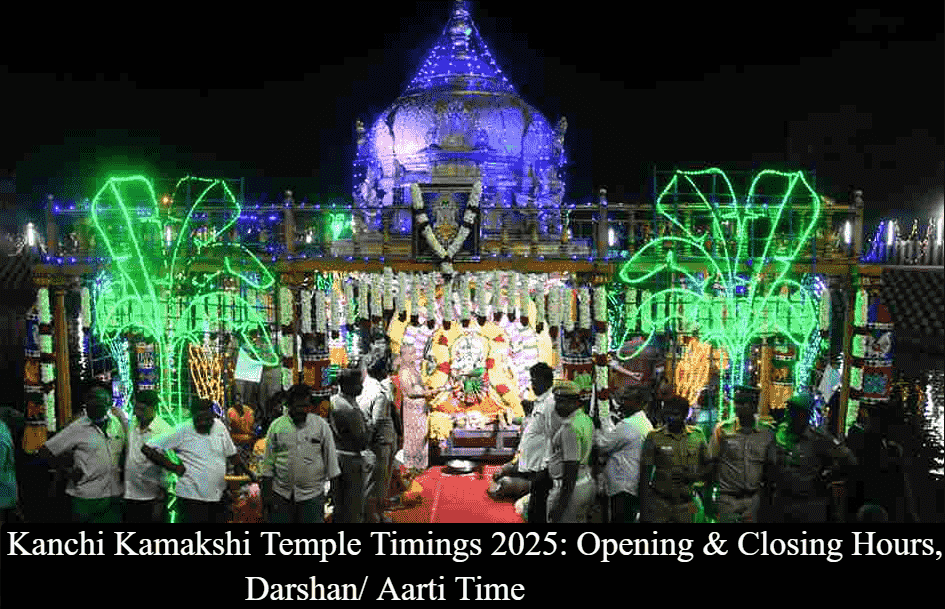
Kamaksha
Arulmigu Kamakshi Amman Temple in Mangadu, near Chennai, is dedicated to the goddess Kamakshi, an aspect of Adi Parashakti. According to legend, the goddess performed austeritie…
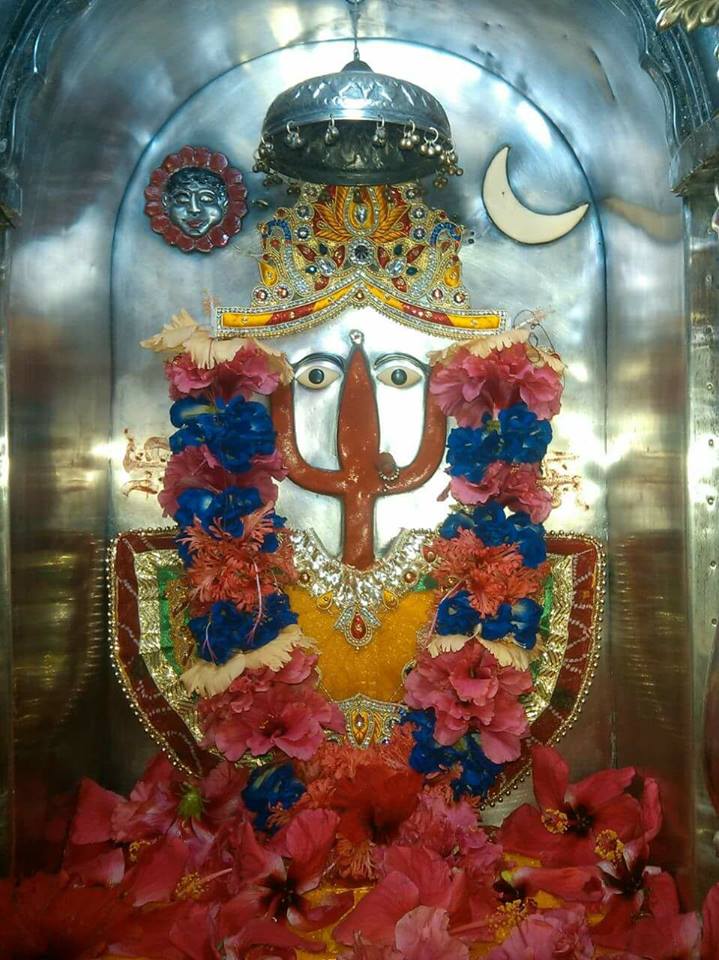
Guhaditya temple
Guhaditya temple in Dwarka is an ancient shrine dedicated to the sun deity, established over 150 years ago. Pilgrims enter through the Swarg Dwar (Gateway to Heaven) and exit vi…
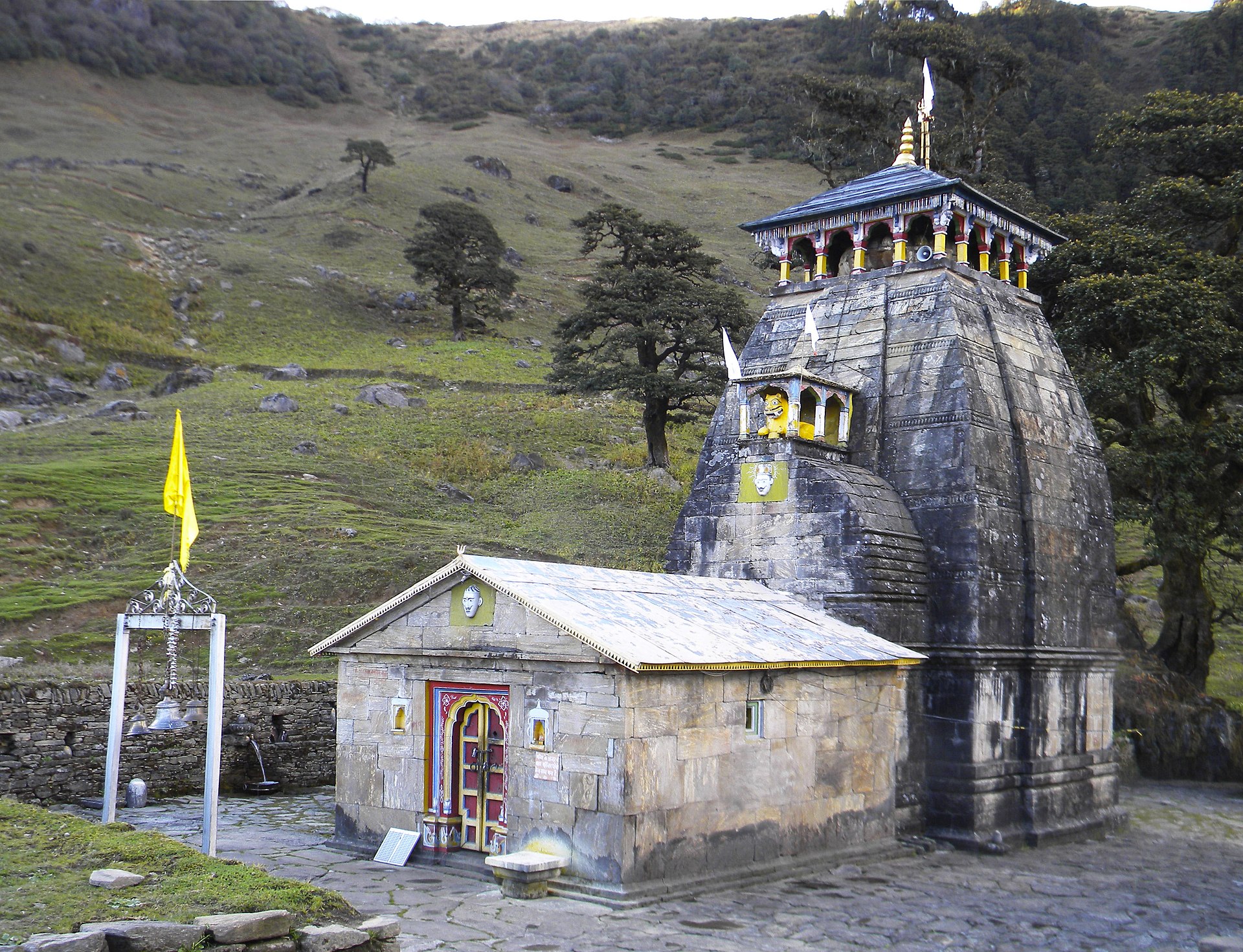
Madhyamaheshwar Temple
Madhyamaheshwar Temple is one of the five sacred Shiva shrines in the Panch Kedar pilgrimage circuit, located in the Garhwal Himalayas of Uttarakhand. Each temple in the circuit…