Banda Deul
About Banda Deul
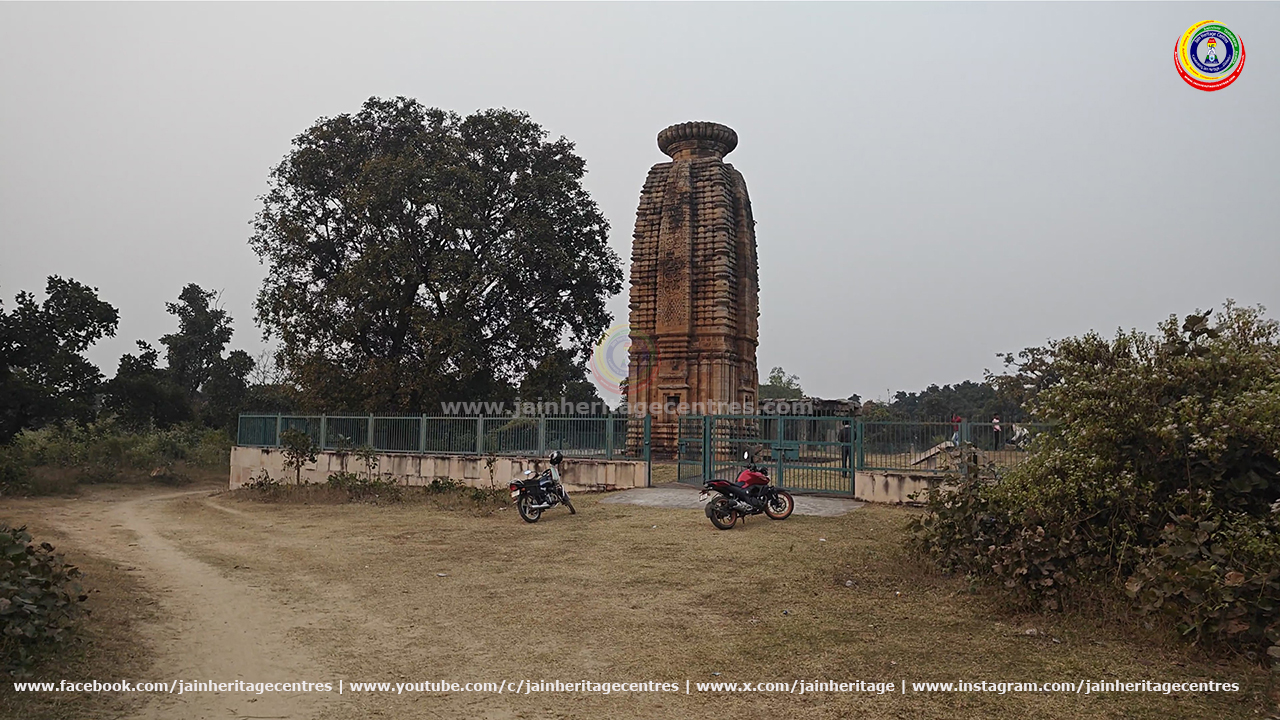
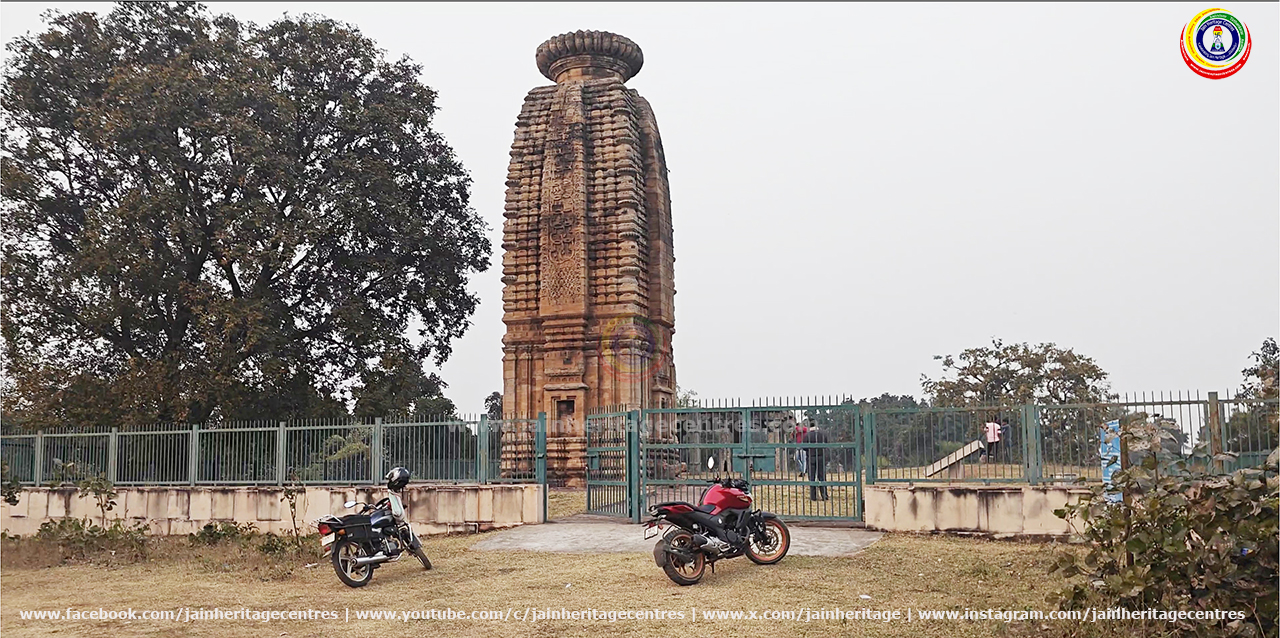
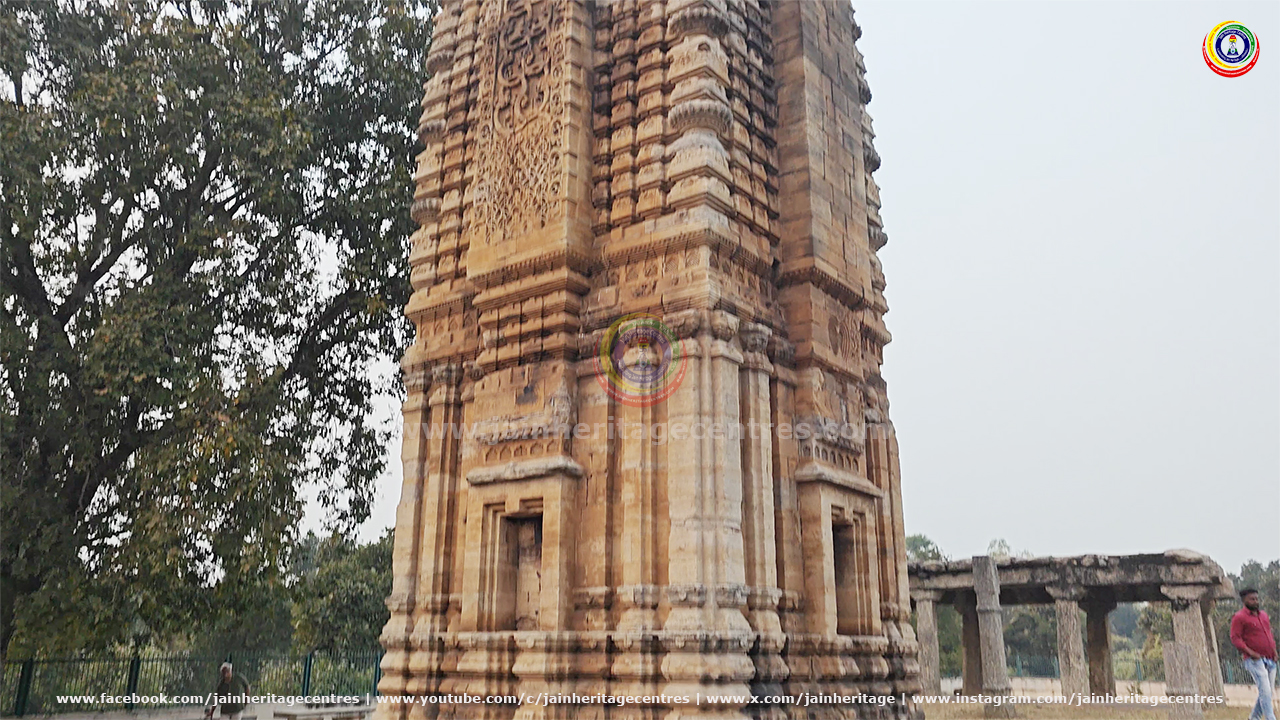
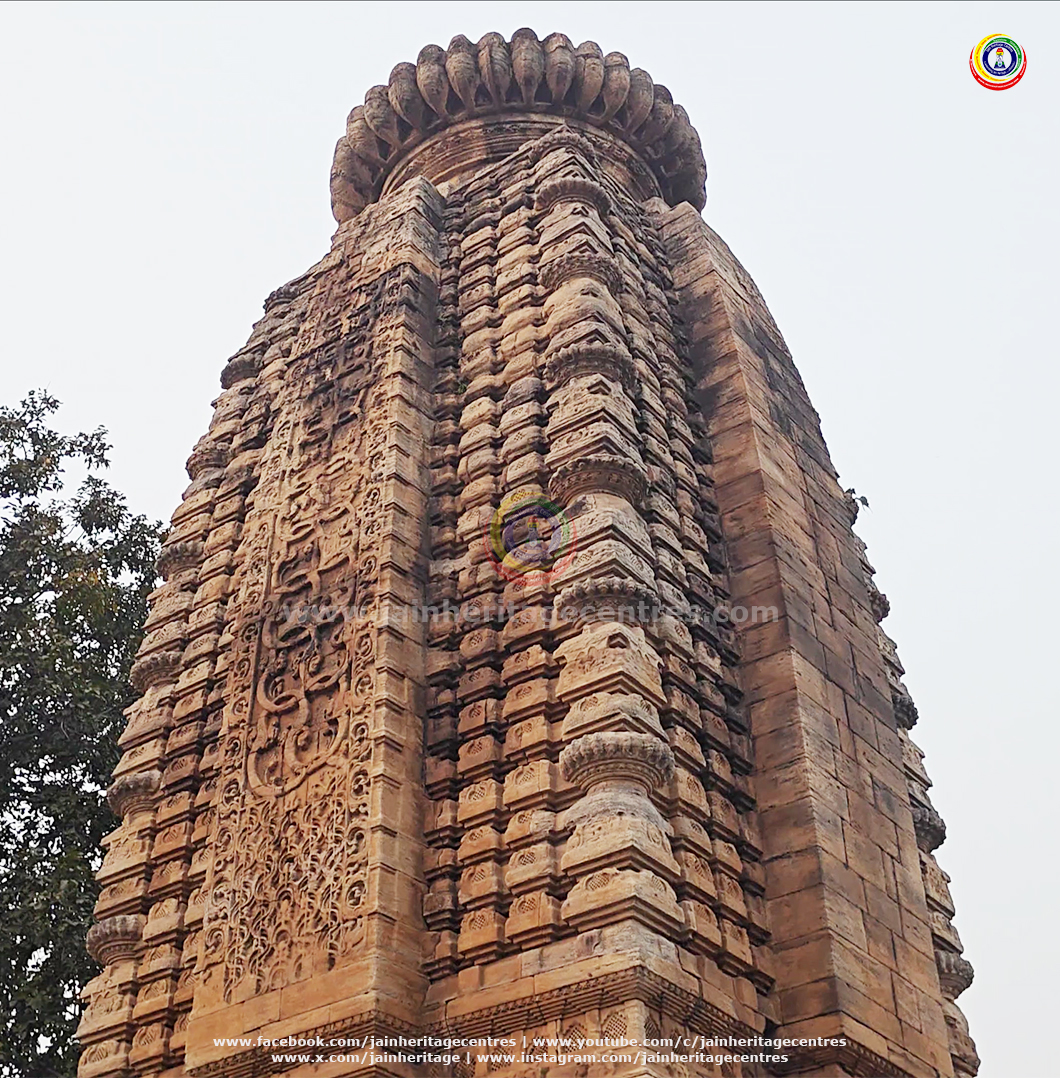
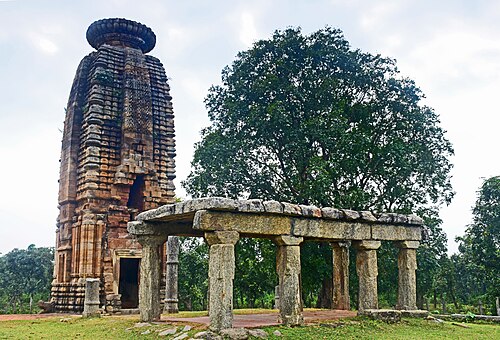
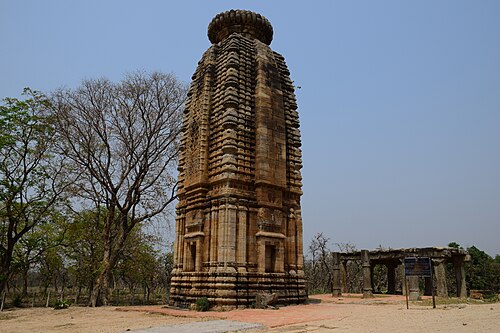
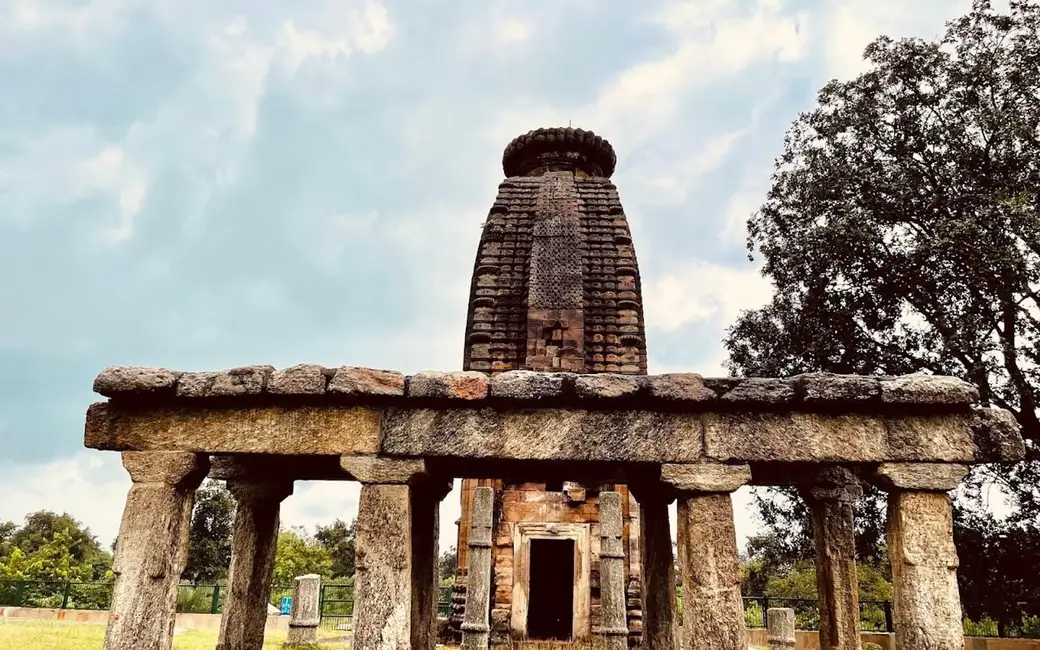
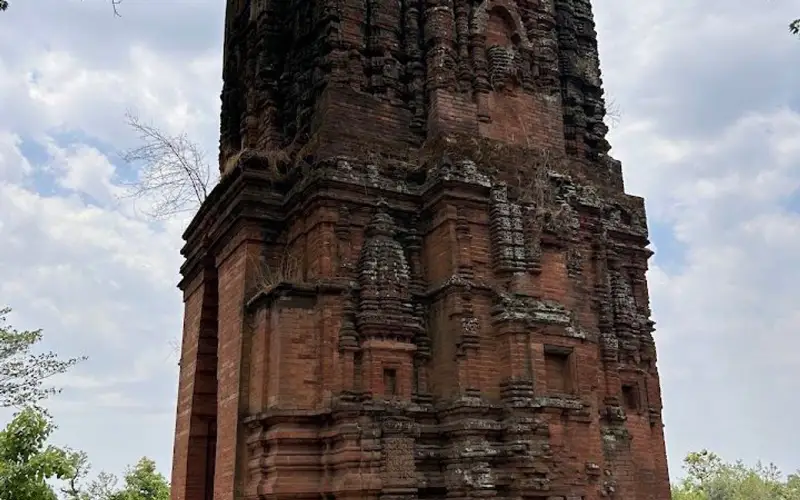
The temple exemplifies the Rekha deul style of Bengal temple architecture. This distinctive architectural form, characteristic of medieval Bengal, features a curvilinear tower that rises in a graceful arc. The Rekha deul represents a significant regional development in Hindu temple design, differing markedly from the architectural traditions of other parts of India. The 11th-century construction date places Banda Deul within an important period of temple building in Bengal, when this architectural vocabulary was being refined and established.
As an ASI monument, the structure is protected and maintained under archaeological oversight. This status ensures preservation of the original stonework and architectural details that survive from its medieval period of construction.
Visiting the Temple
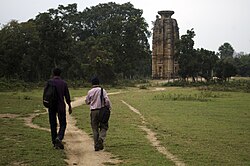
Banda Deul is situated in Banda village, also known as Deulghera, within Raghunathpur II block of Raghunathpur subdivision. The village location means the temple remains embedded in its original rural setting rather than within an urban temple complex. Visitors should be prepared for a village environment and plan their visit accordingly.
Specific information regarding darshan timings, current worship practices, facilities, and accessibility is not available from the sources provided. Before visiting, it would be advisable to contact local authorities in Raghunathpur or the Purulia district administration for current details about access, any active worship practices, and the condition of the site.
Reaching Banda Deul
The temple is located in Purulia district in the western part of West Bengal. Visitors traveling to the site should plan their route through Raghunathpur, which serves as the administrative center of the block. The rural location means public transport options may be limited, and visitors may need to arrange local transportation once they reach the broader area. The nearest major town or railway station should be confirmed with local sources before planning travel.
Historical Significance
The 11th-century date of construction places Banda Deul within a formative period of Bengal's medieval history. Temples built during this era reflect the religious and architectural developments of their time. The survival of the structure to the present day, despite the passage of nearly a thousand years, testifies to the durability of its construction and the value placed on its preservation by successive generations.
The temple's inclusion in the ASI's protected monuments list recognizes its importance as a historical and architectural artifact. This designation reflects scholarly and official recognition of the structure's significance to understanding medieval Bengal's cultural heritage.
What to Know Before You Visit
Visitors should treat Banda Deul with the respect due to a protected archaeological monument and a site of religious significance. The temple's age and protected status mean that any visit should be conducted with care for the structure itself. Appropriate dress—modest clothing that covers shoulders and knees—is customary when visiting Hindu temples, though the current state of active worship at this site should be confirmed locally.
The rural village setting means visitors should come prepared with water and any supplies they may need, as facilities may be limited. Photography policies for ASI monuments can vary; it is best to inquire locally about any restrictions. The site's historical importance makes it valuable for those interested in medieval Bengal architecture and religious history, but visitors should approach it primarily as an archaeological and historical site rather than expecting the facilities or organized services of an active pilgrimage temple.
How to reach
You may also visit
Sureshwari Devi Temple
Sureshwari Devi Temple in Haridwar is a forest shrine dedicated to the goddess, situated within the Ranipur Range area near Rajaji National Park, offering a secluded spiritual e…
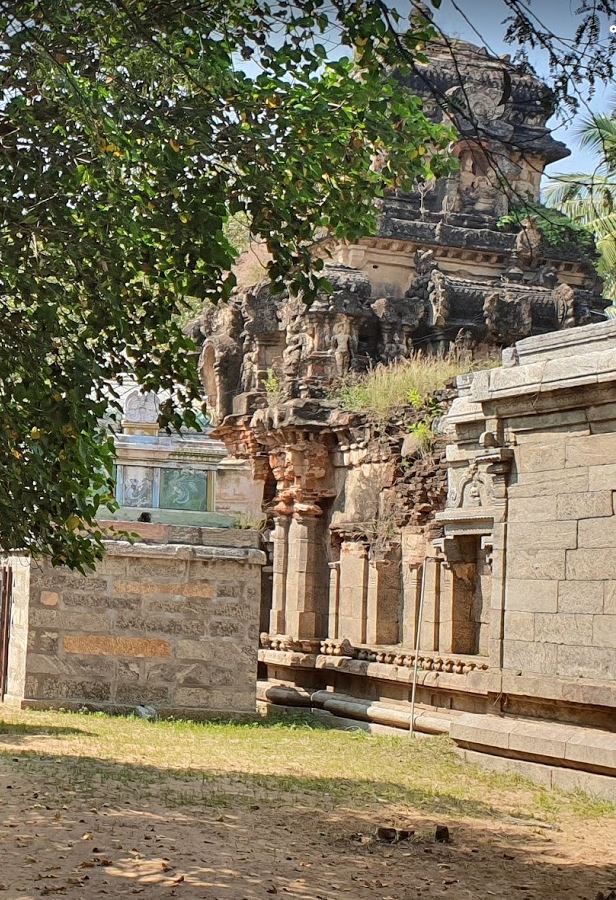
Agatheeswarar Temple, Karur
Agatheeswarar Temple in Thirumukkudalur, Karur district, is an ancient Hindu shrine dedicated to Shiva, situated at the sacred confluence of three rivers and believed to be over…

Shani Shingnapur
Shani Shingnapur is a renowned temple in Maharashtra dedicated to Lord Shani, featuring a self-emerged black stone idol worshipped under open sky. The temple is located in a uni…
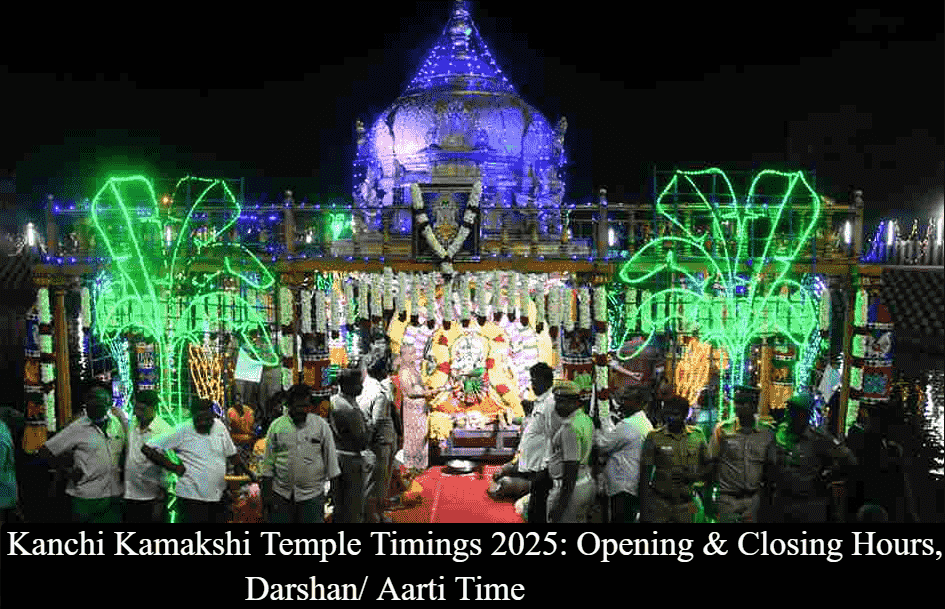
Kamaksha
Arulmigu Kamakshi Amman Temple in Mangadu, near Chennai, is dedicated to the goddess Kamakshi, an aspect of Adi Parashakti. According to legend, the goddess performed austeritie…
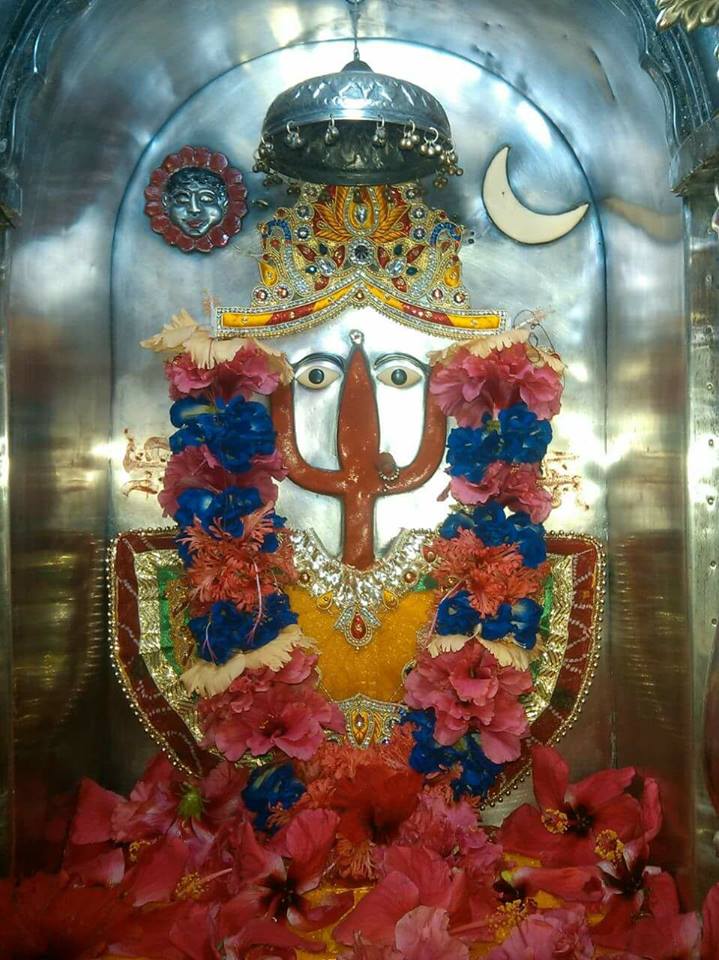
Guhaditya temple
Guhaditya temple in Dwarka is an ancient shrine dedicated to the sun deity, established over 150 years ago. Pilgrims enter through the Swarg Dwar (Gateway to Heaven) and exit vi…
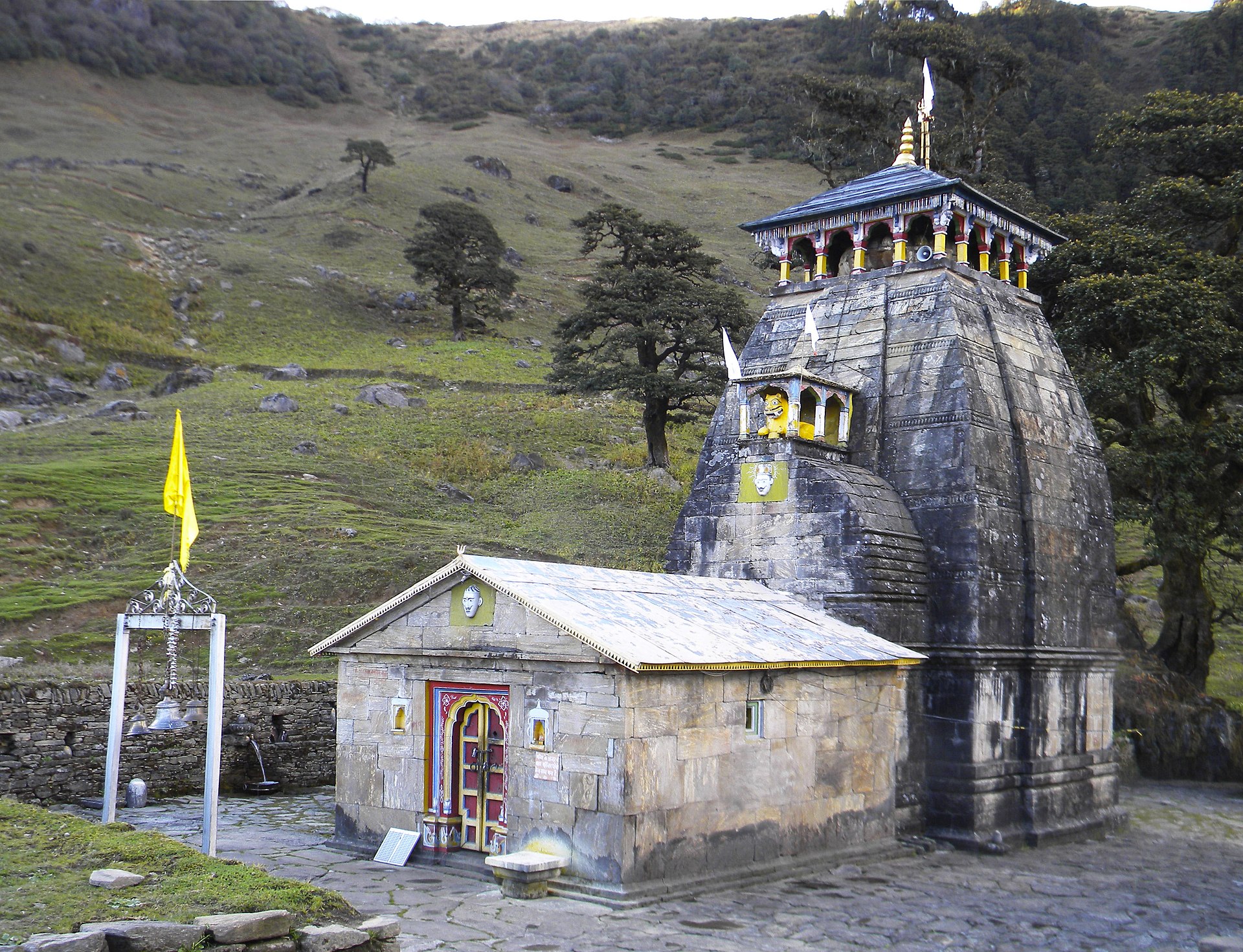
Madhyamaheshwar Temple
Madhyamaheshwar Temple is one of the five sacred Shiva shrines in the Panch Kedar pilgrimage circuit, located in the Garhwal Himalayas of Uttarakhand. Each temple in the circuit…