Ardhkuwari
About Ardhkuwari
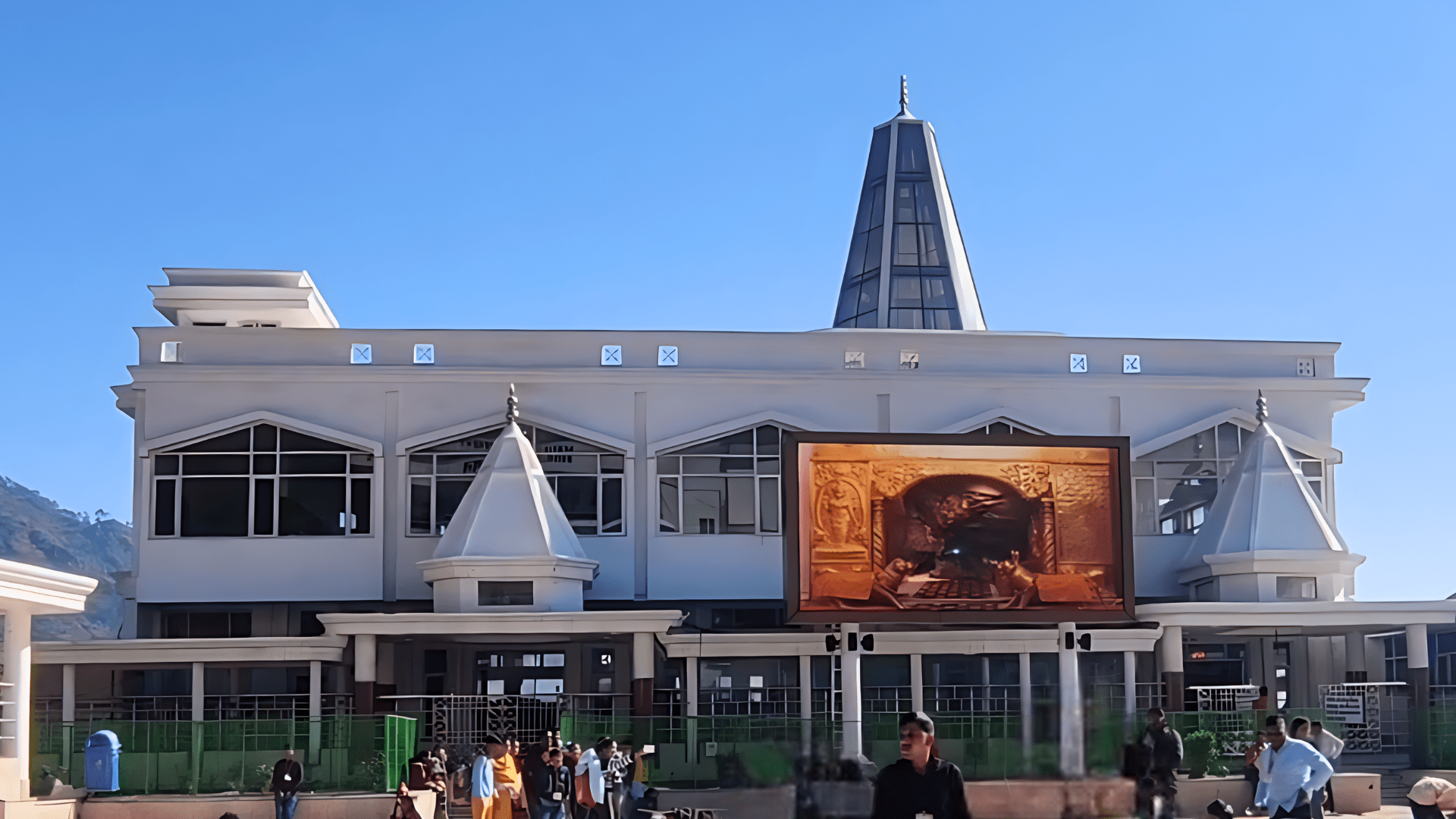
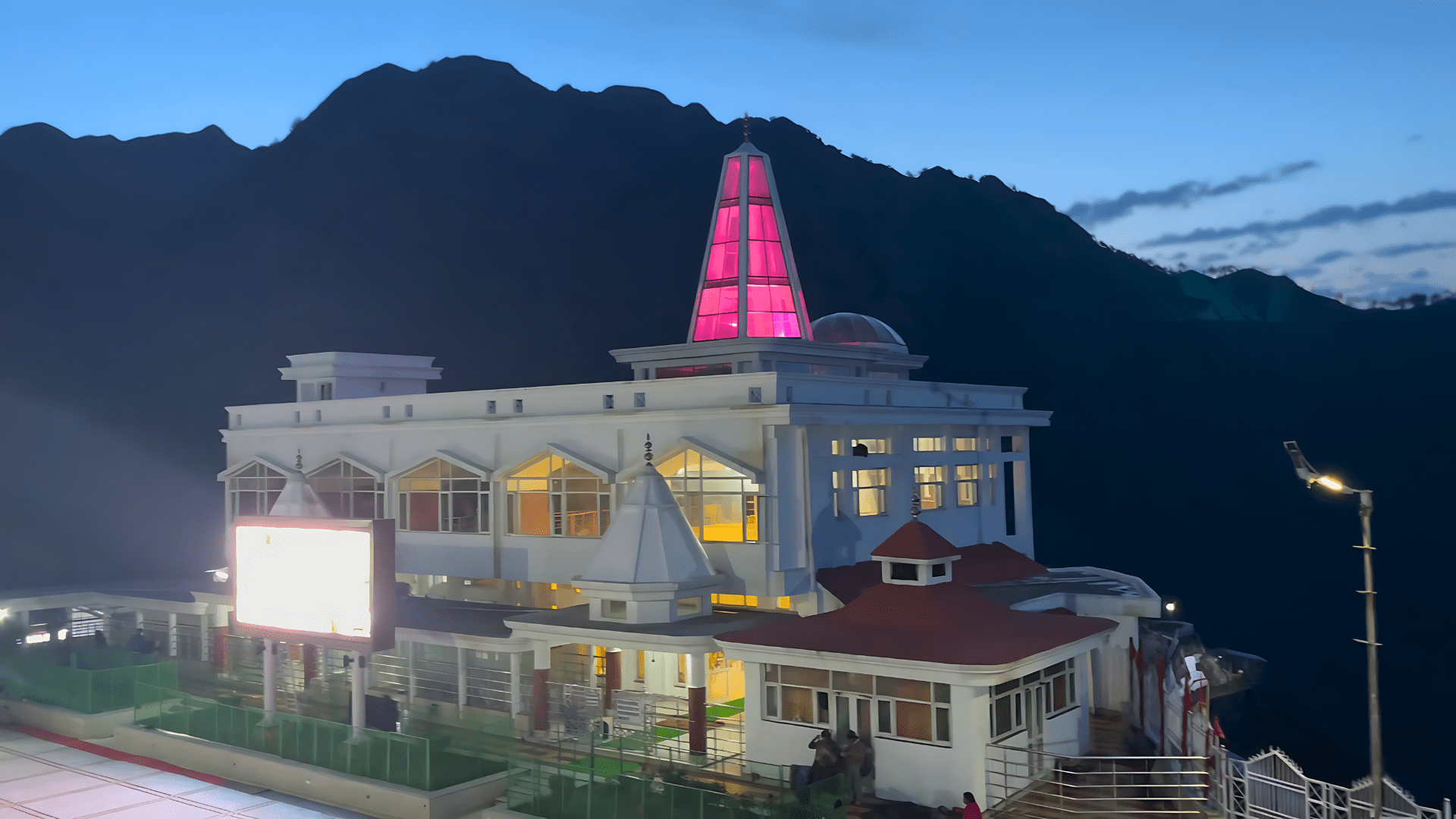
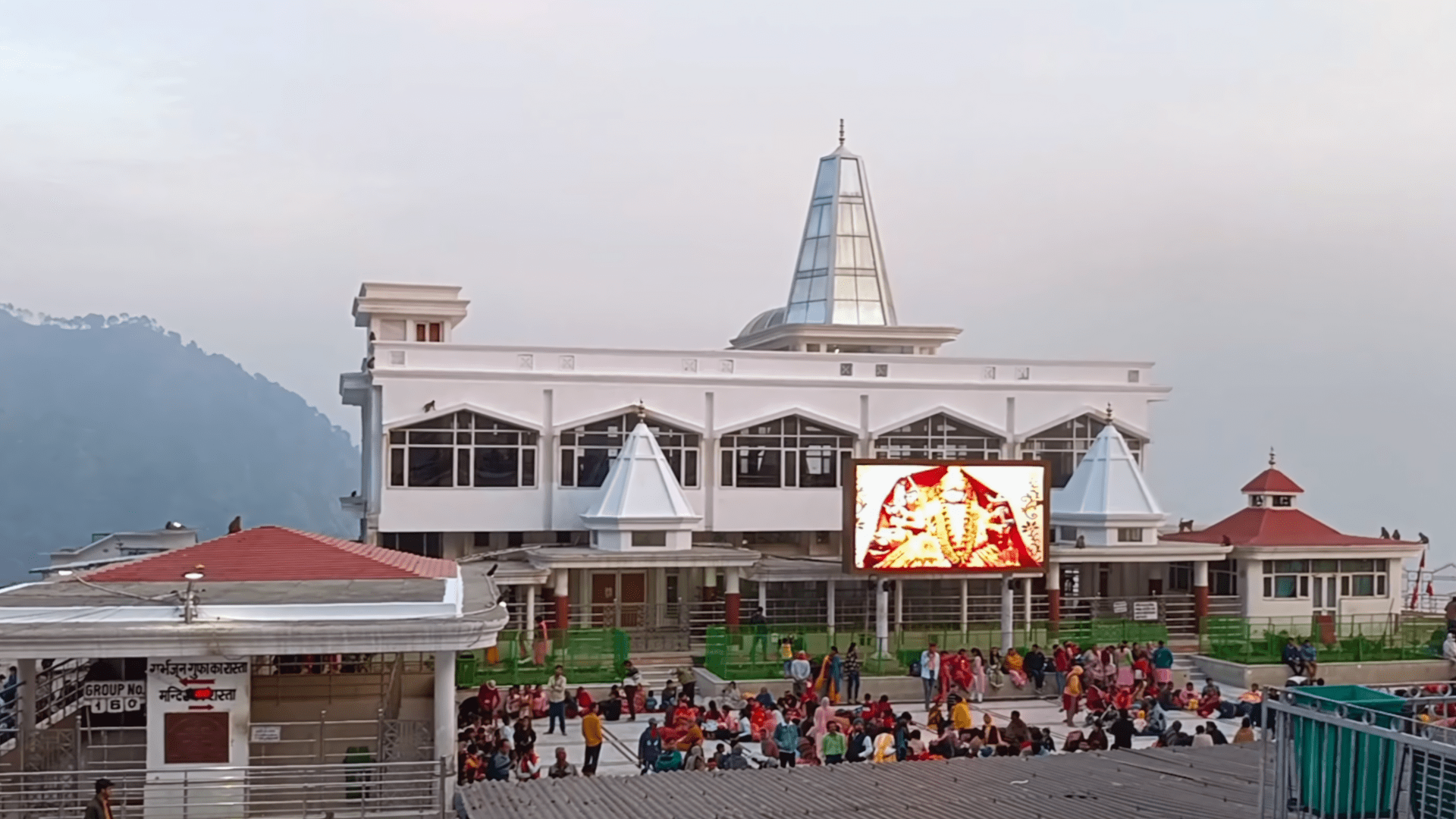
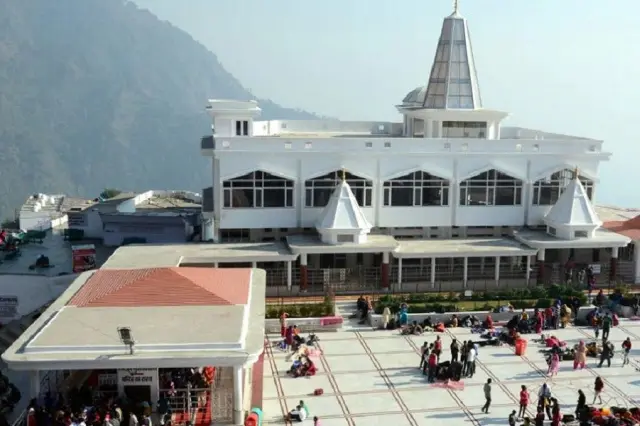
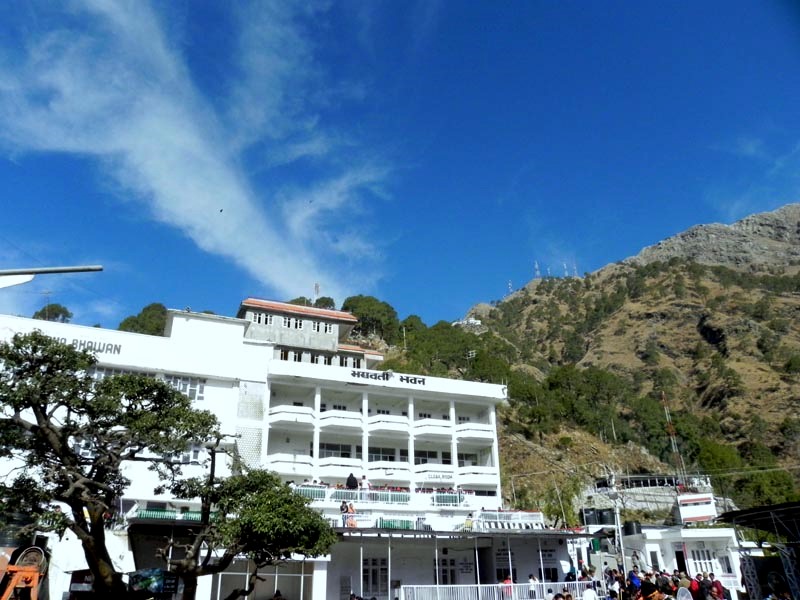
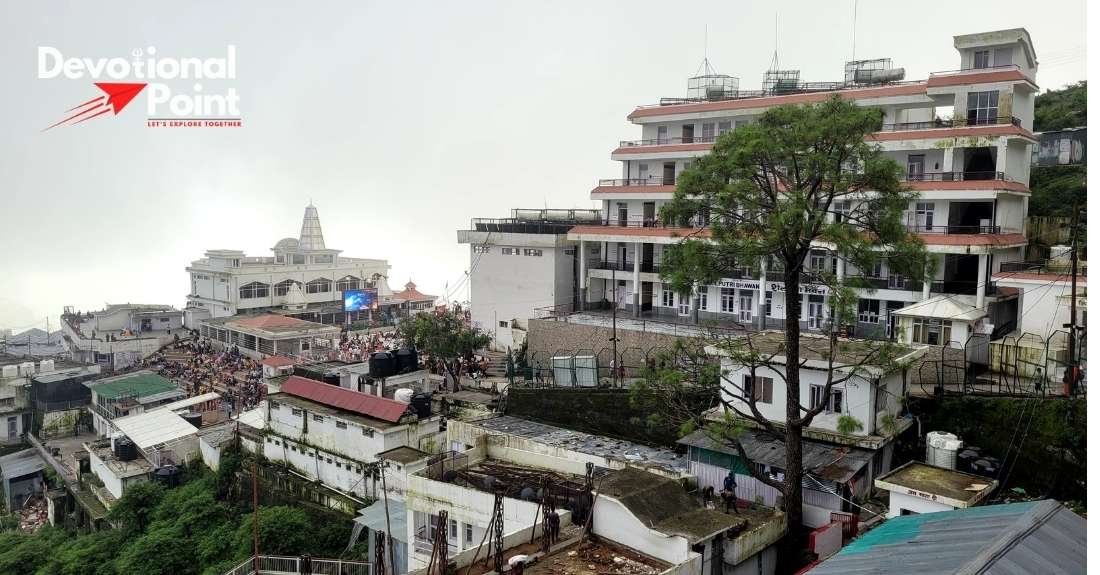
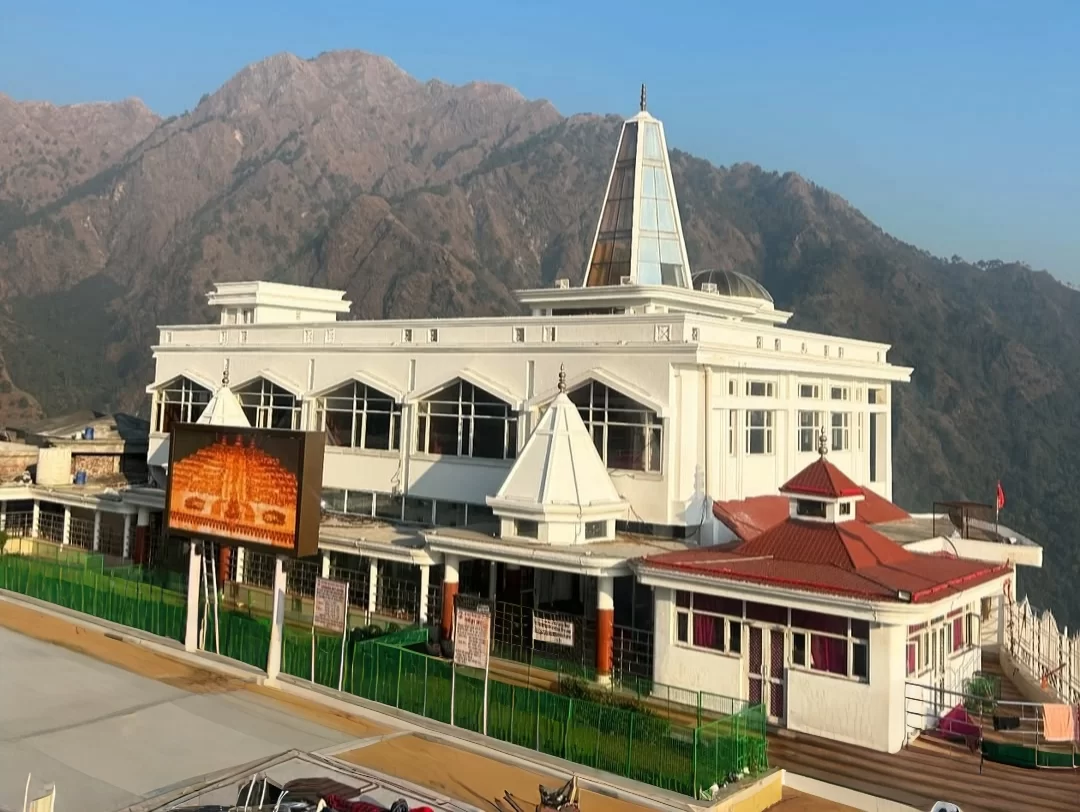
Ardhkuwari occupies a crucial midpoint on the thirteen-kilometre trek between Katra and the final destination at Bhawan. Situated at an altitude of 4,800 feet within the Trikuta mountain range, the shrine serves as the primary resting station for pilgrims undertaking the full yatra. Most devotees pause here to rest, partake of meals at the langar (community kitchen), and drink water from Charan Ganga before continuing their ascent. The shrine's location makes it an essential waypoint rather than a destination in isolation; few pilgrims visit Ardhkuwari without continuing to Bhawan to complete the full pilgrimage circuit.
Darshan and Access
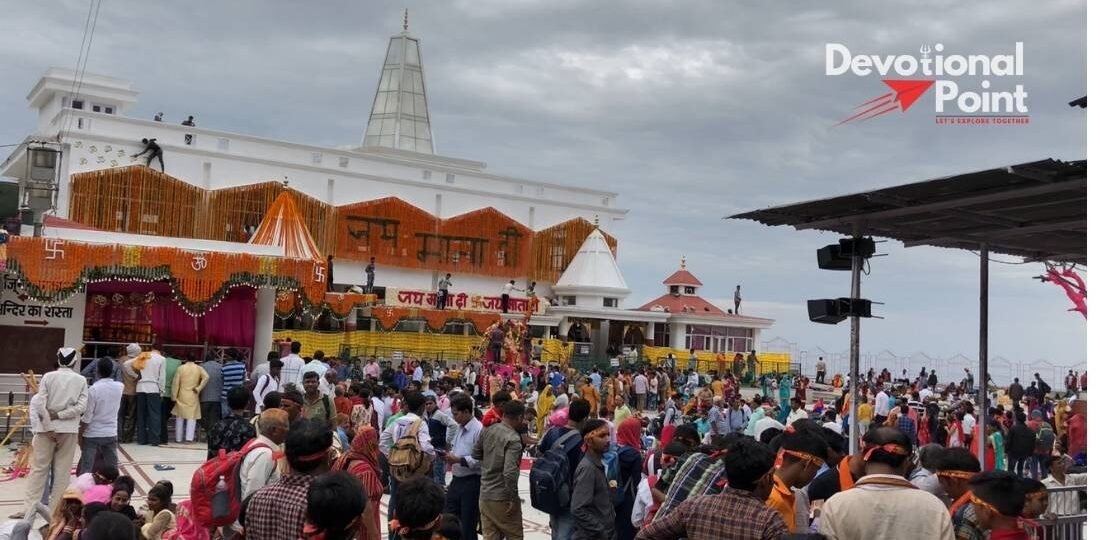
The shrine remains open for darshan twenty-four hours daily throughout the year, accommodating pilgrims regardless of season or time of day. However, visitor flow varies significantly. Navratri periods (occurring twice yearly) draw the heaviest concentrations of devotees, as do summer holidays and weekends. Mornings typically experience lighter crowds, making them preferable for those seeking a quieter darshan experience.
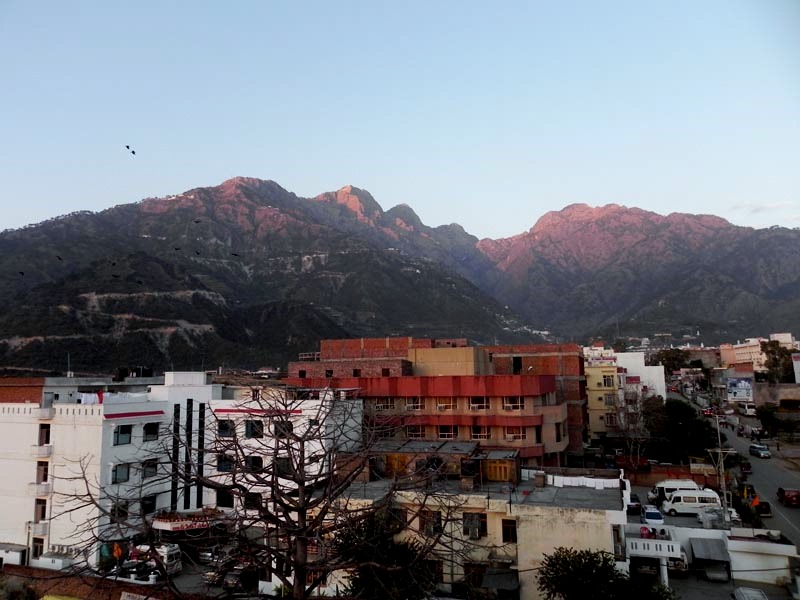
Pilgrims can reach Ardhkuwari via multiple routes. The traditional approach follows the Banganga–Charan Paduka walking path, though alternative options include travel by pony, palanquin, or battery-operated vehicle from Banganga. For those unable to undertake the full trek, helicopter service to Sanji Chhat provides direct access. Darshan booking can be arranged through the official Shri Mata Vaishno Devi Shrine Board portal.
Facilities for Pilgrims
The Shrine Board provides essential support services at Ardhkuwari. Free shelter halls and blanket rooms (with refundable deposits) accommodate pilgrims needing rest. Subsidised vegetarian meals are available at Inderprasth Bhojanalya, ensuring that pilgrims of limited means can sustain themselves during their journey. These facilities reflect the pilgrimage tradition's commitment to serving devotees regardless of economic circumstance.
An emergency helpline operated by the Shrine Board assists pilgrims requiring medical attention or other urgent support during their visit. Given the high altitude and physical demands of the trek, such services are essential infrastructure for safe pilgrimage.
Seasonal Patterns and Planning
While the yatra operates year-round, understanding visitor patterns helps in planning a meaningful visit. Navratri celebrations draw particularly large numbers of devotees, as the nine-day festival aligns with the Goddess tradition observed across Hindu practice. Summer school holidays also bring significant pilgrim traffic, as do weekends throughout the year. Those seeking a less crowded experience should consider visiting during off-peak periods, with mornings generally offering quieter conditions than afternoons and evenings.
The high altitude and mountain terrain mean that weather conditions vary seasonally. Pilgrims should prepare accordingly for the specific season of their visit, particularly regarding footwear and clothing suitable for the trek.
Approaching the Sacred Space
Visitors should approach Ardhkuwari with the reverence appropriate to a major pilgrimage shrine. The Garbh Joon passage, in particular, demands physical humility—the necessity of crawling or stooping is itself part of the devotional practice rather than an obstacle to be overcome. Modest dress is customary at Hindu temples and pilgrimage sites; loose, covered clothing is both respectful and practical for the physical demands of the cave passage.
The shrine's integration into the larger Vaishno Devi yatra means that most pilgrims experience Ardhkuwari as one station within a longer spiritual journey rather than as an isolated destination. This context shapes the rhythm and purpose of a visit—darshan here is typically brief, a moment of prayer and passage rather than extended worship.
How to reach
You may also visit
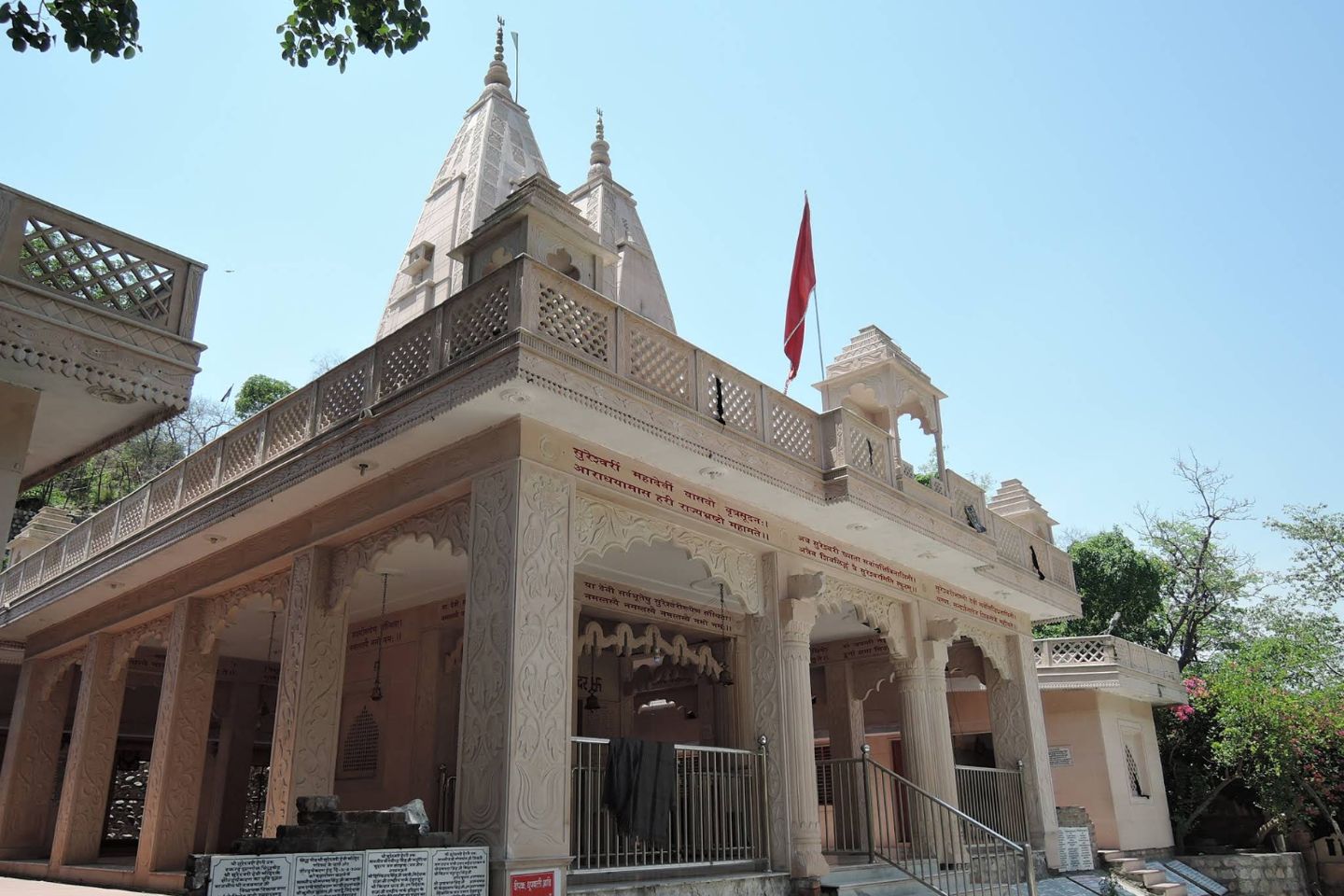
Sureshwari Devi Temple
Sureshwari Devi Temple in Haridwar is a forest shrine dedicated to the goddess, situated within the Ranipur Range area near Rajaji National Park, offering a secluded spiritual e…
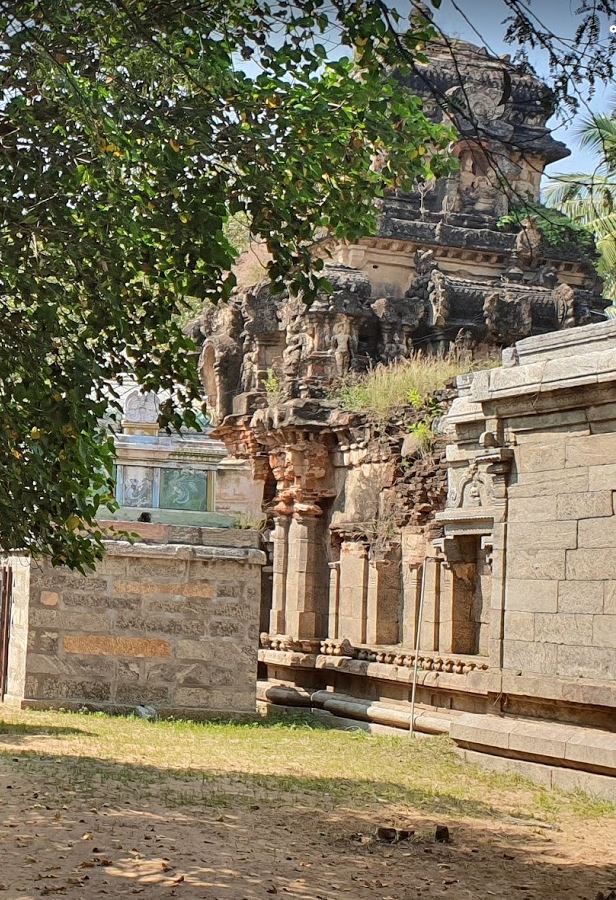
Agatheeswarar Temple, Karur
Agatheeswarar Temple in Thirumukkudalur, Karur district, is an ancient Hindu shrine dedicated to Shiva, situated at the sacred confluence of three rivers and believed to be over…

Shani Shingnapur
Shani Shingnapur is a renowned temple in Maharashtra dedicated to Lord Shani, featuring a self-emerged black stone idol worshipped under open sky. The temple is located in a uni…
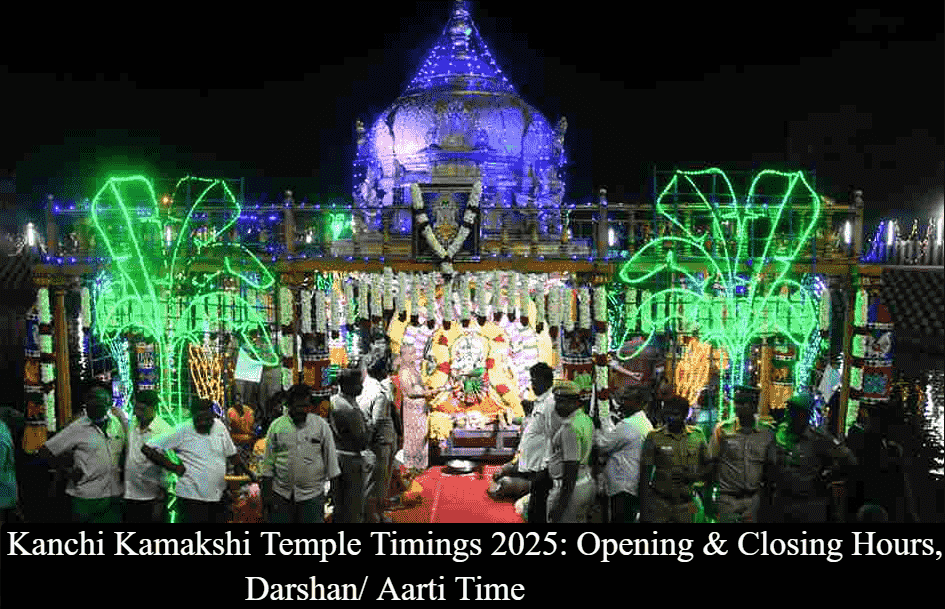
Kamaksha
Arulmigu Kamakshi Amman Temple in Mangadu, near Chennai, is dedicated to the goddess Kamakshi, an aspect of Adi Parashakti. According to legend, the goddess performed austeritie…
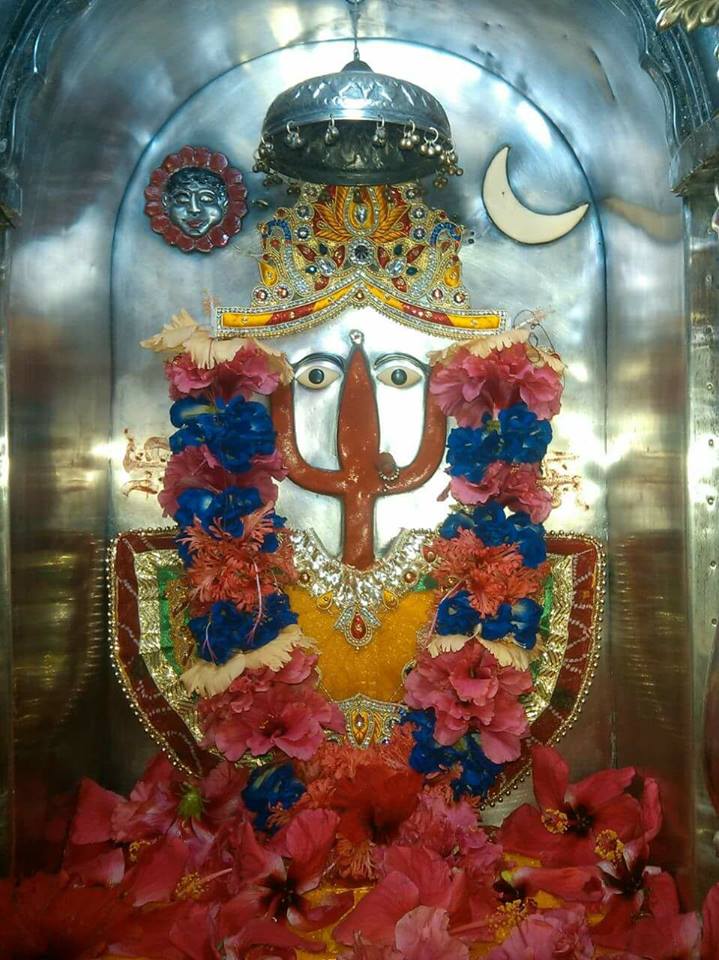
Guhaditya temple
Guhaditya temple in Dwarka is an ancient shrine dedicated to the sun deity, established over 150 years ago. Pilgrims enter through the Swarg Dwar (Gateway to Heaven) and exit vi…
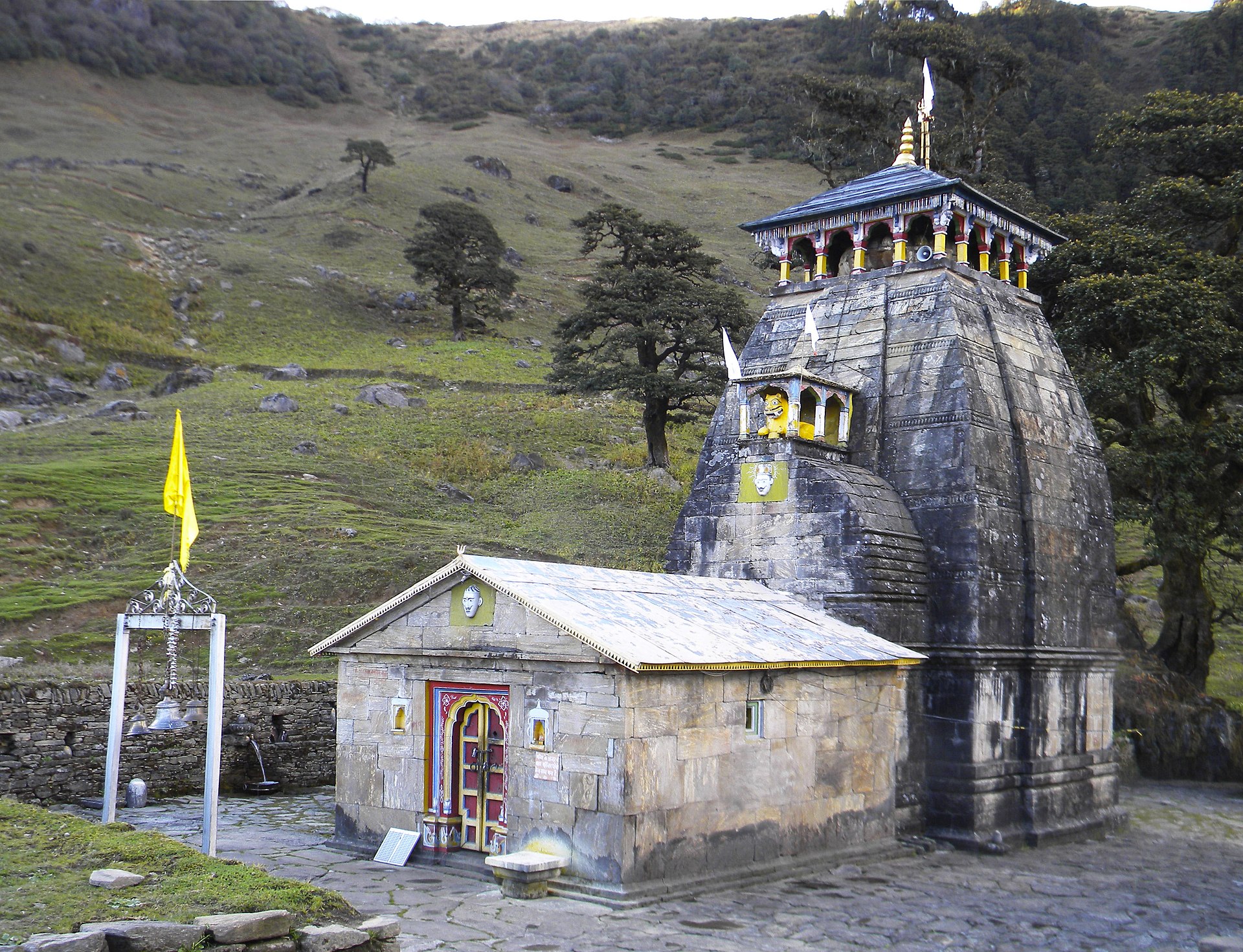
Madhyamaheshwar Temple
Madhyamaheshwar Temple is one of the five sacred Shiva shrines in the Panch Kedar pilgrimage circuit, located in the Garhwal Himalayas of Uttarakhand. Each temple in the circuit…